Blog

All Workers' Compensation Car Accidents Workplace Accidents Workplace Injuries Construction Workers' Accidents Medical Malpractice Industrial Workers' Injuries Product Liability Personal Injury Truck Accidents Firm News Wrongful Death Uncategorized
Tips for talking to the insurance company after a crash

Tips for talking to the insurance company after a crash

Suffering an injury in a car crash can be life-changing and incredibly distressing. Most people want to focus on their recovery; however, insurance is inherently involved in accidents. Per their own insurance contracts, individuals have to report the car accident to their own vehicle insurance company. If they intend to make a claim against the at-fault driver, reporting the accident to that driver’s insurance company will be necessary as well. No matter the circumstances, speaking with the insurance company can be stressful. It can also quickly become complicated. So, here are some tips for individuals to remember when speaking with the insurance company. 1. Do not give too many details about the accident Many people are under the impression that they must tell the insurance company everything about the accident. This is not true. Individuals should be honest, but limit their information to the following: Where the accident happened; When it happened; Known occupants in the vehicles; The type of accident; and Their vehicle and policy information. The insurance representative or adjuster may try to press for more details, such as how the accident happened. They might even outright ask individuals to provide a recorded statement. But individuals can decline to provide a recorded statement and limit their information than what is listed above for their initial statement. 2. Do not discuss injuries Like the accident, individuals do not have to describe their injuries to the insurance adjuster either. If insurance companies ask about injuries, individuals should stick to the facts but avoid providing too many details. For example, they can tell the insurance company that: They suffered injuries in the accident; and They are still seeking medical treatment for these injuries. The insurance company does not need any more information than this from individuals after the accident occurred. 3. Stay calm Speaking with the insurance company after an injury can be stressful, especially if the adjuster presses for information. However, individuals must remember to remain calm and civil while on the phone. Seeking experienced counsel will inherently limit the stress that injured individuals face after accidents. If a person is in an automobile accident and retains counsel quickly, they can defer all questions from the insurance companies to their attorney. Such action limits an individual misunderstanding an insurance representative and providing irrelevant or other information that may adversely affect their claim for recovery.


What jobs carry a high risk of cancer?

What jobs carry a high risk of cancer?

In a past blog post, we discussed how Maryland’s workers’ compensation laws specifically protect firefighters whose cancer diagnoses relate directly to their job. And while firefighters face some of the highest risks of cancer in their line of work, many other jobs increase workers’ risk of getting cancer as well. Which jobs have ties to higher risks of cancer? Business Insider reported on a 2019 study which found that some of the jobs associated with the highest risks of cancer included: Firefighters: Inhaling smoke and materials released from the heat can lead to several types of cancer. Additionally, diesel fuel fumes released on the fire ground and in the fire station also pose long-term risks. Pilots: Pilots face a higher level of exposure to UV radiation than many other jobs, which can increase the chance of skin cancer. Painters: This job exposes workers to hazardous fumes and solvents daily, including benzene. Rubber manufacturers: For years now, the rubber manufacturing industry has been tied to cancer because of the carcinogenic chemicals needed to make rubber and the vapors produced in the process of manufacturing. Construction workers: Construction workers face a particularly high risk of mesothelioma from asbestos exposure in their line of work. Can workers prevent cancer? Even though there are no proven ways to prevent cancer, many workers have the power to significantly reduce their risk of cancer. It can help workers to: Learn about the known carcinogens and which ones might be in their workplace. Wear the proper protective gear at work, such as respirators. Make a point to eat healthy and exercise regularly. Avoid using tobacco, since it can significantly increase the risk of cancer. Start getting cancer screenings to catch any potential diagnoses early. Being aware of the risks in one’s workplace and taking extra steps to stay safe at work can help workers prevent diagnoses of this devastating disease. Firefighters facing work-related cancer have particular and unique rights under Maryland law, but workers who suffer from a work-related disease – such as cancer – can also obtain workers’ compensation (Maryland Code, Labor & Employment §9-502). Although it is a higher hurdle for non-public safety workers in Maryland to receive compensation for the work-related cancer, in such cases it is beneficial to consult an experienced attorney to discuss their options.

Understand the long-term risks of working with solvents

Understand the long-term risks of working with solvents

Countless workers use solvents every day on the job, such as acetone for industrial coating and MEK in printing ink. Using these chemicals is just a part of the job for many workers in various fields of employment, but many of them can be hazardous to workers’ health. Workers exposed to dangerous amounts of these common chemicals could suffer serious injuries in the long run, and they must be aware of the hazards they can pose. Workers know the short-term effects, but new alert highlights long-term effects Most who work with chemicals daily know the possible short-term effects that come with exposure, including: Skin irritation; Headaches; Drowsiness; and Nausea. However, not many are aware of the long-term effects. Recently, the CPWR Center for Construction Research and Training published an alert to workers about the life-threatening effects of solvent exposure. The report warns that long-term exposure to solvents can cause significant damage to: The respiratory system; The nervous system; The reproductive system; and The kidneys. Some of these chemicals, such as benzene, have also been found to cause cancer. Workers who suffer accidental injuries from dangerous exposure to solvents may collect workers’ compensation when a physician indicates with a reasonable degree of medical certainty that the symptoms are at least in part related to the work exposure. All workers must take the proper precautions Solvents are necessary for many types of work, including: Industrial work; Construction or manufacturing work; Printing; and Janitorial work. No matter the inherent danger in certain occupations, an injury or occupational disease related to workplace exposure to solvents may be compensable and covered under Maryland law. Workers must take these risks seriously when working with solvents and it can be helpful to review the safety guidelines for the chemicals they work with frequently. They must also ensure they wear the proper protective gear, including gloves, eye protection and masks to avoid both the short-term and long-term effects that could result from working with solvents. However, in the event of a significant injury, workers must first receive proper medical care and contact an attorney to ensure their rights are protected.

Can your employer fire you after you suffer a work injury?

Can your employer fire you after you suffer a work injury?

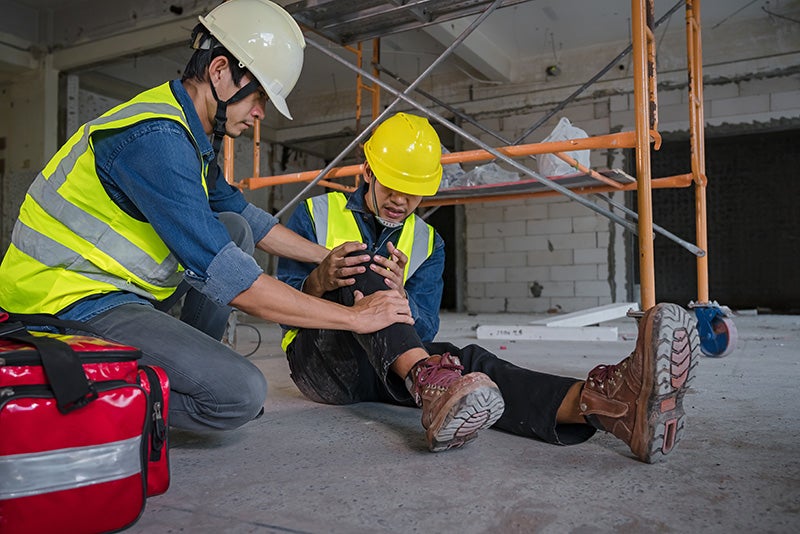
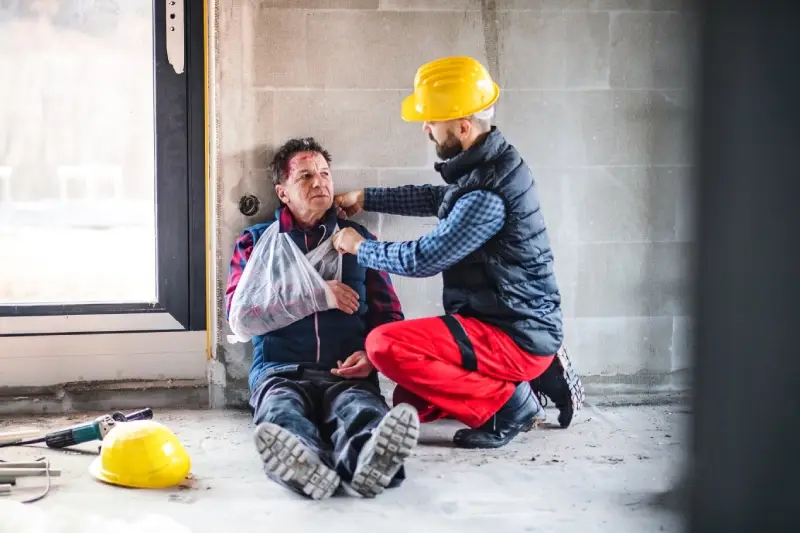
The physical pain and stress of a work injury can be overwhelming. Regardless of whether workers suffered a broken leg or a traumatic brain injury, they might have a long road to recovery ahead of them. Most injured workers want to rush the recovery process and return to work as soon as possible to start providing for their family again. When injuries like this keep individuals from working, many might begin to worry: could their employer lay them off while they collect workers’ compensation benefits and recover from an injury? The answer to this question can be a bit complicated. What does Maryland law say? Under Maryland law, an employer cannot terminate an employee because they: Suffered an injury on the job; or Filed a claim to recover workers’ compensation. Doing so would be considered retaliation, which is illegal in the workplace (Maryland Code, Labor & Employment §9-1105). However, employers might still be able to terminate an employee while they are out on workers’ compensation, or when they return to work in some cases. When could employers lay off injured employees? Many employers might try to get around this law and lay off employees when they recover and return to work. This is technically legal since most employees are at-will employees. This means that employers can terminate employees without listing a reason, as long as the termination was not based on a worker’s protected class or employment contract. There are still only a few reasons employers could terminate an employee after a work injury, including: The injury or disability prevents the worker from performing their original job; And there are no positions open that accommodate a worker’s disability from the injury; or The business cannot operate without filling the position while the injured worker cannot work. However, most importantly, if an injured worker is under restrictions due to a work injury they remain entitled to benefits if their employer is unable to accommodate them. Benefits include ongoing monetary benefits until they are released to work without physical restrictions, or vocational rehabilitation to help them find new employment if the physical restrictions are permanent and the employer is unable to rehire the injured worker. If workers worry about their position while they are out recovering from a work injury, it is best to speak with an attorney to provide the injured worker his or her options and the next steps they should take to protect their rights.

Construction injuries down, but still one of the deadliest jobs

Construction injuries down, but still one of the deadliest jobs

Building projects do not stop just because the weather turns cold. Many Maryland construction workers stay on the job year-round, and they know that no matter the time of year, this can be dangerous work. Construction workers and their families must know about their options and rights if workers suffer injuries on the job, but a new report indicates that the risk of injury is slowly falling. The overall rate of construction injuries slowly decreasing over time A 2019 report stated that the overall rate of nonfatal injuries has been declining in the construction industry. The rate of injuries has slowly decreased from an average of 3.6 injuries to 3.0 injuries per 100 workers from 2014 to 2018. Even the smallest decline in nonfatal injuries is good news, since the most common nonfatal injuries in this industry are often still severe, such as: Electrical burns; Lacerations or amputations; Broken bones; and Back or head injuries. These injuries may be nonfatal, but they can still have a serious, life-changing impact on a worker’s life. Injured construction workers can mitigate these impacts since they are entitled to collect workers’ compensation benefits, no matter the risk involved in their job (Maryland Code, Labor & Employment § 9-507). However, construction work is still one of the most dangerous jobs A decrease in nonfatal injuries is a good sign, but construction work is still one of the deadliest industries in the United States. According to Business Insider, many jobs relating to the construction industry are some of the most dangerous jobs, including: Construction laborers, with 13 fatal injuries per 100,000 workers; Construction equipment operators, with 10.6 fatal injuries per 100,000 workers; and Construction trade workers, with 15.8 fatal injuries per 100,000 workers. All workers in the construction industry understand the risks they face every day, but that only means they must increase their focus on safety in the workplace.

The emotional impact of a car accident is very real

The emotional impact of a car accident is very real

An accident can happen in mere seconds. In that short time, individuals can be left with devastating and catastrophic injuries. The injuries sustained from a serious car accident can keep individuals out of work and prevent them from enjoying the activities they love. This can be incredibly frustrating, which only adds to the emotional impact that a car crash can have. There are two reasons individuals should not overlook the emotional effects of a car crash: In Maryland, individuals injured in a car accident caused by another’s negligence can often recover financial compensation for the non-economic damages they suffer, such as significant emotional distress (Maryland Code, Courts and Judicial Proceedings §11-108). More importantly, overlooking the emotional effects can have a negative impact on an individual’s mental health. Individuals must be aware of the emotions they might experience after a car accident, so they can be sure to take care of their mental health. What are the most common emotions individuals might experience after a crash? Some of the most common effects that injured individuals experience after an accident include: Shock: Shock is incredibly common after a car accident. Individuals might be confused, distressed and irritable after the crash. It might take time for the accident to even feel real to them. This can last for even a few days or weeks after the accident. Anger: After a while, injured individuals might be angry at the negligent driver who caused their injuries and put them in this situation. However, this anger might also manifest at small inconveniences or even at other loved ones. Guilt: Many individuals might begin to think about what they could have done differently to avoid the crash – even if they were not at fault. Injured drivers might also feel guilty if other passengers got hurt in their vehicle at the time of the accident. Anxiety: Symptoms of anxiety and depression are common after a crash. Individuals might worry excessively and feel constantly nervous about their well-being or the well-being of their loved ones. Anxiety can often manifest long after the accident, especially at the prospect of getting behind the wheel or into a car again. Car accidents can be traumatic The suddenness and violence of a car crash can cause severe emotional responses. Some people even develop post-traumatic stress disorder (PTSD) after catastrophic accidents that put their life at risk. That is why individuals must pay attention to their emotional reaction after the accident, so they can focus on their holistic recovery. These emotional reactions are normal, but they will be different for everyone. Remember that it may take time for individuals to work through these stressful emotions. However, if individuals experience such emotions for a prolonged period of time, it is also important to consult a mental health professional. Proper mental health can both improve an individual’s condition, as well as validate and document the psychological injuries.

Eye injuries are more common than workers think

Eye injuries are more common than workers think

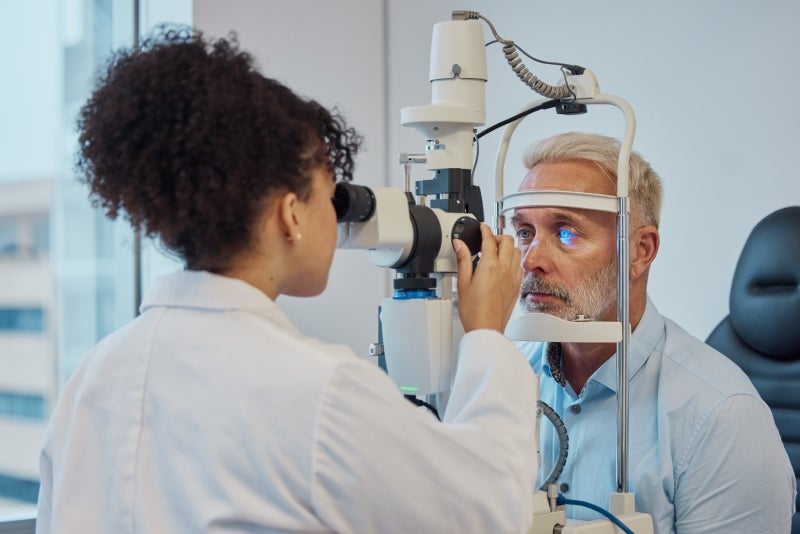
Slips and falls, muscle strains and fractures are just a few of the most common work injuries. Injuries to a worker’s eyes do not fall on this list. So, not many workers worry about their eyes on the job. For example, a construction worker likely worries much more about falling and potentially breaking a bone than they do about their eyes. Yet, work injuries that affect the eyes are more common than many workers might wish to believe. How common are eye injuries on the job? Injuries to the eyes are much more common than many workers might think: Roughly 2,000 workers suffer eye injuries every day on the job; and 10% to 20% of these injuries result in temporary or permanent loss of vision. Recovering from an eye injury can take days, causing individuals to miss work. And if the injury leads to blindness, it could impact their entire life and ability to work in the future. Under Maryland law, workers who suffer an eye injury would be entitled to collect workers’ compensation benefits. Additionally, loss of vision is often a permanent total disability (Maryland Code, Labor & Employment §9-636). Workers and their families could qualify to collect disability benefits to cover the worker’s lost earning ability and medical treatment. However, all workers can take action now to protect their eyes from such injuries. How do eye injuries happen in the workplace? According to the Centers for Disease Control and Prevention (CDC), some of the most common hazards that can result in eye injuries include: Striking materials, which can lead particles to fly into the eye; and Exposure to dangerous chemicals, which can burn the eyes. This is precisely why safety glasses are essential for many jobs, including: Construction work; Electrical work; Factory work; Mechanics and manufacturing; and Healthcare work. Wearing safety glasses may sound like a simple solution, but Safety + Health Magazine reports that safety glasses can p revent roughly 90% of all eye injuries. When workers take the proper safety precautions – such as wearing safety goggles – they can significantly reduce their risk of sustaining a life-changing work injury.

How can you protect your hearing at work?

How can you protect your hearing at work?

We spend a significant portion of our lives working. The average worker works at least five days out of the week and at least eight hours of the day, essentially until they retire. Spending so much time at work can increase the risk of sustaining serious work-related injuries or illnesses, especially if workers face exposure to loud noises regularly. About 22 million workers are exposed to dangerous noise levels at work each year, and though workers can recover workers’ compensation benefits for hearing loss, many might wonder: what can they do to prevent hearing loss? Maryland law explicitly covers occupational deafness Occupational deafness or hearing loss is specifically covered under Maryland’s Workers’ Compensation law for covered employees (Maryland Code, Labor & Employment § 9-505). This coverage extends to workers if they suffer from hearing loss after consistent exposure to industrial noise frequencies between 500 hertz and 3,000 hertz. The Occupational Safety and Health Administration (OSHA) does require employers to have a hearing conservation program, which limits working hours to eight hours if the noise in the workplace measures at 85 decibels or higher. However, many professions face much louder noise exposure than 85 decibels regularly, including: Airport ground workers; Industrial warehouse workers; Factory workers; Construction workers; and Emergency responders. It is not always possible to control the noise exposure in these jobs or environments but hearing loss can be devastating for an individual’s career and personal life. So, workers must take steps to preserve their hearing on the job. What can workers do to protect their hearing? The biggest risk of hearing loss is that there are rarely warning signs. There is not usually any pain. Some workers might experience ringing in their ears, but this is not always true in every case either. Without warning signs, individuals must take proactive measures to protect their hearing by: Wearing the proper protective gear, such as earplugs or noise-canceling headphones; Giving their ears a break during and after work. It can often take roughly 16 hours of quiet to recover from noise exposure during the day; and Getting regular hearing tests to catch risks and concerns early. Even though covered Maryland workers can collect workers’ compensation benefits for occupational hearing loss, workers should still take steps to protect their hearing now.

When do most car accidents happen?

When do most car accidents happen?

During the holidays, police reports and news anchors alike warn drivers to be careful, since the number of car accidents increases significantly around that time of year. It is true that in the period between Thanksgiving and New Year’s, both the rates of drunk driving and car accidents overall spike substantially. This might leave many people wondering: what about the rest of the year? Aside from the holidays, when do the risks of being involved in a car accident increase? Rush hour is naturally a dangerous time to drive If most people could venture a guess of when they are most at risk of being in a car accident, they would likely say rush hour. That guess would be correct. The National Highway Traffic Safety Administration (NHTSA) reports that the period between 3:00 pm and 6:00 pm is the most dangerous time of day to drive. There are a few reasons that the risk of an accident increases around rush hour, including: The sheer number of cars on the road makes the chance of an accident increase; People are eager to get home after work, and they might be speeding or even distracted behind the wheel; Drivers may also be tired after a long day of work, which could mean they are not paying attention to the road. It also does not help that it is often dark during rush hour at this time of year, which decreases visibility. Fatal accidents also increase on the weekend Data from the NHTSA also reports the risk of a car crash increases or decreases depending on the day of the week. According to a study conducted in 2018, drivers are most likely to be involved in a fatal accident on Saturdays. This is mostly because: Like rush hour, there are often more cars out on the road during the weekend; and There are often more people driving under the influence during the weekend. Regardless of when Maryland drivers are out on the road, they face the risk of coming across negligent drivers who put their safety in jeopardy. That is why, no matter the time or day, drivers must make sure they focus and drive defensively when they are behind the wheel, so they can arrive at their destinations safely.

How can you protect your hearing at work?

Warehouse workers: Tips to stay safe on the job

In our last blog post, we discussed the new injury risks and safety hazards that warehouse workers could face in 2020. The addition of advanced technology and artificial intelligence will change the environment of warehouses and many other workplaces across the nation as we move forward into the future. As we mentioned in the last post, workers must speak with their employers about obtaining the proper training to avoid workplace accidents and injuries, but warehouse workers should also take measures to protect themselves on the job and reduce their personal risk of injury. Know the top warehouse safety hazards Recognizing the most common hazards found in warehouses is the first step to avoiding an injury. When workers know the hazards that pose the greatest risk to them, then they can be sure to take extra caution in situations where these hazards could arise. Some of the most common risks in warehouses include: Trips and falls over materials or obstacles left on the ground; Falls from significant heights; Falling objects or equipment; Forklift accidents; and Ergonomic risks while lifting or packing. Workers injured in any of these situations in the course of their work would be entitled to collect workers’ compensation while they recover (Maryland Code, Labor & Employment §9-501). However, there are also steps workers can take to reduce the chance of suffering an injury in the first place. Tips to stay safe while working There are several ways that warehouse workers can help minimize their risk of injury, including: Wearing the proper clothing and protection, including proper shoes, gloves and hardhats if necessary; Trying wearable technology to create a personalized safety plan; Being aware of their surroundings at all times. Look out for hazards on the floor, broken equipment or poor lighting; and Making their safety a priority every day on the job. The focus on safety often falls to the wayside as workers get used to their job. The longer they work, the more their duties seem like second-nature. This often only increases the chance of an injury. That is why making safety a routine and a priority can make a huge difference for workers, especially as their workplaces are set to change so drastically in the future.

How can a work injury impact your family?

How can a work injury impact your family?

Workplace injuries can have a huge impact on every aspect of an individual’s life. After all, an injury not only has physical effects, but emotional and financial ones too. Collecting workers’ compensation benefits can help individuals reduce the stress of those effects. However, one detail that many people might not think about is the effect a work injury can have on the injured worker’s family. Families commonly worry about finances after an injury After individuals receive treatment for their work injury and the pain subsides, the next most common worries usually include: How will they support their families if they cannot work? How will they cover the expenses needed for treatment? Thankfully, the workers’ compensation benefits that injured employees cover both lost wages and medical bills to help support families in the tough time after a work injury (Maryland Code, Labor & Employment §9-602). Even so, families might still face financial challenges. This is often the case if a family member must become a full-time caregiver in addition to their job. The role of caregiver can be stressful for family members Loved ones play an important – and often unrecognized – role after a work injury. Spouses, and also children, often become caregivers for their loved ones after they suffer a severe and life-changing injury. For example, if a worker suffers a traumatic brain injury in a serious fall at work, they have a long road to recovery ahead of them. Their spouse or other loved ones might have to help them: Complete basic tasks each day, such as dressing or bathing; Bring them to appointments to obtain treatment; and Take care of the family’s finances and most responsibilities around the house. Spouses and children do this out of love, but being a caregiver is a stressful job. It can lead to caregiver burnout and it might create strain in family relationships. Family members might also face a greater risk of injury According to a study conducted by the National Institute for Occupational Safety and Health (NIOSH), family members also face a higher risk of suffering an injury after a loved one sustains a serious work injury. Their risk increases by 34%. This is generally because family members take on more responsibilities around the house and may engage in physically taxing work. These additional injuries could cause families even more physical, emotional and financial stress in the long run. That is why it is critical to seek workers’ compensation as soon as possible after a work injury. Consulting an experienced attorney can help injured workers recover the benefits they deserve. In turn, this can help injured workers reduce the impact an injury could have on both them and their families.

Drivers: Make road safety a priority this winter

Drivers: Make road safety a priority this winter

Every driver knows that the weather can play a huge role in their safety when they are out on the road. It is one of the primary factors that can affect the severity of car crashes, along with drunk driving, speeding and not wearing a seat belt. Bad weather also seems to make reckless drivers even more dangerous. Maryland’s winters are always filled with bad weather which only increases the chance of catastrophic accidents. That is why drivers must ensure they are taking extra precautions this winter to stay safe on the roads. The first Winter Safety Week launched this season Recently, Gov. Larry Hogan announced the first annual Winter Safety Week in Maryland. The campaign combines several agencies, including The Maryland Emergency Management Agency, The Maryland Department of Transportation, State Highway Administration and Maryland State Police. The goal of this team effort is to help Marylanders prepare for winter early, so they can stay safe all season long. What does this mean for drivers? The Winter Safety campaign focuses on general safety. One of the tips tells individuals to always have a cellphone on them, so they can call for help if they are stuck in the cold weather. Drivers should take heed of the campaign and focus on road safety as well. While it is true that statistics show that the summertime generally brings a higher risk of car accidents, drivers must still be aware of the heightened risk winter weather poses. The dangerous season is already starting, demonstrated by the heavy fog that led to a 58-car pileup on I-68 in western Maryland this year. Tips to help drivers stay safe this winter Staying safe on the roads during the winter requires two things: careful preparation before hitting the road and defensive driving when behind the wheel. For example, drivers should: Prepare and check their vehicle ahead of time to ensure everything works; Check the weather forecast every time before leaving; Drive slowly, allow plenty of time and space to stop; Make sure to keep plenty of space between vehicles on the road; and Ensure they avoid all of the different types of distractions while driving. Drivers’ dedication to safety should last all winter and not only for one week of the long season of bad weather. This can help drivers and their passengers to significantly reduce the chance of an accident and severe injury.

Contact Us

Fill out this form below and we'll contact you shortly
*Required Fields