Blog / Industrial Workers' Injuries

Blog

All Industrial Workers' Injuries Workers' Compensation Car Accidents Workplace Accidents Workplace Injuries Construction Workers' Accidents Medical Malpractice Product Liability Personal Injury Truck Accidents Firm News Wrongful Death Uncategorized
Drug use can complicate workers’ comp claims

Drug use can complicate workers’ comp claims

Drug use in the workplace can inspire serious consequences for both workers who are trying to avoid occupational harm and for some who have already suffered due to work-related circumstances. For example, in Maryland, workers who are injured on the job are generally entitled to benefits regardless of fault. However, if drug use played a role in causing their work-related harm, those benefits can be denied or significantly reduced. Proving—or disproving—that connection often becomes a central issue in workplace injury cases involving positive drug tests. Workers’ comp is a no-fault system… most of the time Under Maryland law, employers or their insurers can argue that intoxication or drug impairment was the primary cause of an accident. If successful, this defense can prevent an injured worker from receiving compensation for medical care, lost wages or disability. The key question is causation: Did the drug use directly contribute to the injury, or did the accident occur independently of any impairment? For example, a worker who tests positive for an illegal substance after being struck by falling equipment may still be eligible for benefits if their impairment had no role in the incident at issue. Recent research underscores how pervasive workplace drug use has become in recent years. For example, a recent survey published by the National Safety Council indicates that one-third of American workers have witnessed the use of cannabis by others during work hours. Additionally, “More than half of employers that eliminated THC testing reported an increase in incidents or workplace performance concerns.” This trend suggests that many workers use marijuana while on the clock, potentially due to stress, chronic pain or “simply” accessibility. Marijuana use can cause drowsiness, confusion, apathy and slowed reaction times—all of which heighten the risk of workplace accidents. Even so, a positive drug test does not automatically disqualify a worker from receiving benefits. The Maryland Workers’ Compensation Commission requires evidence that the intoxication directly caused the injury at issue in a workers’ claim. A skilled legal team can help affected workers – who are obviously not alone, given the widespread nature of drug use in the workplace – to make their case as successfully as possible. Employers and insurers often use drug test results to limit liability, but workers still have rights. Anyone facing a disputed claim due to alleged drug use is generally wise to seek immediate legal guidance accordingly.

3 dangers of working in a warehouse

3 dangers of working in a warehouse

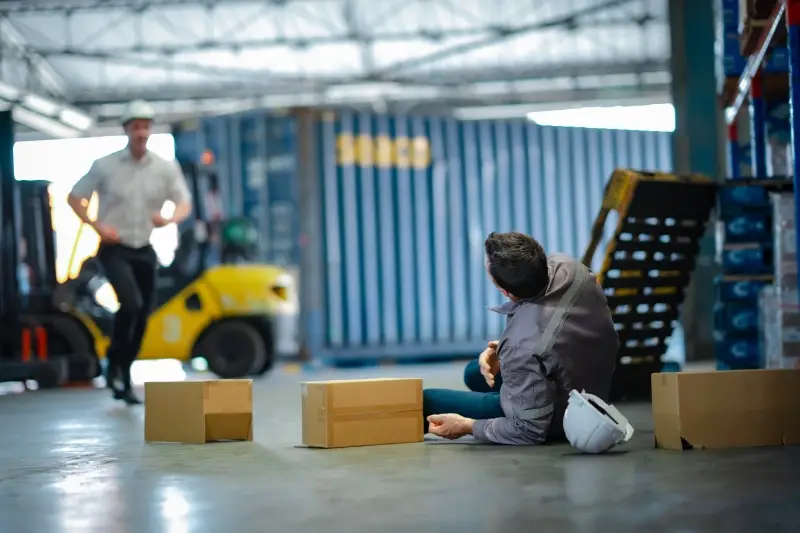
Warehouse work can be inherently dangerous. Receiving proper training and carefully following safety protocols can greatly reduce the risks warehouse workers face. However, accidents can still occur and being mindful of some of the greatest dangers can be helpful. If you are a warehouse worker, beware of three of the most common dangers workers face: 1. Slip, trips and falls There are a lot of moving parts on the floors of a warehouse. Forklifts can spill fuel or oil, shipping containers that contain liquids may leak and weather (such as rain or snow) could cause a warehouse floor to quickly become slick or icy. Slip-and-fall accidents because of a slick floor can cause serious injuries to a hapless worker’s spine and head. 2. Falling shipping containers If crates were incorrectly loaded or quickly moved during their delivery, then they could fall over onto unsuspecting workers. The weight of a shipping container could be enough to break bones, cause internal bleeding or even lead to amputations of crushed limbs. 3. Forklift accidents Many employees who work at warehouses go through little to no training before setting foot on a forklift. Inexperienced forklift users can be extremely dangerous behind the wheel. Not only can forklifts get into wrecks, but their pronged equipment can be lethal on the warehouse floor. If a forklift driver does not correctly angle their prongs before use, they could send the vehicle flipping. Reckless drivers could even impale these prongs into shipping containers, trucks or other employees. If you’ve suffered serious injuries that prevent you from continuing to work, you have every reason to expect workers’ compensation benefits to provide for your medical care and other costs while you are unable to work. If your workers’ compensation claim seems stalled or delayed in any way, don’t hesitate to seek legal assistance from an attorney whose practice has a concentration in Workers’ Compensation law.

Has your knee been injured in a work-related fall?

Has your knee been injured in a work-related fall?

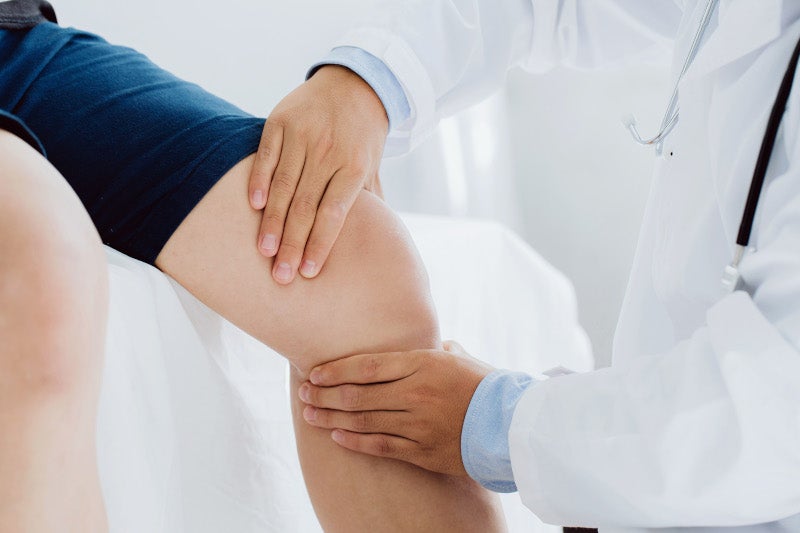
Unpredictability is one of the most dangerous things about falls. They can happen to anyone at any time, including in the workplace. Many times, you may be able to simply dust yourself off after a fall and get on with your day. Sadly, however, this is often not the case. Falls can be hard on your knees, and the resulting injuries can be serious. Outlined below are some of the more severe knee injuries associated with work-related falls. Damaged ligaments Torn ligaments are among the more serious and painful knee injuries that can result from a fall. The knee is comprised of four ligaments: the anterior cruciate ligament (ACL), the posterior cruciate ligament (PCL), the medial collateral ligament (MCL) and the lateral collateral ligament (LCL). Ligaments help the knee move forward and backward, as well as to rotate from side to side. Because each of these ligaments has a distinct function, damage to any of them can be painful and limit your mobility. Surgery and an extended period of recovery are often the only way to get better after ligament damage to avoid chronic pain issues. Dislocations During a fall, your knee may be manipulated and twisted into positions it is not designed to be in. This can result in a dislocation, which is very painful and can be difficult to treat. As a general rule, the sooner you seek medical treatment after this type of injury the better. Depending on whether or not there is nerve damage, you may require multiple surgeries before you can get back on your feet. If your knee has been injured in a fall at work, then you may be entitled to compensation for your pain and suffering. This won’t undo the damage, but it will help you to stay on top of your finances while you recover and are unable to work. Seeking legal guidance will offer you the best possible chance at obtaining a just outcome in your case.

Why two hand controls are safer when operating industrial machinery

Why two hand controls are safer when operating industrial machinery

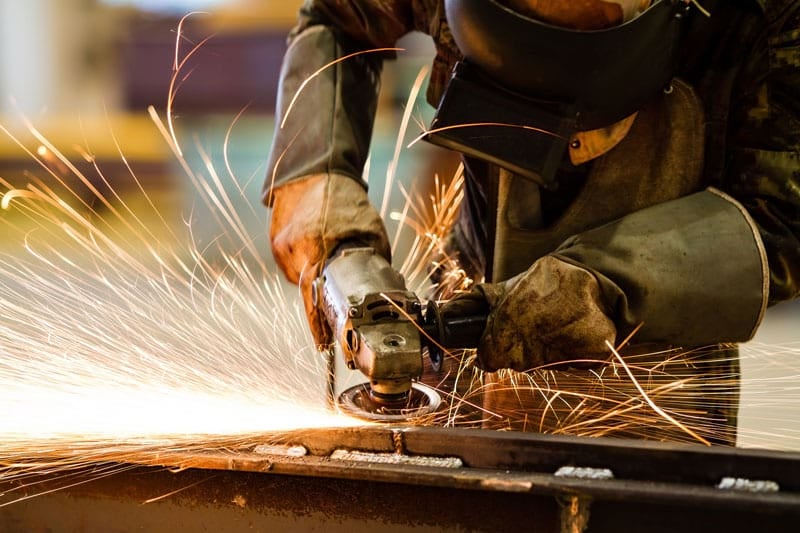
If you work with heavy pieces of machinery, such as a hydraulic press, you theoretically just need to push one button to start the machine. However, many manufacturers actually include two controls, which must be pressed simultaneously in order to activate the machine. This is not just done with hydraulic presses, but with many other types of heavy machinery. Why are these devices seemingly over-engineered by putting two controls that the operator must use at the same time? Preventing amputation injuries is the objective The main reason for the two-handed controls is that these prevent very serious injuries, including amputation or crush injuries. These were common when workers just had to push a single button because someone could absentmindedly leave their hand in the area where the machine would be working. For instance, a press could come down and crush the worker’s hand if it was sitting on the material’s surface. By forcing the workers to use both hands just to activate the machine, it guarantees that they can never do this accidentally. Workers may find this to be somewhat tedious. They may believe that it is overly complicated and makes it harder to do their job quickly – but it does work very well in preventing these significant injuries. Machines are designed specifically in a way that removes a lot of the risk. Risks are still present when working with heavy machinery Of course, nothing can ever remove all of the risks surrounding any industrial job. Any time that you work around heavy machinery, there is a chance that you could suffer serious injuries. If this does happen to you, make sure that you understand all of the legal options available to you to obtain the workers’ compensation benefits you and your family need while you recover.

A closer look at nail gun safety

A closer look at nail gun safety

Nail guns are a common sight in workshops and construction sites across Maryland. When used appropriately, they can increase productivity and efficiency at work. However, it is important to remember that nail guns are a powerful piece of equipment. According to the CDC, nail guns result in 37,000 emergency room visits annually and 68% of these visits involve workers. It only takes one small error or malfunction for something to go horribly wrong. Outlined below are a few examples of how nail gun accidents can occur. Faulty equipment Any tool that has the potential to be dangerous must be routinely maintained. Older equipment is more likely to malfunction. Usually, nail guns have safety mechanisms in place, such as guards. If these are bypassed or missing, then it makes an accident and injury much more likely. Underestimating the power Nail guns can penetrate all sorts of tough materials, especially wood. If a piece of wood is not very thick, it’s possible that the nail could penetrate all the way through to the other side, catching the nail gun operator off guard and posing injury risks. Nails can also ricochet when using the tool on certain surfaces like metal. When this happens, the nail essentially becomes a missile that can penetrate flesh and cause serious damage to the eyes. Preventing nail gun injuries Employers have a legal duty to ensure that workers are as safe as possible. This includes taking preventative measures like maintaining tools, providing appropriate safety gear and facilitating adequate training. Proper training is especially important, both for new and experienced workers. This can help workers understand the tool’s different triggers, how to hold and load the nail gun, what to do when it malfunctions and more. If you have suffered an injury on the job, then you may want to consider your options regarding workers’ compensation. An experienced attorney can help you understand your next steps.

Beware these forklift hazards

Beware these forklift hazards

Forklifts revolutionized warehouse and construction work. They improved efficiency and eased at least some of the physical duties of workers. Despite their many advantages, forklifts bring a lot of risks to both those operating them and those surrounding them. Driving forklifts comes with some dangers, as does merely being in the same space as them. Here are some key risks to be aware of: Poor or improper training According to OSHA, only trained and certified workers are able to operate a forklift. Untrained or poorly trained workers can pose a significant risk in the workplace. Speeding Any kind of reckless operation of the forklift can lead to danger and one of the biggest risks is speeding. Forklift operators must adhere to the proper speed limit of the machine and maintain constant vigilance of their surroundings. Blind spots Blind spots can pose a risk to forklift operators and those around them. Operators should always have clear visibility of the area around them. A clear understanding of the layout of the workplace is important, so operators must understand areas where visibility may be lower and extra caution is required. Tipping risk It is sometimes necessary to travel with a load high off the ground to move past an obstacle. If the ground is uneven or the operator turns or brakes too sharply, it could put the load off balance and tip the machine. Forklifts can also pose a tipping risk if the load is too heavy or unevenly balanced on the machine. Improper maintenance Lastly, ensuring the forklift is clean, properly maintained and in safe operating condition is critical. Any forklift found to be in poor condition should be removed from service and either repaired or replaced. If you are injured by a forklift, you could face considerable time off work and significant medical bills. Understanding how to claim workers’ compensation benefits will be crucial.

Negligence in industrial settings can result in wrongful death

Negligence in industrial settings can result in wrongful death

Industrial facilities can be noisy, dangerous places to work. Workers must be alert and cautious, and they should comply with safety regulations to avoid accidents. However, even the most cautious worker can be injured or killed in an industrial accident when other parties are negligent. One case involving a power plant worker serves as a tragic reminder of how badly things can go in these settings. Faulty relief valve causes fatal burns Reports on the accident detail a deadly event triggered by a faulty relief valve in a coal-fired power plant. Two workers went to investigate a loss of steam on one of three turbines that had recently undergone maintenance. They rode an elevator to the floor with the equipment, and when the doors opened, the two men suffered fatal burn injuries when superheated steam filled the elevator. An investigation connected to the incident indicated that a subcontractor had recently inspected the three steam turbines. A jury found that the subcontractor knew the valve was likely to fail but failed to take the necessary action to repair it or warn workers of the risks it presented. After the incident, family members of both workers filed a lawsuit against the subcontracting company. Recently, a jury found that the company was 90 percent at fault for the accident and awarded one man’s widow $222 million. Pursuing wrongful death claims The size of the award in this case is not necessarily representative of what people typically collect in an industrial accident or wrongful death claim. However, family members can be in a position to receive compensation for a fatal accident caused by negligence of a third-party on the job. This money can cover financial losses, emotional distress and other damages a victim and their family experience. Of course, money and lawsuits will not bring a loved one back or excuse negligence. But, it can be a means of helping people recover and seek the justice they deserve. Accidents on the job, caused by a subcontractor or someone other than coworker, create a complicated legal situation. While the injured worker may have a claim against the at-fault party, there is likely a companion worker’s compensation claim. If a person finds themselves in such a situation, it is wise to discuss such circumstances with an experienced firm that understands the interaction of the two claims.

Is there a risk of dust explosion at your job?

Is there a risk of dust explosion at your job?

Explosions in the workplace can be catastrophic for workers. They can cause disfiguring scars, traumatic brain injuries, lung damage and fatal injuries. Thus, every precaution should be in place to protect them. Unfortunately, accidents causing an explosion still happen when the right elements are in place. When it comes to dust explosions on the job, you may not even realize they are in place. Components of a dust explosion The following elements are necessary for a combustible dust explosion to occur: Oxygen Heat Dust (the fuel) Dispersion of dust Enclosed spaces When these components combine, an explosion can occur. In some cases, these trigger additional explosions that prove to be far worse than the initial event. Therefore, to reduce or eliminate the risk of a combustible dust explosion, at least one of these components must be prevented. Workers can utilize filters and vacuums to clear away the dust before it accumulates. They can strictly comply with regulations for safe venting, electrical wiring and open flame mitigation. The more precautions a person takes to prevent these explosions, the more effective their efforts can be. However, having just one or two control methods can still put workers in danger if they fail. Industries at risk Not every job is going to put workers in danger of a combustible dust explosion. Generally, the industries where these devastating accidents occurring include: Agriculture Manufacturing Food facilities Recycling Pharmaceuticals Metal processing Fossil fuel generation These industries are more likely to be environments where the five components necessary for a dust explosion are present. Administrative, operational and engineering controls can effectively reduce the risk of these disastrous events. But too often, employers and workers are unaware that these measures are even necessary. Fires and explosions are among the most severe events that threaten Maryland workers. Every business should take these risks seriously and do their part to prevent them and protect employees.

Common industrial accidents: Deadly and devastating

Common industrial accidents: Deadly and devastating

Working in an industrial setting exposes people to countless hazards. The nature of the industry means that employees are often working with powerful machines or in environments where they could fall or be struck by falling objects. Whether you or a loved one works in transporting materials, manufacturing or warehouse storage, you should be aware of some of the most common – and sadly, deadly – accidents that can occur in this line of work. Types of industrial accidents Industrial accidents can include: Slipping or tripping Electrical or chemical burns Being crushed by or in between something Being struck by falling objects Getting stuck in machinery Toxic exposure The causes of industrial accidents typically involve one of four elements: individual mistakes, mechanical failures, failed oversight and environmental hazards. Individual missteps can mean failing to wear protective gear to using improper techniques for lifting or moving heavy objects. These are often isolated incidences. Mechanical failures often include broken equipment or defective parts that cause machinery to malfunction. This can happen when parties do not adequately repair or maintain machines or when the designer or manufacturer has produced an unsafe product. Inadequate supervision or oversight in the industrial setting can result in employers hiring untrained workers or negligent owners who fail to comply with state and federal regulations to protect employees on the job. Often, this type of neglect occurs when employers or managers attempt to cut corners to save money. Environmental hazards for industrial workers might involve toxic exposure to harmful chemicals or work in areas with excessive noise or extreme temperatures. These hazards can be unavoidable in certain settings, but workers should have proper training and protection to keep them safe. The high stakes of industrial accidents Preventing these and other devastating industrial accidents is crucial, as the consequences for not doing so can be catastrophic. Workers can suffer amputation, disfiguring burns and even death in an accident. Often, industrial workers who get hurt on the job face expensive medical care and a lengthy recovery process. They may suffer disabling injuries that can prevent them from performing tasks as they normally would. Personal relationships can also suffer in the aftermath of a severe injury. Whichever cause indicated above results in an injury on the job, workers in Maryland remained insured and covered. Although some employers and insurers may deny claims for a variety of reasons, so long as the accident arises out of and in the course of employment the claim should be compensable. Should a person be injured on the job, it is always beneficial to seek experienced counsel to ensure their rights are protected.

Preventable tragedies can occur when workplaces are unsafe

Preventable tragedies can occur when workplaces are unsafe

When workplace accidents result in severe, life-changing injuries, people often want to know if someone could have prevented them. The unfortunate truth is that many work-related injuries are preventable with safety protocols, proper training and the use of protective equipment. But when these measures are not in place, the result could be catastrophic for workers. Multiple violations take a devastating toll on worker For instance, an employee at an agricultural processing plant suffered lacerations and partial leg amputation when he got stuck in a grain bin auger. Grain bin accidents are a real threat to agricultural workers. Sadly, they often result in tragic injuries or death. Making matters worse is the fact that many accidents involving workers in or around grain bins are preventable. In this case, the Occupational Safety and Health Administration cited the processing company for seven willful violations after the accident. The company failed to train workers properly, secure the space and comply with machine safety regulations. While reports note that the company understands where it failed and is taking steps to improve safety, seven previous inspections resulted in similar violations and fines. Thus, it will be interesting to see if this case sparks actual action to prevent future incidents. Workers pay the price for failed safety compliance Employers must take seriously their responsibility to train workers properly and keep work spaces safe. They must also supervise employees to be sure they comply with safety practices. When employers or others fail to take these steps, their negligence can result in a preventable accident. And it is often the workers who suffer the consequences in the form of an injury. Therefore, workers must take their own and co-workers safety seriously to help prevent injury, even if their employer does not act in their best interest. That said, Maryland law does not require an employer acted negligently for a worker to be covered under the Maryland Workers’ Compensation Act.  When a person is injured on the job, whether it clearly be the fault of an employer not properly ensuring a safe working environment, or just an unexpected situation that led to an injury, workers should contact counsel to know and protect their rights.

How dangerous are vibration hazards in the workplace?

How dangerous are vibration hazards in the workplace?

Vibration hazards are frequent issues in the workplace. Workers grow accustomed to these hazards, even if it causes them to feel uncomfortable for a while after they leave the worksite. However, this discomfort could be a greater risk to industrial workers than they believe. Does vibration exposure really cause injury? Exposure to vibration is a risk in many industries, especially: Construction, from working with heavy machinery and power tools Manufacturing, also from operating power tools and machinery Transportation, from driving long distances in a vibrating vehicle However, most workers in these fields do not consider vibration a risk in their job, especially in comparison with the other imminent hazards they face regularly. It is true that exposure to vibration is not the greatest risk of injury that industrial workers face, but it is a cause of injury that can affect workers long-term. What is the risk? There are generally two conditions that can result from long-term exposure to vibration: whole-body vibration and hand-arm vibration syndrome. Hand-arm vibration syndrome often stems from operating power tools and can lead to: Weakened hand muscles Nerve damage Blood vessel collapses and damage Raynaud’s syndrome Depending on the duration of exposure, workers could also suffer serious pain or injuries to their backs. There are ways to mitigate the risk. There are methods to dampen vibrations, and maintaining machines and tools properly can keep vibrations under control. But according to Safety + Health Magazine, the Occupational Safety and Health Administration (OSHA) does not strictly enforce standards limiting workers’ exposure to vibrations. Maryland workers suffering injuries from these conditions can seek workers’ compensation benefits, but they must make sure they understand the hazards they face – including those that are commonly overlooked.

New emphasis on loading dock safety

New emphasis on loading dock safety

The loading dock is often the busiest place in many industrial plants and warehouses. With deliveries coming in and workers all about, it can quickly become very hectic. Unfortunately, such a hectic atmosphere often creates dangerous circumstances that increase the risk of industrial accidents. Loading dock accidents happen too often It makes sense that the center of the action in these workplaces also carries a higher chance of injuries, but that does not mean workers should be any less cautious. It is easy to focus less on safety when workers grow accustomed to the job, but loading dock workers must always be on their guard. According to a 2017 report from Industrial Safety & Hygiene News (ISHN), 25% of industrial accidents happen at the loading dock. In particular, loading dock workers face a significant risk of injury from: Forklift accidents Collisions Slips and falls Even carbon monoxide poisoning The injuries resulting from struck-by accidents or falls can often be serious, leading to several days away from work and a long recovery. How can workers stay safe? Recent reports indicate that there is a renewed focus on safety measures at the loading dock to prevent serious accidents, such as: Revamping training to improve safety Finding ways to increase visibility Adding safety technology to the loading dock Adjusting workplace safety standards On top of these much-needed safety measures, workers must make sure they are putting safety first every day on the loading dock. Each day, workers should take time to inspect the loading dock according to their employer’s safety checklist. Even so, workers cannot control all aspects of the workplace. That is why it is essential to increase their awareness.

Contact Us

Fill out this form below and we'll contact you shortly
*Required Fields