Blog / Car Accidents

Blog

All Car Accidents Workers' Compensation Workplace Accidents Workplace Injuries Construction Workers' Accidents Medical Malpractice Industrial Workers' Injuries Product Liability Personal Injury Truck Accidents Firm News Wrongful Death Uncategorized
Drug use can complicate workers’ comp claims

Drug use can complicate workers’ comp claims

Drug use in the workplace can inspire serious consequences for both workers who are trying to avoid occupational harm and for some who have already suffered due to work-related circumstances. For example, in Maryland, workers who are injured on the job are generally entitled to benefits regardless of fault. However, if drug use played a role in causing their work-related harm, those benefits can be denied or significantly reduced. Proving—or disproving—that connection often becomes a central issue in workplace injury cases involving positive drug tests. Workers’ comp is a no-fault system… most of the time Under Maryland law, employers or their insurers can argue that intoxication or drug impairment was the primary cause of an accident. If successful, this defense can prevent an injured worker from receiving compensation for medical care, lost wages or disability. The key question is causation: Did the drug use directly contribute to the injury, or did the accident occur independently of any impairment? For example, a worker who tests positive for an illegal substance after being struck by falling equipment may still be eligible for benefits if their impairment had no role in the incident at issue. Recent research underscores how pervasive workplace drug use has become in recent years. For example, a recent survey published by the National Safety Council indicates that one-third of American workers have witnessed the use of cannabis by others during work hours. Additionally, “More than half of employers that eliminated THC testing reported an increase in incidents or workplace performance concerns.” This trend suggests that many workers use marijuana while on the clock, potentially due to stress, chronic pain or “simply” accessibility. Marijuana use can cause drowsiness, confusion, apathy and slowed reaction times—all of which heighten the risk of workplace accidents. Even so, a positive drug test does not automatically disqualify a worker from receiving benefits. The Maryland Workers’ Compensation Commission requires evidence that the intoxication directly caused the injury at issue in a workers’ claim. A skilled legal team can help affected workers – who are obviously not alone, given the widespread nature of drug use in the workplace – to make their case as successfully as possible. Employers and insurers often use drug test results to limit liability, but workers still have rights. Anyone facing a disputed claim due to alleged drug use is generally wise to seek immediate legal guidance accordingly.
People with pain before a crash may experience injury aggravation

People with pain before a crash may experience injury aggravation

People involved in car crashes don’t always notice their injuries immediately. They may already have significant pain symptoms due to an issue with their shoulder or their hip that they have had for years. As such, the pain they feel immediately after a car crash may not seem much different than their status quo. However, as time passes, it may become quite obvious that the car crash worsened a pre-existing injury. Chronic medical conditions and persistent injuries are relatively common. Federal researchers estimate that roughly one in two adults in the United States has a pre-existing medical condition, many of which are functionally-limiting injuries. Do people with an injury that existed before a car crash have the right to request compensation if the collision worsened their symptoms? 1. If a crash worsens an injury, a claim is possible It is possible for those with a physical injury worsened by a motor vehicle collision to hold the driver at fault accountable for their new or more severe symptoms. The claims process is roughly the same, although the amount and type of evidence required is a bit different when seeking compensation for the aggravation of a pre-existing injury. Generally speaking, the party making the claim needs medical documentation regarding the severity of the injury and any treatment they underwent before to control or address their symptoms. Medical records regarding their treatment and symptoms after the crash can help demonstrate that the collision worsened a pre-existing condition. Details about the timeline for their recovery, their long-term prognosis and even their work restrictions can help people prove that a collision worsened a pre-existing medical condition. They may need help evaluating the increased care costs and lost earning potential generated by their aggravated injury. 2. Acting promptly is necessary An injury claim related to the aggravation of a pre-existing problem is subject to the same Maryland statutes as any other personal injury lawsuit. The injured party has three years from the date of the crash to initiate litigation in most cases. It is also critical that those with aggravated injuries undergo professional medical evaluations, possibly including imaging tests, as soon as possible. If a car crash made a back injury or similar pre-existing medical issue worse, the injured party may have grounds for a compensation claim on the basis of the aggravation of a pre-existing condition. Those in need of compensation and facing a complex claim after a car crash can call the team at Cohen, Snyder & Eisenberg, P.A. for support. Our team provides free consultations and answers the phone 24/7. Click here or call 1-800-INJURED (1-800-465-8733) to discuss how a collision worsened a pre-existing injury.

Responding when a car crash causes moderate injuries

Responding when a car crash causes moderate injuries

People typically understand that they need to take action after severe car crashes. When someone ends up in a coma or dies because of the collision, insurance often isn’t sufficient. In cases where a collision is minor and produces only property damage or minimal injuries, a simple insurance claim could suffice. Many crashes leave people with moderate injuries. Moderate injuries require medical attention but may result in a full recovery with the right care. Whiplash, internal bleeding, concussions and even disfiguring wounds on the face are all examples of moderate injuries. They can generate significant medical expenses and impact an individual’s income, but they are likely to resolve with care. Those with moderate car crash injuries may need help as they seek compensation for their losses. What steps do people need to take to address moderate collision injuries? 1. Documenting the situation carefully Ideally, anyone involved in a car crash makes an effort to document the scene as accurately as possible. Gathering proof of what happened before and during the crash can be critical to establishing fault later. Maryland has a strict contributory negligence rule. Accusations of having partial fault could prevent a plaintiff from pursuing a lawsuit. Therefore, the preservation of the scene by taking photos and the collection of witness information are of the utmost importance for the pursuit of compensation later. 2. Seek medical care Moderate injuries aren’t life-threatening or permanent, but they can be costly. People need to see a doctor as soon as possible to diagnose their whiplash or other injuries. They can also develop a treatment plan and estimate the costs of addressing their injuries. A medical report from the same day as the crash helps connect the condition to the collision and validate claims that the other driver should cover medical expenses and lost wages. 3. Consult with an attorney As soon as possible after a crash, an injured person likely needs to discuss the situation with a legal professional. They usually only have three years in which to take legal action. Attorneys can help make sense of insurance coverage. They can let an injured person know if they are likely eligible for a personal injury lawsuit. They can help communicate with outside parties and manage the legal process on behalf of the injured person. Attorneys can also prove invaluable when negotiating with insurance providers. Taking the right steps immediately after a crash can make all the difference for those with moderate collision injuries. Reaching out to the team at Cohen, Snyder & Eisenberg, P.A. for a no-cost review can help people understand their options after a car crash.

What rights do people have after a drunk driving crash?

What rights do people have after a drunk driving crash?

When a drunk driver causes a crash, fault for the collision is typically clear. Driving under the influence (DUI) offenses are crimes, and the drunk driver could very well end up facing criminal charges because of the choices that they made. The people affected by drunk driving collisions often have questions about their rights afterward. Those who have experienced drunk driving collisions may benefit from reviewing the answers to common questions below, in anticipation of speaking with a skilled legal team. Does prosecution affect compensation? State prosecutors can bring DUI charges against those accused of impaired driving. A DUI charge is separate from any request for compensation brought by the people affected by the collision. Some people mistakenly believe that a DUI conviction could prevent them from filing a personal injury lawsuit. However, double jeopardy protections only apply to prosecution by the state, not civil litigation. The people affected by a drunk driver have the right to file a lawsuit even if the state has prosecuted the driver already. In fact, a conviction for a DUI offense can strengthen the legal case of the plaintiff. Is insurance adequate? People sometimes assume that an insurance claim can cover their losses after a drunk driving crash. However, state statutes only require $30,000 in bodily injury liability protection if the crash harms one person or $60,000 coverage if two or more people sustain injuries. Plaintiffs have the right to request compensation for their current and future medical expenses. They can also request compensation for lost wages and diminished earning potential. In fact, people may have the option of requesting compensation for their pain and suffering if they take the matter to court instead of simply settling an insurance claim. Drunk drivers may lack the insurance coverage necessary to adequately compensate the people they harm. Successfully litigating is often the most effective means of obtaining compensation after a drunk driving collision. Those harmed by intoxicated motorists typically require assistance as they navigate the civil courts. Partnering with the team at Cohen, Snyder & Eisenberg, P.A. can help people pursue justice when intoxicated drivers cause major collisions. People who have support from a local law firm with experience managing insurance claims and litigation can focus on addressing the personal fallout of a serious wreck instead of fighting on their own in pursuit of reasonable compensation. Those dealing with the aftermath of a recent collision can get insight into their options by discussing the crash with the team at Cohen, Snyder & Eisenberg, P.A. by clicking here or calling 1-800-INJURED.

Effective ways to keep your teen from texting and driving

Effective ways to keep your teen from texting and driving

Texting and driving is one of the most dangerous moves that young drivers can make. Teens are particularly vulnerable to the temptation of checking their phones behind the wheel. While teens are not always inclined to listen to their parents, parents do play a surprisingly influential role in shaping their kids’ safe – and unsafe – driving behaviors. Creating an effective family policy against texting and driving can make a real difference. By combining clear rules with creative strategies, parents can help their teens stay focused on the road and reduce the risk of their involvement in a serious crash. Informed and innovative approaches can make a difference One of the most effective steps that parents can take involves setting a strong example. Teens are usually quick to notice whether parents practice what they preach. If a parent checks their phone at a red light or sends a quick text while driving, it sends the message that the rule is flexible. Modeling consistent safe behavior, such as putting one’s phone away before starting the car, reinforces the seriousness of a family’s “no texting behind the wheel” policy. Technology can also be used to support safe driving. Many apps and phone settings now allow parents to block incoming texts or silence notifications while a car is in motion. Some even send automatic replies letting others know that a driver is unavailable. Encouraging or requiring teens to use these tools not only helps prevent distraction but also shows them that avoiding temptation is a normal and responsible choice. Creative incentives can also make a family policy more engaging. Families can set up a reward system wherein teens earn privileges or small rewards for demonstrating safe driving habits over time. On the other side, enforcing clear consequences for breaking the rule should also be part of the plan. Teens need to understand that texting while driving is not only against family rules but that risks come with real-life consequences, such as fines, license points and the potential for serious accidents. Finally, parents can encourage alternatives to texting in motion. Remind teens to pull over safely if they need to send a message or call. Teaching them that it is acceptable to stop and take a moment for safety can help them feel less pressure to multitask behind the wheel. With consistent effort, parents can work to instill habits that keep their teens safer and make the roads safer for everyone.

What Maryland families need to know about injurious DUI crashes

What Maryland families need to know about injurious DUI crashes

People who have too much to drink before driving break the law when they get behind the wheel. If they get caught, the state may prosecute them for a driving under the influence (DUI) offense. In some cases, intoxicated drivers get arrested because they cause collisions while under the influence. Frequently, drunk drivers walk away from the crashes they cause with minimal injuries compared to the people in the other vehicle. Intoxication may prevent people from tensing up prior to a crash, which influences the severity of the injuries that they sustain. The sober people in the other vehicle may not be as fortunate. They could break bones, sustain spinal cord injuries or hurt their brains. Families affected by drunk driving collisions may have tens of thousands of dollars or more in expenses to address. They need to understand their rights and may require support while responding to the situation. Drunk drivers are typically liable after crashes Given that people know they shouldn’t drive after drinking, those who choose to do so usually have to accept legal and financial responsibility for their choices. The people affected by drunk driving crashes usually have the option of filing an insurance claim. However, drivers with policies that barely meet legal requirements may have $30,000 of coverage available if they hurt one person or $60,000 in bodily injury coverage per collision where multiple people get hurt. That mediocre coverage is far from adequate when considering the combination of medical expenses and lost wages a drunk driving crash could cause. Frequently, families need to pursue civil litigation against drunk drivers. Doing so is typically an option regardless of whether the state successfully prosecutes the drunk driver or not. Injuries have lasting consequences Drunk driving incidents can cause a variety of challenges for families. The people involved in the incident may have physical injuries and mental trauma that they need to treat. They may have lost wages because they cannot work while recovering or reduced long-term earning potential if their injuries cause lasting functional limitations. The home where they live and the vehicles that they drive may require costly modifications to make them accessible. Their loved ones may need to take over the household tasks they previously performed. Families often need help accurately quantifying the economic impact of a drunk driving crash, negotiating with insurance and then developing a personal injury lawsuit to seek reimbursement for any losses beyond what insurance covers. The team at Cohen, Snyder & Eisenberg, P.A. helps support those who want to take legal action after a drunk driving crash. Our team offers free initial consultations with compassionate legal professionals who care about the outcome of their cases. Reaching out to our team could be the first step toward justice and compensation.

Why a split-second distraction can wreck your teen’s drive

Why a split-second distraction can wreck your teen’s drive

Your teen faces serious risks while driving on Maryland roads, including crashes, injuries and legal trouble. Even a momentary loss of focus—such as a message alert or a talkative passenger—can trigger a rear-end crash or a sudden swerve. As a parent, you likely worry not just about their phone use but also whether they will make it home safely. You want to feel confident when your child takes the wheel, but that hope often competes with fear. Speeding, ignoring signs or making impulsive moves are common for new drivers, especially when under pressure or distracted. What causes distraction behind the wheel Phones and peer pressure are not the only distractions. Everyday habits can quietly pull your teen’s attention away from the road. These include: Eating or sipping beverages while steering Watching navigation apps longer than needed Skimming through music or app menus Bending down to grab items underfoot Noticing people or roadside activity outside the car Showing off by changing lanes fast or accelerating quickly These actions may appear harmless, but they can delay your teen’s ability to react. On a busy road or near a school zone, even a moment’s hesitation can mean hitting the brakes too late—or not at all. How you can help your child stay focused Distractions will always exist. However, the way you guide your child can shape how they handle unexpected situations on the road. Do not wait for a narrow escape to prompt change—take the lead now. Set firm expectations before they drive. Make sure they understand how even minor lapses in focus can result in serious harm, including vehicle crashes, injury or legal consequences such as license suspension. To make these lessons stick, use real-life accidents. Discuss what your teen does well and where they struggle. If they feel overwhelmed by driving, encourage them to say so without fear of judgment. Open conversations help build their confidence and keep them more alert. Over time, your involvement may help them avoid injury, stay ticket-free and drive with confidence.

When is the risk of a drunk driving crash highest?

When is the risk of a drunk driving crash highest?

Motor vehicle collisions occur for all different reasons. Sometimes, drivers are too tired to drive safely. Other times, they become distracted by their mobile devices and cause preventable collisions. Drunk driving is also a top cause of preventable, serious collisions. People may underestimate how much they’ve had to drink or overestimate their driving capabilities. They decide to drive home after drinking and put others at risk as a result. Impaired motorists make inappropriate decisions in traffic, have longer reaction times and may struggle to maintain control of their vehicles for optimal safety. People can potentially encounter drunk drivers at any time and on any road. However, when looking at drunk driving statistics, there are certain patterns that become apparent. The risk of a drunk driving crash is noticeably higher at certain times as opposed to others. When are motorists the most likely to encounter drunk drivers who could cause collisions? Around holidays, especially in the summer Researchers have long noted a correlation between major federal holidays and an increase in drunk driving collisions. People with time off of work may overindulge. Many holiday celebration traditions involve alcohol, which also increases the risk of a wreck. The summer months see slightly more drunk driving crashes, especially around the holidays. The Fourth of July is consistently one of the most dangerous days for drunk driving. Memorial Day, Labor Day and even Juneteenth may also see many people drinking at parties and then trying to drive home. Late at night Data about the timing of drunk driving crashes also shows that late-night collisions are the biggest concern. Technically, drunk drivers could be out on the road at any time, including at 9:00 in the morning if they work a third-shift job. However, most drunk drivers are on their way home from a bar or party when they cause collisions. As such, the hours between midnight and 3:00 a.m. tend to be when crash risk is highest. People who have to be on the road during times when there might be more drunk drivers present may need to watch their surroundings more carefully. Those involved in drunk driving collisions may need support as they pursue compensation. Insurance claims and lawsuits are often necessary for people trying to recover the expenses generated by drunk driving crashes.

What to do after a car accident in Maryland: A step-by-step guide

What to do after a car accident in Maryland: A step-by-step guide

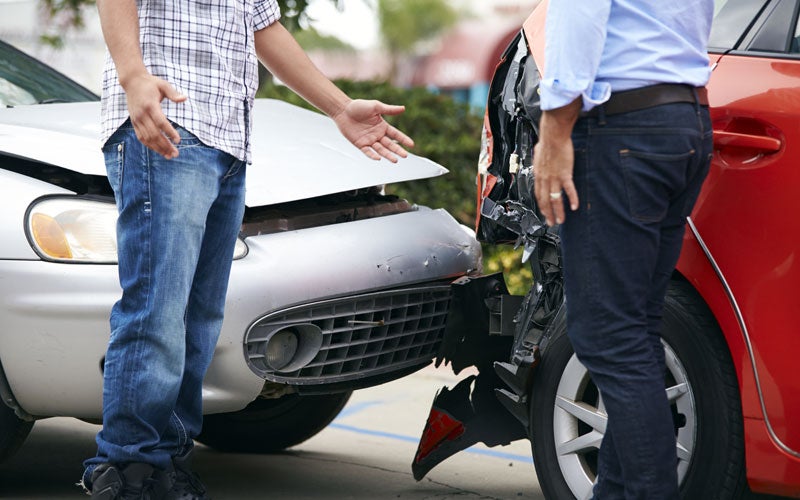
The aftermath of a car crash can be a blur. Even if no one is seriously injured, you may find it difficult to focus on what needs to be done in the wake of an accident. As a result, it doesn’t hurt to have an app or even a checklist on your phone or in your glove compartment for quick reference. This can help ensure that you don’t forget anything. Get the other driver’s information If no one needs immediate medical attention, it’s important to exchange information with any other drivers involved. Get their name, address, insurer and policy number and vehicle information, including the license plate number. It’s also smart to take photos or video of the scene and the vehicles involved (both damaged and undamaged areas). Be careful what you say Keep your words to a minimum. Don’t apologize or admit any kind of fault, even if the other driver yells at you. Anything you say could potentially be used to hold you responsible for the crash, even if you aren’t at fault. Call the police It’s generally advisable to call 911 to get law enforcement to the scene to make a report, even if no one is seriously injured or there’s no sign of impaired driving and you’re able to get your vehicles out of traffic. This will help if you’re dealing with a driver who proves to be reluctant to provide necessary information. And, a police report will be important for your insurance claim(s). Get a medical evaluation as soon as possible If you aren’t transported to the hospital from the scene and even if you don’t think you’re seriously injured, it’s important to see a doctor as soon as possible. They may do some testing for internal injuries or a traumatic brain injury. It’s important for a doctor to document any injuries and symptoms you’re experiencing so that they’re linked to the crash, and any medical bills can be accounted for in your claim. Be careful when dealing with other parties While it’s important to report the accident to your insurer as soon as possible, be cautious about talking to another driver’s insurer or the other driver if they contact you. In the event that a crash occurs, don’t navigate the aftermath of an accident alone. Get legal guidance from experienced attorneys. Contact Cohen, Snyder & Eisenberg today to learn about how we can help.

What Maryland drivers need to know about road rage

What Maryland drivers need to know about road rage

There are many choices and behaviors that could result in motor vehicle collisions. Difficulty controlling emotional reactions can play a role in an individual’s crash risk. Those who succumb to their intense emotions while driving can make impulsive decisions that have long-term consequences. According to researchers looking at traffic behaviors, the number of reported road rage incidents in recent years has increased significantly. Maryland has seen quite a few incidents that have resulted in collisions and even in armed confrontations. Drivers need to be ready to protect themselves and their passengers if someone else displays irrational behavior in traffic. How road rage causes injuries There are two main mechanisms through which road rage can cause injury to people. The first is through preventable collisions. When a driver loses their temper in traffic, their conduct can increase crash risk. Road rage drivers may cut others off in traffic and slam on their brakes. They may swerve into other lanes of traffic to frighten people. They can cause dangerous distractions by honking, screaming at people and trying to maintain their attention. Road rage drivers can also injure people by following others to their destination and initiating a confrontation that culminates in an assault or worse. How should drivers respond to road rage? Generally speaking, there are two ways to reduce risk in a road rage scenario. The first involves ignoring the other driver. By failing to feed into their anger, a motorist targeted by a road rage driver could keep the situation from escalating. The second option is to reroute to avoid the road rage driver. Road rage incidents frequently occur on high-speed streets, such as interstates. By exiting and taking an alternate route to a destination, motorists may be able to avoid ongoing misconduct and could reduce their risk of an in-person confrontation. In scenarios where a road rage driver seems intent on following another motorist, it may be necessary to contact law enforcement or drive to a public location, like a grocery store. The presence of other people could limit the misconduct of the motorist experiencing road rage. If a road rage incident results in a car crash or other injuries, the person targeted by the road rage driver may need to take action. Call the police immediately to report the crash.  Filing an insurance claim or even a lawsuit can help hold a motorist with road rage accountable for their bad behavior. Depending on the situation, follow-up in a criminal action with the State’s Attorney may be necessary to obtain Court ordered restitution.

How does uninsured/underinsured motorist coverage work?

How does uninsured/underinsured motorist coverage work?

Most car crash insurance claims involve standard liability coverage. State law requires that every driver carry minimum amounts of liability insurance coverage. Proof of coverage is necessary to register a vehicle, but not everyone remains compliant with the law. Drivers forget to pay their premiums or choose to cancel their policies. As a result, some people end up in collisions caused by drivers who cannot provide them with the appropriate insurance coverage. In such scenarios, drivers may need to rely on uninsured motorist protection. Those facing catastrophic injuries or dealing with the aftermath of a fatal collision may require the support of underinsured motorist coverage. How does uninsured and underinsured motorist coverage function after a car crash? Drivers rely on their own policies State law only requires liability coverage for injuries and property damage. It also requires uninsured/underinsured motorist coverage for at least the same amount as liability coverage, which currently is $30,000.00, in Maryland. If a driver is at fault for a crash, their liability coverage helps pay for the expenses and injuries of the other people involved in the incident. If an accident you are in is caused by an uninsured driver then your claim for damages is against your own insurance company under your uninsured motorist coverage. Many drivers carry more liability coverage than the state requires. In scenarios where the driver at fault for a crash lacks an appropriate policy or has insufficient coverage, the people affected by the crash can file a claim against their own coverage to recoup their losses. Uninsured and underinsured motorist protection helps reduce the inherent risk of traveling in a motor vehicle and reliance on other people to make appropriate insurance coverage decisions. As is the case with liability insurance claims, uninsured and underinsured motorist claims are subject to the policy limits set by the policyholder. However, the policyholder may need to negotiate assertively with their own insurance company to obtain adequate compensation after a crash with a driver who lacks insurance or who has a bare-bones policy that is insufficient to cover your damages. Seeking legal guidance when a car crash produces major expenses and injuries  is often necessary due to the  complex claims process. Drivers who have assistance when dealing with uninsured/underinsured  motorist coverage claims can often focus more on addressing vehicle repairs and their medical recovery instead of the fight with their own insurance company as to what is fair compensation for their injuries and damages.

Maryland guide to winter driving safety

Maryland guide to winter driving safety

The changing seasons bring a variety of safety concerns, including unique road conditions. Maryland winters can be relatively harsh. Inches of snow can accumulate overnight, and people can encounter black ice on streets that might initially seem safe and dry. Drivers need to be ready to handle the unique road conditions present during the winter months in Maryland. What safety tips can help Maryland motorists reach their destination this winter? Adjust driving habits Winter weather conditions can cause ice on the road or blowing snow that causes whiteouts. Best practices include avoiding driving during times of inclement weather, including heavy sleet and rough winds. When drivers do have to be out on the roads in bad conditions, they typically need to make some adjustments to how they behave. The two most important adjustments are to lower overall speed and to increase following distances. People may need to leave earlier to allow more time to travel. Leaving more space between vehicles and driving at a slower rate makes it easier to stop and respond to unexpected traffic situations. Drivers may also need to be more defensive and aware of others to avoid those who lose control or who don’t slow down as they should. The state recognizes these traffic hazards and recommends adjusting driving behavior accordingly. If motorists cause crashes by driving as though the weather were normal, the state could theoretically hold them accountable for that decision by citing them. Failing to slow down and make other driving adjustments in inclement winter weather could constitute negligence. Keep the vehicle well-maintained Proper vehicle maintenance is crucial for safety during winter weather. Drivers need good tread on their tires and windshield wipers that can clear falling snow and ice so that they can see.  Drivers may also want to carry winter safety kits that include warm clothes, flares and equipment to help them if they end up stranded on the side of the road. Being ready for winter driving hazards can help people avoid car crashes related to the weather. Drivers who can’t avoid collisions due to the mistakes of others may need help holding those outside parties accountable for the losses caused by a crash. Involved in a winter driving accident? Contact Cohen, Snyder & Eisenberg for a free consultation.

Contact Us

Fill out this form below and we'll contact you shortly
*Required Fields