Blog / Medical Malpractice

Blog

All Medical Malpractice Workers' Compensation Car Accidents Workplace Accidents Workplace Injuries Construction Workers' Accidents Industrial Workers' Injuries Product Liability Personal Injury Truck Accidents Firm News Wrongful Death Uncategorized
Drug use can complicate workers’ comp claims

Drug use can complicate workers’ comp claims

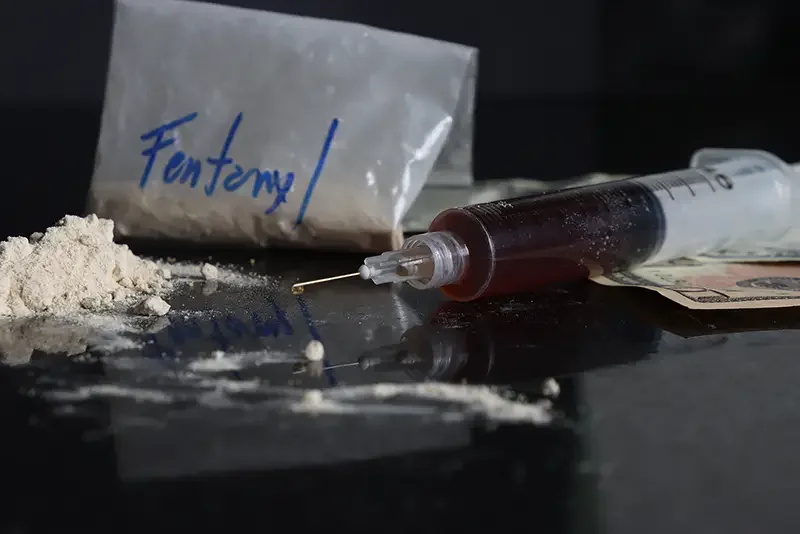
Drug use in the workplace can inspire serious consequences for both workers who are trying to avoid occupational harm and for some who have already suffered due to work-related circumstances. For example, in Maryland, workers who are injured on the job are generally entitled to benefits regardless of fault. However, if drug use played a role in causing their work-related harm, those benefits can be denied or significantly reduced. Proving—or disproving—that connection often becomes a central issue in workplace injury cases involving positive drug tests. Workers’ comp is a no-fault system… most of the time Under Maryland law, employers or their insurers can argue that intoxication or drug impairment was the primary cause of an accident. If successful, this defense can prevent an injured worker from receiving compensation for medical care, lost wages or disability. The key question is causation: Did the drug use directly contribute to the injury, or did the accident occur independently of any impairment? For example, a worker who tests positive for an illegal substance after being struck by falling equipment may still be eligible for benefits if their impairment had no role in the incident at issue. Recent research underscores how pervasive workplace drug use has become in recent years. For example, a recent survey published by the National Safety Council indicates that one-third of American workers have witnessed the use of cannabis by others during work hours. Additionally, “More than half of employers that eliminated THC testing reported an increase in incidents or workplace performance concerns.” This trend suggests that many workers use marijuana while on the clock, potentially due to stress, chronic pain or “simply” accessibility. Marijuana use can cause drowsiness, confusion, apathy and slowed reaction times—all of which heighten the risk of workplace accidents. Even so, a positive drug test does not automatically disqualify a worker from receiving benefits. The Maryland Workers’ Compensation Commission requires evidence that the intoxication directly caused the injury at issue in a workers’ claim. A skilled legal team can help affected workers – who are obviously not alone, given the widespread nature of drug use in the workplace – to make their case as successfully as possible. Employers and insurers often use drug test results to limit liability, but workers still have rights. Anyone facing a disputed claim due to alleged drug use is generally wise to seek immediate legal guidance accordingly.
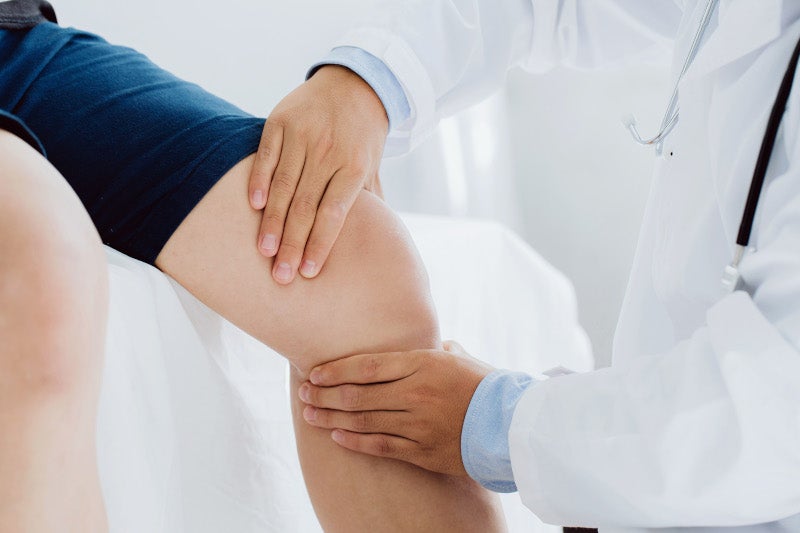
Has your knee been injured in a work-related fall?

Has your knee been injured in a work-related fall?

Unpredictability is one of the most dangerous things about falls. They can happen to anyone at any time, including in the workplace. Many times, you may be able to simply dust yourself off after a fall and get on with your day. Sadly, however, this is often not the case. Falls can be hard on your knees, and the resulting injuries can be serious. Outlined below are some of the more severe knee injuries associated with work-related falls. Damaged ligaments Torn ligaments are among the more serious and painful knee injuries that can result from a fall. The knee is comprised of four ligaments: the anterior cruciate ligament (ACL), the posterior cruciate ligament (PCL), the medial collateral ligament (MCL) and the lateral collateral ligament (LCL). Ligaments help the knee move forward and backward, as well as to rotate from side to side. Because each of these ligaments has a distinct function, damage to any of them can be painful and limit your mobility. Surgery and an extended period of recovery are often the only way to get better after ligament damage to avoid chronic pain issues. Dislocations During a fall, your knee may be manipulated and twisted into positions it is not designed to be in. This can result in a dislocation, which is very painful and can be difficult to treat. As a general rule, the sooner you seek medical treatment after this type of injury the better. Depending on whether or not there is nerve damage, you may require multiple surgeries before you can get back on your feet. If your knee has been injured in a fall at work, then you may be entitled to compensation for your pain and suffering. This won’t undo the damage, but it will help you to stay on top of your finances while you recover and are unable to work. Seeking legal guidance will offer you the best possible chance at obtaining a just outcome in your case.

A closer look at nail gun safety

A closer look at nail gun safety

Nail guns are a common sight in workshops and construction sites across Maryland. When used appropriately, they can increase productivity and efficiency at work. However, it is important to remember that nail guns are a powerful piece of equipment. According to the CDC, nail guns result in 37,000 emergency room visits annually and 68% of these visits involve workers. It only takes one small error or malfunction for something to go horribly wrong. Outlined below are a few examples of how nail gun accidents can occur. Faulty equipment Any tool that has the potential to be dangerous must be routinely maintained. Older equipment is more likely to malfunction. Usually, nail guns have safety mechanisms in place, such as guards. If these are bypassed or missing, then it makes an accident and injury much more likely. Underestimating the power Nail guns can penetrate all sorts of tough materials, especially wood. If a piece of wood is not very thick, it’s possible that the nail could penetrate all the way through to the other side, catching the nail gun operator off guard and posing injury risks. Nails can also ricochet when using the tool on certain surfaces like metal. When this happens, the nail essentially becomes a missile that can penetrate flesh and cause serious damage to the eyes. Preventing nail gun injuries Employers have a legal duty to ensure that workers are as safe as possible. This includes taking preventative measures like maintaining tools, providing appropriate safety gear and facilitating adequate training. Proper training is especially important, both for new and experienced workers. This can help workers understand the tool’s different triggers, how to hold and load the nail gun, what to do when it malfunctions and more. If you have suffered an injury on the job, then you may want to consider your options regarding workers’ compensation. An experienced attorney can help you understand your next steps.

Personal injury verdict may not prevent wrongful death suit

Personal injury verdict may not prevent wrongful death suit

At Cohen, Snyder & Eisenberg, P.A., we represent people in Maryland injured by the negligent, reckless or aggressive actions of others in personal injury and medical malpractice lawsuits. We also help the surviving relatives of victims who die because of these kinds of injuries bring wrongful death claims. Wrongful death an independent, new claim Last year, the Court of Appeals of Maryland, our state’s highest court, handed down an important opinion about whether surviving loved ones can file a wrongful death lawsuit after their family member dies if the victim had already recovered damages in a personal injury suit during his or her lifetime for the same injury. The court held that the personal injury judgment does not necessarily preclude the later wrongful death suit, emphasizing that in Maryland, the wrongful death claim is considered an independent and new cause of action that is not normally prevented by the earlier personal injury judgment (with some exception). The medical malpractice lawsuit The case was Spangler v. McQuitty, a complex case that grew out of a medical malpractice lawsuit for a birth injury. The parents filed suit against the obstetrician, his medical practice (and others who settled) for not getting proper informed consent from the mother for the treatment given, allegedly resulting in a condition that caused severe injury to the child at birth, culminating in cerebral palsy. A jury awarded more than $13 million in damages, which was eventually reduced to just over $5 million. During the legal proceedings, the child died from his injuries and the parents were substituted as plaintiffs in their capacity as personal representatives of the child’s estate. The wrongful death claim After the damages were paid, the parents filed a wrongful death suit based on the same injuries that eventually caused death. The case eventually ended up at the Maryland high court, which held that: The state wrongful death statute establishes the right to a new, independent suit that is not precluded by the original personal injury suit, a minority view among the states. The personal injury suit was brought by the victim for his damages during life, while the wrongful death suit was by his survivors for their losses from the death. This is a broad overview of a very detailed opinion. Anyone with questions about a wrongful death should seek legal advice from an experienced attorney as soon as possible.

Common anesthesia mistakes and errors

Common anesthesia mistakes and errors

Anesthesia is an important part of the medical industry. It is used to sedate patients prior to a procedure or a surgery. It helps the patient’s body relax and calm down and the patient to sleep during the procedure. When anesthesia is incorrectly administered, or not administered at all, it could be the sign of medical malpractice in Maryland. One of the most common mistakes made with anesthesia occurs when improper training or experience is involved. Believe it or not, there are many technicians out there who do not receive the proper training for administering anesthesia. Many of these people receive on the job training that is not adequate enough to ensure that patients will not be harmed during their procedures or surgeries. Poor communication can also lead to anesthesia errors or mistakes in a doctor’s office or hospital. Poor communication occurs when an anesthesiologist does not receive clear instructions from a doctor or a nurse about what needs to be administered to a patient. It can also happen when personalities clash, leading to the anesthesiologist ignoring orders or even failing to hear what he or she is being told. Poor communication could also cause the anesthesiologist to miss the description of the patient, such as his or her weight and history with anesthesia. Many anesthesia errors occur when the anesthesiologist fails to read the patient’s chart or other medical paperwork. A patient’s chart includes important information that can prevent an allergic reaction or other medical condition from occurring. It lists medications that cannot be administered. It could also note if a patient should not be administered anesthesia because if he or she does receive it, it could cause a stroke or a heart attack. If you or a loved one has been injured by the medical malpractice of a doctor or nurse involving anesthesia, contact our firm in Baltimore, Maryland, to speak about your case and how you can obtain compensation for injuries incurred.

What kinds of scarring are there?

What kinds of scarring are there?

A scar can make you feel self-conscious, be unsightly or even feel painful. No scars are exactly alike, and there are many kinds you could be dealing with. When your scar is the result of an injury that someone else caused, that person should have to provide you with a way to pay for the necessary treatments to help heal this condition. Scarring itself occurs when the body heals after an injury. However, some do not heal cleanly, leaving dark marks, raised formations or painful, tough skin. Keloid scars, for example, form when the body heals in an overaggressive manner. A keloid scar can actually make it difficult to move in some cases, which could require surgery to correct. Smaller keloid scars can be treated with freezing therapies. Another kind of scar is a hypertrophic scar. These red, raised scars are like keloids but don’t extend beyond the boundary of the injury itself. These scars can be treated with steroids or silicone to help flatten them. Contracture scars also cause some trouble. These occur most commonly after burns and cause the skin to tighten. This makes it hard for you to move in some instances, depending on where the scarring is. Some of these scars go deep into the tissues, muscles and nerves. After you suffer an injury that results in scarring, you may need additional treatments to recover. Laser treatments, surgeries to remove scar tissue and other techniques can be used, but they may be costly. It’s important to reach out and look into your legal options if your injuries are a result of someone else’s negligence. Source: WebMD, “ Cosmetic Procedures: Scars,” accessed Dec. 23, 2016

Reckitt accused of antitrust violations for medication Suboxone

Reckitt accused of antitrust violations for medication Suboxone

As a patient, it’s always important that you can get the drugs you need when you need them. If you get hurt at work and need to get a prescription, the first thing you do is look for a generic. It’s cheaper and as effective as branded drugs. If a company tries to take away your ability to access this generic, then it can be charged for malpractice, fraud and other crimes. Maryland is among a majority of states now suing the makers of the heroin addiction treatment drug, Suboxone, for antitrust violations. The lawsuit claims that Reckitt Benckiser, which is now known as Indivior and MonoSol RX, worked to block generic competition for Suboxone by creating a dissolving film version of the drug instead of a tablet. As a result of that switch, consumers have had to pay artificially high prices for the drug since 2009, when a generic would have been able to have been put on the market otherwise. The company claims that the allegations are without merit, and that as a small company in New Jersey with manufacturing in Indiana, they have patented technologies and high-quality items that they provide to caregivers and patients. The company’s chief executive officer claims that Suboxone as a sublingual film is a product that has saved numerous lives since its approval in 2010. Originally Suboxone was a tablet. They came out in 2002 and were placed under a patent that prevented other companies from developing generics for at least seven years. Before the patent expired, the companies Reckitt and MonoSol worked together to create a new version of this drug and then shifted the market away from the tablet, indicating that it would be better to use the film. Once most of the consumers had changed to using the film instead of the tablet, Reckitt took the tablet off the market. For patients, this kind of negligence cost them an extensive amount of money. Health care providers also have to absorb the cost, and in some cases, when a cheaper generic alternative is not available, patients don’t get the drug that they need. Source: The Baltimore Sun, “ Maryland among 36 states suing makers of heroin addiction treatment drug Suboxone for antitrust violations,” Sarah Gantz, Sep. 23, 2016

$10 million jury award in medical malpractice case

$10 million jury award in medical malpractice case

In March 2013, a man was admitted to the University of Maryland Medical System due to kidney problems. While in the hospital, his potassium levels became high and his doctors prescribed Kayexalate. Kayexalate pulls potassium from the patient’s blood and moves it to the colon. A bowel movement then releases the excess potassium out of the body. The man’s wife noticed he had blood in his stool after taking the drug. This was several hours before the medical staff ran tests and determined the there was something wrong with the man’s colon. When the man went into surgery, his family members believed that part of his colon had to be removed. After surgery, they learned that surgeons had to remove the man’s entire colon. The next day, the man died. In 2015, the family sued the health care system, saying that the doctor who prescribed Kayexalate was not aware of the complications the drug can cause. The family’s lawyer told the court that dialysis could have been used to reverse the high level of potassium and it would have been much safer. The University of Maryland Medical System issued a statement after the jury awarded the man’s family $10 million. That statement said that the medical system plans to file an appeal in the case. When the wrong drug is prescribed to a patient, there can be tragic results. Medical malpractice cases are complex and require medical experts to detail exactly when the standard of care was not met and what could have been done differently to save the patient from serious injury, illness or death. If you or a loved one has suffered due to medical negligence, you have a right to seek compensation for medical expenses, pain and suffering, emotional distress, lost wages other damages. An experienced attorney can provide you with more information on your legal options. Source: The Baltimore Sun, “ UMMS must pay family $10 million in malpractice suit,” Andrea K. McDaniels, Sep. 22, 2016

‘VIP Syndrome’ puts celebrities and the wealthy at risk

‘VIP Syndrome’ puts celebrities and the wealthy at risk

Medical malpractice is both a frightening term and dangerous behavior. Patients who suffer from malpractice can face living with scars and disfigurement, brain damage or other long-term injuries. Sometimes, patients have to undergo additional surgeries to correct medical mistakes. Another kind of malpractice that is currently being discussed in the media is VIP syndrome. This “syndrome” is not a syndrome at all; it is, in fact, what happens when a medical professional treats a patient negligently or in a different way because of the patient’s fame or wealth. It’s no secret that the wealthy and famous often receive special treatment from medical providers. Health care professionals can become star-struck, just like anyone else, and that can lead to mistakes. For example, when Joan Rivers went to the clinic to have an outpatient procedure, she ended up dying. Later, it was found that one doctor had taken a photo of her on the operating table, a breach of protocol and patient privacy laws. Another well-known individual, Eleanor Roosevelt, may have also suffered and been misdiagnosed because of this syndrome. She died from tuberculosis, but it was a misdiagnosis that led her to receiving steroids that lowered the immune response that could have helped her survive. She was allegedly opinionated and had many doctors on the case, and this led to challenges in her care. If VIP syndrome may be a factor in your case, it’s important to seek the legal help you need. It’s not a common event, but showing that your care wasn’t up to the standard it should be can help you win a case against your medical provider. Source: FoxNews Health, “When stars seek medical care, risk of ‘VIP Syndrome’ looms,” June 13, 2016

When is scar revision surgery needed?

When is scar revision surgery needed?

As the name implies, scar revision is a procedure meant to improve the appearance of a scar. Furthermore, it can help restore the function of the skin while dealing with any changes, such as disfigurement, as the result of an accident or previous surgery. While scar revision sounds like a great idea, here is something you need to know: It’s not always easy to decide when this is the best idea. For example, scars have a way of getting smaller and becoming less noticeable as you get older. For this reason, you may not want to jump the gun and opt for a procedure early in life. Although your medical team can provide more advice, it is a good idea to wait a minimum of 60 days after the scar reaches maturity to consider this procedure. Here are some of the many reasons why scar revision is performed: — To remove a keloid, which is a scar that is a different color and thicker than the rest of your skin. — To address a scar that is angled against the normal tension lines. — A scar that has thickened. — A scar that makes it difficult to perform normal movements. It is good to know that scar revision surgery is a possibility. This can go a long way in helping improve your appearance, which is something that is important to most people. Here is the question you need to answer: Is scar revision surgery a good idea for somebody in your position? If you think the answer is yes, it is time to learn more about the procedure in Maryland. Source: Medline Plus, “ Scar Revision,” accessed Jan. 25, 2016

You could file a vicarious liability lawsuit against a hospital

You could file a vicarious liability lawsuit against a hospital

You’ve been a patient before, and you likely will end up in the hospital or a clinic again in the future. What do you do if you suffer an injury from a medical procedure, but you don’t discover the damage until many years later? What can you do if you find a sponge five years following a surgery has blocked your abdominal cavity or caused sepsis? Who will pay for your required medical care? In situations like this, after your treatment is completed, the first thing to do would be to talk to your attorney about the people who performed your surgery the first time. Do you know the doctor’s name or the name of the hospital? If you know the employer’s information, then you can file a claim based on the employer’s liability for his employee. This is called vicarious liability. When you file a medical malpractice lawsuit, you can file it against the doctor specifically. However, there are usually others who are also liable for your injuries. The hospital, other nurses or staff members, and the doctor may all be responsible in some way, shape or form. With vicarious liability, it’s up to the person’s superior, in this case, the hospital, to speak for his actions and negligence. An employer could be held responsible for your injuries if the employee was on the clock when they took place or if you were hurt by someone the employer hired to treat you. If the employer benefits from the employee, then it’s likely that you’ll be able to file a lawsuit against them. Our website has more information on this topic and others, so you can understand your rights as a patient.

What is Methicillin-resistant staphylococcus aureus?

What is Methicillin-resistant staphylococcus aureus?

Methicillin-resistant Staphylococcus aureus, which is known as MRSA, is a very serious infection that is highly resistant to antibiotic treatments. This infection can be spread by touch, putting anyone who is near a patient or individual with the infection at risk of MRSA. This means that healthcare professionals with wounds on their hands, for instance, could come into contact and suffer a MRSA infection. Patients who are exposed to the bacteria may also become infected and suffer potentially deadly side effects. The Centers for Disease Control and Prevention have said that one in three people can carry staph bacteria in their noses without an kind of sign of illness. Two out of 100 are recognized as being carriers of MRSA itself. Staph does cause MRSA, but the number of infections within the United States have begun to fall. MRSA can be prevented, so if you’ve been infected while working with patients or as a patient around individuals who may be carriers, it’s important to report the conditions the resulted in your infection. MRSA can lead to very serious conditions such as surgical site infections, bloodstream infections, and pneumonia, all of which are difficult to treat due to the bacteria’s resistance to antibiotics. To know if MRSA is the cause of your infection, a laboratory culture needs to be completed. Once this has been collected, you’ll have evidence of the bacteria in your body and in the workplace where you spend your time. Or, if you’re a patient, you’ll be able to link your sickness to the hospital where you stayed for treatment. At that point, you can discuss your options for a personal injury claim with your attorney. Source: Centers for Disease Control and Prevention, “ General Information About MRSA in Healthcare Settings,” accessed Oct. 21, 2015

Contact Us

Fill out this form below and we'll contact you shortly
*Required Fields