Blog

All Workers' Compensation Car Accidents Workplace Accidents Workplace Injuries Construction Workers' Accidents Medical Malpractice Industrial Workers' Injuries Product Liability Personal Injury Truck Accidents Firm News Wrongful Death Uncategorized
Struck-by-accidents: What is the risk?

Struck-by-accidents: What is the risk?

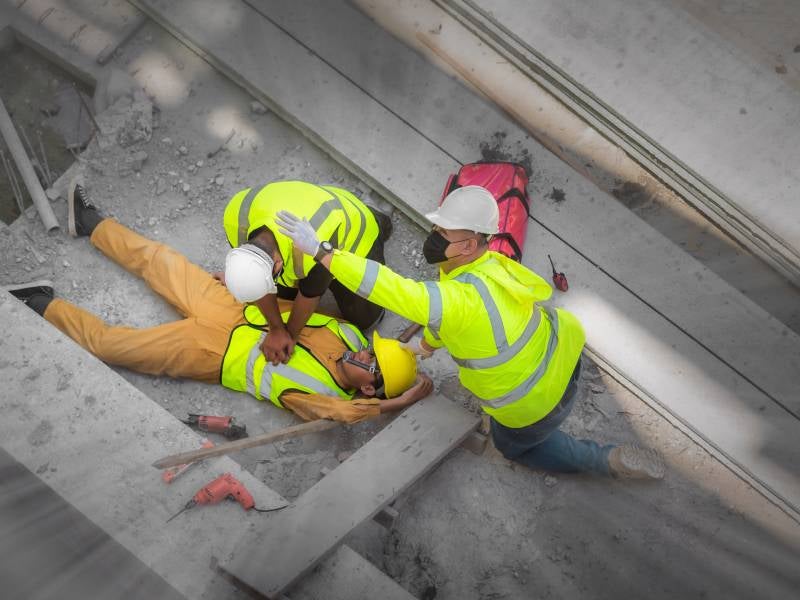
According to the National Safety Council (NSC), 26.2% of all work injuries are the result of objects or equipment striking workers. These accidents have been and remain a serious risk across all industries, and workers must be aware of the high risk of injury they could face. But what does that risk entail? Struck-by-accidents are a significant risk for all workers Work injuries resulting from getting struck by objects are some of the most common risks workers face. These types of accidents are: Listed as the third most common workplace accident across all industries; and One of the fatal four accidents in the construction industry, according to the Occupational Safety and Health Administration (OSHA). The most common struck-by-accidents that come to mind often involve vehicles or machinery. For example, forklift accidents or even auto accidents on the road are common – and dangerous – struck-by accidents. However, these types of accidents include a wide range of hazards, such as being struck by: Falling objects from improperly secured storage Flying debris from using power tools or defective machinery Collapsing equipment or structures, such as imbalanced filing cabinets These are widespread incidents that put many workers at risk. Do distractions increase these accidents? As we discussed in a recent blog post, distractions are increasing the risk of accidents and injuries in the workplace. And distractions are one of the primary risk factors in struck-by-accidents nowadays. If workers are not fully aware of their surroundings, they face an increased chance of running into objects or failing to see objects coming at them. Distractions that create this risk might not always include cellphones or technology. They might also include: Maintaining a conversation with a coworker that draws one’s attention away from their task; or Even external stressors preventing individuals from focusing on work. Distractions are certainly not the only cause of these types of accidents. However, this is the risk factor that workers can control to reduce the chance of suffering an injury at work or in a struck-by accident. That considered, workers should understand that even if they are distracted, they likely do have Workers’ Compensation Claims to protect in the event they are injured. No matter how the injury occurred, should a worker experience injury on the job, it is always helpful to consult an experienced attorney.


Torn rotator cuffs are a risk across industries

Torn rotator cuffs are a risk across industries

Rotator cuffs are the groups of muscles around each shoulder joint. They are some of the most complex joints in the body, as well as one of the most frequently used. That is only one of the reasons why injuries – or even tears – to this joint are some of the most common work injuries Maryland workers must be aware of. A common risk for workers – at almost any time The primary risk of rotator cuff injuries is that they can occur immediately or develop and worsen over time. For example, if a worker attempts to lift something in an improper position or falls on their arm, the rotator cuff could tear. On the other hand, repetitive motions and use can cause damage and tearing over months or even years on the job. Many actions can cause a rotator cuff injury, including: Lifting Pushing or pulling Using heavy machinery and tools Reaching Slip-and-falls By this list alone, it is clear to see that rotator cuff injuries are a serious risk for workers in a wide range of industries and jobs. The chance of an injury increases with both age and use, but these injuries are still a risk that workers should not overlook. A rotator cuff tear can put workers out of commission Torn rotator cuffs do not always present severe symptoms. Workers might experience: Chronic pain in their shoulders Muscle weakness Limited movement These symptoms are especially common if the damage occurs over time. Immediate injuries might feel sharp or stabbing. In many cases, treatment for torn rotator cuffs includes physical therapy to strengthen the shoulder, but some workers might have to get surgery to repair their rotator cuff to regain use of their arm. Recovering from surgery can take an average of four to six months – and even longer for workers to be able to lift heavy loads again. Even in the event of an acute or sudden injury to a shoulder, many employers and insurance companies deny claims or contest the need for medical care as being unrelated to work. In such circumstances, the employer and its insurer contest that the resulting injury is degenerative in nature and occurred without a relationship to work. Workers’ Compensation benefits can still cover injured workers, even if they have a pre-existing condition with their shoulder. As a result, in order to understand their rights and obtain coverage while they are either in treatment, out of work, or both, injured workers should consult competent counsel to ensure they are protected.

Storm season: Roofers must take extra care

Storm season: Roofers must take extra care

The end of summer can bring extremely severe weather to the Baltimore area. And severe weather also brings an increase in residents looking to clean up after storms and fix damaged exteriors of their homes. Whether residents only look to fix storm damage or re-shingle their entire roof, this season can mean a lot of jobs for roofers across the state. However, roofers must ensure they take great care to optimize their safety and avoid serious injuries. Roofers face a high fatality rate The construction industry is full of high-risk jobs, but roofing is one of the most dangerous. Most roofing workers know about the risks they face. After all, working at a great height is one of the most common safety hazards for all workers. However, a 2019 report from the U.S. Bureau of Labor Statistics found that roofers have a fatality rate 10 times higher than the average rate of fatalities across all industries. By the numbers, the average fatal injury rate for all industries is 3.5 out of 100,000 workers. For roofers, that rate is 51.5 per 100,000 workers. Remember: Safety equipment is essential For years now, roofing has been included on the list of the most dangerous jobs in the United States. And yet, according to a 2017 report, one in four construction workers who suffered a fatal injury from a fall were not using a personal fall arrest system (PFAS) at the time of the accident. Unfortunately, it is easy for experienced workers to form bad habits over the years, but roofers should make sure they: Inspect sites and assess hazards before beginning work Set up guardrails, PFAS and other safety equipment properly Review safety training as needed, and stay updated on new guidelines Keep an eye on the weather when working at a height Roofers must not overlook the use of safety equipment – especially during and after storm season. The Maryland Workers’ Compensation Act covers workers, regardless of fault. While there are exceptions to the compensability of an accidental injury, should a worker experience an injury on the job, even if they failed to take the best safety precautions, they still should contact an experienced Workers’ Compensation attorney to discuss whether or not there is coverage available.

Three tips to help teachers stay safe this year

Three tips to help teachers stay safe this year

In the current circumstances of the global pandemic, teachers are more concerned than ever about creating a safe learning environment for their students. However, teachers should also be consciously aware of their own safety. As we have discussed in past blog posts, teachers rarely anticipate that their jobs will involve the risk of injury, but several hazards could increase the chance of teachers suffering an injury at work. What steps can teachers take to prevent injuries on the job? Most Maryland school districts are beginning this school year virtually. Teachers and students alike will be engaging in remote learning like they did last spring. However, some schools will implement a hybrid learning plan with some remote learning and some in-person education. Regardless of how teachers are returning to work, there are a few things they must consider to reduce the risk of an injury: Keep the classroom clean: Slip and fall accidents are some of the most common causes of injuries for teachers. Whether they are back in the classroom or setting up a place in their home to be the virtual classroom, teachers must ensure the area is clear of hazards such as cords, bookbags, toys and even open drawers. Use ergonomic solutions: Teaching often involves repetitive motions which can lead teachers to suffer shoulder, back and even neck injuries. Over time, such injuries can cause long-lasting nerve damage or muscle tears that can impede movement. Therefore, teachers should carefully evaluate their actions throughout the day – such as bending or stretching to write or help students – and consider obtaining ergonomic equipment or implementing solutions to avoid pain and injuries. Take care of mental health: Recent studies have determined that teachers face high-stress levels on the job. Such stress is understandable, but it can lead to serious injuries, including cardiovascular conditions, burnout-related injuries and even long-term mental health conditions such as anxiety or depression. Teachers should make sure they take time to focus on their mental health, so they can stay healthy, focused and reduce the risk of injury. Teachers have a lot on their minds as they begin a new school year, but they must make sure that their safety is one of the things they prioritize.

What should you know about light-duty restrictions?

What should you know about light-duty restrictions?

In some cases, returning to work might become a complex ordeal for workers who sustained a temporary total disability. For example, a worker might not be completely recovered from an injury, but their physician might clear them to return to work with light-duty restrictions. There are a lot of details involved in the process of returning to work and obtaining light-duty restrictions. Workers should consult experienced attorneys to learn more about these details and their benefits, however here are some essential things that injured workers should know. What are light-duty restrictions? Some workers are often able to return to work, even if they are still in the process of recovery. Light or modified duty restrictions essentially provide recovering workers with work that is less taxing, both mentally and physically – if their employer has such work available. Physicians recommend the restrictions workers should adhere to, such as not lifting anything over 50 pounds, or even working with sedentary restrictions after a severe back injury. What other details should workers know? In the cases where employers have an offer of light-duty work available, there are a few things that workers should know: Injured workers should explain in detail the nature and requirements of their employment to their physician, in order for a physician to provide the most appropriate restrictions. The restrictions must be made in writing and provide a timeframe for the duration of said restrictions. Upon receiving a modified duty note from a physician, the injured worker should provide the note to their employer and inquire if any positions are available. Even if any injured worker believes an employer does not have light duty, the injured worker still has the responsibility of contacting their employer to inquire about accommodations. If an Employer is unable or unwilling to accommodate an injured worker, that injured may be entitled to ongoing benefits while they remain out of work recovering to full duty. Additionally, should an employer provide accommodations, but the injured worker earns less than their pre-accident wage, the injured workers may be entitled to Temporary Partial Disability, which is one-half the difference between their prior wage and the current light-duty wage. (Maryland Code, Labor & Employment §9-615). Injured workers must continue to receive light duty notes from their physicians until their physician releases them to full duty. Failure to provide an updated note may permit an employer to rescind the provided accommodations without penalty. As demonstrated, there are a lot of different scenarios that may play out when an injured worker is able to return to work in a modified capacity.  There is no one size, fits all approach. Therefore, it is critical for an injured worker to understand their rights and options under the law. Furthermore, employers and their insurance representatives may pressure workers to return to work full duty or in a less than modified capacity.  Such situations can be dangerous to an injured worker’s health and recovery.  Ultimately, when faced with the decision to return to work, it is important for individuals to have experienced representation that will look out for their best interest, rather than the bottom of line of an employer or insurance company.

Spike in reckless driving places more workers at risk

Spike in reckless driving places more workers at risk

The state and workplace shutdowns due to the COVID-19 pandemic meant that there were far fewer vehicles on the road. Many people might think that fewer vehicles should mean fewer accidents, but that is not necessarily the case. Alarming reports from across the country should put workers on their guard to avoid the risk of suffering a work-related injury on the road. Report: Stark increase in reckless driving According to the U.S. News and World Report, the rates of reckless driving have increased across the country considerably since April. Reports from many states found: Several drivers going far over the speed limit, at more than 100 mph; and A decrease in overall crashes, but a sharp increase in fatal accidents. It is critical to note that Maryland has not seen the same increase in road fatalities during this time. Fatalities have actually decreased by 13%. However, that does not mean that Maryland should not be aware of the increasing risk that reckless drivers pose. In fact, it is especially important for workers to be aware of this risk. Why is it critical for workers to beware? We have mentioned in previous blog posts that when one’s work requires them to travel or take to the road regularly, the risk of an injury increases considerably. The road is a dangerous and unpredictable place, and the longer workers spend on the road the higher risk of injury they face. Nowadays, a large percentage of people on the roads are workers. Some of them might be commuters, but many also include those whose work requires them to be on the road, such as: Delivery drivers; Community health workers; Utility workers; and Highway maintenance or construction workers. These workers are regularly on the road, whether they are behind the wheel or on foot. An increase in reckless driving rates directly impacts these workers’ safety. Work injuries resulting from motor vehicle accidents are often compensable, as they arise out of the course of one’s work (Maryland Code, Labor & Employment §9-501). However, it is more critical for workers to be aware of this growing risk, so they can take action to avoid an accident.

FAQ: Reporting your injury to your employer

FAQ: Reporting your injury to your employer

Workers never expect to suffer an injury on the job. One day might start just like any other, but then a worker might slip and fall on the warehouse floor, sustaining a serious traumatic brain injury. In these cases, it is often necessary to seek medical attention straight away. Workers might even have to stay at the hospital to receive treatment. However, to get compensation for such an injury, they must first report it to their employer. This can leave a lot of workers facing significant stress, so here is a brief overview of the three most common questions workers have about reporting their work injury. When must injured workers report their injury? In Maryland, an injured worker, who experiences accidental injury, has two years from the date of the accident to file a Claim with the Worker’s Compensation Commission. If a worker experiences an occupational disease, it is the later of two years from the last hazardous exposure or when the worker had “actual knowledge” their disease was the result of a work exposure. If an Employer fails to file a First Report of Injury, the limitation on filing may be tolled, or extended. If the Employer files a First Report of Injury or a worker misses no time from work following the accident and two years passes, the injured worker may be barred from receiving compensation under the Worker’s Compensation statute. However, it is best practice to notify a manager or supervisor as soon as an accident or exposure occurs. The sooner an accident is reported, the better opportunity an Employer and its Insurance have to investigate and confirm an injury or workplace exposure occurred. How should workers give this notice? The law permits workers to provide employers with oral notice of the injury, however, it may be beneficial for a worker to report their injury in writing. There are a few reasons for this: It is often easier for injured workers to report the injury in writing, especially if the injury requires a hospital stay; and A written report also provides documentation of the injury. Workers may often request their supervisor provide an incident report, so the documentation is corroborated by an individual who represents the Employer. What information must be in the written notice? It may be helpful for workers to consider what employers must submit to the Maryland Workers’ Compensation Commission when making their report. For example, the written report of the injury should include: The worker’s name and information; The date they suffered the injury or disability; The type of injury they suffered, including the body parts injured; What they were doing at the time of the accident; How the accident happened; and The initial treatment they received for the injury. Often times an Employer or its Insurer may deny a Claim based a failure to provide “proper” notice; however, such responses are often inapplicable to the Worker’s Compensation Act. That considered, reporting an injury is the first step in a Worker’s Compensation Claim. It is important that an injured worker notify their Employer of an injury upon its occurrence, and follow up with counsel to ensure they are taking the necessary step to secure their rights.

Can I collect workers’ compensation and SSDI at the same time?

Can I collect workers’ compensation and SSDI at the same time?

Following significant work-place injuries, employees and their families often wonder what benefits may collect. There are a few types of benefits injured workers are entitled to, but one specific question is whether the injured worker can recover both workers’ compensation benefits and Social Security Disability Insurance (SSDI) benefits? Is this possible? The short answer is yes – it is possible for injured workers to collect both workers’ compensation benefits and SSDI benefits at the same time in certain cases. However, these are two complex systems, and individuals must make sure they qualify for both of them separately, as they are a part of separate systems. If person receives benefits from one system, it does not entitle them to benefits from the other system. How do workers know if they qualify? Workers’ compensation: Maryland law governs workers’ compensation benefits. And according to state law, injured workers qualify to collect workers’ compensation if they suffered an accidental injury or occupational disease that arose out of and in the course of their work (Maryland Code, Labor & Employment §9-501). SSDI: In contrast, Federal law governs the parameters of receiving SSDI benefits. To obtain SSDI benefits, individuals must have a qualifying disability based on the Social Security Administration’s (SSA) guidelines. This disability does not necessarily have to be work-related, but it must prevent individuals from returning to work. As prerequisite, an individual must be out of work for an entire year or be placed out for of work for the foreseeable year in order to qualify for benefits. The age of an individual and prior occupation has a significant relation to being awarded benefits. A younger person with an advanced education or specialized skill has higher burden to show they are unable to return to the workforce. In contrast, a worker of advanced age with a limited skillset may only need to prove they cannot return to their former employment in order to receive benefits. Even though individuals can obtain both workers’ compensation and SSDI benefits, there is a limit to how much they can collect. According to the SSA, the total amount of benefits individuals recover cannot exceed 80% of their earnings before the injury or disability. When could you collect both? Take the example of a workplace accident leading a worker to suffer a fall. In many cases, a fall can lead to serious physical injuries as well as a severe traumatic brain injury (TBI). If the injury is work-related, then individuals can pursue workers’ compensation benefits to cover their medical costs and lost wages. However, a TBI can have a long-lasting, permanent impact on individuals. If the TBI leads to permanent disability and prevents individuals from returning to work, then they can also pursue SSDI benefits. These are both very complex systems to understand and navigate – especially in such a challenging situation. In these cases, individuals should consider consulting an experienced attorney.

Can workers get compensation for occupational knee injuries?

Can workers get compensation for occupational knee injuries?

Individuals rely on their knees more than they think. As the largest and most complex joint in the body, the knee is what allows us to move in many different ways, whether standing, walking or lifting. This heavy reliance on the knee is also why suffering a knee injury on the job can quickly put workers out of commission. If a knee injury keeps them out of work, the first worry on anyone’s mind is the effect on their income and will medical care be covered. Are knee injuries covered under workers’ compensation? Yes, workers who suffer a knee injury on the job are entitled to collect workers’ compensation (Maryland Code, Labor & Employment §9-501). As with all workers’ compensation cases, workers must be able to connect the injury to their work. It must arise out of their employment duties. Some knee injuries happen very suddenly, and workers can easily trace them back to a single incident. Other injuries might be the result of repetitive motion and stress on the joints, which, in some cases, can make it harder to trace back to one’s work. What are common occupational knee injuries? To understand the potential challenges of connecting one’s knee injury to work, here is a brief look at a few common examples of knee injuries: Dislocation: A worker might suffer a knee dislocation from a fall to a lower level or from lifting heavy objects incorrectly. It takes time and rest to heal from a dislocation, but it is often easy to determine what caused the injury at work. Anterior Cruciate Ligament (ACL) injuries: This is another common injury, though it often requires more treatment than a dislocation. Even so, a torn ACL often stems from a sudden stop, such as a fall or a pivot on one leg. These injuries leave lasting damage, but workers can often connect the injury to a single incident on the job. Osteoarthritis: Osteoarthritis in the knee can significantly impact one’s ability to move and stand – and even continue working. In extreme cases, individuals often must obtain a total knee replacement to regain movement. Arthritis is a disease linked to aging, but certain repetitive movements related to work activities or a single impact can aggravate and speed up the disease. Even so, if there is enough evidence that one’s duties at work aggravated or caused the osteoarthritis, workers can collect workers’ compensation benefits. Workers in many fields, from construction workers to cleaning service workers, face a high risk of suffering a wide range of knee injuries. In these cases, it is often in a worker’s best interest to consult an experienced workers’ compensation attorney to guide them through the process of recovering compensation and protecting their rights.

Report finds gig workers suffer a higher rate of fatalities

Report finds gig workers suffer a higher rate of fatalities

The gig economy has been on the rise for the last few years. Independent workers and contractors enjoy the flexibility to work on their own terms and provide services for companies on certain projects. However, independent workers should also be aware that their risk of suffering a fatal injury on the job is significantly higher than non-independent workers. Report finds independent workers more at risk for occupational fatalities A 2019 report from the Bureau of Labor Statistics (BLS) found that independent workers made up 12% of all fatal work injuries. This might not seem too alarming until the BLS calculates the risk and probability of a fatal injury for independent workers compared to non-independent workers. The BLS calculates a significant disparity in several situations. For example, the risk of independent workers suffering a deadly slip and fall is 71% higher than that for a non-independent worker. There could be many reasons for this high risk. It could be the constantly changing environment that comes with working gigs. Or it could be the lack of training that gig workers often receive. Regardless, all independent workers must be aware of this considerable risk to their safety. Which workers are most at risk? The report outlines that the fields in which independent workers face the highest risk of fatal injuries include: Trucking; Rideshare services; Construction labor; Landscaping; and Roofing. Seeking compensation can be complex for some independent contractors. This is due to the fact that they might not be considered a covered worker under Maryland law (Maryland Code, Labor & Employment §9-202). If families wish to recover compensation for their losses, it is helpful to consult an experienced attorney to ensure workers were classified correctly and explore all the avenues of recovering compensation. Regardless of a worker’s classification, safety on the job should be a priority for all workers.

Stay on your toes: Foot injuries have a large impact on workers

Stay on your toes: Foot injuries have a large impact on workers

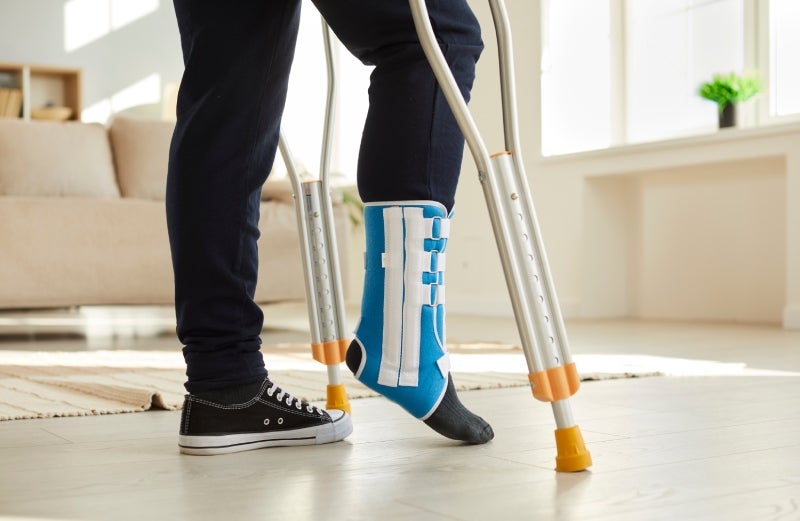
Workers who are on their feet all day often know the reality of foot pain. Standing on a cement warehouse floor all day can cause a significant amount of strain on one’s feet, back and legs. Even with the foot pain workers might experience, they face even more risks of foot injuries. It is easy for workers to overlook the risk of foot injuries since these work injuries are often nonfatal. However, they can be severe and even life-changing for workers in all industries. How common are injuries to the feet? According to the Bureau of Labor Statistics (BLS), foot injuries affect 4.7 out of 10,000 workers in all industries. This means that roughly more than 53,000 workers suffer serious injuries to their feet each year. These statistics include a wide range of nonfatal injuries, such as: Crushed or broken bones from dropping items; Burns from splashes when working with chemicals; Punctures from stepping on sharp objects; and Sprains or twists from trips and falls. Some injuries or incidents can even lead to amputations of the toes or feet. Workers in all industries must ensure that they take the proper precautions to prevent these injuries by wearing protective footwear and upholding all safety standards recommended by the Occupational Safety and Health Administration (OSHA) and their workplace. Why are these injuries so serious? A person’s foot and ankle combined have: 26 bones; 30 joints; and 100 muscles and ligaments. An injury impacting any number of these often requires a long and slow healing process. Additionally, all of these support an individual’s mobility and balance. Therefore, even the smallest foot injury can limit one’s ability to walk or even stand. This could keep workers out of work while they recover for a considerable amount of time. Injuries affecting the feet could leave Maryland workers facing significant physical and financial stress as they heal outside of work. However, workers’ compensation benefits can help ease that stress for workers and their families with wage loss benefits (Maryland Code, Labor & Employment §9-602). It is often helpful for injured workers to consult an experienced workers’ compensation attorney to protect their entitlement to this compensation in these cases.

Falls are still a significant risk for many workers

Falls are still a significant risk for many workers

Workers of all industries face a risk of falling on the job, from retail workers to roofers. Falls from the same level or a higher level are some of the most common causes of both injuries and fatalities in the workplace. Yet, despite this common knowledge, reports prove that the risk of falling is still one of the biggest dangers that workers face every day on the job – and that the risk is even increasing. Falls on the same level v. falls to a lower level: Both pose serious risks Some workers might consider falls to a lower level to be a greater risk of injury than slips and falls on the same level. This is not necessarily true – falls from any level are incredibly dangerous in their own way. For example, the National Safety Council (NSC) found in 2018 that: Falls on the same level led to 154 fatalities and 147,390 injuries; and Falls to a lower level led to 615 fatalities and 52,510 injuries. Falls to a lower level carry a higher risk of a fatal injury for workers. And a 2018 report from the Bureau of Labor Statistics did determine that fatalities from falls to a lower level increased by 26% between 2011 and 2016. During this period, 3,723 workers suffered fatal injuries from a fall to a lower level. Workers must be vigilant when working at great heights, but they should never overlook the risk of falls on the same level either. The primary issue? Falls can often be prevented Falls remain one of the leading causes of workplace injuries, and yet the NSC reports that workers and employers can take simple measures to prevent most falls. There are several steps that employers can take to prevent falls in the workplace, such as providing workers with training and proper personal protective equipment (PPE). However, there are also steps that workers can take to reduce the risk of falling, such as: Wearing the proper footwear; Following all safety procedures; and Remaining aware of all their surroundings. Even if falls can be prevented in many cases, workers are still entitled to collect workers’ compensation under Maryland law if they suffer injuries from a fall on the job. It is critical for workers to consult an experienced workers’ compensation attorney after a fall, so they can understand how to protect their rights and recover the compensation they deserve.

Contact Us

Fill out this form below and we'll contact you shortly
*Required Fields