Blog

All Workers' Compensation Car Accidents Workplace Accidents Workplace Injuries Construction Workers' Accidents Medical Malpractice Industrial Workers' Injuries Product Liability Personal Injury Truck Accidents Firm News Wrongful Death Uncategorized
Drug use can complicate workers’ comp claims
in Car Accidents

Drug use can complicate workers’ comp claims

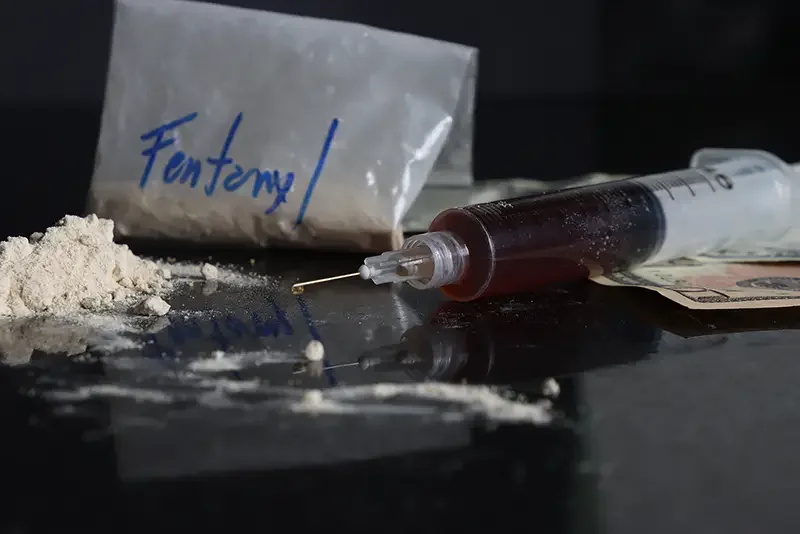
Drug use in the workplace can inspire serious consequences for both workers who are trying to avoid occupational harm and for some who have already suffered due to work-related circumstances. For example, in Maryland, workers who are injured on the job are generally entitled to benefits regardless of fault. However, if drug use played a role in causing their work-related harm, those benefits can be denied or significantly reduced. Proving—or disproving—that connection often becomes a central issue in workplace injury cases involving positive drug tests. Workers’ comp is a no-fault system… most of the time Under Maryland law, employers or their insurers can argue that intoxication or drug impairment was the primary cause of an accident. If successful, this defense can prevent an injured worker from receiving compensation for medical care, lost wages or disability. The key question is causation: Did the drug use directly contribute to the injury, or did the accident occur independently of any impairment? For example, a worker who tests positive for an illegal substance after being struck by falling equipment may still be eligible for benefits if their impairment had no role in the incident at issue. Recent research underscores how pervasive workplace drug use has become in recent years. For example, a recent survey published by the National Safety Council indicates that one-third of American workers have witnessed the use of cannabis by others during work hours. Additionally, “More than half of employers that eliminated THC testing reported an increase in incidents or workplace performance concerns.” This trend suggests that many workers use marijuana while on the clock, potentially due to stress, chronic pain or “simply” accessibility. Marijuana use can cause drowsiness, confusion, apathy and slowed reaction times—all of which heighten the risk of workplace accidents. Even so, a positive drug test does not automatically disqualify a worker from receiving benefits. The Maryland Workers’ Compensation Commission requires evidence that the intoxication directly caused the injury at issue in a workers’ claim. A skilled legal team can help affected workers – who are obviously not alone, given the widespread nature of drug use in the workplace – to make their case as successfully as possible. Employers and insurers often use drug test results to limit liability, but workers still have rights. Anyone facing a disputed claim due to alleged drug use is generally wise to seek immediate legal guidance accordingly.

Read More
Workers’ comp claim: 3 steps to take after a construction injury

Workers’ comp claim: 3 steps to take after a construction injury

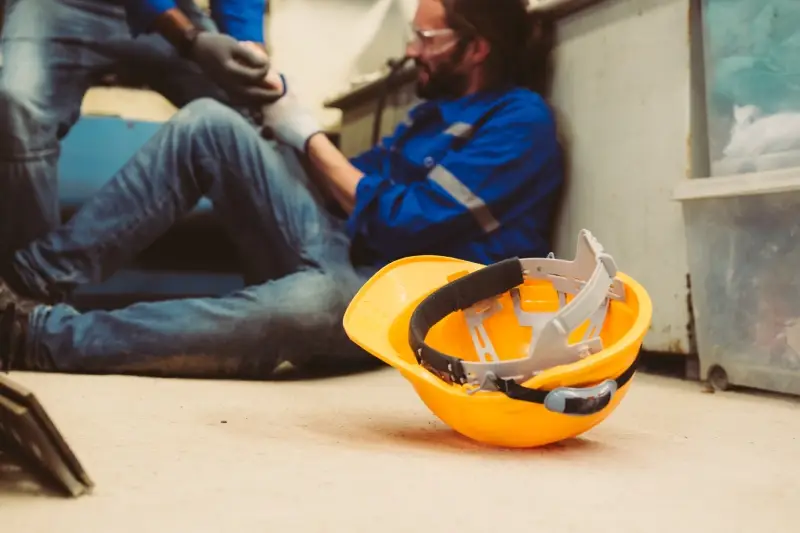
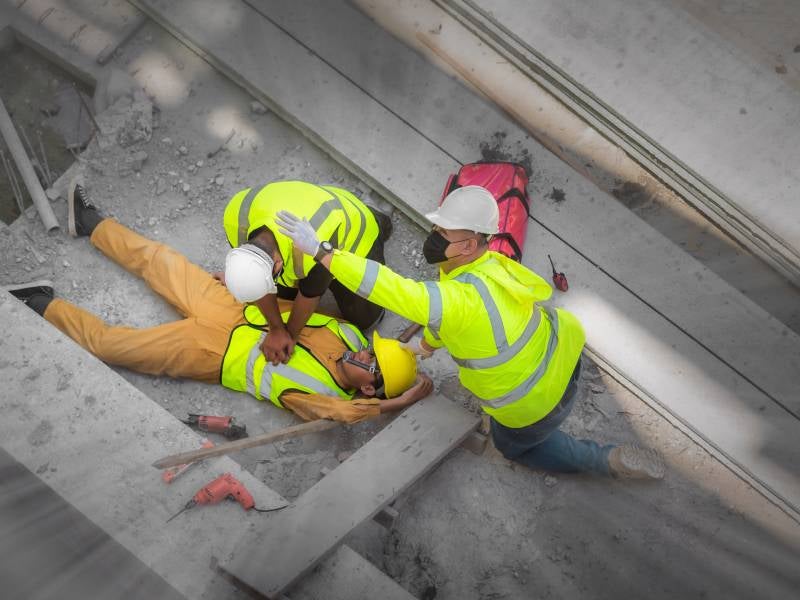
Construction work is physically demanding and dangerous. One wrong move can lead to serious injury. When you get hurt on the job, you need to act fast. Maryland workers’ compensation laws provide protection, but it’s very important that you follow the right steps. Here is what you need to do immediately after a construction-related injury. Report your injury to your supervisor immediately Many workers make the mistake of staying quiet. Do not wait because the pain seems minor or you think you can tough it out. Never ignore a minor sprain or a dull back ache. Remember, you are protected under the law. Maryland gives workers the right to report injuries and recover compensation after an injury on the job. Tell your supervisor about your injury as soon as it happens. Maryland law requires employees to report workplace injuries within 10 days. Missing this deadline can cost you your workers’ compensation benefits. Put your report in writing, if possible. This creates an official record that documents your injuries and protects your legal rights. Get medical treatment right away See a doctor even if you believe the injury is not serious. Under Maryland law, you have the right to choose your own treating physician. However, if your employer directs you to a specific medical provider, you may opt to go there first, but you are never forced to stay with their doctor for your ongoing care. Tell your doctor about every symptom you experience, no matter how small it seems. Additionally, keep copies of all medical bills, prescriptions and treatment notes. This documentation can become critical evidence when pursuing your claim. Many injured workers worry that a pre-existing medical condition will disqualify them from receiving benefits. In Maryland, that is not necessarily the case. If a workplace accident aggravates an existing condition, you may still be entitled to compensation. Contact a workers’ compensation attorney Speak with a workers’ compensation lawyer before you provide any recorded statements to insurance companies. Some employers say they will take care of you without formal paperwork. Avoid accepting these verbal promises without documentation. Without filing an official claim, you may have limited legal protection under Maryland workers’ compensation law. Securing the compensation you deserve Construction work comes with significant risks, and injuries can happen despite your best efforts. When they do, knowing the proper steps to filing a workers’ compensation claim can affect your recovery. Construction workers who suffer job site injuries in Baltimore, Bel Air, Essex, Frederick, Glen Burnie or Towson can call the team at Cohen, Snyder & Eisenberg, P.A. for support. Our team provides free consultations and has over 50 years of experience serving the Baltimore area. Click here or call 1-800-INJURED to discuss your construction injury claim and get the compensation you need to recover.
Injured in a Work-Related Car Accident in Maryland? You May Have More Than One Claim

Injured in a Work-Related Car Accident in Maryland? You May Have More Than One Claim

Many Maryland workers spend part of their day behind the wheel. Maybe you’re making deliveries. Maybe you’re driving between job sites. Maybe your employer asked you to run an errand, visit a customer, or attend a meeting. Then there is a crash. Now you’re injured, your vehicle may be damaged, you’re missing work, and you’re wondering who is going to pay for everything. The answer may be more complicated—and more favorable—than you think. Workers’ Compensation May Apply Even If the Accident Was Your Fault One of the biggest misconceptions I hear is that workers’ compensation only applies if someone else caused the crash. That is simply not true. If you were performing work duties when the accident occurred, Maryland workers’ compensation benefits may be available regardless of who caused the collision.  In many cases, workers’ compensation can provide: Medical treatment related to your injuries Temporary disability benefits while a doctor says you're unable to work Compensation for permanent injuries when appropriate Unlike a personal injury claim, proving fault is often not the central issue. The focus is whether the accident happened in the course of your employment. You May Also Have a Claim Against the Other Driver Here’s where many injured workers leave money on the table. If another driver caused the crash, you may have a workers’ compensation claim and a personal injury claim at the same time. Workers’ compensation and auto insurance serve different purposes. Workers’ compensation may cover your medical treatment and a portion of your lost wages. A claim against the at-fault driver may allow you to recover damages that workers’ compensation does not cover, including: Pain and suffering Additional lost wages Property damage Other accident-related losses Every case is different, but many injured workers are surprised to learn they may have multiple avenues of recovery available. Common Examples of Work-Related Vehicle Accidents Workers’ compensation claims frequently arise after accidents involving: Delivery drivers Construction workers traveling between sites Home health care providers Sales representatives Service technicians Utility workers Employees using personal vehicles for work purposes You do not have to drive for a living to qualify. If you were performing job-related duties when the accident occurred, workers’ compensation benefits may be available. Don’t Assume Auto Insurance Is Your Only Option After a work-related car accident, many workers focus only on the insurance claim and never explore whether workers’ compensation benefits may apply. That mistake can be costly. If you were injured while driving for work in Maryland, it is important to understand all of the benefits and claims that may be available. What seems like a simple car accident may actually involve both a workers’ compensation claim and a claim against the at-fault driver. The sooner you understand your rights, the better positioned you will be to protect them.

No broken bones? You may still qualify for workers’ compensation in Maryland

No broken bones? You may still qualify for workers’ compensation in Maryland

One of the biggest misconceptions I hear from injured workers is, “I didn’t break anything, so I probably don’t have a workers’ compensation case.” That simply is not true. In Maryland, many legitimate workers’ compensation claims involve injuries that never show up on an X-ray. Some of the most serious work injuries I see start as what a worker believes is “just a strain” or “just some soreness.” A warehouse employee lifts a heavy box and feels a pull in their back. A healthcare worker develops shoulder pain after repeatedly moving patients. A construction worker twists a knee stepping off equipment. None of these injuries involve broken bones, but all can affect a person’s ability to work and earn a living. Workers’ compensation covers more than broken bones Maryland workers’ compensation benefits are available for many job-related injuries, including those that develop gradually or involve soft tissue rather than fractures. Common workplace injuries that may qualify include: Back strains and sprains Neck injuries Shoulder injuries Knee and ankle injuries Repetitive stress injuries Soft-tissue injuries Aggravation of pre-existing conditions Injuries that require medical treatment, work restrictions or time off The question is not whether an injury appears dramatic. The question is whether the injury arose out of and in the course of employment and whether it affects your ability to perform your job. Why workers often hurt their own claims After more than 17 years representing injured workers, I've seen the same mistake over and over again. Someone gets hurt at work, but they decide to “tough it out.” They finish their shift. They wait a few days. Maybe they assume the pain will go away on its own. Then the pain gets worse. By the time they report the injury, the insurance company may start asking questions: Why wasn’t the injury reported immediately? Did something happen outside of work? Is this really a work-related injury? That does not mean the claim is lost, but it can make the process more difficult than it needs to be. If you are injured at work, report the injury promptly and seek appropriate medical treatment. Early documentation often becomes important evidence later. What if you already had a pre-existing condition? Another common misconception is that workers’ compensation only applies to perfectly healthy workers. That is not how Maryland workers’ compensation law works. Many workers have prior back problems, arthritis, old injuries, or degenerative conditions. If a workplace accident aggravates, accelerates, or worsens that condition, workers’ compensation benefits may still be available. Insurance companies frequently argue that pain is related to age, degeneration, or a prior injury rather than a workplace accident. That is why medical records, timely reporting, and a clear history of what occurred at work can be so important. Why moderate injury claims are often disputed Ironically, some moderate injuries face more scrutiny than obvious catastrophic injuries. A broken bone is easy to see on an X-ray. Soft-tissue injuries, strains, sprains, and pain-related conditions often require a closer review of medical records, treatment history, work restrictions, and physician opinions. Insurance companies may schedule independent medical examinations (IMEs) or dispute whether treatment is necessary. In some cases, disputes must be resolved before the Maryland Workers’ Compensation Commission. Just because an injury is not visible on an imaging study does not mean it is not real. When should you speak with a workers’ compensation attorney? If a work injury is causing pain, limiting your movement, forcing you to miss work, or affecting your ability to perform your job, it may be worth speaking with an attorney about your rights. Too many workers assume they do not have a case because they never went to the emergency room or because nothing was broken. That assumption can be costly. At Cohen, Snyder & Eisenberg, we regularly help Maryland workers navigate claims involving strains, sprains, repetitive stress injuries, and other injuries that may not appear serious at first but can have a significant impact on a person’s ability to work. If you were injured on the job, do not assume you are ineligible for benefits simply because there were no broken bones. What matters is how the injury occurred and how it affects your ability to earn a living.

Will I Lose Maryland Workers’ Compensation Death Benefits If I Remarry?

Will I Lose Maryland Workers’ Compensation Death Benefits If I Remarry?

Losing a spouse is one of the hardest things a family can face. When that loss happens because of a workplace accident, surviving family members are often left dealing with grief, financial uncertainty, and a long list of questions about the future. One question we occasionally hear from surviving spouses is, “If I remarry, will I lose my workers’ compensation death benefits?” Like many legal questions, the answer depends on the specific facts of the claim. Remarriage Can Affect Benefits Under Maryland workers’ compensation law, remarriage may impact a surviving spouse’s eligibility for ongoing death benefits. However, remarriage does not automatically mean benefits stop the day you get married. The outcome often depends on factors such as whether there are dependent children, when the claim arose, and how benefits were awarded. Because Maryland’s workers’ compensation laws have changed over the years, two families in similar situations may receive different treatment under the law. What If There Are Dependent Children? When children are receiving death benefits, remarriage may affect the spouse’s share differently than the children’s share. In many cases, dependent children can continue receiving benefits even if the surviving spouse remarries. These benefits often continue until age 18 and may extend longer for full-time students  attending an accredited educational program. Every claim is different, which is why it is important to review the specific award or settlement before making assumptions about future benefits. What About Settlements? Some death benefit claims are resolved through a settlement rather than ongoing weekly payments. If a claim was settled for a lump-sum payment, remarriage may have little effect because future benefits were already addressed in the settlement agreement. The language of the settlement matters, and reviewing those documents is often the best place to start. Before You Make Financial Decisions, Get Answers We’ve represented Maryland workers and families for decades, and one thing we’ve learned is that small details can make a big difference in a workers’ compensation claim. If you’re receiving workers’ compensation death benefits and are unsure how remarriage could affect your benefits, it is worth reviewing the claim documents before making assumptions. A quick review now may help you avoid surprises later and give you a clearer picture of what to expect moving forward.

The 5 most common construction injuries in Baltimore worksites

The 5 most common construction injuries in Baltimore worksites

Baltimore job sites move fast. Whether you work on a rowhouse in Fells Point or a highway project on I-95, risks remain high. Many workers mistakenly believe only broken bones qualify for benefits. Maryland law provides coverage for moderate injuries like sprains or strains as well. These accidents occur even when you follow every safety rule. Workers’ compensation exists to protect your future when the physical nature of the job causes harm. Ladder and scaffolding falls A slip while painting a tall rowhouse changes your life in seconds. These falls cause broken bones, severe sprains or lasting back injuries. Even a moderate sprain keeps you from your shift. Maryland worker’s compensation law covers medical bills and lost wages for these incidents. Struck-by incidents Busy Baltimore port sites feature heavy machinery and moving cargo. Falling tools, loose materials or moving vehicles cause concussions, crush injuries or fractures. Your employer’s insurance must support your recovery no matter who caused the accident. Overexertion injuries Repetitive motions during long shifts take a heavy toll. Lifting heavy materials leads to painful hernias, back strain or shoulder damage. You do not need a single sudden event to qualify. Caught-in/between accidents Heavy equipment on highway projects creates constant danger. Workers suffer hand injuries, amputations or soft tissue damage when machinery pinches limbs. These events require immediate care and full financial support. Electrical injuries Renovating old city buildings brings high electrical risks. Faulty circuits cause deep burns or hidden nerve damage. You might feel fine at first, but electrical shocks often create long-term health issues. Protecting your future and your health Insurance adjusters often downplay your pain to protect their profits. Dealing with the Maryland claims system alone frequently might result in lower payments or denied care. Strong representation ensures you receive every benefit you deserve while you focus on your recovery.

Can Maryland Workers’ Compensation Deny Your Claim Because of a Pre-Existing Condition?

Can Maryland Workers’ Compensation Deny Your Claim Because of a Pre-Existing Condition?

One of the most common things we hear from injured workers is, “The insurance company says my injury isn’t covered because I’ve had this problem before” Maybe you hurt your back years ago. Maybe you’ve been dealing with arthritis in your knee. Maybe an old shoulder injury never completely went away. Many Maryland workers assume that a pre-existing condition automatically disqualifies them from workers' compensation benefits. In most cases, that’s simply not true. Having a pre-existing condition does not automatically defeat your claim Maryland workers’ compensation law recognizes an important reality: people are not hired as perfect physical specimens. Workers bring their medical history with them to the job. Bad backs, worn-out knees, prior surgeries and degenerative conditions are common, especially for people who have spent years working physically demanding jobs. What matters is not whether the condition existed before. What matters is whether your work accident made that condition worse. For example, imagine a warehouse employee who has occasional lower back pain. One day, while lifting heavy materials, he experiences severe pain shooting down his leg and can no longer perform his job. The fact that he had some prior back problems does not automatically prevent him from receiving benefits. The key question is whether the work injury aggravated, accelerated or worsened the underlying condition. Insurance companies often focus on your medical history Insurance companies frequently point to old medical records when evaluating a workers’ compensation claim. They may argue: Your symptoms existed before the accident. Your MRI shows degenerative changes. Your condition is age-related. Your current problems are the result of a prior injury rather than a workplace accident. In many cases, however, a worker was able to perform their job before the accident and cannot do so afterward. That distinction can be extremely important. Just because a condition existed before the injury does not mean the workplace accident played no role in your current disability. What happens if your claim is denied? A denied workers’ compensation claim is not necessarily the end of the case. In Maryland, injured workers can request a hearing before the Maryland Workers’ Compensation Commission by filing Issues. At the hearing, medical records, physician opinions and other evidence can be presented to show how the work injury aggravated the pre-existing condition. Medical evidence is often critical. A treating physician or medical expert may be able to explain why the worker’s symptoms worsened after the workplace accident and why treatment remains necessary. Don’t assume an old injury destroys your case At Cohen, Snyder & Eisenberg, we regularly speak with Maryland workers who have been told that their claim is weak because they previously injured the same body part. In many situations, that is simply not the end of the story. The real issue is whether your work accident made the condition worse, increased your symptoms or created a need for additional medical treatment. If it did, you may still be entitled to workers’ compensation benefits under Maryland law. An old injury does not automatically give the insurance company a free pass.

People with pain before a crash may experience injury aggravation

People with pain before a crash may experience injury aggravation

People involved in car crashes don’t always notice their injuries immediately. They may already have significant pain symptoms due to an issue with their shoulder or their hip that they have had for years. As such, the pain they feel immediately after a car crash may not seem much different than their status quo. However, as time passes, it may become quite obvious that the car crash worsened a pre-existing injury. Chronic medical conditions and persistent injuries are relatively common. Federal researchers estimate that roughly one in two adults in the United States has a pre-existing medical condition, many of which are functionally-limiting injuries. Do people with an injury that existed before a car crash have the right to request compensation if the collision worsened their symptoms? 1. If a crash worsens an injury, a claim is possible It is possible for those with a physical injury worsened by a motor vehicle collision to hold the driver at fault accountable for their new or more severe symptoms. The claims process is roughly the same, although the amount and type of evidence required is a bit different when seeking compensation for the aggravation of a pre-existing injury. Generally speaking, the party making the claim needs medical documentation regarding the severity of the injury and any treatment they underwent before to control or address their symptoms. Medical records regarding their treatment and symptoms after the crash can help demonstrate that the collision worsened a pre-existing condition. Details about the timeline for their recovery, their long-term prognosis and even their work restrictions can help people prove that a collision worsened a pre-existing medical condition. They may need help evaluating the increased care costs and lost earning potential generated by their aggravated injury. 2. Acting promptly is necessary An injury claim related to the aggravation of a pre-existing problem is subject to the same Maryland statutes as any other personal injury lawsuit. The injured party has three years from the date of the crash to initiate litigation in most cases. It is also critical that those with aggravated injuries undergo professional medical evaluations, possibly including imaging tests, as soon as possible. If a car crash made a back injury or similar pre-existing medical issue worse, the injured party may have grounds for a compensation claim on the basis of the aggravation of a pre-existing condition. Those in need of compensation and facing a complex claim after a car crash can call the team at Cohen, Snyder & Eisenberg, P.A. for support. Our team provides free consultations and answers the phone 24/7. Click here or call 1-800-INJURED (1-800-465-8733) to discuss how a collision worsened a pre-existing injury.

Responding when a car crash causes moderate injuries

Responding when a car crash causes moderate injuries

People typically understand that they need to take action after severe car crashes. When someone ends up in a coma or dies because of the collision, insurance often isn’t sufficient. In cases where a collision is minor and produces only property damage or minimal injuries, a simple insurance claim could suffice. Many crashes leave people with moderate injuries. Moderate injuries require medical attention but may result in a full recovery with the right care. Whiplash, internal bleeding, concussions and even disfiguring wounds on the face are all examples of moderate injuries. They can generate significant medical expenses and impact an individual’s income, but they are likely to resolve with care. Those with moderate car crash injuries may need help as they seek compensation for their losses. What steps do people need to take to address moderate collision injuries? 1. Documenting the situation carefully Ideally, anyone involved in a car crash makes an effort to document the scene as accurately as possible. Gathering proof of what happened before and during the crash can be critical to establishing fault later. Maryland has a strict contributory negligence rule. Accusations of having partial fault could prevent a plaintiff from pursuing a lawsuit. Therefore, the preservation of the scene by taking photos and the collection of witness information are of the utmost importance for the pursuit of compensation later. 2. Seek medical care Moderate injuries aren’t life-threatening or permanent, but they can be costly. People need to see a doctor as soon as possible to diagnose their whiplash or other injuries. They can also develop a treatment plan and estimate the costs of addressing their injuries. A medical report from the same day as the crash helps connect the condition to the collision and validate claims that the other driver should cover medical expenses and lost wages. 3. Consult with an attorney As soon as possible after a crash, an injured person likely needs to discuss the situation with a legal professional. They usually only have three years in which to take legal action. Attorneys can help make sense of insurance coverage. They can let an injured person know if they are likely eligible for a personal injury lawsuit. They can help communicate with outside parties and manage the legal process on behalf of the injured person. Attorneys can also prove invaluable when negotiating with insurance providers. Taking the right steps immediately after a crash can make all the difference for those with moderate collision injuries. Reaching out to the team at Cohen, Snyder & Eisenberg, P.A. for a no-cost review can help people understand their options after a car crash.

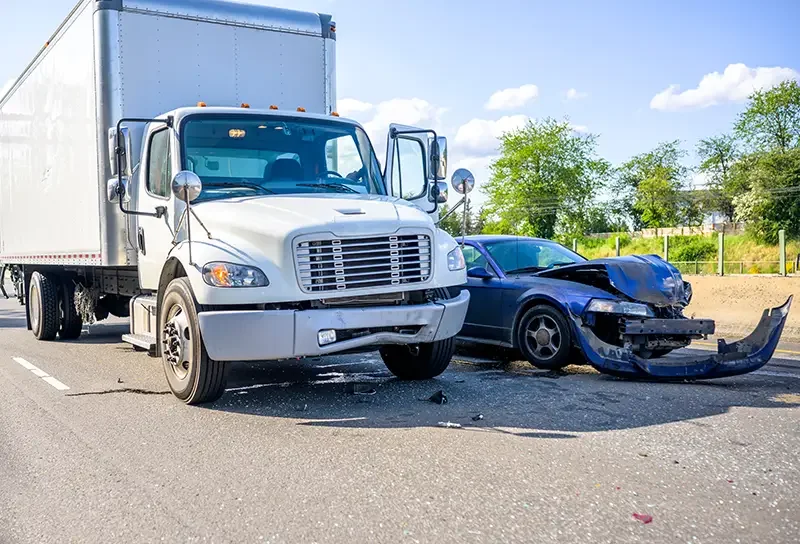
Truck Accident with passenger vehicle.

5 common causes of semi-truck collisions

Collisions involving large commercial trucks and passenger vehicles are among the worst wrecks possible. The difference in size and weight often produces catastrophic damage to the smaller vehicle. While drivers generally want to avoid any type of collision, preventing crashes that carry the highest degree of risk should be a priority. Semi-truck collisions can cause debilitating or fatal injuries and may also total passenger vehicles. Drivers who are aware of what causes these collisions can be more proactive about preventing them. What are the leading causes of semi-truck collisions? 1. Mistakes by other drivers The Federal Motor Carrier Safety Administration (FMCSA) recognizes that large trucks are responsible for slightly more than half of the commercial crashes that occur. However, many of the collisions are the fault of other motorists. Drivers who stay in blind spots for too long or cut semi-trucks off in traffic could cause collisions with disastrous results. 2. Commercial driver mistakes When looking at the FMCSA’s analysis of collisions caused by commercial vehicles, mistakes by the commercial driver are the top cause of collisions. Exceeding the speed limit or failing to yield at an intersection are seemingly minor mistakes that could have catastrophic consequences for others. 3. Surveillance failures The second most common reason that commercial vehicles cause collisions involves insufficient observation of surroundings. The failure to check blind spots or the visual distraction of the truck driver could result in them overlooking key details in traffic and then causing a collision. 4. Driver non-performance When truck drivers spend hours on the road, they may have experiences that render them incapable of performing their jobs effectively. A commercial truck operator who falls asleep at the wheel cannot maintain control as they should. Drivers who have allergic reactions, heart attacks and other medical emergencies may also become incapable of operating a commercial truck safely. 5. Vehicle issues The FMCSA estimates that approximately 10% of commercial vehicle crashes occur due to issues with the vehicle itself. Tire blowouts, brake failures and improperly loaded trailers are all vehicle issues that could cause collisions. Motorists who are aware of the factors that are within their control and outside of their control can better focus their safety efforts in traffic. Understanding the underlying cause of a semi-truck collision can help people reduce their risk of a crash or handle the aftermath of a wreck. With that said, those involved in semi-truck crashes often need help handling a complex insurance claim or taking legal action in pursuit of financial compensation, and that’s okay.

What rights do people have after a drunk driving crash?

What rights do people have after a drunk driving crash?

When a drunk driver causes a crash, fault for the collision is typically clear. Driving under the influence (DUI) offenses are crimes, and the drunk driver could very well end up facing criminal charges because of the choices that they made. The people affected by drunk driving collisions often have questions about their rights afterward. Those who have experienced drunk driving collisions may benefit from reviewing the answers to common questions below, in anticipation of speaking with a skilled legal team. Does prosecution affect compensation? State prosecutors can bring DUI charges against those accused of impaired driving. A DUI charge is separate from any request for compensation brought by the people affected by the collision. Some people mistakenly believe that a DUI conviction could prevent them from filing a personal injury lawsuit. However, double jeopardy protections only apply to prosecution by the state, not civil litigation. The people affected by a drunk driver have the right to file a lawsuit even if the state has prosecuted the driver already. In fact, a conviction for a DUI offense can strengthen the legal case of the plaintiff. Is insurance adequate? People sometimes assume that an insurance claim can cover their losses after a drunk driving crash. However, state statutes only require $30,000 in bodily injury liability protection if the crash harms one person or $60,000 coverage if two or more people sustain injuries. Plaintiffs have the right to request compensation for their current and future medical expenses. They can also request compensation for lost wages and diminished earning potential. In fact, people may have the option of requesting compensation for their pain and suffering if they take the matter to court instead of simply settling an insurance claim. Drunk drivers may lack the insurance coverage necessary to adequately compensate the people they harm. Successfully litigating is often the most effective means of obtaining compensation after a drunk driving collision. Those harmed by intoxicated motorists typically require assistance as they navigate the civil courts. Partnering with the team at Cohen, Snyder & Eisenberg, P.A. can help people pursue justice when intoxicated drivers cause major collisions. People who have support from a local law firm with experience managing insurance claims and litigation can focus on addressing the personal fallout of a serious wreck instead of fighting on their own in pursuit of reasonable compensation. Those dealing with the aftermath of a recent collision can get insight into their options by discussing the crash with the team at Cohen, Snyder & Eisenberg, P.A. by clicking here or calling 1-800-INJURED.

Drug use can complicate workers’ comp claims

Drug use can complicate workers’ comp claims

Drug use in the workplace can inspire serious consequences for both workers who are trying to avoid occupational harm and for some who have already suffered due to work-related circumstances. For example, in Maryland, workers who are injured on the job are generally entitled to benefits regardless of fault. However, if drug use played a role in causing their work-related harm, those benefits can be denied or significantly reduced. Proving—or disproving—that connection often becomes a central issue in workplace injury cases involving positive drug tests. Workers’ comp is a no-fault system… most of the time Under Maryland law, employers or their insurers can argue that intoxication or drug impairment was the primary cause of an accident. If successful, this defense can prevent an injured worker from receiving compensation for medical care, lost wages or disability. The key question is causation: Did the drug use directly contribute to the injury, or did the accident occur independently of any impairment? For example, a worker who tests positive for an illegal substance after being struck by falling equipment may still be eligible for benefits if their impairment had no role in the incident at issue. Recent research underscores how pervasive workplace drug use has become in recent years. For example, a recent survey published by the National Safety Council indicates that one-third of American workers have witnessed the use of cannabis by others during work hours. Additionally, “More than half of employers that eliminated THC testing reported an increase in incidents or workplace performance concerns.” This trend suggests that many workers use marijuana while on the clock, potentially due to stress, chronic pain or “simply” accessibility. Marijuana use can cause drowsiness, confusion, apathy and slowed reaction times—all of which heighten the risk of workplace accidents. Even so, a positive drug test does not automatically disqualify a worker from receiving benefits. The Maryland Workers’ Compensation Commission requires evidence that the intoxication directly caused the injury at issue in a workers’ claim. A skilled legal team can help affected workers – who are obviously not alone, given the widespread nature of drug use in the workplace – to make their case as successfully as possible. Employers and insurers often use drug test results to limit liability, but workers still have rights. Anyone facing a disputed claim due to alleged drug use is generally wise to seek immediate legal guidance accordingly.

Effective ways to keep your teen from texting and driving

Effective ways to keep your teen from texting and driving

Texting and driving is one of the most dangerous moves that young drivers can make. Teens are particularly vulnerable to the temptation of checking their phones behind the wheel. While teens are not always inclined to listen to their parents, parents do play a surprisingly influential role in shaping their kids’ safe – and unsafe – driving behaviors. Creating an effective family policy against texting and driving can make a real difference. By combining clear rules with creative strategies, parents can help their teens stay focused on the road and reduce the risk of their involvement in a serious crash. Informed and innovative approaches can make a difference One of the most effective steps that parents can take involves setting a strong example. Teens are usually quick to notice whether parents practice what they preach. If a parent checks their phone at a red light or sends a quick text while driving, it sends the message that the rule is flexible. Modeling consistent safe behavior, such as putting one’s phone away before starting the car, reinforces the seriousness of a family’s “no texting behind the wheel” policy. Technology can also be used to support safe driving. Many apps and phone settings now allow parents to block incoming texts or silence notifications while a car is in motion. Some even send automatic replies letting others know that a driver is unavailable. Encouraging or requiring teens to use these tools not only helps prevent distraction but also shows them that avoiding temptation is a normal and responsible choice. Creative incentives can also make a family policy more engaging. Families can set up a reward system wherein teens earn privileges or small rewards for demonstrating safe driving habits over time. On the other side, enforcing clear consequences for breaking the rule should also be part of the plan. Teens need to understand that texting while driving is not only against family rules but that risks come with real-life consequences, such as fines, license points and the potential for serious accidents. Finally, parents can encourage alternatives to texting in motion. Remind teens to pull over safely if they need to send a message or call. Teaching them that it is acceptable to stop and take a moment for safety can help them feel less pressure to multitask behind the wheel. With consistent effort, parents can work to instill habits that keep their teens safer and make the roads safer for everyone.

Contact Us

Fill out this form below and we'll contact you shortly
*Required Fields