Blog / Workplace Accidents

Blog

All Workplace Accidents Workers' Compensation Car Accidents Workplace Injuries Construction Workers' Accidents Medical Malpractice Industrial Workers' Injuries Product Liability Personal Injury Truck Accidents Firm News Wrongful Death Uncategorized
Drug use can complicate workers’ comp claims

Drug use can complicate workers’ comp claims

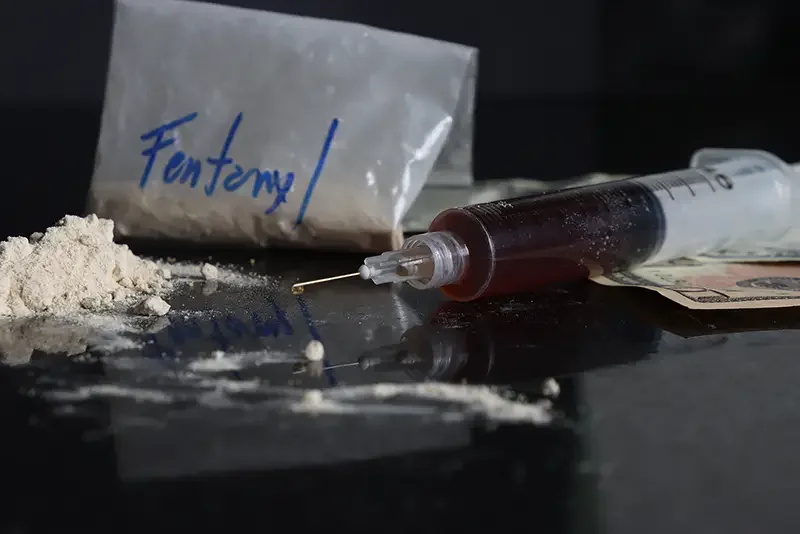
Drug use in the workplace can inspire serious consequences for both workers who are trying to avoid occupational harm and for some who have already suffered due to work-related circumstances. For example, in Maryland, workers who are injured on the job are generally entitled to benefits regardless of fault. However, if drug use played a role in causing their work-related harm, those benefits can be denied or significantly reduced. Proving—or disproving—that connection often becomes a central issue in workplace injury cases involving positive drug tests. Workers’ comp is a no-fault system… most of the time Under Maryland law, employers or their insurers can argue that intoxication or drug impairment was the primary cause of an accident. If successful, this defense can prevent an injured worker from receiving compensation for medical care, lost wages or disability. The key question is causation: Did the drug use directly contribute to the injury, or did the accident occur independently of any impairment? For example, a worker who tests positive for an illegal substance after being struck by falling equipment may still be eligible for benefits if their impairment had no role in the incident at issue. Recent research underscores how pervasive workplace drug use has become in recent years. For example, a recent survey published by the National Safety Council indicates that one-third of American workers have witnessed the use of cannabis by others during work hours. Additionally, “More than half of employers that eliminated THC testing reported an increase in incidents or workplace performance concerns.” This trend suggests that many workers use marijuana while on the clock, potentially due to stress, chronic pain or “simply” accessibility. Marijuana use can cause drowsiness, confusion, apathy and slowed reaction times—all of which heighten the risk of workplace accidents. Even so, a positive drug test does not automatically disqualify a worker from receiving benefits. The Maryland Workers’ Compensation Commission requires evidence that the intoxication directly caused the injury at issue in a workers’ claim. A skilled legal team can help affected workers – who are obviously not alone, given the widespread nature of drug use in the workplace – to make their case as successfully as possible. Employers and insurers often use drug test results to limit liability, but workers still have rights. Anyone facing a disputed claim due to alleged drug use is generally wise to seek immediate legal guidance accordingly.

Drug use can complicate workers’ comp claims

Drug use can complicate workers’ comp claims

Drug use in the workplace can inspire serious consequences for both workers who are trying to avoid occupational harm and for some who have already suffered due to work-related circumstances. For example, in Maryland, workers who are injured on the job are generally entitled to benefits regardless of fault. However, if drug use played a role in causing their work-related harm, those benefits can be denied or significantly reduced. Proving—or disproving—that connection often becomes a central issue in workplace injury cases involving positive drug tests. Workers’ comp is a no-fault system… most of the time Under Maryland law, employers or their insurers can argue that intoxication or drug impairment was the primary cause of an accident. If successful, this defense can prevent an injured worker from receiving compensation for medical care, lost wages or disability. The key question is causation: Did the drug use directly contribute to the injury, or did the accident occur independently of any impairment? For example, a worker who tests positive for an illegal substance after being struck by falling equipment may still be eligible for benefits if their impairment had no role in the incident at issue. Recent research underscores how pervasive workplace drug use has become in recent years. For example, a recent survey published by the National Safety Council indicates that one-third of American workers have witnessed the use of cannabis by others during work hours. Additionally, “More than half of employers that eliminated THC testing reported an increase in incidents or workplace performance concerns.” This trend suggests that many workers use marijuana while on the clock, potentially due to stress, chronic pain or “simply” accessibility. Marijuana use can cause drowsiness, confusion, apathy and slowed reaction times—all of which heighten the risk of workplace accidents. Even so, a positive drug test does not automatically disqualify a worker from receiving benefits. The Maryland Workers’ Compensation Commission requires evidence that the intoxication directly caused the injury at issue in a workers’ claim. A skilled legal team can help affected workers – who are obviously not alone, given the widespread nature of drug use in the workplace – to make their case as successfully as possible. Employers and insurers often use drug test results to limit liability, but workers still have rights. Anyone facing a disputed claim due to alleged drug use is generally wise to seek immediate legal guidance accordingly.

Why employees may need workers’ comp if they break a leg at work

Why employees may need workers’ comp if they break a leg at work

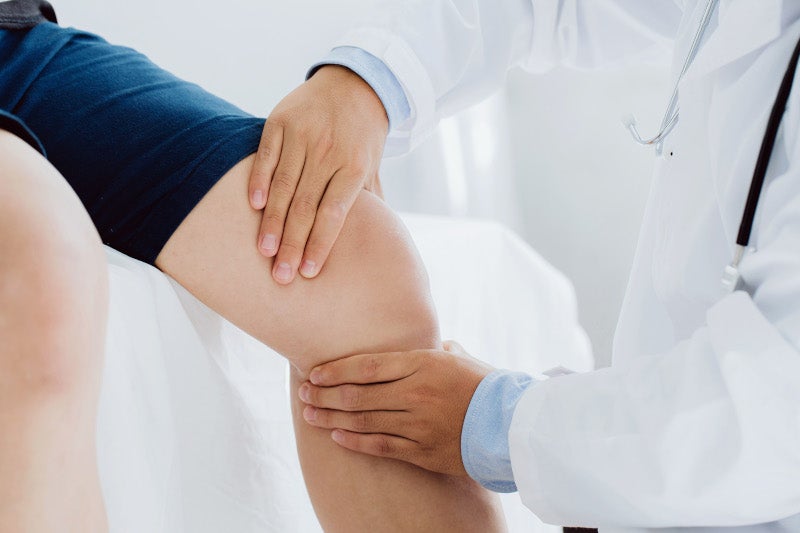
Workers’ compensation coverage in Maryland is typically available to individuals in many different professions. Part-time and seasonal workers, employees on their first day and even teenage cashiers may be eligible for workers’ compensation benefits if they get hurt on the job. Some professionals, including blue-collar employees, may try to avoid using workers’ compensation. They worry about alienating their employer or believe they have the necessary resources to handle the issue on their own. For example, if a worker breaks their leg on the job, they may believe they can use their own health insurance coverage to pay for their treatment. They could cash in their paid leave benefits until they recover enough to return to work. What those workers may not realize is that they may ultimately absorb thousands of dollars in losses if they don’t file a workers’ compensation claim. Broken legs take months to heal The first important consideration for a blue-collar worker with a broken leg is how long their body requires to heal the injury. The recovery time depends on what bone someone breaks. Femur fractures are relatively rare, while tibia and fibula fractures are somewhat more common. The femur does take longer to knit than the tibia or fibula. However, regardless of what bone a worker breaks, they can anticipate missing two months or more of work unless their employer can accommodate them. Someone with a broken bone in their leg probably can’t be on their feet all day. They cannot perform the arduous tasks associated with blue-collar work. They could easily burn through all of their accumulated paid time off benefits and still have several weeks of recovery time ahead of them. Workers’ compensation coverage provides disability benefits. Temporary disability coverage can replace 2/3rds of the worker’s lost wages, tax free, until they can get back to work. This saves the workers accumulated sick leave for off-the-job injuries or illnesses they may encounter. They may also be eligible for partial disability benefits if their employer moves them to a different position and reduces their wages. Those benefits allow the worker to preserve their paid leave without losing all of their income during their convalescence. Additionally, the health benefits available through workers’ compensation are quite valuable. Most health insurance plans have high deductibles and also coinsurance requirements. Someone with a broken leg may have to pay thousands of dollars for their treatment. Health coverage through workers’ compensation can pay for 100% of an individual’s treatment expenses until they recover fully or stop responding to treatment. Finally, even after a worker returns to work, they may still have some pain or restriction in the use of the injured body part, so as to make more difficult the work they perform. In that case they may be entitled to an additional monetary award for permanent partial disability from the Maryland Workers’ Compensation Commission. Filing a workers’ compensation claim is often the best solution for someone with a broken leg or other injury caused by their job activities. Those who understand the benefits available may see the value of pursuing a benefits claim.

Warehouses Becoming Increasingly Dangerous Places For Workers

Warehouses Becoming Increasingly Dangerous Places For Workers

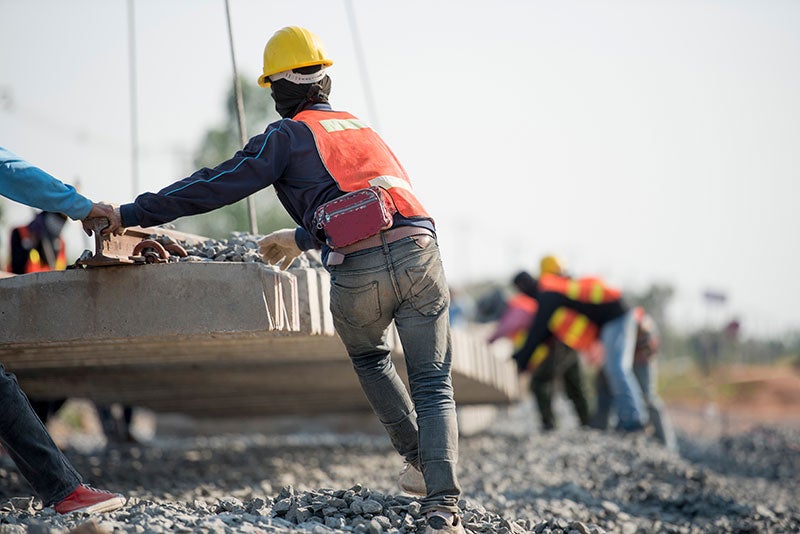
In the bustling world of online shopping, warehouse workers are the unsung heroes ensuring that consumers receive their products swiftly. The rise of e-commerce has significantly increased the demand for these workers, and the Bureau of Labor Statistics found that 1.8 million people worked in warehouses in 2023. With the rapid pace and high volume of goods moving through shipping warehouses, the risk of workplace injuries has surged. These environments, with their heavy machinery and constant activity at all hours, can be a hotbed for accidents if safety measures are not strictly followed. In fact, a 2023 study by the Center for Urban Economic Development at the University of Illinois Chicago found that half of all Amazon warehouse workers are injured if they work there for more than three years, and 69% have taken unpaid time off due to pain or exhaustion, half them doing so three or more times. Common Warehouse Injuries Injuries and their severity will vary, but these involve the more serious ones that can include long-term disability or death: Forklift Accidents: Forklifts are vital in warehouses but can be deadly. Workers may be struck by or trapped under these vehicles. Slips, Trips, and Falls:Wet floors or misplaced items often lead to these accidents, which can cause severe injuries like fractures or head trauma. Lifting Injuries:Improper lifting techniques can result in musculoskeletal disorders, including herniated discs and chronic back pain. Falling Objects:Improperly stored items can fall, potentially causing concussions or even fatal injuries to workers below. Loading Dock Incidents:Workers can fall from docks or be crushed between docks and vehicles, leading to serious injuries or death. Conveyor Belt Mishaps:Entanglement in a conveyor can cause crush injuries or amputations, particularly when safety guards are not in place. Repetitive Strain Injuries:Constant repetition of tasks can lead to conditions such as carpal tunnel syndrome, affecting nerves and muscles. NBC also recently broadcasted a profile of Amazon workers in California who are dealing with extreme heat during the summer months. Many warehouse workers also work second and third shifts, where fatigue can also play a greater role. These and other circumstantial factors likely contribute to the above causes of the injuries and the need to take unpaid time off. Post-Injury Steps to Take When a worker is injured on the job, reporting the injury and immediate medical attention are the first and foremost steps to be taken. Following initial treatment, understanding one’s rights and the subsequent legal steps is crucial, especially for workers facing long recovery periods (or families dealing with the aftermath of a fatal accident). Filing a Worker’s Compensation or personal injury claim is not just about seeking justice; it’s about securing the financial support needed for medical bills, lost wages, and related expenses during a challenging time. In Maryland, Worker’s Compensation is a vital safety net for those hurt on the job, and it’s important to file a claim promptly to better ensure coverage of these costs. How Worker’s Compensation Is Different Than Personal Injury Worker’s Compensation is an insurance program mandated by the state to provide benefits to employees who suffer job-related injuries or illnesses. This system is designed to help cover medical care, provide wage replacement benefits, and offer vocational rehabilitation if necessary. If there is a permanent injury from the accident or illness then an additional monetary award is made to the injured employee. For families of workers who have died due to a workplace accident, Worker’s Compensation can provide death benefits to help with financial burdens. The purpose of this program is to support injured workers and their families without the need for a lengthy legal battle over liability. Worker’s Compensation is typically a no-fault system, meaning employees need not prove the employer’s negligence to receive benefits and negligence on the part of the injured employee in causing the accident is not a bar to recovery. Benefits to the injured employee are often started quickly after a serious accident. Conversely, a personal injury claim is a legal process where an injured party seeks compensation from those responsible for their injuries due to negligence or intentional harm. Unlike Worker’s Comp, fault must be established, and the claim can result in compensation for pain, suffering, and other damages not covered by Worker’s Compensation. These benefits are paid, in most cases, months or years after the accident in a lump sum either by settlement or court judgement. Precautions that employers can take We’ve established that warehouses are dangerous places for employees. Still, there are several precautions that employers can take to reduce the risk of injuries: Provide proper training on equipment and tools. Implement strict safety protocols and procedures. Encourage regular breaks to prevent fatigue. Maintain a clean and organized work environment. Invest in ergonomic equipment. Conduct routine safety inspections. Promote open communication about safety concerns. Offer incentives for following safety guidelines. Provide access to personal protective equipment. Create a culture of safety awareness and accountability. By implementing these safety precautions, warehouse employers can create a safer work environment for their employees. Employers can also benefit by saving money on insurance costs and reducing disruptions to staff and production. Lawyers Can Be An Ally in Recovery A worker’s compensation attorney plays a critical role in helping injured workers navigate the complexities of filing a claim. From gathering the necessary documentation to representing clients in hearings, an attorney ensures that the injured party receives the maximum benefits they are entitled to. Services provided by these legal professionals include evaluating the claim’s validity, advising on the legal process, and fighting for the worker’s rights against insurance companies or employers who may attempt to deny a legitimate claim. Here in Maryland, warehouse workers and their families do not need to face the aftermath of a workplace injury alone. By partnering with a knowledgeable worker’s compensation attorney, they can focus on recovery and rehabilitation, knowing that someone is vigorously pursuing their legal and financial interests.

Can mistakes at work affect workers’ compensation benefits?

Can mistakes at work affect workers’ compensation benefits?

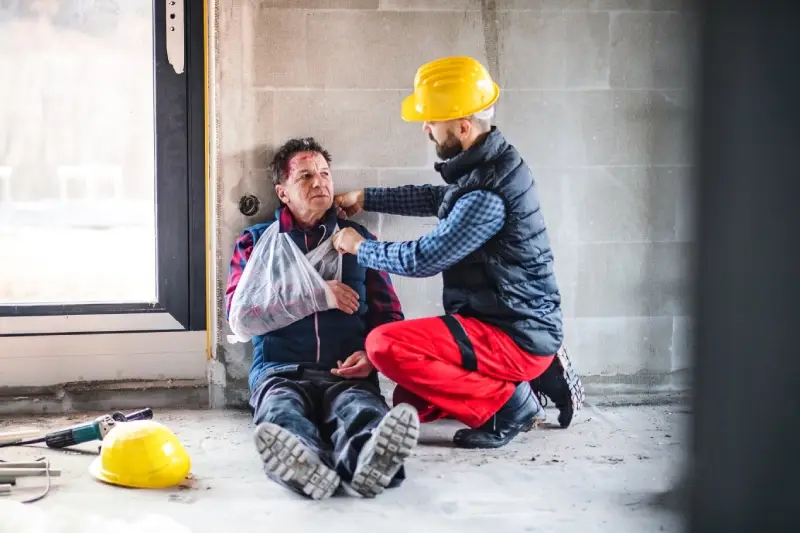
Every job comes with a degree of risk. From the potential of a machinery-induced injury in a manufacturing facility to the risk of violence in hospital settings, there are countless ways for employees to end up hurt on the job. Their injuries could prevent them from working and could lead to major medical expenses. Workers’ compensation benefits are available in certain scenarios. Employees in Maryland can file a claim when they have an injury directly related to the job that they perform or when they develop an occupational illness. The benefits available include full medical coverage that can pay for all of someone’s treatment costs and disability benefits to replace a portion of the income someone can’t earn due to their medical challenges. Not all workers who qualify file claims Many people are unsure of the rules that govern workers’ compensation claims. They may, therefore, worry that if they seek benefits when they should not, they might alienate their coworkers or endanger their professional future. As a result, many potentially qualified employees never pursue workers’ compensation benefits. One of the common explanations given for not seeking benefits is that the employee recognizes they are at least partially at fault for their injuries. Those people may not understand how workers’ compensation actually functions. Fault is not a major concern in most cases A worker’s inadvertence or negligence that contributes to an accident does not bar the worker from receiving Workers’ Compensation benefits. Exposure to workplace conditions directly contributing to onset of an occupational disease is covered by Workers’ Compensation. Every employer in the State of Md. is required to carry Workers’ Compensation insurance, with few exceptions. Benefits for which an injured worker is entitled includes medical, wage loss, and compensation for a resulting permanent injury. Unfortunately, these benefits are not paid automatically, as the Insurers often reject even obvious compensable claims, hoping the injured worker will be frustrated enough to give up pursuing his/her claim. Seeking personalized legal guidance is a good way to get started in the pursuit of the benefits provided by the Maryland Workers’ Compensation statute.

How does workers’ compensation cover occupational hearing loss?

How does workers’ compensation cover occupational hearing loss?

As a type of insurance, workers’ compensation helps pay for the medical costs of an employee who has suffered a work-related injury or illness and wages lost due to impairment. You might think that compensation only applies to visible ailments, such as broken bones, cuts, lost fingers or limbs and so on. But the insurance also covers medical conditions that aren’t immediately apparent, like occupational hearing loss. Occupational hearing loss is a real issue in workplaces with dangerously high sound levels, such as airport runways, construction sites and mining facilities. But when filing a claim for work-related deafness, exactly how much in benefits will you receive? How will medical experts gauge your hearing loss? Measuring occupational hearing loss When you file a claim for occupational hearing loss, you must participate in a specialized deafness test. The test takes place in a sound room designed to measure deafness, where doctors will ask you to wear earphones connected to an audiometric instrument. Personnel will then measure your hearing thresholds at 500, 1,000, 2,000, and 3,000-hertz frequencies. These results and an exam by an otolaryngologist (ENT) specialist will be determinative of the causal relationship between the hearing loss and the employee’s occupation. From these results, the medical providers will calculate your average hearing loss by a complicated formula found in the Maryland Workers’ Compensation statute. If after the calculation is done you have a hearing loss above the statutory threshold, you will be entitled to compensation for this hearing loss in accordance with the statute. You will also be entitled to coverage by the Workers’ Compensation Insurer for the cost of future hearing exams and hearing aids, if necessary. The doctors will also calculate the percentage of hearing loss in both ears and determine if you have a compensable loss in both ears or only one ear. Your employer is liable for the full extent of occupational hearing loss you’ve suffered and must pay the percentage in benefits. However, your employer can also contest the claim and only pay for the hearing loss it says it’s liable for if it can present evidence – such as the results of a previous hearing test – proving your hearing loss before employment. Your employer may also reject your claim completely asserting that your hearing loss was not caused by your work with the employer. Whether your employer denies your claim or asserts it’s only partially liable, you can request a hearing with Maryland’s Workers’ Compensation Commission. As noted above, proving an occupational hearing loss is complicated. Having legal counsel with you when determining whether to pursue an occupational hearing loss or requesting a hearing may be helpful.

Has your knee been injured in a work-related fall?

Has your knee been injured in a work-related fall?

Unpredictability is one of the most dangerous things about falls. They can happen to anyone at any time, including in the workplace. Many times, you may be able to simply dust yourself off after a fall and get on with your day. Sadly, however, this is often not the case. Falls can be hard on your knees, and the resulting injuries can be serious. Outlined below are some of the more severe knee injuries associated with work-related falls. Damaged ligaments Torn ligaments are among the more serious and painful knee injuries that can result from a fall. The knee is comprised of four ligaments: the anterior cruciate ligament (ACL), the posterior cruciate ligament (PCL), the medial collateral ligament (MCL) and the lateral collateral ligament (LCL). Ligaments help the knee move forward and backward, as well as to rotate from side to side. Because each of these ligaments has a distinct function, damage to any of them can be painful and limit your mobility. Surgery and an extended period of recovery are often the only way to get better after ligament damage to avoid chronic pain issues. Dislocations During a fall, your knee may be manipulated and twisted into positions it is not designed to be in. This can result in a dislocation, which is very painful and can be difficult to treat. As a general rule, the sooner you seek medical treatment after this type of injury the better. Depending on whether or not there is nerve damage, you may require multiple surgeries before you can get back on your feet. If your knee has been injured in a fall at work, then you may be entitled to compensation for your pain and suffering. This won’t undo the damage, but it will help you to stay on top of your finances while you recover and are unable to work. Seeking legal guidance will offer you the best possible chance at obtaining a just outcome in your case.

A closer look at nail gun safety

A closer look at nail gun safety

Nail guns are a common sight in workshops and construction sites across Maryland. When used appropriately, they can increase productivity and efficiency at work. However, it is important to remember that nail guns are a powerful piece of equipment. According to the CDC, nail guns result in 37,000 emergency room visits annually and 68% of these visits involve workers. It only takes one small error or malfunction for something to go horribly wrong. Outlined below are a few examples of how nail gun accidents can occur. Faulty equipment Any tool that has the potential to be dangerous must be routinely maintained. Older equipment is more likely to malfunction. Usually, nail guns have safety mechanisms in place, such as guards. If these are bypassed or missing, then it makes an accident and injury much more likely. Underestimating the power Nail guns can penetrate all sorts of tough materials, especially wood. If a piece of wood is not very thick, it’s possible that the nail could penetrate all the way through to the other side, catching the nail gun operator off guard and posing injury risks. Nails can also ricochet when using the tool on certain surfaces like metal. When this happens, the nail essentially becomes a missile that can penetrate flesh and cause serious damage to the eyes. Preventing nail gun injuries Employers have a legal duty to ensure that workers are as safe as possible. This includes taking preventative measures like maintaining tools, providing appropriate safety gear and facilitating adequate training. Proper training is especially important, both for new and experienced workers. This can help workers understand the tool’s different triggers, how to hold and load the nail gun, what to do when it malfunctions and more. If you have suffered an injury on the job, then you may want to consider your options regarding workers’ compensation. An experienced attorney can help you understand your next steps.

Is working in retail a safe option?

Is working in retail a safe option?

Working in retail might initially seem like a safe option, compared to industries where the risks are more apparent like construction or manufacturing. However, the CDC states that retail work poses one of the highest risks for workplace violence. Depending on the environment, you might also be at risk for injuries from everyday hazards, like wet floors, falling equipment, repetitive motions and more. What should you know about staying safe as a retail worker? Beware of slips, trips and falls Slips, trips and falls are common causes of accidents in many retail stores. These can be due to a variety of circumstances, including: Slick or slippery surfaces not properly marked with a wet floor sign Lingering snow or ice in walkways or parking lots in the winter months Ladders that have not been properly extended or set up Broken handrails on staircases If you see a hazard in the workplace, inform your supervisor of this immediately to protect yourself and others. Understand other hazards specific to your workplace Your role might require you to continually lift heavy boxes of product or scan items at a checkout all day. Whatever your role might be, you should understand the hazards associated with this. Lifting heavy objects all day with few breaks can lead to overuse injuries, like those to your back, shoulders, wrists and more. Additionally, you should beware of objects that pose a falling risk if you continually must walk back to a warehouse, for example. Lastly, repeating the same motions day after day can lead to repetitive use or stress injuries like tendonitis or carpal tunnel. These injuries can take time to develop. Regular stretching and breaks from the motion are key to do what you can to prevent the onset of these injuries. Violence in the workplace Violence in the workplace is a threat across all retail stores, whether you work at a grocery store, clothing store, gas station or another business. It is important to know the protocol for what to do in an emergency, as well as to ensure that the area you work in is well lit, doors that should be locked remain locked and security cameras are fully functioning. If you suffer an injury while working in a store, understanding how to claim workers’ compensation insurance will be crucial to ensuring your costs are covered.

High-risk activities that can lead to workplace amputation accidents

High-risk activities that can lead to workplace amputation accidents

A workplace accident can lead to amputation in one of two ways: 1) you could lose a limb in the actual accident or; 2) the event could leave you with injuries so severe that surgeons have little choice but to amputate afterward. According to the U.S. Bureau of Labor Statistics, machinery was involved in 58% of workplace amputations in 2018. Serious accidents that lead to amputations can happen due to a wide range of incidents. Hazardous activities and equipment Accidents that can lead to an amputation can happen in many different industries, from construction to restaurants. OSHA states the following activities and equipment pose the greatest risks for amputation when left “ unguarded or inadequately safeguarded”: Mechanical power presses and power press brakes Conveyors, both powered and non-powered Food slicers and meat grinders Drill presses Milling machines Table and portable saws Printing presses Workers can lose a finger, hand, toe, foot or more through compression, crushing or getting stuck between objects. Workplace-related amputations accounted for 6,200 missed days from work in 2018, with the median recovery time for an injury lasting 31 days, according to the Bureau of Labor Statistics. How can workers stay safe? Employers have a responsibility to protect employees from workplace hazards. Safeguarding high-risk machinery and providing regular employee safety training are critical to lessening the risk of serious accidents. OSHA states two clear ways to safeguard stationary or portable machinery: Guards: These provide secure physical barriers to the hazardous part of the machinery. Devices: These can be used in place of or in addition to guards and can prevent dangerous contact. The loss of a limb can be catastrophic. Depending on the severity of the accident, you may be unable to return to work or at least to your exact position. Workers’ compensation can provide injured workers with the compensation they need to recover from a serious accident.

The dangers of being a public safety worker in Maryland

The dangers of being a public safety worker in Maryland

Working as a Maryland police officer, paramedic, firefighter, or correctional officer can require individuals to put their safety on the line to protect civilians. These are stressful, demanding jobs that typically involve long hours, emotional distress and exposure to hazardous situations. Due to the nature of their occupations, public safety workers can suffer severe injuries and illnesses. Common conditions among public safety workers Some of the most common conditions that workers in the public safety sector experience include: Back injuries Muscle sprains and strains Heart disease Stress Hypertension Sudden cardiac events Cancer Infectious diseases Physical assaults Emotional distress While there are several measures designed to reduce public safety workers’ exposure to these conditions, accidents still happen. And some chronic conditions develop due to unavoidable aspects of a job, like lifting, twisting or driving. Getting the benefits you deserve Maryland laws recognize that these illnesses and injuries are often job-related for those who work in public safety. Thus, workers who experience these conditions and need to take time off work because of them will want to explore their options for workers’ compensation. These benefits cover medical care and partially replace any wages an employee loses due to their condition. Public safety workers put themselves in situations to protect the rest of us. They enter unsafe buildings, interact with dangerous people and tend to people who need help. As a result, they can and often do suffer health-related consequences. Ensuring that these parties who help others can get the support they deserve is crucial. Additionally, due to the dangerous nature of these workers’ occupations, there are certain legal advantages the Maryland legislature has provided for public safety employees. If you or your loved one works in public safety and have experienced an accident or illness that prevents you from working, talking to an attorney about your options for workers’ compensation will likely be beneficial.

Work hours can contribute to workplace accidents

Work hours can contribute to workplace accidents

There are numerous factors that can increase a worker’s risk of being hurt on the job. Everything from the industry they work in to their age can put someone in danger of a severe accident that results in lost wages, significant medical expenses and emotional distress. Even the hours you work could also be exposing you to a higher risk of a workplace accident. Irregular hours, long shifts Working long hours and shift work are two types of schedules that can be hazardous to employee safety. People in these situations can experience worker fatigue, which can be very unsafe. When people do not get adequate, consistent rest, their judgment and memory can be impaired; they can get confused more easily; and they can have slower reaction times. These symptoms can lead to mistakes and oversights that put individuals in danger, particularly those who work in industries like: Construction Medical services Transportation Warehouse management Roofing Agriculture Manufacturing Employees who work shift hours or have been working extended hours can be more likely to slip, lose focus or make mistakes that ultimately put their lives in danger. Combatting fatigue to stay safe If you work odd or extended hours, there are some steps you can take to protect yourself. Some ways you can stay safe and avoid a serious workplace accident include: Taking scheduled breaks Refraining from operating heavy machinery if you have not had adequate rest Visiting a doctor if you are having trouble sleeping Making sure you work in good lighting and comfortable temperatures Refraining from using unsafe stimulants and drugs to try and stay alert These measures can help you prioritize your health and safety. And if an employer interferes with these measures or denies you the right to a safe work environment, you may file a complaint to correct things. There may be no way to prevent every accident from happening at work; however, identifying the factors that increase the threat of an injury-causing incident can help workers proactively minimize their risk.

Contact Us

Fill out this form below and we'll contact you shortly
*Required Fields