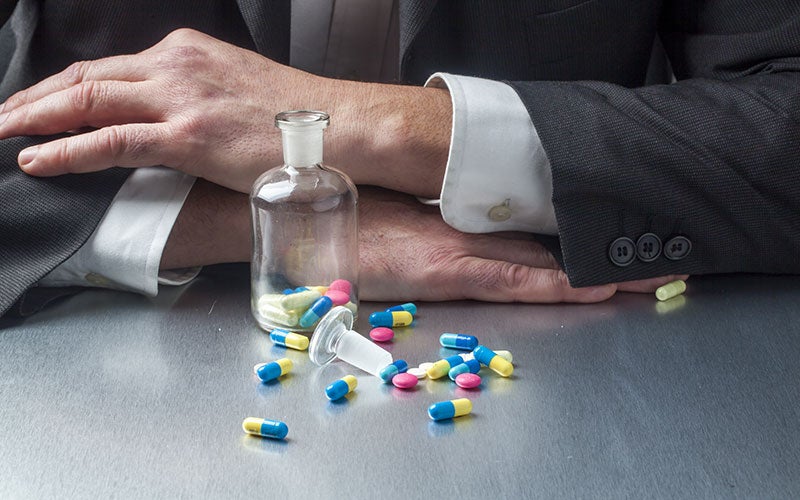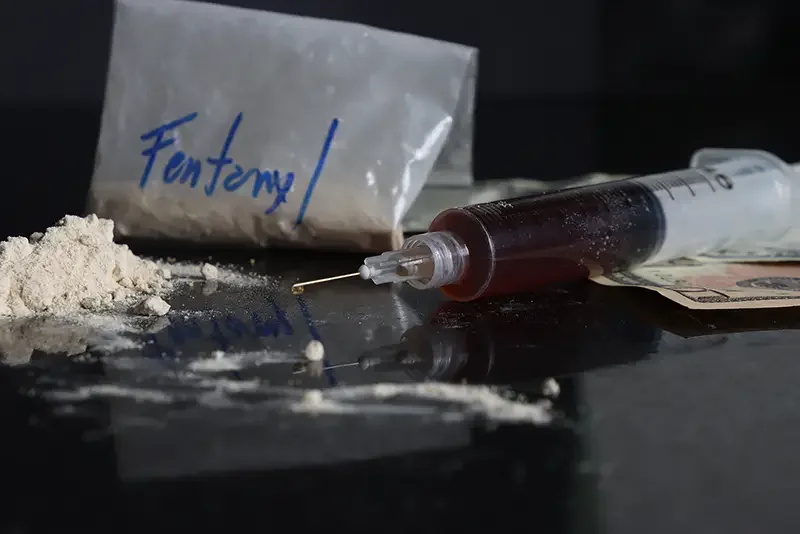
Drug use in the workplace can inspire serious consequences for both workers who are trying to avoid occupational harm and for some who have already suffered due to work-related circumstances. For example, in Maryland, workers who are injured on the job are generally entitled to benefits regardless of fault. However, if drug use played a role in causing their work-related harm, those benefits can be denied or significantly reduced. Proving—or disproving—that connection often becomes a central issue in workplace injury cases involving positive drug tests. Workers’ comp is a no-fault system… most of the time Under Maryland law, employers or their insurers can argue that intoxication or drug impairment was the primary cause of an accident. If successful, this defense can prevent an injured worker from receiving compensation for medical care, lost wages or disability. The key question is causation: Did the drug use directly contribute to the injury, or did the accident occur independently of any impairment? For example, a worker who tests positive for an illegal substance after being struck by falling equipment may still be eligible for benefits if their impairment had no role in the incident at issue. Recent research underscores how pervasive workplace drug use has become in recent years. For example, a recent survey published by the National Safety Council indicates that one-third of American workers have witnessed the use of cannabis by others during work hours. Additionally, “More than half of employers that eliminated THC testing reported an increase in incidents or workplace performance concerns.” This trend suggests that many workers use marijuana while on the clock, potentially due to stress, chronic pain or “simply” accessibility. Marijuana use can cause drowsiness, confusion, apathy and slowed reaction times—all of which heighten the risk of workplace accidents. Even so, a positive drug test does not automatically disqualify a worker from receiving benefits. The Maryland Workers’ Compensation Commission requires evidence that the intoxication directly caused the injury at issue in a workers’ claim. A skilled legal team can help affected workers – who are obviously not alone, given the widespread nature of drug use in the workplace – to make their case as successfully as possible. Employers and insurers often use drug test results to limit liability, but workers still have rights. Anyone facing a disputed claim due to alleged drug use is generally wise to seek immediate legal guidance accordingly.

Should You Accept the First Settlement Offer From an Insurance Company?
Navigating the aftermath of an accident can be daunting, especially when faced with the decision of accepting the first settlement offer from an insurance company. While a quick settlement can seem tempting, especially when expenses are mounting, it's crucial to ensure you receive adequate compensation for your losses. This is particularly true in Maryland, where legal nuances can significantly impact your case. Understanding the Insurance Company's Motivation Fundamentally, insurance companies are businesses, and their primary objective is to maximize profits. This often means minimizing payouts for claims. Initial settlement offers are strategically low, designed to quickly resolve claims for less than what might be fair compensation. By understanding their motivation, you can better assess their offers and make informed decisions about your settlement. Why the First Offer is Often Deceptive The first settlement offer typically does not reflect the true value of your claim. Insurance companies may pressure you to accept an inadequate offer before the full extent of your injuries becomes apparent. Delayed symptoms or long-term impacts might not be immediately evident, making early offers particularly risky. Maryland-Specific Legal Considerations In Maryland, two critical legal principles profoundly impact personal injury claims: Statute of Limitations: You have three years from the date of injury to file a lawsuit. This timeline allows you to carefully assess your injuries and damages before settling. Contributory Negligence: Maryland adheres to a strict contributory negligence rule, meaning if you are found even 1% at fault for the accident, you may be barred from receiving any compensation. This makes building a strong legal case with the help of an experienced attorney imperative. What Damages Might You Be Entitled To? Considering all potential damages is crucial when evaluating a settlement offer. These damages might include: Medical expenses (current and future) Lost wages and loss of earning capacity Pain and suffering Emotional distress An accurate valuation of these damages requires thorough legal and medical evaluation, underscoring the importance of professional guidance. Steps to Take Before Accepting or Rejecting an Offer Before deciding on an offer, consider the following steps: Collect comprehensive documentation of your medical reports and expenses. Consult a personal injury attorney specializing in Maryland law to assess the offer. Evaluate the long-term implications of accepting a settlement, including the waiver of further claims. When to Consult a Maryland Personal Injury Attorney If you’re dealing with an insurance claim in Maryland, it’s critical to consult with a knowledgeable attorney, such as the experts at Cohen, Snyder & Eisenberg, P.A. An attorney can ensure you receive a fair assessment, shield you from unfair tactics, and represent your best interests in negotiations or court, if necessary. For more information or to arrange a free consultation, contact us today. Embrace this opportunity to secure the compensation you deserve, navigating your personal injury claim with confidence and clarity.