Blog / Workplace Injuries

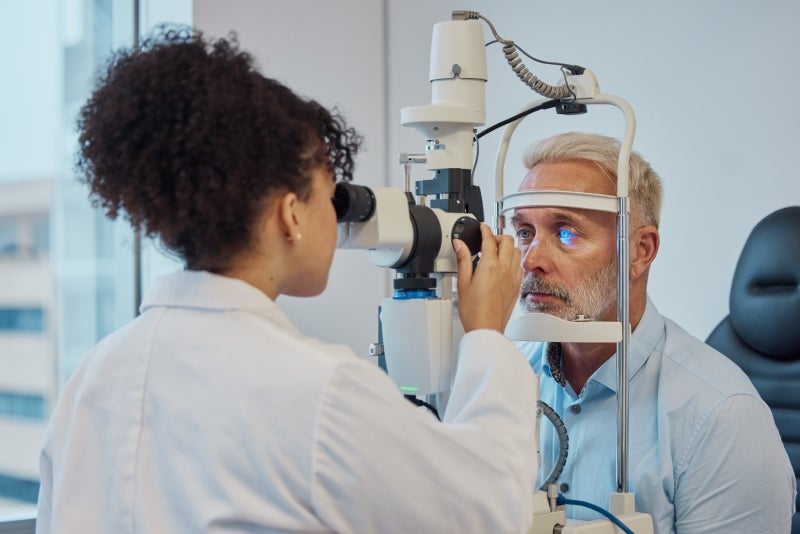
Eye injuries are more common than workers think

Eye injuries are more common than workers think

Slips and falls, muscle strains and fractures are just a few of the most common work injuries. Injuries to a worker’s eyes do not fall on this list.

So, not many workers worry about their eyes on the job. For example, a construction worker likely worries much more about falling and potentially breaking a bone than they do about their eyes. Yet, work injuries that affect the eyes are more common than many workers might wish to believe.

How common are eye injuries on the job?

Injuries to the eyes are much more common than many workers might think:

  • Roughly 2,000 workers suffer eye injuries every day on the job; and
  • 10% to 20% of these injuries result in temporary or permanent loss of vision.

Recovering from an eye injury can take days, causing individuals to miss work. And if the injury leads to blindness, it could impact their entire life and ability to work in the future.

Under Maryland law, workers who suffer an eye injury would be entitled to collect workers’ compensation benefits. Additionally, loss of vision is often a permanent total disability (Maryland Code, Labor & Employment §9-636). Workers and their families could qualify to collect disability benefits to cover the worker’s lost earning ability and medical treatment.

However, all workers can take action now to protect their eyes from such injuries.

How do eye injuries happen in the workplace?

According to the Centers for Disease Control and Prevention (CDC), some of the most common hazards that can result in eye injuries include:

  1. Striking materials, which can lead particles to fly into the eye; and
  2. Exposure to dangerous chemicals, which can burn the eyes.

This is precisely why safety glasses are essential for many jobs, including:

  • Construction work;
  • Electrical work;
  • Factory work;
  • Mechanics and manufacturing; and
  • Healthcare work.

Wearing safety glasses may sound like a simple solution, but Safety + Health Magazine reports that safety glasses can prevent roughly 90% of all eye injuries. When workers take the proper safety precautions – such as wearing safety goggles – they can significantly reduce their risk of sustaining a life-changing work injury.

Posted in:

Related Posts

Cubital tunnel syndrome: Carpal tunnel’s lesser-known cousin

Cubital tunnel syndrome: Carpal tunnel’s lesser-known cousin

You have probably heard of a condition called carpal tunnel syndrome. But there is a different physical issue called cubital tunnel syndrome that also might come from the job you do. Cubital tunnel syndrome often arises from actions such as bending the elbow for lengthy periods of time or habitually setting your elbow down upon a desk chair arm, for example. Doing things like grasping a telephone receiver or driving for prolonged periods could be other work-related causes of cubital tunnel syndrome. Cubital tunnel syndrome explained Unlike carpal tunnel syndrome (the middle finger, thumb and index finger are involved), cubital tunnel syndrome is noticeable in your ring and pinky fingers. You might lose sensation in those fingers or feel like you have “pins and needles.” Your ulnar nerve extends the length of your arm into your hand. According to the Cleveland Clinic, “Cubital tunnel syndrome happens when that nerve is irritated or compressed…if left untreated, can lead to muscle weakness and atrophy.” Characteristic signs of cubital tunnel syndrome These symptoms should alert you to the possibility that you could have cubital tunnel syndrome: Periodic numbness affecting your fingers and hand Fingers and hands that occasionally feel like they tingle Inside of the elbow could have a painful sensation How can you make it less likely that you will develop cubital tunnel syndrome? There are some simple precautions you can take: Don’t keep your arm bent for long stretches of time Avoid putting unnecessary pressure on your elbow by placing it on the armrest of your chair at work. If you are aware of that habit, try to change it. No frequent leaning on your elbow When not treated, cubital tunnel syndrome can lead to the muscles in your hand atrophying, thus becoming less flexible and functional. That can be a major physical impairment. If your cubital tunnel syndrome came from performing your job duties, workers’ compensation could help.

Can you claim workers’ compensation without an accident?

Can you claim workers’ compensation without an accident?

Workers’ compensation is often associated with catastrophic injuries that happened at a specific point. A fall, overexertion or being struck by an object are all common examples of this. However, injured or ill workers can also claim workers’ compensation when an injury or illness gradually happened over time. Examples of gradual injuries and illnesses Gradually onset injuries or occupational diseases can take many forms and result from a wide array of activities or conditions, including: Years of typing at a computer leading to carpal tunnel syndrome or tendinitis Ongoing exposure to chemicals or toxic substances resulting in life-threatening illnesses Repetitive stress injuries are often associated with gradually onset injuries. However, workers across many different industries can develop injuries or illnesses stemming from the workplace over time, from construction and manufacturing workers to nurses, office workers, teachers and more. Special considerations for firefighters and police officers Firefighters, police officers, and Correctional Officers in Maryland have unique considerations for certain occupational diseases. For example, if they develop heart disease or hypertension that leads to disability or death, or if a firefighter is diagnosed with certain types of cancer or lung disease, the condition is presumed to be work related. This is referred to as a presumption of compensability, which allows these workers to more easily seek the benefits and compensation they need. What to understand about filing a workers’ compensation claim Filing for workers’ compensation after suffering a gradually onset condition can differ slightly from the process a worker injured in a single event will follow. Maryland workers are generally encouraged to report the injury to their employer immediately. However, you might not understand the extent of your injury or illness for some time. If your health has suffered due to your work, consider discussing your situation with a workers’ compensation attorney, even if the condition developed over time. These cases can be complex and your employer will likely dispute that your injury or illness is work related. Getting help to understand if you have a valid claim and what steps to take will be crucial to giving yourself the best chance to recover the financial help you need.

Get hit on the head at work? Know the signs of concussion

Get hit on the head at work? Know the signs of concussion

A concussion is not just something that happens in crashes or football games. It can occur whenever a person experiences an event that causes the head to move back and forth rapidly. For instance, concussions can happen to people while they are at work if they fall off a ladder, get hit by an airborne object or are close to an explosion. In these situations, knowing the signs of a concussion can ensure injured parties receive the care they need to treat injuries. Concussion symptoms After someone experiences a jolt or blow to the head, be mindful of concussion symptoms, including: Headaches Nausea Vomiting Blurred vision Fatigue Ringing in the ears Confusion Problems with concentration Difficulty sleeping These symptoms may seem minor at first, but pay attention to any that worsen or do not go away. However, immediate medical attention is vital for someone experiencing: Slurred speech Loss of consciousness Seizures Numbness An inability to wake up These are symptoms that can indicate brain trauma that requires emergency care. Protecting yourself before and after an accident Individuals should take care to prevent concussions on the job. Some ways to do this include wearing hard hats and helmets, avoiding unsafe areas and using fall prevention systems. If someone does get hit on the head or is exhibiting symptoms of a concussion, getting out of a dangerous situation right away is vital. If a person experiences another trauma shortly after the first, it can cause or exacerbate permanent damage. Even if the symptoms of a concussion are minor, all victims should get medical attention. Thinking a person could brush off the incident and go back to work can have catastrophic consequences to their physical and cognitive functions. Concussions can affect a person’s life in many ways, so employers and employees must take them seriously. Preventive efforts can be essential, as are policies that allow workers to seek medical attention after a workplace injury. Further, training employees and managers on spotting these signs of a concussion can help everyone stay safer on the job.