Blog

All Workers' Compensation Car Accidents Workplace Accidents Workplace Injuries Construction Workers' Accidents Medical Malpractice Industrial Workers' Injuries Product Liability Personal Injury Truck Accidents Firm News Wrongful Death Uncategorized
What is the most dangerous job in the U.S.?

What is the most dangerous job in the U.S.?

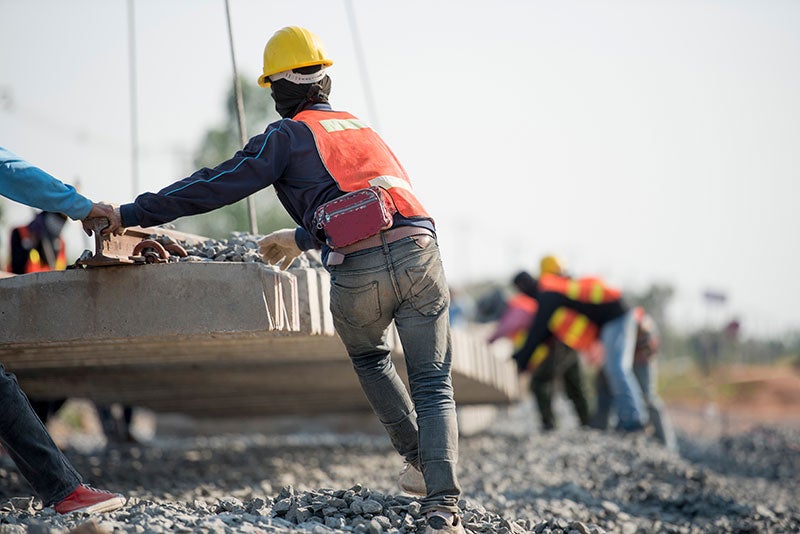
When faced with this question, many people say the construction industry is the most dangerous in the country. This guess is not far off – construction is on the list of the most dangerous jobs almost every year. However, over the last few years, the job involving the most fatal work injuries has been logging. Study finds logging is the most dangerous job In Maryland, there are roughly 1,300 workers in the logging and mining industry. Even so, it is an important industry. It provides many of the materials necessary for construction, manufacturing and even making paper products. Yet logging work is also the most dangerous job of 2020, with the highest rate of fatal injuries at 97.6. Unfortunately, this is not new information. Logging – like construction – is often on the list of the most dangerous jobs. It was also number one on the list in 2015, and the high rate of fatality in this industry has been a concern since the 1980s. Regardless of how many workers are in this field, all workers must be aware of the risk involved in their line of work. Why is this work so dangerous? The logging industry involves a significant amount of risks. The most common causes of a serious or fatal injury in the logging industry include: Cuts from contact with metal tools; Injuries from falling objects; Injuries after falling from great heights; and Injuries after getting caught between equipment or objects. Working at great heights, lifting heavy objects and operating heavy machinery all carry a high risk of injury – and they are all common tasks logging workers complete in lumberyards. With a compounded risk for a fatal injury, workers must ensure they comply with safety standards and prioritize safety each day on the job. Even though there is an inherent risk with this profession, the Worker’s Compensation statute still covers such workers. Additionally, a compensable claim need not require an employer acted negligently; rather, the accident only arose out of and was in the course of the injured worker’s employment.

What if the employer’s insurance company schedules an IME?

What if the employer’s insurance company schedules an IME?

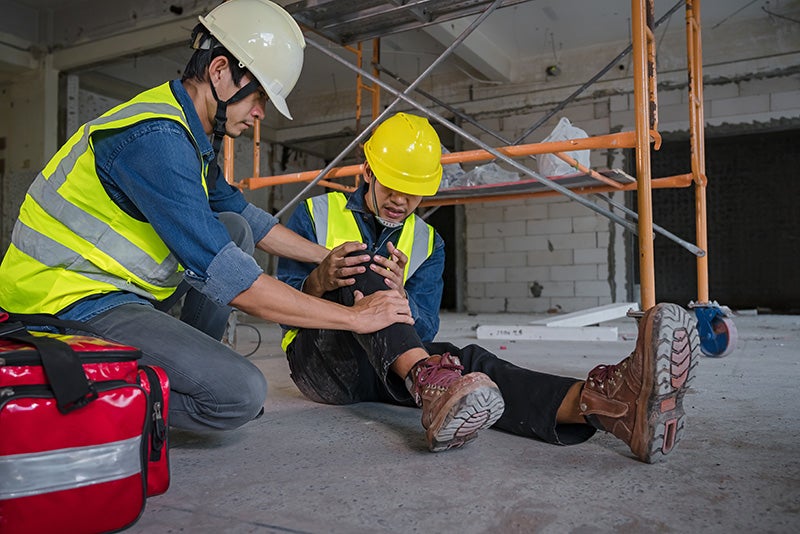
When injured workers pursue workers’ compensation benefits, their employer’s insurance company may question the extent of their injuries. In these cases, insurance companies often arrange an independent medical evaluation (IME). This is a common issue that injured workers come across. Therefore, here is some essential information they should know about an IME, so they can protect their rights to collect the workers’ compensation they deserve. What is an IME? An IME is a medical ev aluation not performed for the purposes of medical care or treatment. The primary purpose of the evaluation is to generate a report for the requesting party, the Employer and its Insurer. During the IME, the doctor will: Assess the claimed injuries; Evaluate whether these injuries are related to the work accident; and Determine if the treatment either being received or recommended is medically necessary. It is important to note that the doctors receiving such referrals from insurance carriers often work very closely with the same insurance company or their representing attorney. Even though an insurance company may claim that the IME is a “second opinion,” such an evaluation is often used support an insurance carrier’s position to deny medical treatment or reduce compensation for permanent injuries. Although injured workers may not desire to attend an IME, the Maryland Workers’ Compensation Act generally requires attendance; otherwise, an insurance carrier will have a right to suspend benefits (Maryland Code, Labor & Employment §9-720). How can workers prepare for an IME? If workers must attend an IME, they should speak with an experienced workers’ compensation attorney beforehand. That way, they can understand their rights as well as how they can protect them during the IME. Insurance carriers will often require non-represented injured workers to provide medical documentation of their injuries. However, this is not required, and it is of benefit to have an attorney who can gather such information on behalf of the injured worker. Furthermore, once the evaluation is completed, the IME physician will not provide a summary of his or her opinion to the injured worker. Instead, a report with the doctor’s medical analysis and opinion will be provided to the insurance carrier’s review. All in all, an IME is often a very significant appointment following a work-place accident. Preparing and participating in the evaluation may be confusing and daunting, and the ultimate opinion may be difficult to understand for a non-medical professional and, quite frankly, detrimental to a Claim. As a result, it is critical for injured workers to seek an experienced attorney to assist in such a potential turning point in a Claim.

Firefighters call for safety on the road

Firefighters call for safety on the road

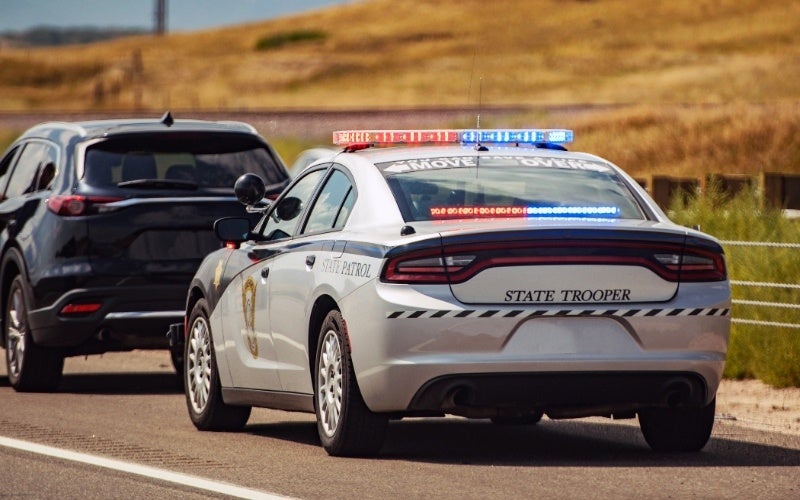
Firefighters, police officers and emergency medical technicians (EMTs) must all be prepared to jump into action at any time to answer the call in an emergency. And when they get a call, they must immediately take to the road and respond to the emergency as soon as possible. This requires emergency responders to react with speed and efficiency. However, Maryland roads can be a dangerous place – especially for workers as they answer a call or attend to an accident on the road. Their chance of a work injury increases considerably in these situations, and firefighters are calling attention to this risk. Firefighters take action for road safety Firefighters across the country participate in an annual Safety Stand Down. These events occur each year during June, and call attention to important safety and health issues that firefighters face on the job. This year, the Safety Stand Down revolves around “ Building a Superhighway to Safety.” Firefighters run into the line of danger to extinguish fires and save lives, yet they face one of the highest risks while on the road. The National Fire Protection Association (NFPA) reports that on average, 16% of firefighter deaths occur either when firefighters respond to or return from an emergency call. Navigating the road during an emergency is not only high stress but also high-risk for firefighters. This risk only increases when firefighters respond to accidents on the road. That is why for this year’s Stand Down, firefighters are working to increase safety standards. What can firefighters do? Getting behind the wheel is always unpredictable. There is no doubting why firefighters face such a risk on the road. However, what can firefighters do to stay safer when responding to emergencies on the road? Firefighters should: Receive proper training on how to approach traffic accidents; Wear bright clothing and the proper personal protective equipment; and Follow all scene safety standards established by the station. While it is also a driver’s responsibility to be safe behind the wheel, firefighters can still take action to protect their own safety on the job.

Construction workers: Be aware of electrocution risks

Construction workers: Be aware of electrocution risks

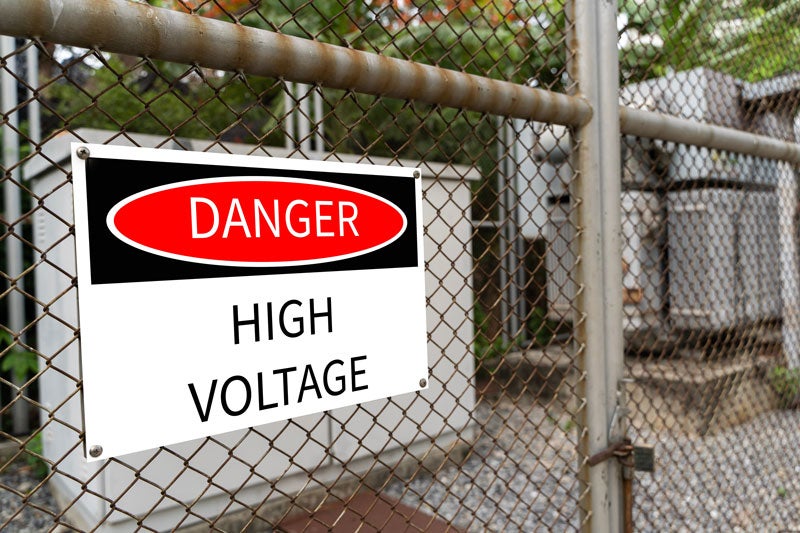
May marked National Electric Safety Month, which aimed to recognize and shed a light on how any workers who regularly work with electricity can stay safe. Even with the proper training, working with electricity can carry a high risk of injury for any worker. Electrocution is one of the Fatal Four The Occupational Safety and Health Administration’s (OSHA) Fatal Four in the construction industry include: Falls from equipment, ladders or scaffolding; Getting struck by vehicles or other objects; Getting caught in trenches or other excavation areas; and Electrocution. Even though electrical shock is one of the most common risks workers are near each day many workers are unaware of the serious risks electrical exposure creates. Construction workers must be aware of the risk There is no denying how dangerous it is to work with electricity. Electrocution is death or severe injury by electric shock, electric current passing through the body. An electrical shock can often lead to injuries, such as: Burns; Cardiac arrest; Nerve and tissue damage; and Seizures. If workers suffer any of these injuries in the line of work, they are entitled to collect workers’ compensation benefits (Maryland Code, Labor & Employment §9-501). They may also be able to collect personal injury compensation, depending on the circumstances of their injury. In these cases, it is often beneficial for workers to consult an experienced attorney to determine how they can move forward to get the compensation they deserve. How can workers stay safe? In recognition of National Electric Safety Month, Occupational Health & Safety outlines ways that workers can avoid serious injuries, including: Taking time to identify all electrical hazards on the worksite; Turning off the safety on circuits, and testing circuits before working; Using the proper tools and protective equipment; and Understanding OSHA’s rules regarding electricity. Safety should always be a worker’s priority, and therefore workers must be aware of the risks involved in working with electricity not just during the month of May, but year-round. Additionally, if a worker identifies lose or uncapped wiring or other unsafe conditions, they should be sure to notify their co-workers and supervisor for both the protection of the place of employment or worksite and to document the issue in the unfortunate event the employee or his or her co-worker is injured by the unsafe condition.

FAQ: Can new employees recover workers’ compensation?

FAQ: Can new employees recover workers’ compensation?

When does workers’ compensation eligibility go into effect? This is a common worry that some workers might have. It may take a few months for other employment benefits to take effect after their first day on the job. So, does the same go for workers’ compensation benefits? Time on the job does not impact eligibility for benefits Even though it might be a common worry, there is no base for it. If the injury occurs in the course of employment to benefit the employer’s interest, the duration of employment does not impact the compensability of a Claim. If the employee was involved in a “training” or “probation” period deemed by the employer, an injured worker still remains eligible for Worker’s Compensation coverage. Common defenses may include that short-term employment indicated that the worker was an independent contractor, rather than an employee. However, the determination of an independent contractor is a multi-prong test that goes beyond only the duration of employment. But the risk of injury is high for new employees Even so, newly hired workers must be aware that even though starting a new job may not affect their eligibility to collect workers compensation, it does increase their risk of an injury. The high risk of injury for new-hires makes sense – after all, new employees often have limited experience. Additionally, many workers report that they do not receive proper safety training when they begin a new job. There are several reasons for this, from reduced staff to a necessity for high-speed work. A 2016 report found that: 40% of injured workers were on the job for less than a year; One in eight work injuries each year occur on the first day of work; and New employees are five times more likely to suffer a work injury than other employees. New workers may face a higher risk of injury, but they can take measures to ensure that they receive the proper training to succeed and stay safe in the workplace. Should a new employee that experiences an on-the-job injury, they should speak with an experienced attorney to discuss their rights.

Healthcare workers: Prioritize mental health

Healthcare workers: Prioritize mental health

May is Mental Health Awareness Month. Movements like this have been instrumental in decreasing the stigma surrounding mental health issues and mental illnesses over the years. And yet, mental health is often overlooked because these conditions are often invisible. They may not be taken as seriously as physical injuries, but workers in the healthcare field should ensure they pay careful attention to their mental health, so they can avoid an even more serious condition or injury – specifically post-traumatic stress disorder (PTSD). Healthcare workers especially susceptible to PTSD Healthcare workers at all levels face significant stress with each shift they work, and there is no questioning why nursing and healthcare jobs are some of the most stressful jobs. Workers in this field frequently deal with: Moral distress; Human suffering; Traumatic situations; and Violence and death. Because of this, a 2019 study in The New York Times reported that one in four nurses suffer symptoms of PTSD. And the risk of PTSD in the healthcare field is only increasing with the current situation. Does workers’ compensation cover PTSD? PTSD is a very real risk for many workers on the job, but can healthcare workers recover workers’ compensation benefits? Maryland law and precedent allow workers to recover compensation for PTSD if it resulted from the worker’s employment and necessitated a health care professional place limitations on the work or completely out of work. Compensability is often very fact specific, whether a worker has one particularly traumatic experience or if it is cumulative in nature. Even though it is generally a compensable injury, many employer and their insurance carriers deny such claims. Workers should consult an experienced workers’ compensation attorney if they suffer PTSD related to their work, so they can recover the benefits they need. What can healthcare workers do? Healthcare workers must prioritize their mental health. Mental health is just as important as physical health. Therefore, all healthcare workers should ensure that they: Address feelings of stress, anxiety and depression as soon as possible; Educate themselves about the symptoms of PTSD and related conditions; and Seek out mental health care services at work or outside of work, if necessary. Most importantly, healthcare workers must ensure they find time to rest. Resting and taking measures to be mindful and calm can be incredibly helpful to help workers not only be aware of their mental health, but to take care of it as well.

Working from home? Here are some tips.

Working from home? Here are some tips.

In light of Maryland’s stay-at-home orders, several workers have transitioned to working from home, including teachers and office workers. Even though one’s home is familiar, the risk of an injury still exists, and workers must be careful. Can workers collect workers’ compensation while working from home? The details can be complex, but legal precedent in Maryland does allow workers to recover workers’ compensation when they work from home. In the case of Schwan Food Co. v. Frederick, the Court of Appeals determined that workers could collect compensation for injuries sustained while working remotely depending on several factors, including how often they worked from home, the circumstances of their employment and if they had work equipment in their home. The injury must still arise out of and in the course of one’s employment as well for workers’ compensation laws to cover the work-related injury. Essential safety tips for working from home While workers may be covered while working from home, they must still take great care to avoid an injury. So, here are some tips for workers to ensure they are safe while on the job – even when they are working from home: Ergonomics is everything: Most workplaces, from factory floors to cubicles, are often well-equipped with ergonomic equipment. Not many people have such equipment in their homes. Workers should consider setting up an ergonomic workstation to maintain good posture and take measures to prevent pain or injury while working. This can help prevent muscle strains, back injuries and neck injuries. Be aware of surroundings: Federal and state laws hold workplaces to high standards to prevent serious accidents – such as slip and fall accidents – but homes do not have to meet these same standards. Whether there are computer cords or other items on the floor, workers should be aware of hazards in their environment even while at home to avoid an injury. Take regular breaks: When working from home, it is easy to overlook taking lunch breaks or any other breaks one might regularly take while in the workplace. It is also easier for workers to work longer or irregular hours when at home. However, avoiding regular breaks can lead to burnout, which can have a significant effect on one’s mental and physical health. Working from home might not seem dangerous, but that does not mean that workers should overlook potential risks – or their health.

Statutory Presumptions needed to protect workers

Statutory Presumptions needed to protect workers

Workers’ compensation benefits provide injured workers and their families with critical support while they recover from a work-related injury. However, the process of obtaining workers’ compensation benefits can sometimes be a challenge. Thankfully, several statutory presumptions can make this process easier for certain workers to collect the benefits they need. What is a statutory presumption? A legal presumption is an understanding or belief under the law that the court assumes to be true. In sets of facts or circumstances with room for debate, a presumption tips the scale for a judge, jury, or commissioner to assume that one side of the argument is correct on its face. For example, Maryland has a presumption statute that assumes certain diseases are linked to a firefighter’s work (Maryland Code, Labor & Employment §9-503). This means they can collect workers’ compensation for several types of diseases, including: Heart disease Hypertension Lung disease Various types of cancer In general, the above conditions may be linked to genetics, nutrition, exercise, or personal health habits, which make it difficult to pinpoint the cause of the condition. However, in relation to firefighters, their work is unique with the constant exposure risk to carcinogens from a fire ground and the diesel firetrucks they operate. Additionally, in light of firefighters’ service to the community, lawmakers sought to lower the legal threshold to ensure coverage of such workers. Therefore, the law presumes that these diseases are tied to the firefighter’s work, providing them with an easier path to recover workers’ compensation benefits. Without a statutory presumption, it is often very difficult to prove that certain diseases are causally related to a work exposure. Injured workers covered by a statutory presumption have a lower burden of proof, and, in other words, a lower hurdle of proving their occupational disease arose out of and is related to their employment. Will there be a presumption statute for COVID-19? In Maryland there is no statutory presumption that a person who has been diagnosed with COVID-19 has received the illness from a workplace exposure, even if they are an essential employee that works within close proximity of other people. However, there has been consideration in other states to facilitate access to recover workers’ compensation benefits for such workers. So far, states like Kentucky, Florida, Washington and Minnesota have passed presumption statutes related to COVID-19. These statutes presume that if a “frontline worker” gets the disease, they contracted it on the job. These workers include, but are not limited to: Health care workers Grocery store workers Food manufacturers Prison guards Maryland has yet to pass such a presumption statute to protect these workers, but unions and other employee advocacy organizations have considered such an important presumption for the working people of Maryland. Presently, Maryland’s legislature is not in session to consider such a beneficial law. However, if a worker has continued to serve the public during the pandemic and is diagnosed with COVID-19, it would still be beneficial to contact an attorney to discuss a potential Claim. Although there is no presumption presently in Maryland, the law still entitles workers to benefits who experience an occupational disease as a result of employment.

Can grocery store workers collect compensation?

Can grocery store workers collect compensation?

There are several jobs associated with a high risk of injuries. Construction work, factory work and emergency response work are often the jobs individuals think of as carrying the most risk for workers. Not many would think that working in a grocery store is dangerous, but keeping those shelves stocked and providing necessities for the public – especially in the current situation – can be a strenuous job for any worker. Yet, many grocery store workers might wonder: are they covered under Maryland workers’ compensation laws if they suffer an injury? Yes, grocery store workers are covered Maryland law presumes almost all workers to be covered under workers’ compensation laws if they are: Under the service of employers with at least one employee; or Engaged in an implied contract of hire with such an employer. This includes grocery store workers (Maryland Code, Labor & Employment §9-202). Grocery store workers face a wide range of injuries Working full-time – or even part-time – in a grocery store involves a much higher risk of injury than many people might believe. These workers often have several responsibilities, including: Stocking products on the floor or in the back rooms; Lifting heavy products while stocking or assisting customers; Preparing food, such as in the deli department; or Collecting shopping carts from the parking lots. Customer service work also places high demands for speed on grocery store workers. This demand for speed in addition to the wide array of their potential responsibilities puts grocery store workers at risk for several injuries each day on the job, including: Slip and fall injuries; Cuts and lacerations; Muscles strains; Broken bones; and Back injuries. Grocery store workers should make sure they take ergonomic solutions into account to reduce their risk of suffering these injuries. However, they must also be aware of their entitlements to collect workers’ compensation benefits if they suffer a serious injury in the course of their work.

Why is PPE so important?

Why is PPE so important?

When one learns how to ride a bicycle as a child, the first thing they learn is the importance of wearing a helmet. Wearing a helmet is an important safety measure, just in case of an accident, to prevent serious injuries. Presently, in light of COVID-19, personal protective equipment, also known as PPE, has become a common term across the globe. However, PPE doesn’t only apply to workers in healthcare, but can relate to workers in a variety of settings. It is essential to keep workers safe on the job and minimize the risks of a work injury. And yet, a majority of workers in a variety of fields do not wear the proper PPE at work. More workers not wearing PPE In 2012, Kimberly-Clark Professional published a survey that found that 89% of safety professionals stated workers failed to wear PPE on many occasions. This is the most recent study of its kind, but the surveys leading up to 2012 continued to show the alarming trend of workers forgoing PPE. Workers listed several reasons for not wearing PPE, including: It was uncomfortable; It did not fit properly; or It was not readily available. Some workers even felt that PPE was unnecessary and even unhelpful. PPE is important for workers’ safety All types of PPE are explicitly designed to protect workers against a wide range of hazards they might face, such as: Cuts and lacerations; Chemical burns or exposure; or Traumatic brain injuries (TBI). The National Safety Council reports that the majority of workplace accidents are preventable. Wearing PPE is one of many factors that helps to prevent a variety of injuries – which is why wearing PPE on the job is so critical. Workers are still entitled to compensation if they suffer an accidental injury at work (Maryland Code, Labor & Employment §9-501). Maryland law does not require an injured worker to prove that the employer acted negligently by either failing to provide PPE or not providing effective PPE. Workers should wear PPE to protect themselves. Additionally, a worker’s failure to properly wear provided PPE does not bar them from receiving coverage under Maryland law. There are times that a situation may appear complicated or an employer/insurer may attempt to deny a claim for illegitimate reasons. That considered, it is often critical for workers to consult an experienced workers’ compensation attorney to better understand their rights in these cases.

What parents must know about car seats

What parents must know about car seats

A parent’s number one priority is often their children’s safety. This is especially true when they get behind the wheel, with their children in the back seat. Car accidents are still one of the leading causes of serious injury and death for children under 12-years-old in the United States. However, when parents use car seats correctly, they can reduce their child’s chance of injury by at least 71%. So, what should new parents or parents with young children know to ensure their child’s safety? What does Maryland’s law say about car seats? Children in Maryland must be restrained in a child safety seat if they are: Under eight-years-old; or Under 4 feet and 9 inches tall. This is required by law (Maryland Code, Transportation §22-412.2). However, it is important to note that parents must: Carefully read the car seat’s height and weight limitations; and Monitor their child’s growth and how well the car seat fits them. When determining what type of car seat or booster seat children need, it is often safer to go by a child’s height and weight, rather than their age. Installing the car seat correctly is critical The National Highway Traffic Safety Administration (NHTSA) reports that in 59% of the cases where children were injured in a car crash, the car seat was not installed properly. Improper installation of car seats is one of the most common mistakes – and yet it is also one of the easiest to avoid. It is helpful if parents: Carefully review the installation instructions, even before buying a car seat; Practice installing the car seat and following the instructions; and Consult a child passenger safety technician to check the installation. Often times, local fire departments are willing to assist in the installation of car seats. In the Baltimore area, look up The Carseat Lady, https://thecarseatlady.com, who can provide additional information and services related to properly fitting a car seat. Using the proper car seat is the law, but it is also important to safeguard the health and safety of the children every time parents get behind the wheel. Parents do their best to avoid a crash by driving defensively and avoiding distractions, but there will always be reckless drivers on the road. Taking care to select the right car seat and install it correctly can help ensure a child’s safety, even in the face of this risk.

What medical benefits does workers’ compensation provide?

What medical benefits does workers’ compensation provide?

If workers suffer an injury on the job, many thoughts will run through their minds all at once. The pain is first, but then workers often wonder what they will do when they cannot work and how they will provide for their family. Injured workers might know that workers’ compensation benefits will cover their medical costs, but what does that coverage entail? Workers’ compensation benefits cover a range of medical costs Maryland’s workers’ compensation law states that covered employees injured in the course of their work are entitled coverage of their causally related medical costs (Maryland Code, Labor & Employment §9-660). For example, if a construction worker fell and broke their leg, they could receive compensation to cover costs including: Treatment: This includes any medical treatment to heal the broken leg, such as surgery to initially fix and stabilize a broken bone and physical therapy to help individuals regain the use of their leg after the injury. Hospital services: A stay at the hospital can lead to an expensive bill. Workers are often taken to the emergency room for services upon arriving. Then they often need laboratory work and an x-ray before moving forward with any treatment. Thankfully, workers’ compensation usually covers all service costs. Medicines: After any type of injury, physicians often prescribe anti-inflammatory medication, pain medication either in pill form or a topical cream, and even medication for gastro-intestinal issues related to the primary medications prescribed. Just like other medical benefits, the cost of prescription medication will be covered, so long is it remains related to the work-injury. Medical equipment: This includes if the injured worker requires a wheelchair or crutches while their broken leg heals. In extreme cases, this also includes prosthetics. Of course, the medical services required will depend on the worker’s injuries. Regardless of the injury and how long it takes to recover, the Maryland Workers’ Compensation Commission requires the employer’s insurance company to provide benefits that cover these costs for the duration of the worker’s recovery. The exception to such care is for experimental therapies and physicians who wish to charge an exorbitant cost for care outside of what is fair and reasonable for Workers’ Compensation Claims. Workers’ compensation is meant to support workers after a work-related accident. And the medical coverage workers can obtain under Maryland law significantly reduces the financial stress injured workers face, so they can focus on their recovery.

Contact Us

Fill out this form below and we'll contact you shortly
*Required Fields