Blog / Product Liability

Blog

All Product Liability Workers' Compensation Car Accidents Workplace Accidents Workplace Injuries Construction Workers' Accidents Medical Malpractice Industrial Workers' Injuries Personal Injury Truck Accidents Firm News Wrongful Death Uncategorized
Drug use can complicate workers’ comp claims

Drug use can complicate workers’ comp claims

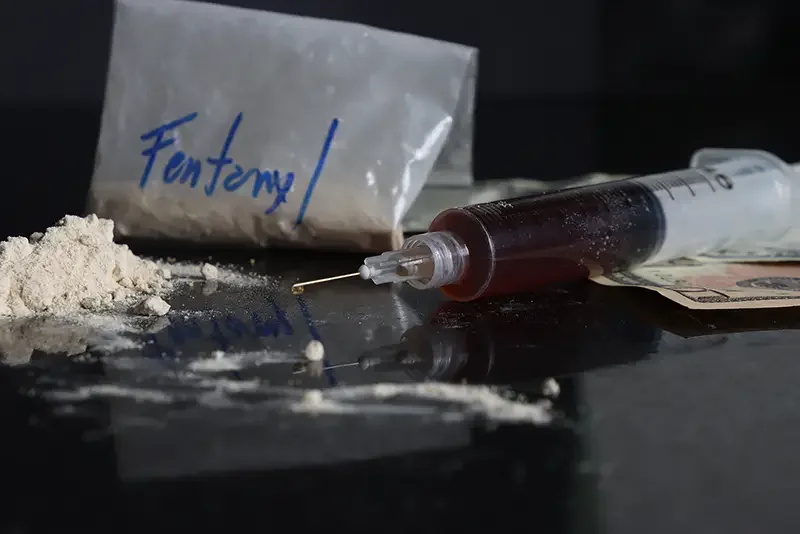
Drug use in the workplace can inspire serious consequences for both workers who are trying to avoid occupational harm and for some who have already suffered due to work-related circumstances. For example, in Maryland, workers who are injured on the job are generally entitled to benefits regardless of fault. However, if drug use played a role in causing their work-related harm, those benefits can be denied or significantly reduced. Proving—or disproving—that connection often becomes a central issue in workplace injury cases involving positive drug tests. Workers’ comp is a no-fault system… most of the time Under Maryland law, employers or their insurers can argue that intoxication or drug impairment was the primary cause of an accident. If successful, this defense can prevent an injured worker from receiving compensation for medical care, lost wages or disability. The key question is causation: Did the drug use directly contribute to the injury, or did the accident occur independently of any impairment? For example, a worker who tests positive for an illegal substance after being struck by falling equipment may still be eligible for benefits if their impairment had no role in the incident at issue. Recent research underscores how pervasive workplace drug use has become in recent years. For example, a recent survey published by the National Safety Council indicates that one-third of American workers have witnessed the use of cannabis by others during work hours. Additionally, “More than half of employers that eliminated THC testing reported an increase in incidents or workplace performance concerns.” This trend suggests that many workers use marijuana while on the clock, potentially due to stress, chronic pain or “simply” accessibility. Marijuana use can cause drowsiness, confusion, apathy and slowed reaction times—all of which heighten the risk of workplace accidents. Even so, a positive drug test does not automatically disqualify a worker from receiving benefits. The Maryland Workers’ Compensation Commission requires evidence that the intoxication directly caused the injury at issue in a workers’ claim. A skilled legal team can help affected workers – who are obviously not alone, given the widespread nature of drug use in the workplace – to make their case as successfully as possible. Employers and insurers often use drug test results to limit liability, but workers still have rights. Anyone facing a disputed claim due to alleged drug use is generally wise to seek immediate legal guidance accordingly.
Has your knee been injured in a work-related fall?

Has your knee been injured in a work-related fall?

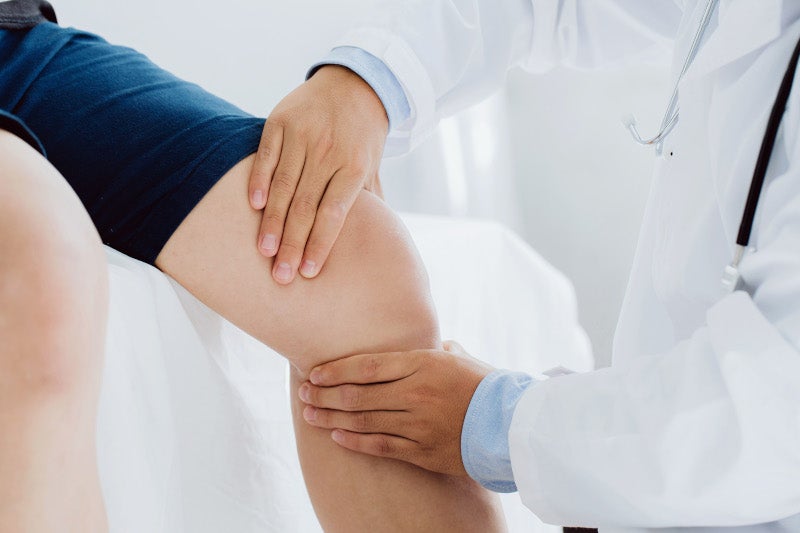
Unpredictability is one of the most dangerous things about falls. They can happen to anyone at any time, including in the workplace. Many times, you may be able to simply dust yourself off after a fall and get on with your day. Sadly, however, this is often not the case. Falls can be hard on your knees, and the resulting injuries can be serious. Outlined below are some of the more severe knee injuries associated with work-related falls. Damaged ligaments Torn ligaments are among the more serious and painful knee injuries that can result from a fall. The knee is comprised of four ligaments: the anterior cruciate ligament (ACL), the posterior cruciate ligament (PCL), the medial collateral ligament (MCL) and the lateral collateral ligament (LCL). Ligaments help the knee move forward and backward, as well as to rotate from side to side. Because each of these ligaments has a distinct function, damage to any of them can be painful and limit your mobility. Surgery and an extended period of recovery are often the only way to get better after ligament damage to avoid chronic pain issues. Dislocations During a fall, your knee may be manipulated and twisted into positions it is not designed to be in. This can result in a dislocation, which is very painful and can be difficult to treat. As a general rule, the sooner you seek medical treatment after this type of injury the better. Depending on whether or not there is nerve damage, you may require multiple surgeries before you can get back on your feet. If your knee has been injured in a fall at work, then you may be entitled to compensation for your pain and suffering. This won’t undo the damage, but it will help you to stay on top of your finances while you recover and are unable to work. Seeking legal guidance will offer you the best possible chance at obtaining a just outcome in your case.

A closer look at nail gun safety

A closer look at nail gun safety

Nail guns are a common sight in workshops and construction sites across Maryland. When used appropriately, they can increase productivity and efficiency at work. However, it is important to remember that nail guns are a powerful piece of equipment. According to the CDC, nail guns result in 37,000 emergency room visits annually and 68% of these visits involve workers. It only takes one small error or malfunction for something to go horribly wrong. Outlined below are a few examples of how nail gun accidents can occur. Faulty equipment Any tool that has the potential to be dangerous must be routinely maintained. Older equipment is more likely to malfunction. Usually, nail guns have safety mechanisms in place, such as guards. If these are bypassed or missing, then it makes an accident and injury much more likely. Underestimating the power Nail guns can penetrate all sorts of tough materials, especially wood. If a piece of wood is not very thick, it’s possible that the nail could penetrate all the way through to the other side, catching the nail gun operator off guard and posing injury risks. Nails can also ricochet when using the tool on certain surfaces like metal. When this happens, the nail essentially becomes a missile that can penetrate flesh and cause serious damage to the eyes. Preventing nail gun injuries Employers have a legal duty to ensure that workers are as safe as possible. This includes taking preventative measures like maintaining tools, providing appropriate safety gear and facilitating adequate training. Proper training is especially important, both for new and experienced workers. This can help workers understand the tool’s different triggers, how to hold and load the nail gun, what to do when it malfunctions and more. If you have suffered an injury on the job, then you may want to consider your options regarding workers’ compensation. An experienced attorney can help you understand your next steps.

How much does your work gear actually protect you?

How much does your work gear actually protect you?

Working in various settings can expose workers to a range of hazards, including heights, accidents involving heavy machinery and electrical events. These hazards put workers at risk of being injured or killed on the job, so preventing them is vital. Wearing appropriate protective gear can be one of the easiest ways to protect yourself. Thus, workers should know whether their equipment is effective at keeping them safe. Is it suitable for the job? Not all equipment is necessary for all jobs. For instance, wearing fall protection can be essential if you are working off the ground on a construction site, but it may create more problems than it solves for workers who are less than six feet off the ground. The same can be said for gloves, helmets, thick clothing and eye protection. These are all essential types of gear, but they are not necessary for every job. Workers and employers must assess the specific situation and risks and decide on protective equipment accordingly. When do you wear your gear? Protective equipment is only effective when people use it – and use it properly. If an employer provides gear, workers should wear it; if a task requires certain precautions, employers should provide the necessary equipment or ensure workers have it throughout the job. Enforcing and following safe practices for wearing protective equipment should happen every day. Even though the gear may not prevent an accident from occurring, it can save a worker’s life and minimize potential injuries caused by the incident. Is it safe, or is it defective? Unfortunately, workers might make every effort to have and wear protective gear only to learn that it is defective and does not adequately affect individuals. For instance, multiple parties have accused 3M of providing defective earplugs to the military and attempting to cover up the design flaws. Injured parties argued that they suffered hearing loss and tinnitus even though they had used the earplugs, while 3M claims the products are safe and effective. These cases can be a reminder that even when individuals wear protective gear, they can be at risk of injuries if it is defective. Separately, if a worker is provided safety gear, and, for whatever reason, happens to not be wearing the safety gear at the time of the accident, the worker may still remain entitled to workers’ compensation benefits should they be injured on the job. If you work in an occupation where you are exposed to dangerous situations, protective gear could save your life. While the first priority is to ensure you have and wear safe, effective equipment, employers ultimately bear the responsibility of employee safety.

Car seats protect overweight children, too, study finds

Car seats protect overweight children, too, study finds

As any parent can attest, kids come in all sizes. Some are small for their age, and others are, yes, overweight. No matter what size they are, they deserve to be protected from harm, and parents expect that from products designed for safety. That includes child car seats. A recent study explored whether car seats adequately protect children of all sizes, even those who are overweight or obese. The study, conducted by the Center for Injury Research and Prevention at The Children’s Hospital of Philadelphia, included 1,000 children ages 1 to 8 who had been in properly installed car seats appropriate for their height and weight when they were involved in a car accident. The researchers found that there was no increased risk of injury for large or overweight children. This suggests that the range of sizes for infant, booster and child safety seats available on the market is currently adequate. The researchers stress, however, that the car seat must be installed properly. Babies and toddlers should sit in a rear-facing seat for their first two years unless they’ve already reached the height and weight of a seat for an older child. Just as you wouldn’t strap your infant into a seat belt in the front seat, it’s important not to have the wrong car seat or position for a child of any age. One of the best ways to determine the appropriate seating is to discuss your child’s size with a pediatrician. As one of the researchers pointed out, there is no one-size-fits-all when it comes to car seats. Your younger son may outgrow his seat and the rear-facing position at an earlier age than your older daughter did. Children are especially vulnerable in car accidents; they’re the No. 1 cause of child death and injury. And while finding the best car seat fit for your child isn’t a guarantee he or she won’t be hurt, it can greatly reduce the likelihood. Source: Torque News, “ Car Seats Safe for Overweight Kids Too,” Nov. 28, 2011

Smoking-cessation drug Chantix linked to serious side effects

Smoking-cessation drug Chantix linked to serious side effects

The smoking-cessation drug Chantix appears to be a dangerous product, with risks that outweigh its benefits, according to Dr. Curt Furberg of Wake Forest Baptist Medical Center. He is the co-author of a new study that shows people taking Chantix are far more likely to attempt suicide and experience serious depression than people using other types of smoking-cessation treatments. The new study contradicts two recent government studies conducted by the U.S. Food and Drug Administration (FDA). In those studies, researchers counted how many people were hospitalized for psychiatric problems and found there was no difference in hospitalization rates for people using Chantix and those using nicotine patches. Dr. Furberg said this was not the right way to measure the extent of the problem because many people who attempt suicide, are depressed or have other serious psychiatric problems are not hospitalized and would not have been counted in the FDA study. Dr. Furberg’s study looked at data from 12 years of reports to the FDA of depression or self-injury. He found there were more than ten times as many reports of adverse events for Chantix users as there were for users of Zyban, another popular smoking-cessation drug. Even fewer users of nicotine-replacement products, such as the patch, reported serious adverse psychiatric events. Dr. Furberg wants the FDA to restrict Chantix so that it won’t be used as a first-choice treatment, but instead would only be prescribed to individuals who already tried and failed to quit with other types of smoking-cessation treatments. Source: Reuters, “New study says Chantix raises suicide risks,” Julie Steenhuysen, Nov. 2, 2011

Online sellers may still be selling unsafe cribs

Online sellers may still be selling unsafe cribs

In June, we wrote that the Consumer Product Safety Commission had introduced new crib safety standards in order to prevent injuries to infants. That change was long overdue. However, many potentially dangerous cribs are still on the market. The CPSC has found that drop-side cribs manufactured before June 28 are dangerous products and unsafe for children to sleep in. The CPSC found that cribs manufactured before this date do not have the hardware, mattress supports, or slats that are needed to stand up to long-term use. Based on this information, the CPSC introduced new safety standards that effectively banned most cribs that were made before June 28. Despite the new safety standards and the 32 deaths that have resulted from inadequate drop-side cribs, Craigslist and eBay still have some of these cribs for sale. It is easier for conventional stores that operate out of a physical storefront to halt the sale of products. They have systems that help the stores to take the banned or recalled products off the shelf immediately. It is not the same with online stores, especially ones where individual users control what items go for sale on the site. According to the CPSC, eBay has promised that all listings selling the drop-side cribs will be blocked within the next few weeks and that the process has already started. However, a number of users are still selling the illegal cribs. Craigslist, however, is not adhering to the ban as well as eBay. The site replied to the CPSC’s concerns by stating that they have “updated” their prohibition notices and information page, but that listings have been and will be controlled by site users. There are a number of other websites for parents that have had the illegal cribs for sale, such as MyStrollers.com and Babyhaven.com. However, upon becoming aware of the CPSC’s warning, these sites have removed all listings of the dangerous cribs. Source: USA Today, “ Illegal used cribs still for sale on Craigslist, eBay,” Jayne O’Donnell and Oliver St. John, Aug. 8, 2011

Maryland girl electrocuted by amusement ride

Maryland girl electrocuted by amusement ride

Summer is fair season in Maryland. As Maryland families flock to fairs and carnivals, summer sees a spike in personal injuries caused at carnivals, fairs, and amusement parks. In Maryland, the Department of Labor monitors and inspects amusement rides for safety. In an average year, the Department of Labor inspects 44,000 rides. In 2010 and 2011, inspectors found 2,000 safety violations. Inspectors checked a ride called the Tornado at the Allegany County Fair and AgExpo in Cumberland. However, that did not prevent a 17-year-old girl from being electrocuted by the Tornado last weekend. According to the girl’s boyfriend, who witnessed the accident, the electrocution victim dropped her cell phone after exiting the ride. When she reached down to pick up her phone, she slipped and came into contact with a live electrical cable. During the electrical shock, the 17-year-old girl could not scream for help or move. Her boyfriend recognized she was being electrocuted and the ride operator managed to free her from the cable. Thankfully, she survived the electrocution, but she did suffer burn injuries to her hand and her arm. While she recovered in the hospital, medical staff needed to monitor her vital signs and her kidneys because electrical shocks can cause kidney problems. A spokesman for the Department of Labor has stated that the ride was inspected 10 hours after the accident and that the inspector deemed the ride to be safe. An investigation into the accident is ongoing. The outcome of the Department of Labor’s investigation and other independent investigations will likely play an important role in finding out who is legally responsible for the accident. If it is found that this accident was the result of negligent operation and maintenance, then the owners and operators of the ride could be legally responsible for the accident. In addition, if the accident was caused by a design flaw or a product defect, then the manufacturers of the ride could be legally responsible. Source: Cumberland Times-News, “Electrical shock cause of accident that injured Mt. Savage teen at fair,” Emily Newman, 18 July 2011

Lawmakers call for regulation of the Brazilian Blowout

Lawmakers call for regulation of the Brazilian Blowout

As chemical hair straighteners become increasingly popular, concerns that they might be harmful to the user’s health has prompted some lawmakers to call for regulation of these products by the FDA. Several salon workers testified in Washington, claiming that exposure to chemical hair straighteners had caused them to become sick. The product that is causing the most concern is called the Brazilian Blowout. This product is advertised as a solution to problems with frizzy hair, but recent studies have found high concentrations of formaldehyde, a chemical classified as a probable carcinogen by the Environmental Protection Agency, present in the Brazilian Blowout. With these studies in mind, and due to reports of adverse health effects being suffered by people who use the Brazilian Blowout, some lawmakers would like to have these potentially dangerous products recalled. One individual said she has since switched to an organic hair relaxer, explaining that the chemical straightener she had caused her to experience medical problems. Another stylist explained that she and her colleagues work long hours, and regulating the products would provide them with a safer work environment. The salon workers have joined the concerned lawmakers in urging the FDA to regulate the products, banning known carcinogens from being used in their production. They are also requesting that the FDA issue a voluntary recall of two chemical straighteners that were discovered to contain potentially dangerous levels of formaldehyde. Some workers claim to have suffered itchy eyes, throat pain and difficulty breathing after being exposed to the products. While the manufacturer of the products argues that they are safe and that the complaints are unsubstantiated by research, the workers and lawmakers want the FDA to more thoroughly test chemical hair straighteners and use warning labels to indicate products that use formaldehyde. The group would also like to allow the FDA to more easily issue recalls of dangerous cosmetic products. Source: WPRI.com, “Popular hair product under fire in D.C.,” Susan Hogan, 5/18/2011

Chevy Cruze recalled amid steering concerns

Chevy Cruze recalled amid steering concerns

The Chevy Cruze has been an important model for General Motors as the automaker returns to profitability. In a time with soaring gas prices, the Cruze has gained popularity for having good fuel economy. However, GM has recalled more than 150,000 Cruzes amid concerns that the steering shaft on the vehicles may not have been properly installed. The 154,112 automobiles represent all of the Cruze vehicles produced at one GM plant from the beginning of production last summer to April 21. As of April 21, changes were made at the plant to prevent product defects with the steering shafts. GM indicates that the problem with the steering shafts became known when a driver lost control of a Cruze in a parking lot. Thankfully, no one was injured as a result of the incident. This recall follows a smaller recall last month. Last month, GM recalled 2,100 Cruze vehicles due to concerns of an improperly fastened steering wheel. GM has announced two other recalls. The automaker announced that a nut on the windshield wiper motor crank arm could come loose on 2011 Chevy Colorado and GMC Canyon trucks. As a result, GM recalled 4,674 pickup trucks across the country. GM also recalled 8,723 Chevrolet Express and GMC Savana vans due to concerns that the vehicles may encounter brake fluid leaks. GM is quick to point out that no one has been injured because of defects in the recalled vehicles. In light of the recent Toyota recall that happened only after dozens of personal injuries and fatalities occurred, it is good to see an automaker recalling vehicles in a preventative, rather than a reactive, fashion. However, every manufacturer has the legal duty to make sure its products are safe before selling them to consumers. When a defective product makes its way into the marketplace, consumers are placed at risk. Source: Reuters, “GM recalls 2011 Cruze cars to inspect steering shaft,” Deepa Seetharaman and Bernie Woodall, 5/4/2011

Drug odor causes another Johnson Johnson recall

Drug odor causes another Johnson Johnson recall

Drug maker Ortho-McNeil, a subsidiary of Johnson & Johnson, has recalled 57,000 bottles of the anti-seizure medication, Topamax, after receiving reports that the drug was defective and had an unusual smell. Two defective shipments of 100-milligram Topamax tablets, made last October and December, were pulled and destroyed after four consumers described an odor that was “uncharacteristic.” Although the drug company did not identify what caused the smell, the U.S. Food and Drug Administration has posted information that may link it to problems with how the medication is stored in the distribution process. The musky, moldy smell is believed to be attributed to the interaction between fungus and a certain kind of wood preservative used on pallets where medication is often stored. The FDA says even trace amounts of what is known as TBA (2,4,6-tribromoanisole) contamination are easy for human noses to pick up. Drug side effects caused by the mixture have led some patients to report gastrointestinal problems. Because of health risks, the FDA warns that drug products should not be stored near wood pallets treated with halogenated phenolic preservatives. Consumers have recently alerted drug makers of the mildew-type smell with other drugs including some over-the-counter medications marketed by McNeil Consumer Healthcare and the prescription drug Lipitor made by Pfizer. Drug companies are trying to prevent future recalls of bad-smelling drugs by preemptively contacting suppliers and advising them on safer ways to store the medication they send them. Drug companies are heavily regulated by the FDA for consumer protection. In addition to facing government regulation, drug makers can also be held accountable for drug defects in court. Any breach of the design, manufacturing, storing, marketing and sale guidelines that leads to a personal injury can expose a drug maker to product liability lawsuits. Source: Los Angeles Times, “ Odd odor prompts drug recall – again,” Marissa Cevallos, 4/15/2011

Medical wipes factory closes after U.S. Marshals seize products

Medical wipes factory closes after U.S. Marshals seize products

Every day, people in Maryland and across the country rely on medical products to be effective and clean. When medical products are contaminated with dangerous bacteria, these defective products can cause serious illness and death. The U.S. Food and Drug Administration is the government agency tasked with protecting the public from dangerous drugs and medical products and the agency has the authority to seize tainted or dangerous products in order to safeguard the public health. The FDA exercised its authority this week and sent U.S. Marshals to the factory of H&P Industries, a company accused of making contaminated medical pads and wipes. When the Marshals arrived to seize products, H&P closed its factory. Last week, the FDA requested that H&P voluntarily stop making and distributing products. However, it took the arrival of U.S. Marshals for H&P to close. The closure comes after multiple reports of contaminated products coming from the factory. Some of the reports of contamination are nearly two years old. Last week the FDA released the details of a recent inspection that found widespread problems. Bacterial contamination was allegedly found in H&P’s antiseptic towelettes and in the materials used to make over the counter drugs and laxatives. A different type of bacterial contamination was detected in the company’s iodine wipes on March 11 and this led to an immediate recall. H&P’s wipes have been cited in at least three separate lawsuits and have been blamed for the death of a 2-year-old boy. The products have been sold under the Triad Group label as well as under private labels of many stores, including Walgreens, CVS, and Wal-Mart. Product related injuries can be difficult to detect, but experienced attorneys know how to conduct a thorough investigation to determine the cause of injuries. If you or a loved one has been injured by a defective product, an experienced product liability attorney can advise you of your legal rights and help you seek compensation. Source: MSNBC.com, “Wipe-maker shuts doors after U.S. Marshals arrive on site,” JoNel Aleccia, 4/4/2011

Contact Us

Fill out this form below and we'll contact you shortly
*Required Fields