Blog

All Workers' Compensation Car Accidents Workplace Accidents Workplace Injuries Construction Workers' Accidents Medical Malpractice Industrial Workers' Injuries Product Liability Personal Injury Truck Accidents Firm News Wrongful Death Uncategorized
Transportation accidents top cause for fatal work injuries

Transportation accidents top cause for fatal work injuries

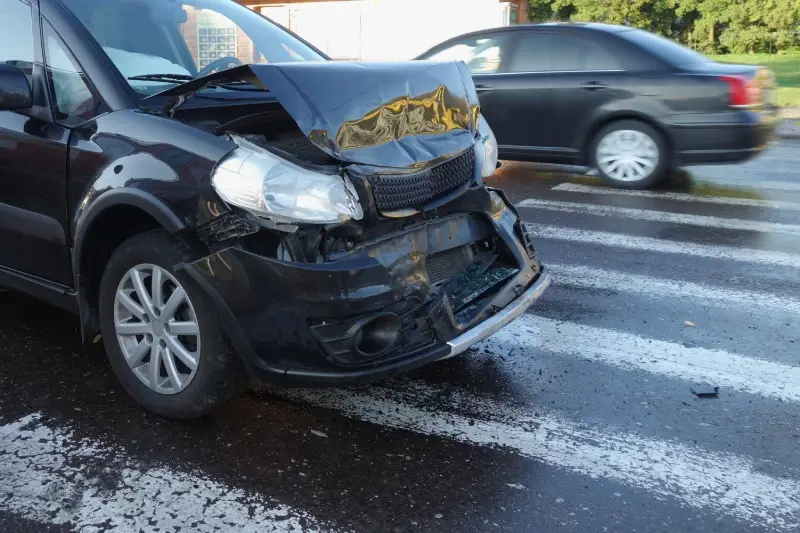
Many individuals who work in the transportation industry say they are lucky since they get to travel for a living. However, being on the road has its fair share of risks, just like any other workplace. Transportation workers understand that, but the recent reports from the Bureau of Labor Statistics highlighting their incredibly high risk of suffering work injuries and fatalities might still come as a shock. Fatal transportation injuries have a significant lead over other incidents The most recent data the Bureau of Labor Statistics collected is from 2017. Their Census of Fatal Occupational Injuries shows that: Transportation accidents caused 2,077 fatal occupational injuries in 2017; The rate of these accidents and injuries was significantly higher than most other events, including falls; There were more fatal work injuries in the construction industry, but the transportation industry fell just below that in 2017, with only a difference of 89 fatal injuries. Why do transportation workers face such risks? Individuals who drive for a living are in a unique – and dangerous – position. These workers face significant risks for several reasons, including: Motor vehicle accidents are already one of the leading causes of death in the United States outside the realm of occupational injuries; and Being on the road for hours at a time can naturally increase the chance of a collision. These factors and the unpredictability of the road can make it a dangerous place to be, much less work. One challenge: Many transportation workers are independent contractors From truck drivers to Uber drivers, many employers classify their drivers as independent contractors. Usually, independent contractors do not have the same rights as employees to recover benefits, therefore their loved ones cannot recover compensation. However, in certain situations an employer may consider a worker an independent contractor when, in fact, the law deems the driver as a covered employee. Some unfair employers might do this on purpose to avoid obtaining workers’ compensation coverage for employees. This is illegal under Maryland law (Maryland Code, Labor and Employment §9-402.1). This is not always the case, but the worker’s status can still pose a significant risk for drivers and their families if they are in a severe or fatal accident in the course of their work. Individuals who drive for a living, or for a significant part of their job, should review what their employment status is and ensure it is correct. Transportation workers and families should still seek compensation Despite the challenge worker classification could pose, it is still a good idea for drivers or their families to understand their options to obtain compensation after a workplace injury or fatal accident. It is beneficial to consult a knowledgeable attorney to help recover the benefits that families deserve after these tragic losses.

Workers must understand the dangers of stress

Workers must understand the dangers of stress

Back in May, the World Health Organization (WHO) made waves when it reported that worker burnout was a dangerous phenomenon impacting nearly every field of employment. WHO states that burnout is the consequence of extreme stress in the workplace caused by the work environment, hours or duties. Although employees cannot collect workers’ compensation for solely experiencing stress or burnout, regardless of the WHO designation, it is still critical to take a look at how harmful-and dangerous-stress can be for employees. Too much stress can lead to workplace accidents In 2016, researchers reported to Safety and Health Magazine that there is often a direct correlation between workers’ stress and workplace accidents. The primary reason for this seems to be the distractions that stress can cause. Common signs of stress include: Extreme anxiety; Fatigue; and Trouble concentrating. All of these signs, in addition to the stress itself, can easily distract workers and make the workplace more dangerous for themselves and their colleagues. Stress can cause workers to become less careful and forget safety standards and precautions in their workplace. Stress often falls into the same category as overexertion. In fact, stress can often lead to workers overexerting themselves. Both stress and overexertion are termed to be “invisible threats” that workers face. These threats might not always be apparent, but there is no doubt that they pose a significant risk to many employees. What are some of the most stressful jobs? The U.S. News & World Report identified some of the most stressful jobs of 2019. These jobs include: Police officers and first responders Surgeons and medical professionals Restaurant workers, including servers and chefs Construction managers and workers All workers must be aware of the increased risks that stress can create, but employees in inherently stressful jobs must take extra precautions. While workers can collect workers’ compensation for accidental injuries in the workplace (Maryland Code, Labor & Employment § 9-501), understanding the signs of stress and the risks stress creates in the workplace can help prevent accidents in the first place.

When do forklift accidents happen?

When do forklift accidents happen?

Forklifts can make employees’ jobs much easier in a variety of industries. They transport materials on construction sites and take the load off employees to prevent them from overexerting themselves. There is no doubt that these machines are helpful, but they can also be incredibly dangerous. Forklift accidents might not be too common, but there are still more than 30,000 serious work injuries each year resulting from forklift related accidents. So, here is a look at when employees are most at risk of suffering an injury in a forklift accident. When do these accidents happen the most? Accidents involving workplace equipment, such as a forklift, are the second most common causes of serious work injuries. These accidents can occur in any circumstance. However, there are a few factors that can significantly increase the chance of a forklift accident, including, but not limited to: Lack of proper training: Usually, the primary cause of a forklift accident is the driver’s lack of training. The Occupational Safety and Health Administration (OSHA) has strict standards for forklift operation. Employers must train drivers to be safe at all times while operating a forklift. According to OSHA, proper employee training could reduce the rate of forklift accidents by 70%. Reckless operation: This often ties in with the lack of proper training. If drivers are negligent by engaging in horseplay or speeding in the forklift, their reckless actions could increase the risk of an accident. Improper maintenance: Old or improperly maintained forklifts could also pose a risk to industrial workers. This increases the chances of brakes or the lift malfunctioning, which can cause the forklift to tip over. Work environment: Narrow aisles or clutter on the floor can make it difficult to maneuver the forklift, which, in turn, could cause a crash that could injure both the driver or a pedestrian worker. Heavy loads: The purpose of a forklift is to lift heavier loads. However, if loads are too heavy or unevenly loaded, the forklift could tip or crash, and pin workers beneath the machine. Maryland employees who suffer an accidental injury from a forklift accident can collect workers’ compensation (Maryland Code, Labor & Employment § 9-501). However, if employees are aware of these risks, they can take the necessary precautions to prevent an accident in the first place.

Trench fatalities on the rise

Trench fatalities on the rise

There is no doubt that working on a construction site brings with it many risks. The site can change nearly every day, and workers are often exposed to electrical lines, main gas lines, falling objects and dangerous heights regularly. Another standard aspect of construction sites require construction workers to work in narrow, deep trenches. According to a new study, trenches are quickly becoming one of the most dangerous hazards that construction workers face. Trenches are already incredibly dangerous The Occupational Safety and Health Administration (OSHA) reports that trenching and excavation are some of the most hazardous construction projects. They often involve the following risks: Collapses or cave-ins, when the weather or soil is wet, or heavy machinery nears the edges of the trench, the trench becomes unstable Falls into the trench when there are no proper barriers installed Exposure to toxic chemicals or low oxygen levels when working in the trench Electrocution or gas leaks if workers hit a utility line in the trench Construction workers are often eligible to collect workers’ compensation for these injuries, regardless of how dangerous their work is (Maryland Code, Labor & Employment §9-507). However, trenches often place construction workers at a higher risk of suffering a workplace fatality than an injury. But, workplace accidents involving trenches are increasing According to the Occupational Health and Safety Magazine, the number of fatalities caused by trench accidents is on the rise. Based on the most recent data, the year 2016 had the same number of deaths from trench accidents as 2014 and 2015 combined. This could be the result of many factors: There are often more construction projects when the economy is up Some contractors or employers might not practice OSHA’s safety standards Awareness of these accidents and the risks trenches pose is often low Is it possible to reduce the risk of a trench accident? It is critical for employers to plan and prepare before trenching. However, construction workers can prepare themselves as well, so they can stay safe in the trenches. Construction workers can ask their employers about the details of the site, including soil and groundwater levels, and consider how future weather could affect the stability of the trench. Essentially, the more workers understand the risks they face, the better they can avoid them and remain safe on the job.

Report: I-95 is Maryland’s most dangerous highway

Report: I-95 is Maryland’s most dangerous highway

Many Marylanders have varying opinions about where it is most dangerous to drive in the state. Pedestrians might say it is University Boulevard in Langley Park. On the other hand, many people in Baltimore might agree that Gwynn Falls Parkway and Reisterstown Road is the most dangerous intersection. The opinions often depend on our own experiences. But are there really roads that are more dangerous than others that have more car accidents? A recent report says there is. A study found the nation’s most dangerous highways At the beginning of September, a study conducted by ASecureLife using data from the National Highway Traffic Safety Administration (NHTSA) determined what highways in each state were the most dangerous. And, the study found that Highway I-95 was the most dangerous road in Maryland, with 32 fatalities occurring on this stretch of road between the years of 2015 and 2017. However, evidence shows that it is not only the most dangerous highway in our state. I-95 also ranked as one of the most dangerous highways in eight other states, including all the way down in Florida. What makes a road dangerous? There are quite a few factors that can make particular roads more dangerous than others, including physical road conditions, such as debris or potholes. However, there are also two specific reasons that I-95 is so dangerous: I-95 is the longest interstate in Maryland, reaching a length of more than 100 miles. The sheer length of the highway could play a significant role in the number of dangerous car accidents. It is also one of the most traveled roads in the state, with a daily volume between 80,000 and 114,000 vehicles, depending on the specific location. There is no doubt that a higher volume of vehicles can contribute to the risk of a collision and therefore an injury. Individuals injured by reckless drivers can pursue compensation (Maryland Code, Courts and Judicial Proceedings §11-108). However, all Marylanders must be aware of the risks they face, so they can drive defensively and stay safe on these dangerous stretches of road.

Horsing around at work could have much larger consequences

Horsing around at work could have much larger consequences

As the common saying goes, if individuals enjoy their job, they never work a day in their life. While it is good for Marylanders to find careers they enjoy, employees should ensure that they do not get carried away and engage in risky horseplay. Many workplace policies directly state that they do not allow horseplay in the workplace. But violating company policy is not the only risk involved in horseplay. Pranks or roughhousing on the job can significantly increase the chance of suffering an injury at work. And injuries resulting from these actions are not covered under workers’ compensation. An injury at work does not make it work-related Many people might think that any work-related injury could entitle them to collect workers’ compensation. However, injuries are only work-related if they arise out of the course of employment. This essentially means that injuries are only covered if it happened while: The individual was at work The individual was performing their work duties Horseplay might happen at work. But it rarely happens while employees are actually working. What is considered horseplay? Horseplay usually involves unsafe and reckless playing or pranks. This rough play often means physical contact and exertion that increases the risk of injuries. And employers, insurers and the Workers’ Compensation Commission consider a few factors to separate other work injuries from horseplay injuries. These variables include: Determining what the company policy states Proving the employee knew the policy, but still engaged in horseplay Providing proof that the employee understood the risk of injury Verifying that this individual’s injury resulted from their disregard of the rule What if you did not participate in horseplay? If workers suffer injuries while engaging in reckless horseplay at work, they often are not entitled to compensation. But what about other employees who were not involved? Unfortunately, the recklessness of others often puts bystanders at risk of an injury as well. But injured individuals who did not engage in horseplay might be able to apply for workers’ compensation. Maryland workers’ compensation law includes “willful or negligent acts” by others in the definition of covered work injuries (Maryland Code, Labor & Employment §9-101). The law may cover these injured employees. However, work injuries resulting from another’s horseplay can be difficult to prove. It is beneficial for employees in these situations to retain an experienced workers’ compensation attorney to recover their benefits.

Why do first responders face a higher risk of work injuries?

Why do first responders face a higher risk of work injuries?

Anyone who suffers a severe injury depends on first responders, such as emergency medical technicians (EMTs), to help them when they need it the most. However, it is often these very workers who face the highest risk of sustaining an injury on the job. Emergency responders at high risk of injuries This report from the National Institute for Occupational Safety and Health (NIOSH) might be recent, but the news is not. EMTs and other first responders consistently face high risks of suffering more injuries on the job. The study found that around 8 or 9 out of 100 ambulance workers seek treatment for work injuries each year. That creates a significant gap between EMTs and most other jobs, where only about 2 out of 100 workers suffer serious work injuries annually. Why do they face this increased risk? It makes sense that first responders and law enforcement suffer the highest number of work injuries. After all, their work is rigorous, perilous and constantly changing. But there are specific risk factors that increase an ambulance worker’s chances of injury, including: Dangerous situations: More than any other job, first responders and EMTs are often in incredibly dangerous situations and environments. They receive extensive training to protect both themselves and others in these situations. However, it can still be challenging to mitigate risks when they are focusing on saving the lives of others. These jobs have extreme physical demands: All first responders’ duties require a considerable amount of physical exertion. Lifting injured individuals onto gurneys can cause muscle strains and navigating areas of an accident can pose a risk of lacerations or slips and falls. Urgency can increase risk: EMTs and first responders must act fast. That is essential to complete their job and their service to others. However, moving quickly can increase the chance of an injury. For example, ambulances speeding down a Maryland highway often face a higher risk of a crash, especially when other drivers are not paying attention. Exposure to hazardous substances: Like all medical professionals, EMTs also deal with a daily risk of being exposed to hazardous chemicals from their patients or the scenes of an accident. Of course, there are measures that these employees and their employers can take to prevent the chance of a life-changing injury or accident. And these employees can collect workers’ compensation for a work injury, regardless of how dangerous their work is (Maryland Code, Labor and Employment §9-507). First responders understand the risks they face when they start their job. However, it is still critical that they are aware that these risks are on the rise so that they can protect themselves.

Tips for employees returning to work after an injury

Tips for employees returning to work after an injury

Workers’ compensation benefits can afford Maryland employees the time they need to heal after a severe work injury. Since the benefits often cover medical bills and lost wages, they can reduce an employee’s worries as they recover. However, what happens when it is time for the employee to return to work after recovering from a work injury? If an injured worker feels ready to return to work, they must consult their treating physician as to what, if any, restrictions are needed to ensure a successful return to work. Keep in touch with your employer Throughout the treatment period an injured worker is responsible to provide out of work or restriction slips from their treating physician to the employer. Regular updates, without excessive details, can help both the employer and the employee prepare for their return to work. Often, employers might help create a reintegration plan for the employee. These plans often consider the employee’s old work responsibilities and their current abilities. When an injured worker is released back to to work on light duty, it is essential for the worker to discuss the limitations with the employer, so all parties involved have clear expectations of the return to work. Should an injured employee be provided limitations, and the employer is unable to accommodate the restrictions, an injured worker is entitled to remain out of work and continue to receive benefits until either the employer can accommodate them or the injured worker can return to full duty. Recognize and respect any limitations from the injury Physicians usually explain any limitations that an employee might have when providing a disability certificate. These limitations may include: Limiting the hours an injured worker works during a shift Limiting the amount a person is required to lift Permitting regular breaks to avoid overexertion Excluding the use of certain heavy machinery Excluding the use of certain work activities, such as the use of ladders, stooping or crawling As explained above, it is critical to report these limitations to the employer before returning to work and keep a copy of this report. However, employees should also pay attention to their own body when returning to work. It is common for workers to throw all of their energy into work when they return to their job. But injured workers have a responsibility to explain the nature of their employment to their doctor, so a restriction slip best fits the injured worker’s present medical condition. Employees who suffered a work-related injury do not want to do so again. So, it is essential that employees respect their own boundaries and do not expose themselves to new injuries. Do you need vocational rehabilitation? In circumstances where an injured worker has completed treatment or is nearing the end of available medical care, the injured worker must identify if permanent work restrictions will be warranted. If an injured worker requires permanent restrictions, which prevent the worker from returning to their prior position, a physician must indicate such circumstances. If an injured worker has permanent restrictions and the employer cannot accommodate those restrictions, the injured worker may be entitled to vocational rehabilitation (Maryland Code, Labor and Employment § 9-673). Vocational rehabilitation includes a professional counselor being assigned to an injured worker’s claim to assist in securing new employment. While the injured worker participates in vocational rehabilitation, they are entitled to the same weekly benefits they were entitled to while they were receiving medical benefits and out of work. Although deserving of a separate post, vocational rehabilitation includes multiple types of services in an effort to help the injured worker obtain “suitable gainful employment.” Upon receipt of such employment, whether with the old employer or a new employer, vocational rehabilitation is then completed. Understanding and navigating the different stages of recovery and returning to work is often complicated and confusing. If an injured worker receives vague or inaccurate documentation, it can often lead to an unnecessary termination of benefits. Other times, employers and their insurers contest an injured worker’s request for accommodations or vocational rehabilitation. As a result, it is very important for injured workers to have skilled and experienced legal representation to ensure and fight for coverage.

The danger of the night shift

The danger of the night shift

Around 15 million workers across the country clock-in to work when many other people are falling asleep. Working the night shift is a reality for many employees, from police officers to nurses, and factory workers to retail stock workers. But new research indicates that working the night shift can lead employees to face heightened risks of workplace accidents. The main concern is worker fatigue Most Maryland employees who work the night shift might understand how much of a challenge it can be to get good sleep. This is often due to the interruption of their circadian rhythm. On top of that, many employees must still raise their families during the day. However, the lack of sleep is not only a challenge for these employees but also a significant risk. Safety and Health Magazine reports that fatigue from lack of sleep contributes to nearly one in ten work injuries. However, researchers believe that fatigue is likely a bigger problem since it is hard to measure for two reasons: Not many employees realize when fatigue influences an accident, so they do not report it. Work injury reports rarely ask about how much sleep an employee gets or if they are fatigued. Therefore, it might be difficult to keep track of these risks, but they are real dangers that night-shift workers must understand. What are the risks of the night shift? Working long hours at night and not getting enough sleep often impairs workers by: Reducing their ability to react quickly Minimizing a worker’s physical and mental coordination Increasing the chance of employees making serious errors Distracting workers from the task at hand Causing employees to fall asleep on the job The night shift and consistent fatigue can also increase an employee’s chances of developing a chronic illness, such as diabetes or cancer. Employees: Do not underestimate the power of sleep Most night-shift workers would be entitled to collect workers’ compensation benefits if they suffered an injury at work, even if fatigue contributed to the accident (Maryland Code, Labor and Employment § 9-501). However, employees can also take action to avoid a severe workplace accident. Employees who ensure they obtain the recommended seven to nine hours of sleep can reduce their risk of an injury considerably. So, the most beneficial plan of action for Maryland employees is to find ways to get more sleep so that they can stay safe on the job.

Could wearable technology make construction sites safer?

Could wearable technology make construction sites safer?

Construction sites are notoriously some of the most dangerous places to work. This is not news to construction workers. They understand the risk they face every day. However, new technologies could help reduce that risk significantly. And it is protective technology that construction workers can wear, just like any other safety gear they would already wear to prevent an accident or injury on site. Catering wearable technology to construction workers Wearable technology may sound like something from the future. However, we already have smart wearable devices, from Apple Watches to FitBits. But the wearable technologies meant for construction workers go beyond even that. Some of these technologies include: Cooling or heating vests Mixed virtual reality glasses Smart hard hats or watches Wearable detectors or trackers The inclusion of wearable technologies on construction sites only seems to increase with every passing year. Not all of these technologies are available today, but Construction Dive reports that they could be widely available much sooner than previously thought—possibly within ten years. Increasing safety and reducing injuries Each gadget provides a different service. But combined, wearable technologies provide several levels of safety for construction workers, such as: Alerting workers about falling objects or dangerous conditions Assisting workers physically to ease the strain of working or lifting Providing visual resources to measure objects or connect with other workers across the site Tracking a worker’s movement to prevent exhaustion or injuries Contacting emergency services and provide the worker’s location after an accident These technologies offer significant benefits for construction workers across the country. Even though construction workers should be covered if they suffer work injuries, no matter the dangers they face in their field, this technology should help to keep them safer on the job (Maryland Code, Labor and Employment §9-507). However, advances in technology always come with concerns as well. What are some common concerns? Some of the concerns surrounding wearable technology include: Privacy: Some workers worry that these technologies might invade their privacy, but the technologies would likely come with privacy policies and require the consent of the wearer. Price: The newest technology usually comes at a high price. While an employer’s insurance might cover some costs, many contractors or construction companies are concerned about what these technologies might cost their company. Malfunction: There is always a chance that technology could malfunction. Wearable technologies malfunctioning could put construction workers at even more risk of an injury or prevent them from detecting a danger. Working on a construction site always involves a certain amount of risk. In the next few years, workers and employers alike may have to consider what risks they will take to reduce the chances of serious workplace accidents and injuries.

Women face a higher risk of serious injuries in car crashes

Women face a higher risk of serious injuries in car crashes

There has long been a debate regarding which gender drives the safest. Different studies claim different answers to that question. However, regardless of that answer, it seems that there is a difference in which gender is safer in the event of a car crash. There is a higher rate of serious car crash injuries among women The University of Virginia originally released the findings of this study in 2011, stating that women were 50% more likely than men to suffer a severe or fatal injury in a car crash. However, they published a new study in July, and that rate jumped up to 73% in less than a decade. Even though the study found this shocking evidence, they have yet to determine why women face a much higher risk of injury than men. According to CityLab, there are a few variables that influenced the number of injuries, including: The year the car was made The individual’s height, weight and age Women might also be more susceptible to severe injuries because of biology. For example, the physical differences that men and women have in bone structure and tissue could be a factor in how seat belts protect them differently. And many car manufacturers model their crash test dummies off of men. So, CityLab reported that the lack of female crash test dummies could also be a contributing element. Various factors contribute to the higher risk. But is there a way that women can mitigate that risk? How can women stay safe on the road? Individuals injured in a car accident because of another’s negligence can seek compensation for their injuries (Maryland Code, Courts and Judicial Proceedings §11-108). However, there are steps that women in Maryland can take to improve their safety to avoid a crash in the first place. While there are no driving tips specific to each gender, it is helpful to: Check your seat belt: The study determined that front-end crashes were the most dangerous for women, even if they wore a seat belt. Both drivers and passengers should adjust the seat belt to secure themselves in the vehicle. Avoid all distractions: Distractions can increase both the likelihood of a crash and the severity of one. Watch other drivers: Individuals must focus on their own driving, but they must also stay aware of other driver’s actions. Driving defensively can make all the difference on Maryland roads. Auto manufacturers are evaluating how to increase safety measures for women, thanks to the study’s findings. But those changes will take some time. In the meantime, if women are aware of the higher risk they face, then they can take action to reduce it.

Drivers: Know the four types of distracted driving

Drivers: Know the four types of distracted driving

In Maryland, it is illegal for drivers to text or use their phone behind the wheel. The goal of this law was to reduce the epidemic of distracted driving–which is currently the number one cause of motor vehicle accidents in the country. However, there are many more potential distractions behind the wheel than texting. Maryland drivers must understand all of the potential distractions to help reduce the number of catastrophic accidents resulting from distracted driving. Maryland government recognizes four kinds of distractions Most agencies, such as the Centers for Disease Control and Prevention (CDC), only cite three types of distractions. But the Maryland Department of Transportation defines four types. These four distractions include: 1. Visual distractions Anything that pulls a driver’s eyes off of the road puts other drivers at risk. Visual distractions include anything from looking at directions or a GPS to observing the view outside the window. Drivers must keep their eyes on the road to: Stay aware of their surroundings React to hazards on the road Follow visual traffic signals 2. Manual distractions Another common distraction is anything that requires drivers to take their hands off of the wheel, such as: Eating Changing radio stations Grooming Even if drivers see hazards, they need both hands on the wheel to react appropriately and avoid an accident. 3. Cognitive distractions Cognitive distractions are not as well-known as both visual and manual ones, but they are just as dangerous. If drivers think about their day at work, daydream or even try and hold conversations over the phone or with passengers, then their full attention is not on the task at hand. 4. Auditory distractions This is one type of distraction that many other agencies do not include. The CDC only lists visual, manual and cognitive distractions that can impair driving. However, one’s hearing is also an important part of driving. Hearing a car honk or emergency sirens approaching can help drivers react quickly and safely. Music is one of the primary auditory distractions. Most drivers travel while listening to the radio. However, many more drivers nowadays drive with headphones on. This is dangerous and illegal in Maryland because it can block their hearing and slow their response time. Only emergency response personnel are allowed to wear headphones while driving in order to communicate during an emergency (Maryland Code, Transportation § 21-1120). All of these distractions put both the distracted driver and all other drivers at risk. The CDC reports that nearly 1,000 individuals are seriously injured each day because of distracted driving across the country. Knowing about–and avoiding–all of the different types of distractions can help reduce this number significantly.

Contact Us

Fill out this form below and we'll contact you shortly
*Required Fields