Blog

All Workers' Compensation Car Accidents Workplace Accidents Workplace Injuries Construction Workers' Accidents Medical Malpractice Industrial Workers' Injuries Product Liability Personal Injury Truck Accidents Firm News Wrongful Death Uncategorized
Will working two jobs put workers’ compensation at risk?

Will working two jobs put workers’ compensation at risk?

Working two jobs at the same time is a reality for many people. According to the U.S. Census Bureau, nearly 13 million workers have more than one job. Even though it is common to hold two – or more – jobs, there are a few matters Maryland workers must be aware of when it comes to the risks they face as well as their entitlements to workers’ compensation benefits. Two critical things to note if you work multiple jobs There are many reasons individuals might hold two jobs, whether they are based on necessity or want. And, it is important to note that there is nothing wrong with working more than one job. Even so, there are two matters that workers must understand in these situations: Obtaining benefits can be complex: While working multiple jobs increases the risk of suffering a work injury, it also complicates workers’ entitlements to out-of-work benefits. The primary issue is that the worker’s protections under the law will only extend to one employer – where the work injury occurred. A worker is not entitled to temporary total disability benefits if they are placed out of work from one job, but are still able to work their second job. Although there is an argument to be made that a worker who works a second job may be entitled to temporary partial disability benefits if they cannot return to work for the first job, there is still room for dispute by the Employer/Insurer. Additionally, Worker’s Compensation protections do not extend to the other employer. For example, an employer cannot terminate a worker for reporting an injury they suffered on the job or filing a workers’ compensation claim. The same protections do not necessarily extend in terms of the other job the worker holds. They face a higher risk of injury: A 2014 study reported that multiple jobholders have an increased risk of suffering injuries both on the job and outside of work. This is unsurprising. After all, working two jobs can often leave workers fatigued and even put them at risk of seriously overexerting themselves, especially if they have shifts for both jobs in one day. And three things workers must do after an injury In the event that a multiple job holder does suffer a work-related injury, they must ensure that they: Inform their treating doctors of the multiple occupations and the physical requirements of each job. Inform both employers – and their workers’ compensation attorney – about the other job. Discuss with counsel the nature of any medical restrictions and the implications of returning to work with another employer during that time. Failing to take these steps could put one’s workers’ compensation benefits at risk. Holding two jobs does not mean that injured workers cannot seek the benefits they deserve or that they will automatically lose one job if they suffer an injury in the other; however, as outlined above the situations are very fact specific and can be complicated. Therefore, it is critical for workers to be aware of these issues and contact an experienced attorney in this area.


Cleaning staff: Don’t overlook injury risks

Cleaning staff: Don’t overlook injury risks

Workers in the cleaning industry complete jobs that others often take for granted. Janitors and custodians maintain a clean and sanitary environment in both private and public commercial spaces. They are essential workers, and yet the risk of injury they face each day on the job is often overlooked. Recent study highlights concerning risk of work injury for janitors This most recent study was conducted in Washington. However, the findings are certainly not exclusive to one state. According to Safety + Health Magazine, the study from Washington L&I found that one out of five janitors reported they suffered serious injuries on the job in the past year. This is a much higher ratio than workers reported in many other occupations. Unfortunately, this risk is nothing new. Workers in the cleaning industry face high risks and suffer more injuries than many other workers in a wide range of private industry jobs. Why is the risk so high? The Occupational Safety and Health Administration (OSHA) reports that janitors face several risk factors daily at work, including: Overexertion and ergonomic issues Injuries from slips and falls Exposure to dangerous chemicals On top of these risks, many janitors work the night shift. This can contribute to fatigue and burnout that can increase the risk of injuries. Is compensation available? Reporting injuries and recovering compensation can seem daunting for many injured workers in Maryland. Maryland law covers injured workers who are injured in the course of and arising out of employment, regardless of fault. The fact that a worker makes a mistake or has an oversight that leads to an accident or injury, does not inherently bar that individual from receiving coverage for that injury. Employers and their Insurers are often quick to deny claims or neglect to explain to injured workers the real extent the law protects someone who is hurt on the job. It is often helpful to speak with an experienced workers’ compensation attorney after suffering a work injury. That way, individuals can understand the options they have to move forward while they recover.

Older hospital workers and high risk: What to know

Older hospital workers and high risk: What to know

The workforce is aging, with a larger percentage of workers over 40 than ever before. And, the Bureau of Labor Statistics found that the average age of workers across all industries is 41 years old. Of course, aging is a natural and inevitable process, and it does not necessarily prevent workers from efficiently completing their work responsibilities. Even so, workers over 40 must be aware of the injury risks they face on the job, as well as how injuries can affect them differently – particularly in the healthcare industry. Studies show hospital workers are getting older The healthcare industry might not have the largest percentage of older workers, but the Occupational Safety and Health Administration (OSHA) notes that in 2011: Nearly 47% of hospital workers were over 45 The median age of hospital workers is 43.6 According to more recent data, the average age of a registered nurse is 51. This is both natural and common. After all, medical professions often require extensive schooling, leading many people to start their career at a later age than they do in other industries. However, they must know the risks If anyone understands how age can impact injuries, it is hospital workers. Many of them see the evidence regularly on the job in their patients. Even so, it is critical to be aware that as workers age, they are more susceptible to: Muscle strains from regular lifting or twisting Broken bones from even minor falls Illnesses and worsening preexisting conditions Workplace accidents might seem minor, but they can lead older workers to suffer injuries that are much more severe. Should an injury occur, workers should not ignore it or believe they can heal themselves. No matter a person’s profession, if injured on the job they should seek formal medical care and treatment. If the injury affects one’s ability to perform their work, requires missed time from work, or results in permanent complaints, a worker should consult an attorney ensure their legal rights are protected.

Logistics industry: Growing demand, growing danger

Logistics industry: Growing demand, growing danger

Over the years, the prominence of the logistics industry has skyrocketed. It has done especially well this past year, with many people ordering products right from their homes to avoid going out. Yet, the rapid growth of this industry as a whole has also led to many questions and concerns over the safety of the workers in this area, especially as more and more reports surface detailing the threats of serious and fatal workplace injuries. FedEx now facing pushback for danger to workers It is no secret that Amazon workers frequently face a high risk on the job. Recent reports and blog posts of our own in the past have discussed these risks as well as the accusations that the company places workers’ health and safety in jeopardy. However, now FedEx is facing similar complaints. The Southern Maryland Chronicle reports that many workers state that – like Amazon – the company places speed and production over their employees’ safety. While this story centers on the company’s hub in Tennessee, the article begs the question as to whether or not this example is one of a larger trend for not just FedEx in Tennessee, but their locations in Maryland as well as other large distribution companies in the area. The risk of injury spreads far and wide in the whole industry Why does the logistics industry leave so many workers facing significant risks on the job? The accelerated growth of the industry over the years likely plays a large role, with many companies concentrating on hiring and growth to meet consumer demands instead of the safety of their workers. However, many other factors contribute to the risk in this industry as well, including: Dangerous jobs: This industry employs many people in some of the most dangerous jobs in the United States. It has a large number of warehouse workers, package handlers and delivery drivers – all of which are jobs that carry some of the highest rates of fatal work injuries. Common accident risks: Some of the most common injuries workers across all industries suffer include overexertion injuries, falls, struck-by accidents and motor vehicle accidents. Whether working in a warehouse or driving a delivery truck, many workers in this industry have a high chance of facing these injury risks. Overnight shifts: To meet consumer demands, many workers work overnight or late shifts in the shipping centers or warehouses. As we have discussed in past blog posts, overnight shifts or long hours can significantly increase the risk of fatigue. In turn, this can also increase the risk of a workplace accident. Of course, efficiency is essential in the workplace. Everyone from employers to workers understands that. However, the demand for efficiency should not come before safety for all workers in the logistics industry. Warehouse workers should recognize the risks their employment entails, and if they are injured on the job, they should seek counsel to ensure they receive the coverage they are entitled to.

Report: Are firefighter fatalities decreasing?

Report: Are firefighter fatalities decreasing?

Anyone who works in Maryland’s public safety sector is committed to protecting others – but it is critical to note that this commitment often leaves them facing serious risks to their own safety. In particular, the risk of suffering a fatal injury on the job is especially high for firefighters, but new reports indicate that safety measures might be improving for firefighters across the nation. Fatal accidents down for firefighters A recent report found that, across the country, 62 firefighters suffered fatal injuries on the job in 2019. This number is of note since it is: The lowest the fatality rate has been since 1977 A stark reduction from even 2018, with a 26% decrease There were no multiple fatality incidents While the reduction in the fatality rate on the job is good news, any fatality is still a serious issue for firefighters. And according to the report from the U.S. Fire Administration, the purpose of tracking this rate is to increase awareness of what causes fatal accidents on the job and to help prevent them in the future. So, what are the most common causes of fatal injuries? Firefighters know they face significant dangers on the job, but what are the greatest risks to their health and safety? According to the National Fire Protection Association (NFPA), the most common causes of firefighter deaths on the job are: Overexertion Injuries from explosions Internal trauma, from crushing injuries However, cardiac arrest remains the most common cause of death for firefighters. This is a stressful and challenging job – both emotionally and physically. These risks, in addition to the work environment frequently filled with gas, smoke and other toxins, create straining circumstances that make cardiac arrest highly likely. Cardiac arrest is often sudden and fatal. At the very least, it can cause long-term organ damage and health issues. While predicting the signs of other fatal risk factors on the job can be challenging, all firefighters must be aware of the symptoms of cardiac arrest – as well as the tips to prevent it – to increase their safety on the job. Fatal injuries might be slowly decreasing for firefighters, and they are eligible to collect workers’ compensation benefits for serious injuries on the job. However, firefighters must still be consciously aware of these risks every time they gear up. Additionally, there are often undetectable exposures that lead to serious illness after years of service, such as cardiovascular disease and cancer.  Maryland Law recognizes the long-term risk of public safety employees, including firefighters, and such workers, even after retirement, may be entitled to medical coverage and compensation for their illnesses.

How well is your hard hat protecting you?

How well is your hard hat protecting you?

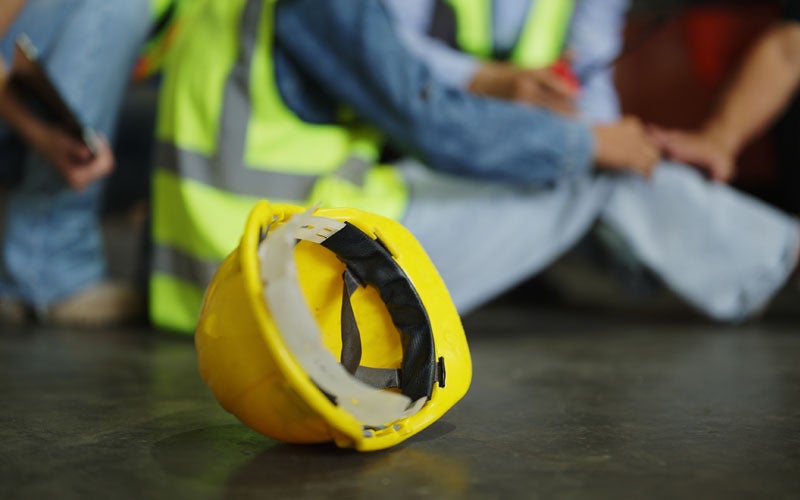
When Maryland construction workers clock-in, it is an automatic step to put on their personal protective equipment (PPE) before getting to work. And construction workers know that their hard hat is one of the most important pieces of PPE that they have. However, construction workers still suffer more traumatic brain injuries (TBIs) than workers in any other industry. So, how effective are hard hats in preventing head injuries in construction accidents? Hard hats have many protective purposes While there are different types of hard hats designed to offer different protections in many jobs, they all serve to protect workers from hazards by: Stopping falling objects or debris from hitting or piercing the head Absorbing shocks from falling or falling objects Resisting water, fire, and even mitigating risks of electrical shock With these three functions, hard hats play a significant role in protecting workers and preventing head injuries. A 2019 report demonstrates this, finding that: In 1970, when the Occupational Safety and Health Administration (OSHA) was founded and established requirements for hard hats and protective equipment, there were roughly 15,000 work fatalities. In 2016, that number had decreased to 5,200 fatalities. Even though hard hats help to decrease the risk of fatality and injury, head injuries are still a considerable risk. Most head injuries occur on the job when workers are not wearing their hard hats – or wearing an ineffective one. What makes a hard hat ineffective? Hard hats are very efficient and reliable in protecting workers on all kinds of worksites. However, it does not take much to compromise hard hats, and therefore the safety of the worker wearing them. For example, one’s hard hat can become unsafe if there are: Cracks of any size in the shell or suspensions Dents from impacts to the hard hat Damages from exposure to heat or cold environments Decorations that jeopardize the hard hat safety features, such as paint or stickers Workers should take time to inspect their hard hats carefully every day before use to make sure they are safe on the job each day and avoiding the risk of a life-changing head injury.

What is “maximum medical improvement?”

What is “maximum medical improvement?”

It is common for workers and their families to come across many terms and concepts that they are not familiar with in the process of seeking or reviewing their workers’ compensation benefits. One of the terms that is frequently heard in these cases is “maximum medical improvement” (MMI). Understanding the basics of these terms can help injured workers better comprehend how their benefits work as well as their rights under Maryland law. So, what does MMI mean? When an injured worker reaches the maximum medical improvement, they have essentially recovered to the fullest extent. This can generally mean one of two things: The worker healed fully and reached their pre-injury status; or, The worker is not fully healed, but further medical treatment will not improve their condition When an injured worker reaches MMI, the following should ultimately be determined: The worker’s capabilities Any work restrictions Any permanent impairment (to be conducted based on Maryland law.) For example, suffering a fall on a construction site could result in a broken arm. After the injured worker receives medical care, there may come a point where additional surgery or physical therapy may not improve the worker’s condition. At that juncture, the worker has reached MMI. How does reaching MMI affect workers’ compensation benefits? When workers reach MMI, they will generally stop receiving the temporary total disability benefits they earned while seeking treatment as it will end the treatment or “healing” period. However, that does not mean they cannot receive other benefits. If an injured worker can still not return to their old employment, they may be entitled to Vocational Rehabilitation. Once the injured worker has reached MMI, returned to either their old employment or found new employment, they may be entitled to compensation for any permanent injury that resulted from the work-place accident. The circumstance the finding of MMI is most contested is when a treating physician indicates that an injured worker requires more treatment – and not at MMI – and when an independent medical examiner on behalf of the Employer/Insurer feels otherwise and opines that the injured worker requires no additional treatment – MMI. When this circumstance arises, it is critical for an injured worker to have counsel to help explain the circumstances and options the injured worker has. Most importantly, should additional treatment be necessary, despite the Employer/Insurer’s view, an attorney can request a hearing and seek a finding by the Worker’s Compensation Commission that additional medical remains necessary.

When can I work again after falling in the workplace?

When can I work again after falling in the workplace?

Falling from even a short distance on the job can put workers at risk of suffering a serious injury. And according to the National Safety Council, falls in the workplace are one of the top accidents that keep individuals out of work while they recover. Work injuries like this are unexpected and can lead to a considerable amount of stress and many questions. It takes time to heal, but many Maryland workers might wonder: when can I go back to work? How long will it take to heal from fall injuries? The time it takes to heal after a serious fall depends on multiple variables.  Most importantly there is no one-size-fits-all understanding in medicine as to a healing period, as each individual heals at their own speed. However, a general understanding of healing time is best determined by the type of specific injury a worker experiences. Soft tissue injuries that do not include broken bones or torn ligaments could take between one and four weeks to heal A broken hip bone could take between six months and one year to heal Broken or bruised ribs could take three to six weeks for recovery Spinal or back injuries, in particular, can be more volatile – and life-changing. However, if they are not serious, these injuries can take roughly six months to regain full mobility. Concussions are also especially common injuries that result from a fall. It could take roughly two weeks to heal, but recovery is also dependent on rest and the individual’s circumstances. All of these injuries addressed here are some of the most common after a fall. Depending on the number of injuries a worker suffers in the event of a fall, a full recovery could take several weeks, if not months. However, all injuries should still be evaluated on a case by case basis, and speaking with a physician is the best source to discuss recovery time. So, when can workers return to work? The answer to that question is not so simple. A return to work depends on the limitations of the injured worker as well as the nature of the employment a worker is returning to. Desk jobs and clerical work are less physically demanding, so workers may be able to return to work in a shorter time period. Conversely, a worker may have to remain out of work for a longer period, even if the injury is less severe, if the worker has a very physically demanding job, such as construction. If recommended by a physician, some workers may be provided light duty restrictions while still under medical care. Should an employer be able to provide accommodations, an injured worker could return to work while also receiving ongoing medical treatment. In other circumstances either a medical provider or employer may require an injured worker to reach a full recovery before they return to work. Regardless, the many variables in these cases can make the timeline of recovery uncertain. This is why it is critical for injured workers to seek counsel when injured on the job. Worker’s Compensation benefits and laws were established to protect the injured worker. Returning to work too soon may result in further injury. Obtaining appropriate coverage and understanding a worker’s rights are essential to help cover medical bills for treating these injuries and financially supporting the family while workers recover from the accident.

Workers: Pay attention to back pain

Workers: Pay attention to back pain

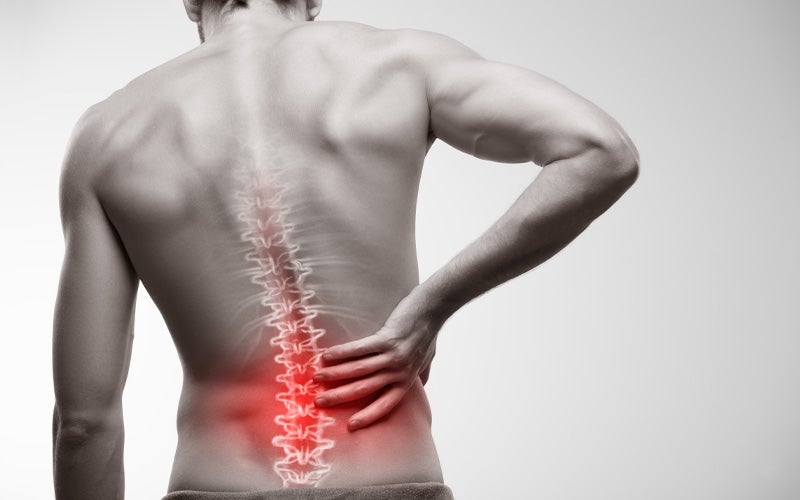
Many Maryland workers may know that falls and the overextension of muscles are some of the most common causes of injuries in the workplace. With how common these incidents are, it is no wonder that they are also some of the leading causes of back injuries. In previous blog posts, we have discussed how much a back injury can affect a worker’s life. Even so, it bears repeating that these injuries pose a serious risk all across the workforce. These injuries are far too common in many industries In 2019, the Bureau of Labor Statistics (BLS) reported that back injuries were the most common injury that kept workers out of work for several days. There were 136,190 injuries across all industries out of the total 888,220 injuries recorded. In turn, there are several workers that face a high risk of suffering a back injury because of their job requirements, from healthcare workers to grocery and retail workers, or baggage handlers to janitors. These injuries are all too common, but workers must be careful. They can often be much more severe than they think. Beware of pain – it could be a sign of a more serious injury In many cases, workers know right away that they suffered a back injury. They feel a twinge, or they cannot move. However, it is critical to note that some symptoms of back injuries can be delayed – especially if they are the result of a motor vehicle accident. Therefore, workers must not overlook any back pain, as it could be a sign of a much more serious injury to the back or spinal cord. Workers should be careful to look out for serious symptoms, including: Constant pain Swelling or bruising Muscle spasms Numbness or tingling in the arms or legs If workers suffer a back injury at work, they should always seek medical attention as soon as possible. However, workers should also obtain treatment if they experience any of these symptoms after a workplace accident. Additionally, the worker should report the injury to their supervisor, immediately. Back injuries often have long-term effects, whether that is a long recovery time or dealing with chronic pain. Regardless, it can have a serious impact on a worker’s ability to move, work and fulfill the duties of their job. That is why it is critical for injured workers to seek compensation, so they can avoid financial stress while they heal.

When can I work again after falling in the workplace?

How much can injured workers earn in lost wages?

Serious work injuries can keep one out of work for a long time while they recover. This time is necessary for workers to rest and heal. Even so, many injured workers worry: how will they support their family if they cannot work? Thankfully, the answer to that question involves an injured worker’s entitlement to collect workers’ compensation benefits after an injury. But how much can injured workers expect to receive? Under Maryland law, while a worker is out of work or their employer is unable to accommodate work restrictions during a healing period, an injured worker is entitled to Temporary Total Disability benefits. These benefits are two-thirds of the injured worker’s average weekly wage, tax-free. Each year there is a State cap to weekly benefits. In 2020 maximum benefit was $1,080.00 per week. In determining a worker’s Average Weekly Wage, a specific calculation is required: How much the worker was earning in the 14 weeks before the injury; Lodging Per diem pay Schedule bonuses Tips the worker earned, if applicable If the worker started employment recently prior to the accident, the anticipated or contracted wage. This is merely a brief overview of the factors considered to calculate these lost wage benefits. But it is critical to know that there are guidelines provided under Maryland law (Maryland Code, Labor & Employment §9-602). These guidelines can be complex to understand, and can be applied differently depending on the circumstances. It is often beneficial for workers to consult an experienced workers’ compensation attorney to fully understand the financial compensation they can obtain.

In the course of employment: What does it mean?

In the course of employment: What does it mean?

Work-related injuries can cause a considerable amount of physical and financial stress in a worker’s life. Thankfully, if a worker suffers an injury on the job, they are often eligible to recover workers’ compensation benefits. However, workers should take some time to understand certain aspects of the law that regulates their benefits – particularly, the phrasing that covered injuries must “arise out of and in the course of employment.” What does this entail? Maryland law defines a work injury as an accidental injury “that arises out of and in the course of employment.” (Maryland Code, Labor and Employment §9-101). Many people might interpret this phrase to include any injury that workers might suffer on the job. However, “on the job” and “arising out of and in the course of employment” do not often have the same meaning. The phrase included in our state’s statute has a specific context. According to the Maryland Workers’ Compensation Commission, a few factors may determine a finding that an accident was in the course of employment: The incident occurred when the worker was completing work tasks and duties The incident stemmed from regular duties of employment The incident occurred when the employer required the worker to complete a certain task The incident occurred during the worker’s work hours or shift The incident occurred in the workplace or another work location recognized by the employer While it is true that these four factors do often mean that the injury occurred on the job, it is critical for workers to understand these particular factors. Claims are interpreted on a case by case basis, so every accident set of facts should be evaluated on an individual basis. This definition can create a challenge for some injured workers The elements of what makes up a work injury can make it challenging for some workers to connect their injury to their work in the first place. And, it might be more difficult to prove the four factors listed above for long-term injuries, such as: An injury that developed over time An illness connected to work Hearing loss connected to their work That is not to say these injuries are not compensable. Maryland law includes many presumptions for certain injuries – including cancers and hearing loss – to help injured workers avoid such challenges. Even so, injured workers must understand their eligibility to obtain workers’ compensation benefits, so they can protect their rights.  As a result, injured workers will benefit from seeking advice from experienced attorneys.

Does pregnancy increase the risk of a work injury?

Does pregnancy increase the risk of a work injury?

Even though the old-fashioned term for pregnancy described it as a “delicate condition,” most women would disagree with that statement. While they might worry more about their unborn child’s health, most women remain capable and fit to work throughout their pregnancy. However, a new study indicates that pregnant workers might face a higher risk of suffering an injury at work in many cases. Study: Not pregnancy, but stress increases risk of work injury Many studies over the years have found that stress distracts workers, and therefore can increase their risk of an injury. For pregnant workers, that stress seems to revolve around the pregnancy itself. Pregnancy does not inherently increase the risk of a work injury. Even so, two out of three pregnant workers fear they will face bias, stereotyping and discrimination because of their pregnancy, such as being seen as weak or incapable. Therefore, these workers tend to overcompensate. They will work harder and even overexert themselves. This puts them at risk of an injury. In fact, the study found that workplaces with a higher stereotyping risk led to three times as many work-related accidents. Pregnant workers must stay safe on the job The fear of unfair treatment in the workplace is very real – and so is the stress it can cause. However, staying safe at work is of the utmost importance for both the worker’s health as well as the health of their unborn child. Pregnant workers might remain fully capable of completing their work duties, but they must ensure they take their safety seriously. Pregnant workers in Maryland should take extra care to: Utilize ergonomic equipment Be careful lifting heavy loads Wear the proper shoes to maintain posture Avoid exposure to dangerous materials Operate heavy machinery safely Take regular breaks to rest If workers overexert themselves to avoid stereotyping, it only serves to put them at more risk in the workplace. Pregnant workers are protected under Federal Law not to be discriminated against based on their sex and the fact that they are pregnant. Pregnant women should work as normal, and be open and candid with their supervisors regarding their pregnancy and how, if at all, the pregnancy affects their ability to perform their job. Should a woman who is pregnant feel that they are being treated differently due to their pregnancy, they should contact an attorney to discuss their rights. Furthermore, should a woman experience an injury on the job, even if they think the change in their body contributed to the accident, they remain likely covered by the Workers’ Compensation Act of Maryland and should seek counsel to ensure they treated fairly and protected.

Contact Us

Fill out this form below and we'll contact you shortly
*Required Fields