Blog / Car Accidents

Drivers: Know the four types of distracted driving

Drivers: Know the four types of distracted driving

In Maryland, it is illegal for drivers to text or use their phone behind the wheel. The goal of this law was to reduce the epidemic of distracted driving–which is currently the number one cause of motor vehicle accidents in the country.

However, there are many more potential distractions behind the wheel than texting. Maryland drivers must understand all of the potential distractions to help reduce the number of catastrophic accidents resulting from distracted driving.

Maryland government recognizes four kinds of distractions

Most agencies, such as the Centers for Disease Control and Prevention (CDC), only cite three types of distractions. But the Maryland Department of Transportation defines four types.

These four distractions include:

1. Visual distractions

Anything that pulls a driver’s eyes off of the road puts other drivers at risk. Visual distractions include anything from looking at directions or a GPS to observing the view outside the window.

Drivers must keep their eyes on the road to:

  • Stay aware of their surroundings
  • React to hazards on the road
  • Follow visual traffic signals

2. Manual distractions

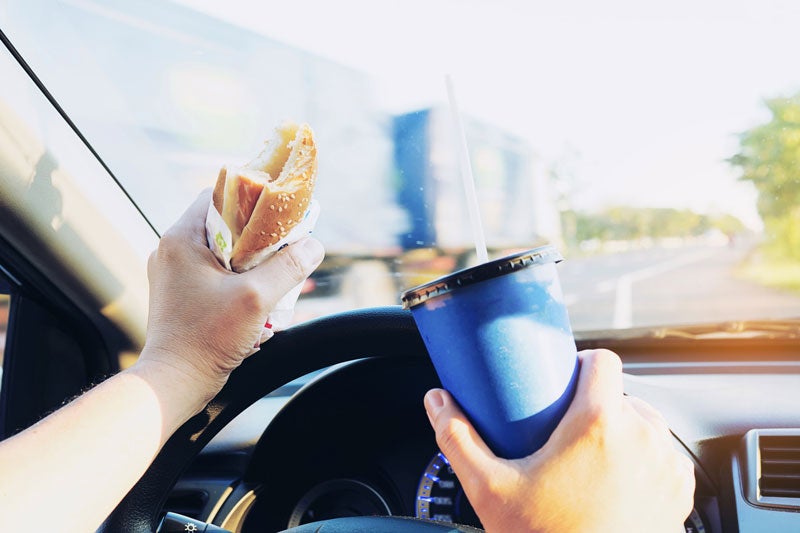
Another common distraction is anything that requires drivers to take their hands off of the wheel, such as:

  • Eating
  • Changing radio stations
  • Grooming

Even if drivers see hazards, they need both hands on the wheel to react appropriately and avoid an accident.

3. Cognitive distractions

Cognitive distractions are not as well-known as both visual and manual ones, but they are just as dangerous. If drivers think about their day at work, daydream or even try and hold conversations over the phone or with passengers, then their full attention is not on the task at hand.

4. Auditory distractions

This is one type of distraction that many other agencies do not include. The CDC only lists visual, manual and cognitive distractions that can impair driving.

However, one’s hearing is also an important part of driving. Hearing a car honk or emergency sirens approaching can help drivers react quickly and safely.

Music is one of the primary auditory distractions. Most drivers travel while listening to the radio. However, many more drivers nowadays drive with headphones on. This is dangerous and illegal in Maryland because it can block their hearing and slow their response time. Only emergency response personnel are allowed to wear headphones while driving in order to communicate during an emergency (Maryland Code, Transportation § 21-1120).

All of these distractions put both the distracted driver and all other drivers at risk. The CDC reports that nearly 1,000 individuals are seriously injured each day because of distracted driving across the country. Knowing about–and avoiding–all of the different types of distractions can help reduce this number significantly.

Posted in:

Related Posts

People with pain before a crash may experience injury aggravation

People with pain before a crash may experience injury aggravation

People involved in car crashes don’t always notice their injuries immediately. They may already have significant pain symptoms due to an issue with their shoulder or their hip that they have had for years. As such, the pain they feel immediately after a car crash may not seem much different than their status quo. However, as time passes, it may become quite obvious that the car crash worsened a pre-existing injury. Chronic medical conditions and persistent injuries are relatively common. Federal researchers estimate that roughly one in two adults in the United States has a pre-existing medical condition, many of which are functionally-limiting injuries. Do people with an injury that existed before a car crash have the right to request compensation if the collision worsened their symptoms? 1. If a crash worsens an injury, a claim is possible It is possible for those with a physical injury worsened by a motor vehicle collision to hold the driver at fault accountable for their new or more severe symptoms. The claims process is roughly the same, although the amount and type of evidence required is a bit different when seeking compensation for the aggravation of a pre-existing injury. Generally speaking, the party making the claim needs medical documentation regarding the severity of the injury and any treatment they underwent before to control or address their symptoms. Medical records regarding their treatment and symptoms after the crash can help demonstrate that the collision worsened a pre-existing condition. Details about the timeline for their recovery, their long-term prognosis and even their work restrictions can help people prove that a collision worsened a pre-existing medical condition. They may need help evaluating the increased care costs and lost earning potential generated by their aggravated injury. 2. Acting promptly is necessary An injury claim related to the aggravation of a pre-existing problem is subject to the same Maryland statutes as any other personal injury lawsuit. The injured party has three years from the date of the crash to initiate litigation in most cases. It is also critical that those with aggravated injuries undergo professional medical evaluations, possibly including imaging tests, as soon as possible. If a car crash made a back injury or similar pre-existing medical issue worse, the injured party may have grounds for a compensation claim on the basis of the aggravation of a pre-existing condition. Those in need of compensation and facing a complex claim after a car crash can call the team at Cohen, Snyder & Eisenberg, P.A. for support. Our team provides free consultations and answers the phone 24/7. Click here or call 1-800-INJURED (1-800-465-8733) to discuss how a collision worsened a pre-existing injury.

Responding when a car crash causes moderate injuries

Responding when a car crash causes moderate injuries

People typically understand that they need to take action after severe car crashes. When someone ends up in a coma or dies because of the collision, insurance often isn’t sufficient. In cases where a collision is minor and produces only property damage or minimal injuries, a simple insurance claim could suffice. Many crashes leave people with moderate injuries. Moderate injuries require medical attention but may result in a full recovery with the right care. Whiplash, internal bleeding, concussions and even disfiguring wounds on the face are all examples of moderate injuries. They can generate significant medical expenses and impact an individual’s income, but they are likely to resolve with care. Those with moderate car crash injuries may need help as they seek compensation for their losses. What steps do people need to take to address moderate collision injuries? 1. Documenting the situation carefully Ideally, anyone involved in a car crash makes an effort to document the scene as accurately as possible. Gathering proof of what happened before and during the crash can be critical to establishing fault later. Maryland has a strict contributory negligence rule. Accusations of having partial fault could prevent a plaintiff from pursuing a lawsuit. Therefore, the preservation of the scene by taking photos and the collection of witness information are of the utmost importance for the pursuit of compensation later. 2. Seek medical care Moderate injuries aren’t life-threatening or permanent, but they can be costly. People need to see a doctor as soon as possible to diagnose their whiplash or other injuries. They can also develop a treatment plan and estimate the costs of addressing their injuries. A medical report from the same day as the crash helps connect the condition to the collision and validate claims that the other driver should cover medical expenses and lost wages. 3. Consult with an attorney As soon as possible after a crash, an injured person likely needs to discuss the situation with a legal professional. They usually only have three years in which to take legal action. Attorneys can help make sense of insurance coverage. They can let an injured person know if they are likely eligible for a personal injury lawsuit. They can help communicate with outside parties and manage the legal process on behalf of the injured person. Attorneys can also prove invaluable when negotiating with insurance providers. Taking the right steps immediately after a crash can make all the difference for those with moderate collision injuries. Reaching out to the team at Cohen, Snyder & Eisenberg, P.A. for a no-cost review can help people understand their options after a car crash.

What rights do people have after a drunk driving crash?

What rights do people have after a drunk driving crash?

When a drunk driver causes a crash, fault for the collision is typically clear. Driving under the influence (DUI) offenses are crimes, and the drunk driver could very well end up facing criminal charges because of the choices that they made. The people affected by drunk driving collisions often have questions about their rights afterward. Those who have experienced drunk driving collisions may benefit from reviewing the answers to common questions below, in anticipation of speaking with a skilled legal team. Does prosecution affect compensation? State prosecutors can bring DUI charges against those accused of impaired driving. A DUI charge is separate from any request for compensation brought by the people affected by the collision. Some people mistakenly believe that a DUI conviction could prevent them from filing a personal injury lawsuit. However, double jeopardy protections only apply to prosecution by the state, not civil litigation. The people affected by a drunk driver have the right to file a lawsuit even if the state has prosecuted the driver already. In fact, a conviction for a DUI offense can strengthen the legal case of the plaintiff. Is insurance adequate? People sometimes assume that an insurance claim can cover their losses after a drunk driving crash. However, state statutes only require $30,000 in bodily injury liability protection if the crash harms one person or $60,000 coverage if two or more people sustain injuries. Plaintiffs have the right to request compensation for their current and future medical expenses. They can also request compensation for lost wages and diminished earning potential. In fact, people may have the option of requesting compensation for their pain and suffering if they take the matter to court instead of simply settling an insurance claim. Drunk drivers may lack the insurance coverage necessary to adequately compensate the people they harm. Successfully litigating is often the most effective means of obtaining compensation after a drunk driving collision. Those harmed by intoxicated motorists typically require assistance as they navigate the civil courts. Partnering with the team at Cohen, Snyder & Eisenberg, P.A. can help people pursue justice when intoxicated drivers cause major collisions. People who have support from a local law firm with experience managing insurance claims and litigation can focus on addressing the personal fallout of a serious wreck instead of fighting on their own in pursuit of reasonable compensation. Those dealing with the aftermath of a recent collision can get insight into their options by discussing the crash with the team at Cohen, Snyder & Eisenberg, P.A. by clicking here or calling 1-800-INJURED.