Blog / Car Accidents

Blog

All Car Accidents Workers' Compensation Workplace Accidents Workplace Injuries Construction Workers' Accidents Medical Malpractice Industrial Workers' Injuries Product Liability Personal Injury Truck Accidents Firm News Wrongful Death Uncategorized
3 things you may not know about distracted driving

3 things you may not know about distracted driving

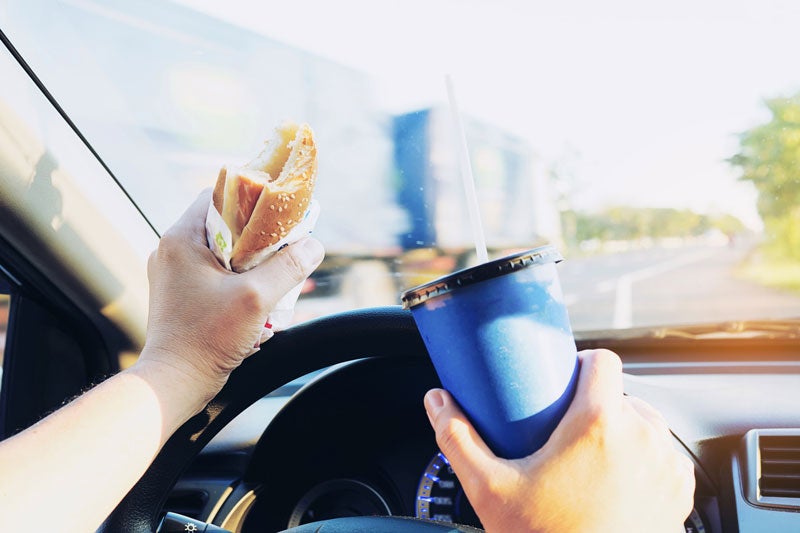
For years, state and federal groups have poured resources into raising awareness discouraging distracted driving and enforcing state laws prohibiting specific types of distraction.  These efforts have fortunately paid off because most drivers in Maryland know that distraction behind the wheel could be deadly. However, there are still things people may not understand about distracted driving. It’s about more than your phone One of the most distracting things people do behind the wheel is to operate a smart phone while driving, including texting, using social media or taking pictures. However, it’s not just using a phone that is distracting. There is a wide range of activities that make a driver unsafe, including: Eating Grooming Reaching for something in the backseat Reading a map or using GPS Arguing with a passenger Trying to find music or a podcast to listen These actions can mean a driver’s attention and eyes are off the road, and their hands are off the wheel. Thus, they can be slow to react and may swerve out of their lane, increasing their chances of losing control of their vehicle. There is a “hangover effect” Distraction does not disappear just because you put something away that is making it hard to concentrate. In fact, a recent AAA Foundation for Traffic Safety study found that drivers can remain distracted for nearly 30 seconds after sending a text, using in-dash infotainment systems or making a phone call. Researchers call this the “hangover effect” and note that most drivers are not aware of this. As such, even if you pull over to make a call or send a text, you may still be unfocused on driving once you get back on the road. Safety features can’t do it all Drivers have more technological tools in their cars than ever before. Cars have systems that can apply brakes in an emergency and warn drivers of lane departures; some vehicles even have autopilot features. However, these systems are no replacement for a focused, attentive driver. Overreliance on them can make drivers more likely to engage in unsafe behaviors, including distracted driving. Distracted driving remains a serious issue in Maryland: 26,000 people in this state suffer injuries in distracted driving crashes every year. The more informed drivers can be about the risks they take when they lose focus, the safer everyone can be on the road.
If you drive for work, you could be at risk of an accident

If you drive for work, you could be at risk of an accident

People often worry about work-related injuries while they are on a job site, whether that is a manufacturing plant, construction project or office. However, not all work accidents happen in a building. For instance, you could get seriously injured in a work-related accident while you are driving. In fact, motor vehicle crashes are the cause of most work-related fatalities in the United States. Work-related car accidents The Centers for Disease Control and Prevention states that 24 percent of fatal work accidents in 2018 involved motor vehicle crashes. And between 2003 and 2018, more than 29,000 people were killed. While every motorist is at some risk of getting in an accident, workers who drive as part of their job can be on the road more and for longer periods. Under these circumstances, a person can be more likely to encounter dangerous situations, including: Distracted drivers Drowsy or fatigued drivers Drivers impaired by drugs or alcohol Dangerous roads Work zones Reckless drivers Unfamiliar routes These components present a threat to every road user, but the more a person drives, the more likely it can be that they will encounter these hazardous scenarios. Workers at the highest risk Some occupations that put people at a higher risk of getting into a crash while working include: Truck drivers Firefighters Police officers Oil and gas extraction workers Taxi or rideshare workers Delivery services Sanitary workers Salespeople People working in these roles can be on the road more than the average driver. They can also be more likely to be driving at high speeds, early in the morning or late at night. And it is not just the drivers who can be in danger of getting hurt in a crash. Passengers can also suffer a fatality in a work-related motor vehicle accident, and pedestrian workers can be injured, too. These parties might include road construction workers and highway maintenance crews. When a person is operating a vehicle at the request of their employer and an accident occurs, any injuries to the employee are likely covered.  As the Maryland Worker’s Compensation Act is a “no-fault” statute, even if a worker is partially or completely at-fault for an accident they still can be eligible for coverage and compensation for their injuries sustained in a vehicle crash. However, it should be noted receipt of benefits from an insurer of an at-fault vehicle can adversely affect long-term benefits an injured worker may be entitled to under Worker’s Compensation.  As a result, these types of accidents can be es can be highly complex in relation to injuries, fault, and the intersection of different compensation. . As such, consulting an attorney who specifically handles these issues is critical in ensuring no mistakes occur for the injured worker.

Spring cleaning could keep you safe on the road this season

Spring cleaning could keep you safe on the road this season

Spring cleaning gives people the opportunity to make a fresh start after the winter. While most people think of spring cleaning their homes, it can also be a good time to address your car. Cleaning your vehicle can help you feel more organized and calm, but it can also help keep you safe and avoid car accidents this season. Below are some tips for how you can accomplish this. Performing routine maintenance Whether you drove a lot this winter or your car spent a lot of time in the garage, it could benefit significantly from a tune-up. You or your local auto shop can: Change the oil Refill the fluids Check the battery Replace broken lights Replace broken windshield wipers Check the condition and air pressure of your tires This routine maintenance can ensure your car is in working order, and it can minimize the risk that your vehicle breaks down or malfunctions in the coming months. Refresh your driving habits Driving in the winter is notoriously treacherous in Maryland. Drivers know they should be attentive and cautious behind the wheel when roads are icy, snowy or slick. However, these behaviors are no less important when the roads are clear, the sun is out and your windows are down. Thus, now can be a great time to commit to driving safely. Remember to: Wear your seatbelt Obey the speed limit Give other vehicles space Refrain from driving while distracted, drunk or drowsy These habits may have been top-of-mind during winter, but they remain critical in every season. And, in times of spring storms, be sure you adjust your driving accordingly. Prepare for road hazards Countless road hazards seem to crop up when the snow melts. You might notice things like road construction, novice drivers testing their skills out, and reckless drivers. Do not let these hazards catch you by surprise. Keep your eyes open, focus on the road and steer clear of any motorist who may be swerving or driving too fast for road conditions. Statistics from the National Safety Council show that car accidents increase in the spring as more people drive more miles than in winter. However, with these tips, you can protect yourself and your family from a devastating car crash.

What parents must know about car seats

What parents must know about car seats

A parent’s number one priority is often their children’s safety. This is especially true when they get behind the wheel, with their children in the back seat. Car accidents are still one of the leading causes of serious injury and death for children under 12-years-old in the United States. However, when parents use car seats correctly, they can reduce their child’s chance of injury by at least 71%. So, what should new parents or parents with young children know to ensure their child’s safety? What does Maryland’s law say about car seats? Children in Maryland must be restrained in a child safety seat if they are: Under eight-years-old; or Under 4 feet and 9 inches tall. This is required by law (Maryland Code, Transportation §22-412.2). However, it is important to note that parents must: Carefully read the car seat’s height and weight limitations; and Monitor their child’s growth and how well the car seat fits them. When determining what type of car seat or booster seat children need, it is often safer to go by a child’s height and weight, rather than their age. Installing the car seat correctly is critical The National Highway Traffic Safety Administration (NHTSA) reports that in 59% of the cases where children were injured in a car crash, the car seat was not installed properly. Improper installation of car seats is one of the most common mistakes – and yet it is also one of the easiest to avoid. It is helpful if parents: Carefully review the installation instructions, even before buying a car seat; Practice installing the car seat and following the instructions; and Consult a child passenger safety technician to check the installation. Often times, local fire departments are willing to assist in the installation of car seats. In the Baltimore area, look up The Carseat Lady, https://thecarseatlady.com, who can provide additional information and services related to properly fitting a car seat. Using the proper car seat is the law, but it is also important to safeguard the health and safety of the children every time parents get behind the wheel. Parents do their best to avoid a crash by driving defensively and avoiding distractions, but there will always be reckless drivers on the road. Taking care to select the right car seat and install it correctly can help ensure a child’s safety, even in the face of this risk.

Tips for talking to the insurance company after a crash

Tips for talking to the insurance company after a crash

Suffering an injury in a car crash can be life-changing and incredibly distressing. Most people want to focus on their recovery; however, insurance is inherently involved in accidents. Per their own insurance contracts, individuals have to report the car accident to their own vehicle insurance company. If they intend to make a claim against the at-fault driver, reporting the accident to that driver’s insurance company will be necessary as well. No matter the circumstances, speaking with the insurance company can be stressful. It can also quickly become complicated. So, here are some tips for individuals to remember when speaking with the insurance company. 1. Do not give too many details about the accident Many people are under the impression that they must tell the insurance company everything about the accident. This is not true. Individuals should be honest, but limit their information to the following: Where the accident happened; When it happened; Known occupants in the vehicles; The type of accident; and Their vehicle and policy information. The insurance representative or adjuster may try to press for more details, such as how the accident happened. They might even outright ask individuals to provide a recorded statement. But individuals can decline to provide a recorded statement and limit their information than what is listed above for their initial statement. 2. Do not discuss injuries Like the accident, individuals do not have to describe their injuries to the insurance adjuster either. If insurance companies ask about injuries, individuals should stick to the facts but avoid providing too many details. For example, they can tell the insurance company that: They suffered injuries in the accident; and They are still seeking medical treatment for these injuries. The insurance company does not need any more information than this from individuals after the accident occurred. 3. Stay calm Speaking with the insurance company after an injury can be stressful, especially if the adjuster presses for information. However, individuals must remember to remain calm and civil while on the phone. Seeking experienced counsel will inherently limit the stress that injured individuals face after accidents. If a person is in an automobile accident and retains counsel quickly, they can defer all questions from the insurance companies to their attorney. Such action limits an individual misunderstanding an insurance representative and providing irrelevant or other information that may adversely affect their claim for recovery.

The emotional impact of a car accident is very real

The emotional impact of a car accident is very real

An accident can happen in mere seconds. In that short time, individuals can be left with devastating and catastrophic injuries. The injuries sustained from a serious car accident can keep individuals out of work and prevent them from enjoying the activities they love. This can be incredibly frustrating, which only adds to the emotional impact that a car crash can have. There are two reasons individuals should not overlook the emotional effects of a car crash: In Maryland, individuals injured in a car accident caused by another’s negligence can often recover financial compensation for the non-economic damages they suffer, such as significant emotional distress (Maryland Code, Courts and Judicial Proceedings §11-108). More importantly, overlooking the emotional effects can have a negative impact on an individual’s mental health. Individuals must be aware of the emotions they might experience after a car accident, so they can be sure to take care of their mental health. What are the most common emotions individuals might experience after a crash? Some of the most common effects that injured individuals experience after an accident include: Shock: Shock is incredibly common after a car accident. Individuals might be confused, distressed and irritable after the crash. It might take time for the accident to even feel real to them. This can last for even a few days or weeks after the accident. Anger: After a while, injured individuals might be angry at the negligent driver who caused their injuries and put them in this situation. However, this anger might also manifest at small inconveniences or even at other loved ones. Guilt: Many individuals might begin to think about what they could have done differently to avoid the crash – even if they were not at fault. Injured drivers might also feel guilty if other passengers got hurt in their vehicle at the time of the accident. Anxiety: Symptoms of anxiety and depression are common after a crash. Individuals might worry excessively and feel constantly nervous about their well-being or the well-being of their loved ones. Anxiety can often manifest long after the accident, especially at the prospect of getting behind the wheel or into a car again. Car accidents can be traumatic The suddenness and violence of a car crash can cause severe emotional responses. Some people even develop post-traumatic stress disorder (PTSD) after catastrophic accidents that put their life at risk. That is why individuals must pay attention to their emotional reaction after the accident, so they can focus on their holistic recovery. These emotional reactions are normal, but they will be different for everyone. Remember that it may take time for individuals to work through these stressful emotions. However, if individuals experience such emotions for a prolonged period of time, it is also important to consult a mental health professional. Proper mental health can both improve an individual’s condition, as well as validate and document the psychological injuries.

When do most car accidents happen?

When do most car accidents happen?

During the holidays, police reports and news anchors alike warn drivers to be careful, since the number of car accidents increases significantly around that time of year. It is true that in the period between Thanksgiving and New Year’s, both the rates of drunk driving and car accidents overall spike substantially. This might leave many people wondering: what about the rest of the year? Aside from the holidays, when do the risks of being involved in a car accident increase? Rush hour is naturally a dangerous time to drive If most people could venture a guess of when they are most at risk of being in a car accident, they would likely say rush hour. That guess would be correct. The National Highway Traffic Safety Administration (NHTSA) reports that the period between 3:00 pm and 6:00 pm is the most dangerous time of day to drive. There are a few reasons that the risk of an accident increases around rush hour, including: The sheer number of cars on the road makes the chance of an accident increase; People are eager to get home after work, and they might be speeding or even distracted behind the wheel; Drivers may also be tired after a long day of work, which could mean they are not paying attention to the road. It also does not help that it is often dark during rush hour at this time of year, which decreases visibility. Fatal accidents also increase on the weekend Data from the NHTSA also reports the risk of a car crash increases or decreases depending on the day of the week. According to a study conducted in 2018, drivers are most likely to be involved in a fatal accident on Saturdays. This is mostly because: Like rush hour, there are often more cars out on the road during the weekend; and There are often more people driving under the influence during the weekend. Regardless of when Maryland drivers are out on the road, they face the risk of coming across negligent drivers who put their safety in jeopardy. That is why, no matter the time or day, drivers must make sure they focus and drive defensively when they are behind the wheel, so they can arrive at their destinations safely.

Drivers: Make road safety a priority this winter

Drivers: Make road safety a priority this winter

Every driver knows that the weather can play a huge role in their safety when they are out on the road. It is one of the primary factors that can affect the severity of car crashes, along with drunk driving, speeding and not wearing a seat belt. Bad weather also seems to make reckless drivers even more dangerous. Maryland’s winters are always filled with bad weather which only increases the chance of catastrophic accidents. That is why drivers must ensure they are taking extra precautions this winter to stay safe on the roads. The first Winter Safety Week launched this season Recently, Gov. Larry Hogan announced the first annual Winter Safety Week in Maryland. The campaign combines several agencies, including The Maryland Emergency Management Agency, The Maryland Department of Transportation, State Highway Administration and Maryland State Police. The goal of this team effort is to help Marylanders prepare for winter early, so they can stay safe all season long. What does this mean for drivers? The Winter Safety campaign focuses on general safety. One of the tips tells individuals to always have a cellphone on them, so they can call for help if they are stuck in the cold weather. Drivers should take heed of the campaign and focus on road safety as well. While it is true that statistics show that the summertime generally brings a higher risk of car accidents, drivers must still be aware of the heightened risk winter weather poses. The dangerous season is already starting, demonstrated by the heavy fog that led to a 58-car pileup on I-68 in western Maryland this year. Tips to help drivers stay safe this winter Staying safe on the roads during the winter requires two things: careful preparation before hitting the road and defensive driving when behind the wheel. For example, drivers should: Prepare and check their vehicle ahead of time to ensure everything works; Check the weather forecast every time before leaving; Drive slowly, allow plenty of time and space to stop; Make sure to keep plenty of space between vehicles on the road; and Ensure they avoid all of the different types of distractions while driving. Drivers’ dedication to safety should last all winter and not only for one week of the long season of bad weather. This can help drivers and their passengers to significantly reduce the chance of an accident and severe injury.

Report: I-95 is Maryland’s most dangerous highway

Report: I-95 is Maryland’s most dangerous highway

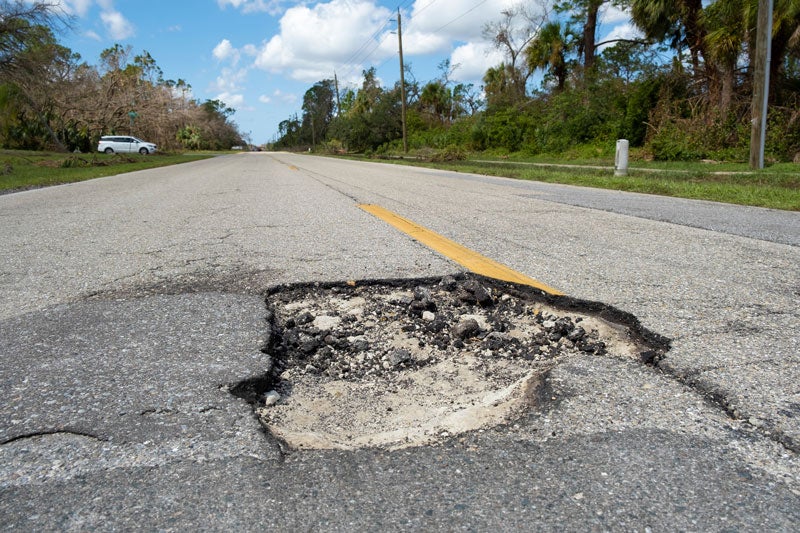
Many Marylanders have varying opinions about where it is most dangerous to drive in the state. Pedestrians might say it is University Boulevard in Langley Park. On the other hand, many people in Baltimore might agree that Gwynn Falls Parkway and Reisterstown Road is the most dangerous intersection. The opinions often depend on our own experiences. But are there really roads that are more dangerous than others that have more car accidents? A recent report says there is. A study found the nation’s most dangerous highways At the beginning of September, a study conducted by ASecureLife using data from the National Highway Traffic Safety Administration (NHTSA) determined what highways in each state were the most dangerous. And, the study found that Highway I-95 was the most dangerous road in Maryland, with 32 fatalities occurring on this stretch of road between the years of 2015 and 2017. However, evidence shows that it is not only the most dangerous highway in our state. I-95 also ranked as one of the most dangerous highways in eight other states, including all the way down in Florida. What makes a road dangerous? There are quite a few factors that can make particular roads more dangerous than others, including physical road conditions, such as debris or potholes. However, there are also two specific reasons that I-95 is so dangerous: I-95 is the longest interstate in Maryland, reaching a length of more than 100 miles. The sheer length of the highway could play a significant role in the number of dangerous car accidents. It is also one of the most traveled roads in the state, with a daily volume between 80,000 and 114,000 vehicles, depending on the specific location. There is no doubt that a higher volume of vehicles can contribute to the risk of a collision and therefore an injury. Individuals injured by reckless drivers can pursue compensation (Maryland Code, Courts and Judicial Proceedings §11-108). However, all Marylanders must be aware of the risks they face, so they can drive defensively and stay safe on these dangerous stretches of road.

Women face a higher risk of serious injuries in car crashes

Women face a higher risk of serious injuries in car crashes

There has long been a debate regarding which gender drives the safest. Different studies claim different answers to that question. However, regardless of that answer, it seems that there is a difference in which gender is safer in the event of a car crash. There is a higher rate of serious car crash injuries among women The University of Virginia originally released the findings of this study in 2011, stating that women were 50% more likely than men to suffer a severe or fatal injury in a car crash. However, they published a new study in July, and that rate jumped up to 73% in less than a decade. Even though the study found this shocking evidence, they have yet to determine why women face a much higher risk of injury than men. According to CityLab, there are a few variables that influenced the number of injuries, including: The year the car was made The individual’s height, weight and age Women might also be more susceptible to severe injuries because of biology. For example, the physical differences that men and women have in bone structure and tissue could be a factor in how seat belts protect them differently. And many car manufacturers model their crash test dummies off of men. So, CityLab reported that the lack of female crash test dummies could also be a contributing element. Various factors contribute to the higher risk. But is there a way that women can mitigate that risk? How can women stay safe on the road? Individuals injured in a car accident because of another’s negligence can seek compensation for their injuries (Maryland Code, Courts and Judicial Proceedings §11-108). However, there are steps that women in Maryland can take to improve their safety to avoid a crash in the first place. While there are no driving tips specific to each gender, it is helpful to: Check your seat belt: The study determined that front-end crashes were the most dangerous for women, even if they wore a seat belt. Both drivers and passengers should adjust the seat belt to secure themselves in the vehicle. Avoid all distractions: Distractions can increase both the likelihood of a crash and the severity of one. Watch other drivers: Individuals must focus on their own driving, but they must also stay aware of other driver’s actions. Driving defensively can make all the difference on Maryland roads. Auto manufacturers are evaluating how to increase safety measures for women, thanks to the study’s findings. But those changes will take some time. In the meantime, if women are aware of the higher risk they face, then they can take action to reduce it.

Drivers: Know the four types of distracted driving

Drivers: Know the four types of distracted driving

In Maryland, it is illegal for drivers to text or use their phone behind the wheel. The goal of this law was to reduce the epidemic of distracted driving–which is currently the number one cause of motor vehicle accidents in the country. However, there are many more potential distractions behind the wheel than texting. Maryland drivers must understand all of the potential distractions to help reduce the number of catastrophic accidents resulting from distracted driving. Maryland government recognizes four kinds of distractions Most agencies, such as the Centers for Disease Control and Prevention (CDC), only cite three types of distractions. But the Maryland Department of Transportation defines four types. These four distractions include: 1. Visual distractions Anything that pulls a driver’s eyes off of the road puts other drivers at risk. Visual distractions include anything from looking at directions or a GPS to observing the view outside the window. Drivers must keep their eyes on the road to: Stay aware of their surroundings React to hazards on the road Follow visual traffic signals 2. Manual distractions Another common distraction is anything that requires drivers to take their hands off of the wheel, such as: Eating Changing radio stations Grooming Even if drivers see hazards, they need both hands on the wheel to react appropriately and avoid an accident. 3. Cognitive distractions Cognitive distractions are not as well-known as both visual and manual ones, but they are just as dangerous. If drivers think about their day at work, daydream or even try and hold conversations over the phone or with passengers, then their full attention is not on the task at hand. 4. Auditory distractions This is one type of distraction that many other agencies do not include. The CDC only lists visual, manual and cognitive distractions that can impair driving. However, one’s hearing is also an important part of driving. Hearing a car honk or emergency sirens approaching can help drivers react quickly and safely. Music is one of the primary auditory distractions. Most drivers travel while listening to the radio. However, many more drivers nowadays drive with headphones on. This is dangerous and illegal in Maryland because it can block their hearing and slow their response time. Only emergency response personnel are allowed to wear headphones while driving in order to communicate during an emergency (Maryland Code, Transportation § 21-1120). All of these distractions put both the distracted driver and all other drivers at risk. The CDC reports that nearly 1,000 individuals are seriously injured each day because of distracted driving across the country. Knowing about–and avoiding–all of the different types of distractions can help reduce this number significantly.

Compensation is critical: How much could an accident cost you?

Compensation is critical: How much could an accident cost you?

The aftermath of an accident can leave individuals facing severe and even life-changing injuries. And recovering from those injuries can be painful and detrimental to one’s mental health as well. However, the hope of recovery after the accident can suddenly feel sour after all of the bills start to arrive. The financial cost of an accident can hurt an individual and their family almost as much as their injuries do. If the individual was not at fault for an accident, they might have a right to recover compensation to cover these expenses. 1. Repairing damage to your vehicle Purchasing a car is a significant investment. Repairing one after an accident is not inexpensive either. Common repair costs after an accident often include: Dented bumpers, up to $450 Scratches, ranging from $300 to $3,500 Ruined car doors, up to $1,500 An accident could involve a variety of damages that need repair. And if the car is totaled in the accident, it might be necessary to replace the vehicle. 2. Receiving medical treatment The financial cost also adds up for necessary medical treatment after an accident. According to the National Highway Traffic Safety Administration, these costs can fall anywhere between $2,000 to more than $50,000 per accident. These costs could include: An ambulance ride Surgeries or medication Physical therapy Even if individuals have health insurance to cover medical costs, that does not mean that they should have to pay these significant expenses. Additionally, most private health insurance policy have a right of subrogation. This means that they have a right to be paid back for any medical treatment related to your accident. 3. Missing work and losing income Recovering from an accident might force individuals to stay out of work. And even once they can return to work, their injuries might limit their hours or ability to work at all. Missing work or reduced productivity could result in little or no income. Meanwhile, lost wages could make it extremely difficult for individuals to cover their vehicle repairs and medical costs. According to the Centers for Disease Control and Prevention, the total cost of medical bills plus missed work across the country was more than $63 billion for one year. That is a significant amount of financial costs for families across the country, considering the fact that an average of three million individuals suffer serious injuries in car accidents every year. This is why compensation is available-and important A traumatic car accident can leave a family facing serious physical and emotional costs. But they should only have to worry about their recovery-not paying the financial costs on top of that. That is why Maryland law protects an individual’s right to recover compensation that pays for these substantial costs.

Contact Us

Fill out this form below and we'll contact you shortly
*Required Fields