Blog / Car Accidents

Blog

All Car Accidents Workers' Compensation Workplace Accidents Workplace Injuries Construction Workers' Accidents Medical Malpractice Industrial Workers' Injuries Product Liability Personal Injury Truck Accidents Firm News Wrongful Death Uncategorized
What rights do drivers have after multi-vehicle crashes?

What rights do drivers have after multi-vehicle crashes?

Some car crashes lead to very simple determinations of fault and compensation for those affected. When a collision involves two vehicles, it is often easy to analyze the situation and determine who may be responsible. Collisions can quickly become complicated and more difficult to handle when they involve multiple vehicles. Sometimes, collisions at intersections or on multi-lane highways involve three or more vehicles. Those crashes often require in-depth investigations and may result in complex compensation claims. What are the rights of those involved in a multi-vehicle crash? The right to a proper investigation State law requires that those involved in collisions that lead to injury or significant property damage file a crash report with local authorities. The police officers responding to a multi-vehicle collision should investigate the situation thoroughly. Not only do they need to collect evidence about the scene of the crash, but they may also need to question the drivers involved and any witnesses who can provide insight into the collision. That investigation can help establish who is at fault, paving the way for compensation claims from the parties who are not responsible for the multi-vehicle collision. The potential right to seek compensation Those who are not at fault for a crash typically have the option of filing an insurance claim against the party responsible for the wreck. In a multi-vehicle collision, more than one party may be at fault. There may also be significant damage that may make a lawsuit necessary because an insurance claim may not offer adequate compensation. Litigation in a multi-vehicle scenario can be a challenge, as the state of Maryland has a pure contributory negligence standard. If the courts determine that the plaintiff is even 1% at fault for the crash, they may not be able to seek compensation via a lawsuit. Regulatory violations like speeding, distraction while driving and failure to maintain an appropriate following distance are all examples of negligence that might prevent motorists from seeking compensation from others. In scenarios where the plaintiff did not use their seat belt, their failure to properly utilize safety restraints does not constitute negligence that prohibits them from seeking compensation. Drivers and passengers involved in a multi-vehicle crash who are not responsible for the collision may be able to obtain compensation for their property damage losses and any expenses related to injuries, including medical care costs and lost wages. Those pursuing large insurance claims or wanting to initiate litigation after a multi-vehicle crash also have the right to partner with a lawyer throughout that process so that they can focus on recovering medically instead of worrying about recovering financially. To that end, learning about the rules that apply after multi-vehicle collisions can help drivers assert themselves in scenarios that may otherwise lead to significant financial setbacks. Drivers who were not at fault and their passengers immediately after an accident should contact an attorney experienced in personal injury claims to discuss their rights to compensation for their injuries and losses.
3 factors that increase the risk of a teen driver crashing

3 factors that increase the risk of a teen driver crashing

Teenage drivers have a bad reputation. People tend to talk about teen drivers as though they are particularly unsafe, even though many drivers make poor choices in traffic occasionally. There is a degree of truth underlying the cultural bias against young drivers. The biggest concern is often their lack of experience. People need hundreds of hours of driving time before they become truly competent and confident drivers. Teens lack experience, which is perhaps the one universal factor shared by all young drivers. Some teen drivers are incredibly cautious, while others may be somewhat reckless. Just being young does not automatically mean a driver is unsafe. There are often secondary factors in play when teenagers end up involved in collisions. The three factors below are among the biggest safety concerns for new drivers. 1. Driving after dark Many of the worst crashes involving people of all ages occur after the sun sets. Lack of visibility, driver fatigue and more impaired motorists are all safety concerns after dark. Statistically, many of the worst collisions involving teenage drivers occur at night time. Parents worried about a teen driver’s safety may want to limit a youthful driver’s time on the road in the evening. 2. Distraction at the wheel Obviously, texting while driving or using social media can be a bad decision for people of all ages. However, teen drivers are particularly susceptible to distraction because they have grown up with technology and place high levels of importance on their social relationships. Even when they avoid using devices at the wheel, they may be at risk of distraction when they have other teen passengers in their vehicles. Frequently, the worst crashes involving teenage drivers occur when they have multiple other young adults in the vehicle with them. 3. Regulatory infractions Traffic safety laws exist to diminish the risk of a wreck. Teen drivers lack the experience to handle increased risk proficiently, making rule violations particularly dangerous for them. Many tragic teenage car crashes involve the young adult under the influence of alcohol, exceeding speed limits or failing to use safety restraints as required by the law. Parents who set good examples and consistently enforce certain traffic safety rules can help limit the chances of a teenage driver causing a car crash. Young adults often require regular reminders and clear enforcement of rules to internalize those standards for their own safety.

Who’s at fault in a multi-car pileup?

Who’s at fault in a multi-car pileup?

Being involved in any kind of car wreck is a traumatic experience, but this situation becomes undeniably more complex if you’re dealing with a multi-car pileup. One of the most difficult aspects of these cases is that it can be difficult to determine fault so that you know who to name as defendants in a personal injury claim. There are many factors that are involved in determining fault for a multi-car crash. In many cases, crash reconstruction experts are called in to help with this undertaking. Understanding how fault is determined and how fault determinations can impact a personal injury claim can be beneficial if you’re a victim of a multi-care pileup. How is fault determined? In a multi-car pileup, determining fault usually requires investigating the sequence of events that led up to a plaintiff’s vehicle being struck. Determining who has incurred liability for the crash can sometimes come down to what’s noted in police reports, witness statements and other evidence. In many cases, the driver who initiated the primary crash is the one who’s considered at fault. There are also instances in which multiple drivers and/or third parties might also share responsibility for a wreck. A number of factors, such as tailgating, speeding or failing to react appropriately while driving may play a role in who’s fault. If multiple drivers share fault for your recent crash, they may all be held liable in court for the financial damages you’re claiming as a result of your harm. How can fault affect a vehicle accident claim in Maryland? Maryland follows contributory negligence law. This means that if you’re found to be at fault at all for the collision, you will not be able to collect damages in a lawsuit. If you think the other driver was 100% at fault for the accident, you should speak with a lawyer who can investigate the claim and determine liability. Multi-car pileup personal injury claims can be complex, so it’s beneficial to have the assistance of a legal representative to help protect your rights. If you are entitled to damages under Maryland law, you need an experienced attorney to take swift action because of the state’s statute of limitations.

3 safety rules that can reduce a teen’s risk of a car wreck

3 safety rules that can reduce a teen’s risk of a car wreck

Most teenagers look forward to getting their driver’s licenses with eager anticipation. They look forward to going out on the road independently. Parents often worry about their young drivers for the same reason. When they aren’t present to give advice, they may worry about their new driver making the right choices in traffic. Parents do largely have to give up a degree of control when they agree to let their young adults drive. However, they can implement and enforce certain rules that could reduce the risk of their teen driver causing a crash. Establishing informed rules early is important, as is enforcing them if there is any provable violation that occurs. What rules can reduce a teenager’s chances of causing a collision? Limits on passengers The other occupants of a vehicle can be a serious source of distraction. A parent has likely already explained that the teen driver cannot text while driving because of distraction risks. They may not have addressed how dangerous in-person conversations can be. Limiting a young adult to no more than one other teenage passenger is often the safest option. In Maryland, Provisional Licensed drivers under 18 yrs. of age can only transport their family members, not their friends, teammates or coworkers, if they too are under 18 yrs. old. Rules about nighttime driving The nighttime is one of the most dangerous times to be on the road for anyone. Visibility issues, animal activity and drunk drivers are all hazards that can cause crashes after dark. Teen drivers who lack experience on the road are particularly vulnerable after the sun sets. A significant portion of the worst collisions involving young drivers occur during the night time. Having a rule that a young adult must be home by the time the sun sets or limiting them to nighttime driving if they need to get home from athletic activities or a part-time job could improve their overall safety. A rule about calling home after drinking Parents generally want their teenagers to make responsible choices. Those choices typically do not involve consuming alcohol or other mind-altering drugs. Despite a parent’s hopes, many young adults experiment with drugs or alcohol at some point in their high school careers or when they first start college. If they fear getting caught, they may try to drive home while under the influence. Parents who implement a rule where a child can avoid extra penalties if they call home and admit that they are not safe to drive could prevent a tragedy from occurring. With all of this said and done, however, it is important to understand that accidents may still occur. In cases where teens end up involved in car crashes that they did not cause, they may need help handling the aftermath. Proving fault and holding another party accountable can be difficult tasks for young drivers to handle without proper support.

Spinal cord injuries can lead to lifetime challenges

Spinal cord injuries can lead to lifetime challenges

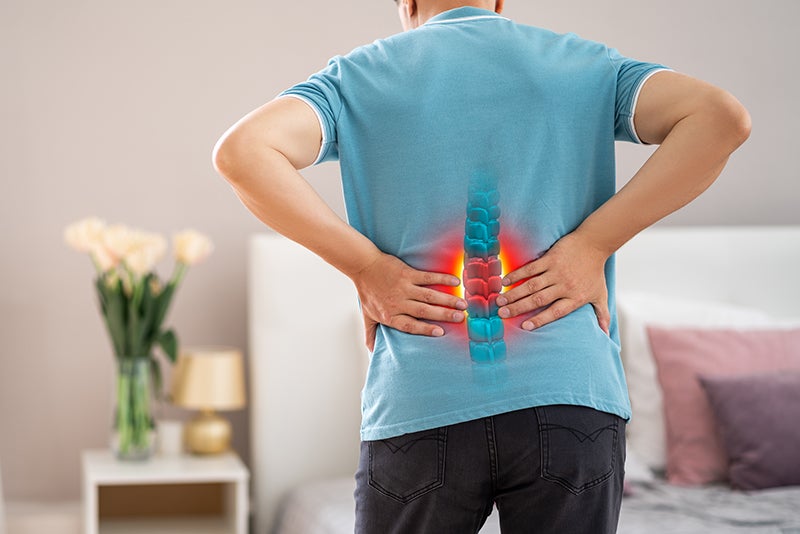
The spinal cord transmits messages between the brain and the body. When it becomes damaged, those nerve signals are impacted. This changes the way the body functions, which can lead to challenges. For victims of catastrophic spinal cord injuries (SCIs), such as those that occur in car crashes, learning to live with these challenges can be difficult. In some cases, therapy, assistive devices and personal care assistance can help them to live the best life possible. Physical and medical challenges Some SCIs lead to a loss of motor and sensory function below the level of the injury. This can result in paralysis, weakness in the affected area or an inability to use the body normally. These impacts can affect the limbs, as well as the internal organs. In addition to potential complete or partial paralysis, SCIs can cause secondary health issues. These include: Chronic pain Muscle spams Pressure sores Sexual dysfunction Excretory dysfunction or incontinence Respiratory challenges Some of the effects that occur immediately after the car crash might be due to spinal shock, which makes the effects of the injury temporarily worse. This should begin to abate in the days following the wreck. Emotional and psychological challenges The emotional and psychological impact of a spinal cord injury is significant. Many individuals experience depression, anxiety and grief as they come to terms with their new lifestyle. The sudden change in physical capabilities can lead to a loss of independence, affecting self-esteem and overall mental health. Economic and vocational challenges Spinal cord injuries often result in significant economic challenges. The cost of medical care, rehabilitation and assistive devices can be substantial, placing a financial burden on individuals and their families. These increased expenses come a time when the victim might be unable to work as they did before the crash, which can reduce or stop their income. Seeking compensation from a negligent driver is one option for victims of crashes caused by negligence. This must be done within a short time frame that’s set by state law. Legal assistance can make it easier for them to get their case together and get it handled in a timely manner.

The unseen consequences of hit-and-run accidents

The unseen consequences of hit-and-run accidents

Most traffic laws in Maryland are relatively straightforward. Drivers have an obligation to stop and file a report after a crash. Doing so helps ensure that the right party has accountability for the collision. Unfortunately, most people would prefer to avoid responsibility for a crash even when they are clearly at fault. It is somewhat common for someone who knows they broke the law, drove while drunk, got behind the wheel without a license or let their insurance policy lapse to try to flee the scene of a collision. They want to avoid legal and financial responsibility for causing the crash. Unfortunately, their actions can have dire consequences for the other people involved in the hit-and-run collision. There are many ways in which hit-and-run collisions cause negative consequences for the people left behind at the scene of the wreck. The aftermath of a hit-and-run crash First and foremost is the possibility of a poor medical outcome if someone does not receive immediate intervention for traumatic collision injuries. Research indicates that there has been a significant increase in hit-and-run crashes overall, including fatal hit-and-run collisions. Additionally, a hit-and-run leaves those who didn’t flee the scene at a major economic disadvantage. Those involved in a hit-and-run crash may physically be unable to help themselves from the scene or get medical attention as they were left alone. If they are conscious and able they need to call the police and seek immediate medical attention. At that point they need to gather all the facts and make an insurance claim either against the at-fault-party, if discoverable, or their own insurance company. Frequently, the best option for someone involved in a hit-and-run crash entails securing legal representation. Attorneys can also sometimes help people access critical records that could lead to the resolution of a hit-and-run case by identifying the party at fault. An attorney can also play an important role in any insurance claim that someone files. Both people using their own uninsured motorist coverage for a hit-and-run and those seeking coverage from an identified hit-and-run driver may have an uphill battle ahead. In cases involving uninsured drivers who fled the scene of a crash, a lawsuit might be the only way to hold them financially accountable for the collision. As such, learning about the potential consequences of a hit-and-run collision may help people choose their next step forward. Those who have the right assistance are in a better position to obtain a positive result in securing compensation for their injuries and losses.
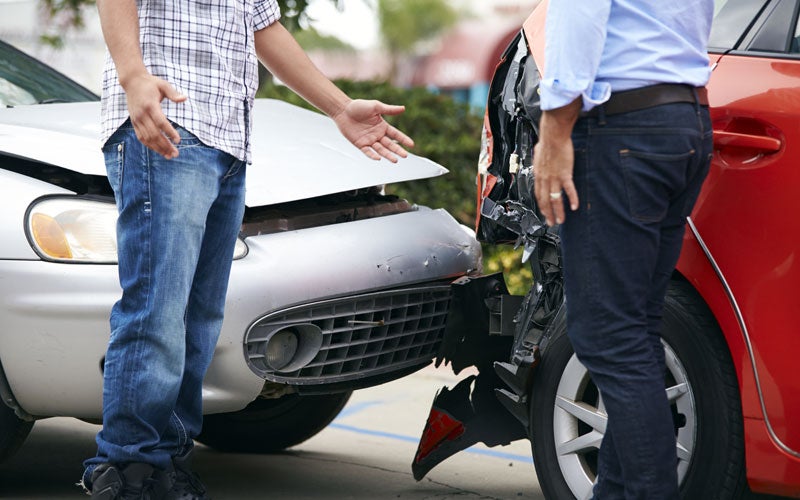
Which driver is at fault for a rear-end collision in Maryland?

Which driver is at fault for a rear-end collision in Maryland?

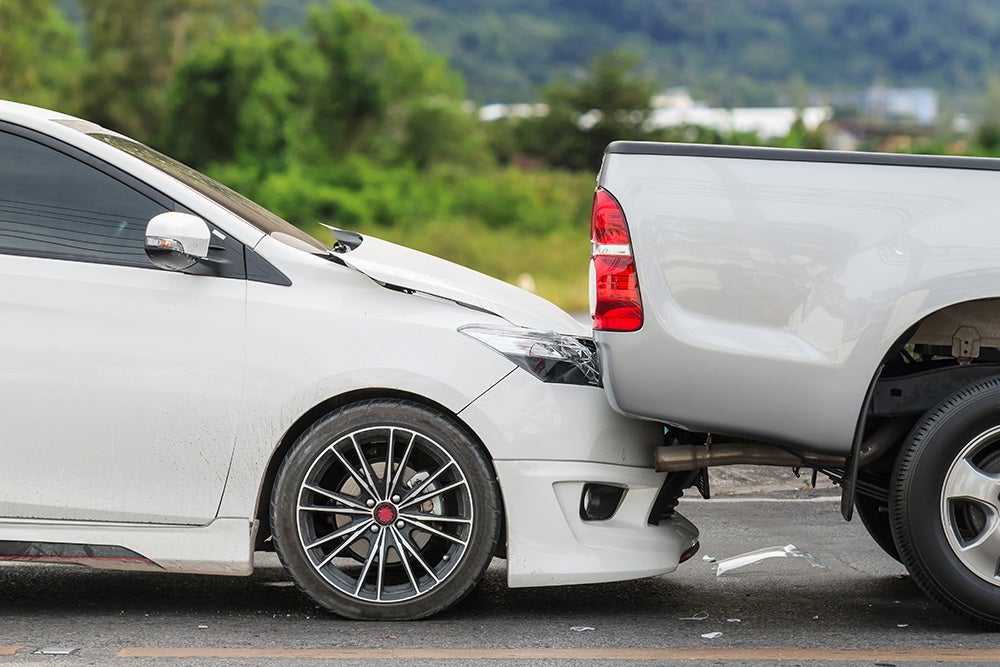
There are many different types of collisions that occur in Maryland, each of which comes with a different degree of risk. Head-on or frontal collisions are often among the most severe, although vehicles now have safety systems designed to reduce the danger of such crashes. Side collisions or T-bone crashes remain relatively dangerous, as side-impact airbags are not standard safety systems. Rear-end collisions are some of the most common crashes that occur. Rear-end crashes can cause a host of injuries. The people in the front vehicle are at risk of serious soft tissue injuries or brain injuries if they strike their heads during the crash. Those in the rear vehicle could also suffer traumatic injuries ranging from blunt force trauma to the head to broken bones. Who is typically to blame for rear-end collisions in Maryland? Every crash is a unique situation. Many people operate under the assumption that the driver in the rear vehicle is always to blame for a rear-end crash. Quite a few rear-end crashes occur because the driver in the rear vehicle does something irresponsible or unsafe. They may engage in tailgating because they feel frustrated about the speed of another vehicle in traffic. Even someone not engaged in unnecessary aggressive driving could fail to maintain an appropriate following distance behind another vehicle. In cases where excess speed or insufficient space between vehicles is the primary cause of a rear-end crash, the driver in the rear vehicle is usually the party to blame for the wreck. However, there are scenarios in which the driver in the rear vehicle may not be the proximate cause of the accident. Perhaps the driver in the front vehicle failed to use their turn signals or did not break appropriately to indicate their intention to stop or decelerate. Maybe improper vehicle maintenance means that the brake lights or turn signals did not illuminate, leading to a sudden stop by the front vehicle and the crash. The driver in the front vehicle could also have caused a dangerous situation by cutting someone else off in traffic. Merging or turning too close in front of another vehicle deprives the other driver of an opportunity to respond safely to changing traffic circumstances. In scenarios where a rear-end collision is part of a chain reaction or multi-vehicle crash, there may be more factors to consider when determining who is at fault. Understanding what influences fault for a rear-end collision can help people evaluate their options for compensation. People in the front or rear vehicle may have grounds to pursue an insurance claim or personal injury lawsuit against the other driver if they are to blame for the incident in question.

Your Rights as a Passenger After a Car Collision

Your Rights as a Passenger After a Car Collision

If you are injured while riding as a passenger in a car accident, you might be wondering what your options are. The good news is, yes, you can take legal steps. In Maryland, passengers riding in the car can file a personal injury claim against the responsible driver, even if that driver is someone you know, like a friend or family member. Every driver is responsible for driving safely, not just for other drivers but also for passengers. If a driver fails to do this and causes an accident, they can be held accountable for any injuries. Passengers are in a different position Being a passenger during a car accident puts you in a different spot than the drivers. If a driver sues another driver, they say the other person caused the crash. But as a passenger, you’re usually not at fault. This means you could still get money for your injuries even if the driver of your car was entirely responsible for the accident. In short, you or a family member can go after the driver’s auto insurance carrier for damages. Still, it is a unique position and often requires some delicacy if the parties know each other and the passenger accuses the driver of negligence. Maryland has contributory negligence laws When dealing with personal injury cases, Maryland uses a rule called contributory negligence.. This means If you are slightly at fault in Maryland, you can’t get any money from the other person. Luckily, as a passenger, this usually isn’t a problem for you. You can still file a claim against drivers at fault, which can be vital if you have severe injuries and the insurance carrier isn’t offering a large enough settlement. Proving fault as a passenger As a passenger, people usually don’t think you’re to blame for a crash. Still, you need to show that someone else was careless. It means proving that the driver of your car, or another driver, did something wrong, like following too close, speeding, or running a red light, to have caused the accident. It’s rare, but sometimes a passenger can be partly to blame for an accident, like if they grab the steering wheel. Even getting into a car, knowing the driver is impaired, could make it harder to get compensation. It can be a sensitive issue It can be awkward when the passenger sues a driver, claiming they were entirely at fault for your injuries. It’s important to remember that it is not about blame; it’s about getting help with the costs of your injuries from the driver’s insurance carrier. Lawyers who specialize in car accidents understand this and can help guide an injured passenger or their family through the process of obtaining fair compensation for their injuries and losses.

Unsafe driving habits contribute to fatalities on Maryland roads

Unsafe driving habits contribute to fatalities on Maryland roads

Driving is a privilege in Maryland, and it’s that many people take for granted. When drivers don’t take the act of driving seriously and focus on their duty to do so safely, they put themselves and everyone around them in danger. A survey reported by the Maryland Department of Transportation found that 93% of respondents think unsafe driving is a major issue on the state’s roads. It’s critical for drivers to avoid these behaviors on all roads, especially those that are dubbed the deadliest in the state. What roads are the deadliest in Maryland? The deadliest road in the state is I-95, which has 19 fatalities and 17 crashes in 2020. That was followed by US-1, US-40, US-301, SR-295 and SR-5. Each of those roads had 10 or more fatalities that year. Part of the reason these roads are so unsafe is that they’re heavily traveled and have higher speed limits. The probability of a serious injury or death is much higher at higher speeds. In fact, for every 10 miles per hour (mph) over 50 mph a vehicle is traveling, the risk of serious injury or death doubles. What behaviors, besides speeding, contribute to these crashes? Distracted driving is a huge issue in Maryland. It’s a factor in more than one-third of fatal crashes in the state. While cellphone usage is by far the most commonly cited distraction and the only citable distracted driving offense, many other distractions like changing radio stations or using GPS, can also distract drivers. Impaired driving is another cause of fatal crashes in this state. More than 800 deaths in Maryland over a 5-year period could have been prevented if the driver had opted to avoid driving while impaired. People who suffer injuries and those who lose a loved one in crashes caused by negligent drivers may choose to seek compensation for the financial damages they’ve incurred. Maryland laws limit how long they have to file these claims, which is just one of the reasons why working with a legal representative who can assist them is generally wise.

What happens after a hit-and-run crash?

What happens after a hit-and-run crash?

Having your vehicle struck by another vehicle is a stressful situation. It’s one that becomes even more complicated if the person who strikes you flees the scene. The aftermath of a hit-and-run crash can be considerably challenging because you can’t seek compensation until you find out who struck you. The following are a few things that you may need to be aware of if you’re ever involved in a hit-and-run wreck. Immediate actions to take If a crash occurs, you and anyone in your vehicle should move somewhere safe unless there’s an indication of a serious injury. Contact the Police to have them respond to do a Report which you will need for your Insurer. Request an ambulance if there are any injuries. Because this was a hit-and-run crash, you should take the time to write any information that you can remember about the vehicle and driver that struck you. This includes the make, model, tag #, and any other identifying information you can think of. Another step to take is to get contact information for any witnesses that may have seen the crash. They may be able to provide valuable information that may help you with seeking compensation. Treatment for Injuries Many accidents cause injuries. If you are injured, whether “minor” or serious, you should get examined asap by a Hospital, Urgent Care type facility, or Personal Physician. Follow the treatment recommendations. If you are unable to work, be sure to get a Disability Slip from the Dr. or Medical Facility. Navigating insurance and legal steps Because the crash is a hit-and-run wreck, you should contact your insurance company to report the incident. In Maryland, your insurance policy will cover both property and personal injury damages, as Uninsured Motorist Coverage (UM) is required on most vehicles. Police officers will conduct an investigation. If they find the person who struck you, it will be possible to seek compensation from the at-fault vehicle’s Insurer rather than your own Insurer under your UM coverage. Documenting everything related to the injuries, including medical care expenses and any other financial damages you have, is important because this will become a central point in your case against the at-fault driver. At the end of the day, what you’ll need to remember is that a legal representative can help gather the facts of your case and get your claim filed while you focus on healing. Your Legal Representative will then pursue the appropriate Insurer to obtain either a settlement or judgement in court to compensate you for your injuries and losses resulting from the accident.

Why insurance companies are often quick to settle after a major wreck

Why insurance companies are often quick to settle after a major wreck

Many people fear the idea of filing large insurance claims after a crash. They may have heard horror stories about insurance adjusters denying reasonable claims or dragging out the claims process for months. People worry about not having access to the coverage that they require to pay for medical bills or repair their vehicles. If a representative of the insurance company responds quickly and offers a settlement, people might eagerly accept. They need funds as soon as possible, and a settlement often means getting a check or a bank deposit within days. People may fail to handle settlement offers with the skepticism they truly require because they assume the insurance company made the offer with their best interests at heart. What those involved in car crashes often fail to understand is that the insurance company wants them to accept a settlement quickly for its own protection. Insurance companies do not pay claims on an ongoing piecemeal basis. They usually make one offer of a lump sum to cover all damages, both known and unknown, in a claim. An insurance company makes money by paying the least amount of money it can on any claim. The quicker they settle a claim the quicker they are no longer responsible for an injured person’s injuries and damages. Once settled, the claim is finished forever, regardless of any other expenses the injured person incurred whether past, present or future. Settlements typically end insurance company liability Insurance companies usually try to minimize how much they pay out on sizable claims whenever possible. Someone with a large claim after a car crash can continue submitting individual bills, estimate of future causally related bills, and wage loss along with an estimated value of pain and suffering until the compensation they claim reaches the policy limits for the driver at fault for the crash. Policy limits represents an absolute maximum value an insurance company will pay on any claim, . Most settlements fall far below the applicable policy limits. .However, on a serious injury claim, the insurance company will try to settle the claim for as little as possible to save money on the claim. The insurance company seeks to end liability by arranging a settlement. Someone who signs a settlement agreement, release, or cashes a settlement check typically absolves the insurance company of future financial responsibility. They will not be able to get additional compensation even though they have major expenses. People should be very cautious when evaluating settlement offers. If an offer is well below policy limits and the injured person has suffered a significant permanent injury, they may need to look carefully at their bills and expenses, both past and future, along with any permanent injury including pain and suffering. A settlement offer by an insurance company is a negotiable offer. If the injured person is not satisfied with the insurance company’s final offer they need not accept it and should consult with an experienced personal injury attorney.

Understanding the Risks: Common Causes of Teenage Driving Accidents in Baltimore & Washington D.C. Metro Areas

Understanding the Risks: Common Causes of Teenage Driving Accidents in Baltimore & Washington D.C. Metro Areas

Teenage driving accidents are a pressing concern in Maryland. Understanding the common causes of these accidents is essential for parents, educators, policymakers and teen motorists alike, as this knowledge can help to inform safer driving practices and lead to lower crash rates among this particularly vulnerable group of drivers. Perhaps most obviously, one of the primary factors contributing to teenage driving accidents is simply a lack of experience. Young drivers may not have fully developed the skills necessary to navigate complex traffic situations, respond to unexpected hazards or make quick decisions on the road. This inexperience can be particularly dangerous in an urban environment like Baltimore or Metro D.C., where congested roads and unpredictable driving conditions are common. Yet, this is not the only concern driving high accident rates among Maryland teens. And, hopefully, other contributing factors are more preventable and more easily addressed than inexperience. Distracted driving Today’s teenagers are the first generation to grow up with smartphones, and the temptation to use these devices while driving is a significant risk factor. Texting, browsing social media or even using navigation apps can divert a young driver’s attention from the road, leading to accidents. Distracted driving is not limited to smartphone use; loud music, conversations with passengers and other in-car distractions can also impair a teenager’s ability to focus on safe driving. Speeding and reckless driving The thrill of speed and a sense of invincibility can lead some teenagers to engage in speeding and reckless driving. These behaviors dramatically increase the risk of accidents by reducing a driver’s ability to react to road conditions and increasing the severity of crashes when they occur. Speeding in Maryland’s’ varied urban and suburban landscapes can be particularly hazardous, given the presence of pedestrians, cyclists and other vehicles. Driving under the influence Despite widespread awareness campaigns and strict legal penalties, driving under the influence of alcohol or drugs remains a leading cause of teenage driving accidents. Substance use impairs judgment, reaction times, and motor skills, making it extremely dangerous for affected teenagers to be behind the wheel. To mitigate these risks, teenagers need to receive comprehensive driver education that goes beyond basic driving skills to address the specific challenges and responsibilities of driving in Baltimore and D.,C. Metro areas. Parents can work to set good examples, enforce rules about phone use, address substance use concerns and limit the number of passengers with new drivers. Not only can safe driving practices better ensure that teens reach their destinations without incident, but they can also mitigate the risk that a teen will be found liable for a crash if one does occur.

Contact Us

Fill out this form below and we'll contact you shortly
*Required Fields