Blog / Car Accidents

The unseen consequences of hit-and-run accidents

The unseen consequences of hit-and-run accidents

Most traffic laws in Maryland are relatively straightforward. Drivers have an obligation to stop and file a report after a crash. Doing so helps ensure that the right party has accountability for the collision.

Unfortunately, most people would prefer to avoid responsibility for a crash even when they are clearly at fault. It is somewhat common for someone who knows they broke the law, drove while drunk, got behind the wheel without a license or let their insurance policy lapse to try to flee the scene of a collision.

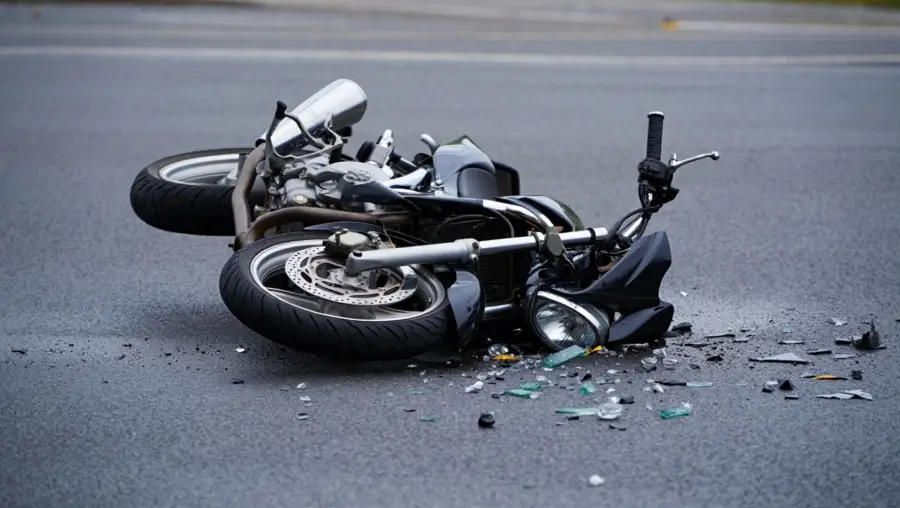
They want to avoid legal and financial responsibility for causing the crash. Unfortunately, their actions can have dire consequences for the other people involved in the hit-and-run collision. There are many ways in which hit-and-run collisions cause negative consequences for the people left behind at the scene of the wreck.

The aftermath of a hit-and-run crash

First and foremost is the possibility of a poor medical outcome if someone does not receive immediate intervention for traumatic collision injuries. Research indicates that there has been a significant increase in hit-and-run crashes overall, including fatal hit-and-run collisions. Additionally, a hit-and-run leaves those who didn’t flee the scene at a major economic disadvantage.

Those involved in a hit-and-run crash may physically be unable to help themselves from the scene or get medical attention as they were left alone. If they are conscious and able they need to call the police and seek immediate medical attention. At that point they need to gather all the facts and make an insurance claim either against the at-fault-party, if discoverable, or their own insurance company. Frequently, the best option for someone involved in a hit-and-run crash entails securing legal representation.

Attorneys can also sometimes help people access critical records that could lead to the resolution of a hit-and-run case by identifying the party at fault.

An attorney can also play an important role in any insurance claim that someone files. Both people using their own uninsured motorist coverage for a hit-and-run and those seeking coverage from an identified hit-and-run driver may have an uphill battle ahead. In cases involving uninsured drivers who fled the scene of a crash, a lawsuit might be the only way to hold them financially accountable for the collision.

As such, learning about the potential consequences of a hit-and-run collision may help people choose their next step forward. Those who have the right assistance are in a better position to obtain a positive result in securing compensation for their injuries and losses.

Posted in:

Related Posts

People with pain before a crash may experience injury aggravation

People with pain before a crash may experience injury aggravation

People involved in car crashes don’t always notice their injuries immediately. They may already have significant pain symptoms due to an issue with their shoulder or their hip that they have had for years. As such, the pain they feel immediately after a car crash may not seem much different than their status quo. However, as time passes, it may become quite obvious that the car crash worsened a pre-existing injury. Chronic medical conditions and persistent injuries are relatively common. Federal researchers estimate that roughly one in two adults in the United States has a pre-existing medical condition, many of which are functionally-limiting injuries. Do people with an injury that existed before a car crash have the right to request compensation if the collision worsened their symptoms? 1. If a crash worsens an injury, a claim is possible It is possible for those with a physical injury worsened by a motor vehicle collision to hold the driver at fault accountable for their new or more severe symptoms. The claims process is roughly the same, although the amount and type of evidence required is a bit different when seeking compensation for the aggravation of a pre-existing injury. Generally speaking, the party making the claim needs medical documentation regarding the severity of the injury and any treatment they underwent before to control or address their symptoms. Medical records regarding their treatment and symptoms after the crash can help demonstrate that the collision worsened a pre-existing condition. Details about the timeline for their recovery, their long-term prognosis and even their work restrictions can help people prove that a collision worsened a pre-existing medical condition. They may need help evaluating the increased care costs and lost earning potential generated by their aggravated injury. 2. Acting promptly is necessary An injury claim related to the aggravation of a pre-existing problem is subject to the same Maryland statutes as any other personal injury lawsuit. The injured party has three years from the date of the crash to initiate litigation in most cases. It is also critical that those with aggravated injuries undergo professional medical evaluations, possibly including imaging tests, as soon as possible. If a car crash made a back injury or similar pre-existing medical issue worse, the injured party may have grounds for a compensation claim on the basis of the aggravation of a pre-existing condition. Those in need of compensation and facing a complex claim after a car crash can call the team at Cohen, Snyder & Eisenberg, P.A. for support. Our team provides free consultations and answers the phone 24/7. Click here or call 1-800-INJURED (1-800-465-8733) to discuss how a collision worsened a pre-existing injury.

Responding when a car crash causes moderate injuries

Responding when a car crash causes moderate injuries

People typically understand that they need to take action after severe car crashes. When someone ends up in a coma or dies because of the collision, insurance often isn’t sufficient. In cases where a collision is minor and produces only property damage or minimal injuries, a simple insurance claim could suffice. Many crashes leave people with moderate injuries. Moderate injuries require medical attention but may result in a full recovery with the right care. Whiplash, internal bleeding, concussions and even disfiguring wounds on the face are all examples of moderate injuries. They can generate significant medical expenses and impact an individual’s income, but they are likely to resolve with care. Those with moderate car crash injuries may need help as they seek compensation for their losses. What steps do people need to take to address moderate collision injuries? 1. Documenting the situation carefully Ideally, anyone involved in a car crash makes an effort to document the scene as accurately as possible. Gathering proof of what happened before and during the crash can be critical to establishing fault later. Maryland has a strict contributory negligence rule. Accusations of having partial fault could prevent a plaintiff from pursuing a lawsuit. Therefore, the preservation of the scene by taking photos and the collection of witness information are of the utmost importance for the pursuit of compensation later. 2. Seek medical care Moderate injuries aren’t life-threatening or permanent, but they can be costly. People need to see a doctor as soon as possible to diagnose their whiplash or other injuries. They can also develop a treatment plan and estimate the costs of addressing their injuries. A medical report from the same day as the crash helps connect the condition to the collision and validate claims that the other driver should cover medical expenses and lost wages. 3. Consult with an attorney As soon as possible after a crash, an injured person likely needs to discuss the situation with a legal professional. They usually only have three years in which to take legal action. Attorneys can help make sense of insurance coverage. They can let an injured person know if they are likely eligible for a personal injury lawsuit. They can help communicate with outside parties and manage the legal process on behalf of the injured person. Attorneys can also prove invaluable when negotiating with insurance providers. Taking the right steps immediately after a crash can make all the difference for those with moderate collision injuries. Reaching out to the team at Cohen, Snyder & Eisenberg, P.A. for a no-cost review can help people understand their options after a car crash.

What rights do people have after a drunk driving crash?

What rights do people have after a drunk driving crash?

When a drunk driver causes a crash, fault for the collision is typically clear. Driving under the influence (DUI) offenses are crimes, and the drunk driver could very well end up facing criminal charges because of the choices that they made. The people affected by drunk driving collisions often have questions about their rights afterward. Those who have experienced drunk driving collisions may benefit from reviewing the answers to common questions below, in anticipation of speaking with a skilled legal team. Does prosecution affect compensation? State prosecutors can bring DUI charges against those accused of impaired driving. A DUI charge is separate from any request for compensation brought by the people affected by the collision. Some people mistakenly believe that a DUI conviction could prevent them from filing a personal injury lawsuit. However, double jeopardy protections only apply to prosecution by the state, not civil litigation. The people affected by a drunk driver have the right to file a lawsuit even if the state has prosecuted the driver already. In fact, a conviction for a DUI offense can strengthen the legal case of the plaintiff. Is insurance adequate? People sometimes assume that an insurance claim can cover their losses after a drunk driving crash. However, state statutes only require $30,000 in bodily injury liability protection if the crash harms one person or $60,000 coverage if two or more people sustain injuries. Plaintiffs have the right to request compensation for their current and future medical expenses. They can also request compensation for lost wages and diminished earning potential. In fact, people may have the option of requesting compensation for their pain and suffering if they take the matter to court instead of simply settling an insurance claim. Drunk drivers may lack the insurance coverage necessary to adequately compensate the people they harm. Successfully litigating is often the most effective means of obtaining compensation after a drunk driving collision. Those harmed by intoxicated motorists typically require assistance as they navigate the civil courts. Partnering with the team at Cohen, Snyder & Eisenberg, P.A. can help people pursue justice when intoxicated drivers cause major collisions. People who have support from a local law firm with experience managing insurance claims and litigation can focus on addressing the personal fallout of a serious wreck instead of fighting on their own in pursuit of reasonable compensation. Those dealing with the aftermath of a recent collision can get insight into their options by discussing the crash with the team at Cohen, Snyder & Eisenberg, P.A. by clicking here or calling 1-800-INJURED.