Blog

All Workers' Compensation Car Accidents Workplace Accidents Workplace Injuries Construction Workers' Accidents Medical Malpractice Industrial Workers' Injuries Product Liability Personal Injury Truck Accidents Firm News Wrongful Death Uncategorized
A closer look at nail gun safety

A closer look at nail gun safety

Nail guns are a common sight in workshops and construction sites across Maryland. When used appropriately, they can increase productivity and efficiency at work. However, it is important to remember that nail guns are a powerful piece of equipment. According to the CDC, nail guns result in 37,000 emergency room visits annually and 68% of these visits involve workers. It only takes one small error or malfunction for something to go horribly wrong. Outlined below are a few examples of how nail gun accidents can occur. Faulty equipment Any tool that has the potential to be dangerous must be routinely maintained. Older equipment is more likely to malfunction. Usually, nail guns have safety mechanisms in place, such as guards. If these are bypassed or missing, then it makes an accident and injury much more likely. Underestimating the power Nail guns can penetrate all sorts of tough materials, especially wood. If a piece of wood is not very thick, it’s possible that the nail could penetrate all the way through to the other side, catching the nail gun operator off guard and posing injury risks. Nails can also ricochet when using the tool on certain surfaces like metal. When this happens, the nail essentially becomes a missile that can penetrate flesh and cause serious damage to the eyes. Preventing nail gun injuries Employers have a legal duty to ensure that workers are as safe as possible. This includes taking preventative measures like maintaining tools, providing appropriate safety gear and facilitating adequate training. Proper training is especially important, both for new and experienced workers. This can help workers understand the tool’s different triggers, how to hold and load the nail gun, what to do when it malfunctions and more. If you have suffered an injury on the job, then you may want to consider your options regarding workers’ compensation. An experienced attorney can help you understand your next steps.

Is working in retail a safe option?

Is working in retail a safe option?

Working in retail might initially seem like a safe option, compared to industries where the risks are more apparent like construction or manufacturing. However, the CDC states that retail work poses one of the highest risks for workplace violence. Depending on the environment, you might also be at risk for injuries from everyday hazards, like wet floors, falling equipment, repetitive motions and more. What should you know about staying safe as a retail worker? Beware of slips, trips and falls Slips, trips and falls are common causes of accidents in many retail stores. These can be due to a variety of circumstances, including: Slick or slippery surfaces not properly marked with a wet floor sign Lingering snow or ice in walkways or parking lots in the winter months Ladders that have not been properly extended or set up Broken handrails on staircases If you see a hazard in the workplace, inform your supervisor of this immediately to protect yourself and others. Understand other hazards specific to your workplace Your role might require you to continually lift heavy boxes of product or scan items at a checkout all day. Whatever your role might be, you should understand the hazards associated with this. Lifting heavy objects all day with few breaks can lead to overuse injuries, like those to your back, shoulders, wrists and more. Additionally, you should beware of objects that pose a falling risk if you continually must walk back to a warehouse, for example. Lastly, repeating the same motions day after day can lead to repetitive use or stress injuries like tendonitis or carpal tunnel. These injuries can take time to develop. Regular stretching and breaks from the motion are key to do what you can to prevent the onset of these injuries. Violence in the workplace Violence in the workplace is a threat across all retail stores, whether you work at a grocery store, clothing store, gas station or another business. It is important to know the protocol for what to do in an emergency, as well as to ensure that the area you work in is well lit, doors that should be locked remain locked and security cameras are fully functioning. If you suffer an injury while working in a store, understanding how to claim workers’ compensation insurance will be crucial to ensuring your costs are covered.

Beware these forklift hazards

Beware these forklift hazards

Forklifts revolutionized warehouse and construction work. They improved efficiency and eased at least some of the physical duties of workers. Despite their many advantages, forklifts bring a lot of risks to both those operating them and those surrounding them. Driving forklifts comes with some dangers, as does merely being in the same space as them. Here are some key risks to be aware of: Poor or improper training According to OSHA, only trained and certified workers are able to operate a forklift. Untrained or poorly trained workers can pose a significant risk in the workplace. Speeding Any kind of reckless operation of the forklift can lead to danger and one of the biggest risks is speeding. Forklift operators must adhere to the proper speed limit of the machine and maintain constant vigilance of their surroundings. Blind spots Blind spots can pose a risk to forklift operators and those around them. Operators should always have clear visibility of the area around them. A clear understanding of the layout of the workplace is important, so operators must understand areas where visibility may be lower and extra caution is required. Tipping risk It is sometimes necessary to travel with a load high off the ground to move past an obstacle. If the ground is uneven or the operator turns or brakes too sharply, it could put the load off balance and tip the machine. Forklifts can also pose a tipping risk if the load is too heavy or unevenly balanced on the machine. Improper maintenance Lastly, ensuring the forklift is clean, properly maintained and in safe operating condition is critical. Any forklift found to be in poor condition should be removed from service and either repaired or replaced. If you are injured by a forklift, you could face considerable time off work and significant medical bills. Understanding how to claim workers’ compensation benefits will be crucial.

Workplace ergonomics: 4 posture-related workplace injuries

Workplace ergonomics: 4 posture-related workplace injuries

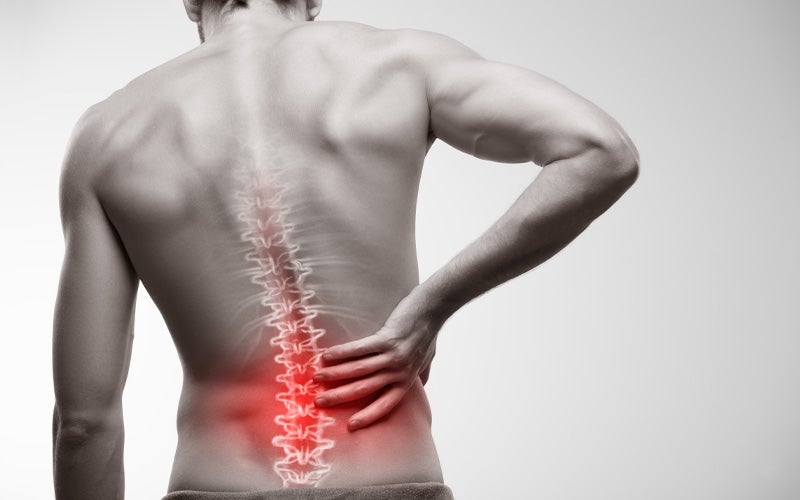
Poor posture at work is one of the major causes of work-related injuries. Ultimately, this can result in poor employee health and low productivity. Injuries associated with poor posture are generally referred to as ergonomic injuries. Ergonomic injuries can be acute (stemming from a single incident of trauma) or chronic (those that build up over time.) Essentially, these injuries affect the victim’s musculoskeletal function. Here are four types of ergonomic injuries that you can sustain at work. Tendinitis This is a general term that describes inflamed tendons – the thick fibrous tissues that attach muscles to bones throughout the body. Left untreated, tendinitis can hinder your ability to move or work. This type of injury is common among workers whose occupations involve lots of physical exertions. Carpal tunnel syndrome (CTS) Common among workers who sit for extended hours, carpal tunnel syndrome happens when the muscles and tendons around the wrist are inflamed due to strains and poor mechanics. At its onset, most people will feel numbness or tingling on the wrist, which can escalate to pain and muscle stiffness if left untreated. Lower back pain Most American adults report experiencing lower back pains at some point. Lower back pain can be debilitating for workers in the shipping or manufacturing industries whose jobs are physically demanding. Lower back pain can occur due to excessive fatigue, exertion or use of equipment and furniture that cannot sustain the worker’s weight. Neck and shoulder injuries Injuries to the neck and shoulders can greatly impact your movement. Workers are likely to sustain neck injuries if they spend several hours in a straining position while working. Likewise, shoulder injuries tend to happen when workers lift heavy objects above their heads. Workers who spend several hours with shoulders lifted high are also likely to strain their neck and shoulder muscles. Workplace injuries can greatly impair your ability to be productive. Knowing your rights if you are hurt at work can help you pursue the right compensation you deserve for your condition.

Why are the roads so dangerous for teens during the summer?

Why are the roads so dangerous for teens during the summer?

The weeks between Memorial Day and Labor Day are some of the most dangerous for car accidents. This period, which AAA refers to as the 100 Deadliest Days of Summer, sees an increase in fatal crashes involving teen drivers. There are numerous reasons why this time of year can be so deadly. Summer fatal crash factors Between 2010 and 2019 during the 100 Deadliest Days of Summer, statistics show that seven people were killed every day in accidents involving a teen driver, compared with an average of six per day during other times of the year. During the summer, teenagers are on break from school and spending more time with friends. They may be staying out later and driving longer distances. Further, after the last two years of the pandemic, young people are eagerly returning to social activities and events. Thus, some of the reasons why teenagers can be at a higher risk of crashing this summer include: More teens on the road Relaxed driving attitudes Driving longer distances for road trips Reckless driving, like speeding Driving while impaired by drugs or alcohol Teens driving with multiple passengers in the vehicle Driving while using a cell phone These behaviors and decisions can happen on any day, but they can be especially likely during the summer months. Protecting yourself and your teen This summer, you can take steps to reduce the risk of an accident with teen drivers. The most important thing you can do is practice safe driving habits yourself. Wear your seat belt; put away your phone; comply with traffic laws; find a sober ride home if you have been using drugs or drinking. Parents of teen drivers would be wise to remind them of these precautions, as well. Further, teen drivers can prevent fatal car accidents by: Limiting the number of people riding in the car Keeping music at a reasonable volume Refraining from any reckless, unlawful driving Restricting driving to familiar places and daylight hours until they are more comfortable behind the wheel These measures can protect drivers and their passengers every day, not just on the deadliest days. Being safe on the road and teaching new drivers to be safe can be crucial in reducing crash risk and severity.

What dangers do construction trenches pose?

What dangers do construction trenches pose?

Trenches are one of many hazards to be aware of if working on a construction site in Maryland. Gravity dictates that when you cut a trench into the ground, the surrounding earth wants to fall in and fill it. If you are inside when that happens, the consequences could be catastrophic. All construction employers must conduct continuing risk assessments to keep their workers safe. External factors such as weather, flooding and vibrations from heavy machinery can all destabilize a trench that was risk assessed as safe just days or hours earlier. Trench collapse is not the only risk to be wary of A trench collapse or cave-in might be the most daunting and obvious hazard. However, there are other risks that could cause serious injury, including: Rupturing cables or pipes while excavating it: Before an employer asks you to start digging, they need to know and inform you where all power cables, water lines and gas pipes lie. They may also need to cut some of these supplies. Slip-and-fall accidents: Any opening in the ground presents a danger. Employers must ensure adequate barriers and signage to prevent the risk of anyone accidentally stepping or driving into it. Being struck by falling objects: The barriers around the top will also reduce the likelihood of someone kicking or dropping rocks, tools or other items on top of you. Extra measures may be needed if the trench lies on a hill, as objects could roll down from far above. Even if you escape a trench accident with minor injuries, you may still need time off work and medical treatment. Other accidents could have much more severe consequences. Understanding how to claim workers’ compensation will be crucial to ensure the accident does not leave you out of pocket.

Four risks nurses face at work

Four risks nurses face at work

Nurses dedicate their careers to helping and caring for others when they are ill or injured. However, hospitals expose nurses and all types of healthcare workers to considerable risks in terms of occupational illnesses and injuries. In fact, according to the Bureau of Labor Statistics, in 2016, RNs within the private sector experienced about 19,790 days away from work due to injury and illness. This occurred at a rate of 104.2 cases per 10,000 full-time workers, which is substantially more than the 91.7 cases per 10,000 workers for all occupations. Contracting illness is far from the only risk you face Here are several common reasons nurses need medical treatment and time off work: Overexertion and repetition: Back injuries are common among nurses due to the constant need to bend down, lift and move patients. Filling out reports and charts at a computer is also part of the job, and you can suffer the same repetitive strain injuries that many office workers experience. Stress: Aside from the toll being a nurse can take on your body, it can also tax your mental wellbeing. Some of this is due to seeing people die or suffer. Some might be because of the long hours and irregular shift patterns your employer asks of you. The staffing shortages that so many hospitals face only add to this strain as you take on more work to cover absent colleagues. Physical violence: Assault or violence stemming from a wide variety of circumstances is also a threat to nurses. Unhappy patients, as well as stressed or grieving family members and other loved ones, can become aggressive and act with anger toward staff. Sharps: Scalpels, scissors and syringes are all necessary but dangerous tools in hospitals. The risk of cuts and stab wounds is a real worry, but the consequences could be even worse if the instrument is infected because it has been in contact with a sick patient. If you are injured at work, you need to prioritize your health. Reacting swiftly and understanding your options for pursuing a workers’ compensation claim will be crucial to providing you with the financial security you need while you recover.

High-risk activities that can lead to workplace amputation accidents

High-risk activities that can lead to workplace amputation accidents

A workplace accident can lead to amputation in one of two ways: 1) you could lose a limb in the actual accident or; 2) the event could leave you with injuries so severe that surgeons have little choice but to amputate afterward. According to the U.S. Bureau of Labor Statistics, machinery was involved in 58% of workplace amputations in 2018. Serious accidents that lead to amputations can happen due to a wide range of incidents. Hazardous activities and equipment Accidents that can lead to an amputation can happen in many different industries, from construction to restaurants. OSHA states the following activities and equipment pose the greatest risks for amputation when left “ unguarded or inadequately safeguarded”: Mechanical power presses and power press brakes Conveyors, both powered and non-powered Food slicers and meat grinders Drill presses Milling machines Table and portable saws Printing presses Workers can lose a finger, hand, toe, foot or more through compression, crushing or getting stuck between objects. Workplace-related amputations accounted for 6,200 missed days from work in 2018, with the median recovery time for an injury lasting 31 days, according to the Bureau of Labor Statistics. How can workers stay safe? Employers have a responsibility to protect employees from workplace hazards. Safeguarding high-risk machinery and providing regular employee safety training are critical to lessening the risk of serious accidents. OSHA states two clear ways to safeguard stationary or portable machinery: Guards: These provide secure physical barriers to the hazardous part of the machinery. Devices: These can be used in place of or in addition to guards and can prevent dangerous contact. The loss of a limb can be catastrophic. Depending on the severity of the accident, you may be unable to return to work or at least to your exact position. Workers’ compensation can provide injured workers with the compensation they need to recover from a serious accident.

Can you claim workers’ compensation without an accident?

Can you claim workers’ compensation without an accident?

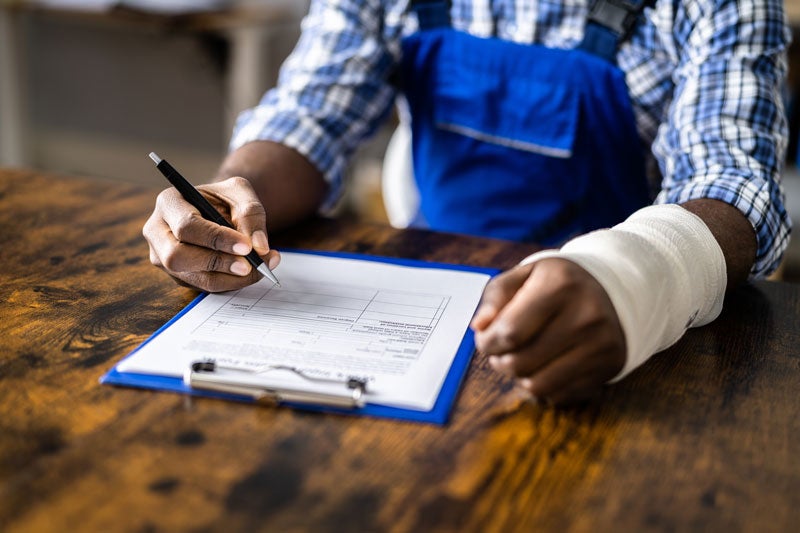
Workers’ compensation is often associated with catastrophic injuries that happened at a specific point. A fall, overexertion or being struck by an object are all common examples of this. However, injured or ill workers can also claim workers’ compensation when an injury or illness gradually happened over time. Examples of gradual injuries and illnesses Gradually onset injuries or occupational diseases can take many forms and result from a wide array of activities or conditions, including: Years of typing at a computer leading to carpal tunnel syndrome or tendinitis Ongoing exposure to chemicals or toxic substances resulting in life-threatening illnesses Repetitive stress injuries are often associated with gradually onset injuries. However, workers across many different industries can develop injuries or illnesses stemming from the workplace over time, from construction and manufacturing workers to nurses, office workers, teachers and more. Special considerations for firefighters and police officers Firefighters, police officers, and Correctional Officers in Maryland have unique considerations for certain occupational diseases. For example, if they develop heart disease or hypertension that leads to disability or death, or if a firefighter is diagnosed with certain types of cancer or lung disease, the condition is presumed to be work related. This is referred to as a presumption of compensability, which allows these workers to more easily seek the benefits and compensation they need. What to understand about filing a workers’ compensation claim Filing for workers’ compensation after suffering a gradually onset condition can differ slightly from the process a worker injured in a single event will follow. Maryland workers are generally encouraged to report the injury to their employer immediately. However, you might not understand the extent of your injury or illness for some time. If your health has suffered due to your work, consider discussing your situation with a workers’ compensation attorney, even if the condition developed over time. These cases can be complex and your employer will likely dispute that your injury or illness is work related. Getting help to understand if you have a valid claim and what steps to take will be crucial to giving yourself the best chance to recover the financial help you need.

Tactics people may use to avoid liability after a crash

Tactics people may use to avoid liability after a crash

When someone hits you with their car, you can be dealing with extensive injuries, property damage and emotional distress. Holding the appropriate party responsible for this experience can be a top priority. However, negligent or reckless parties typically are not eager to admit wrongdoing or accept blame – particularly when it means legal and financial consequences. They often use some of the following tactics to avoid taking responsibility. Lying about their behaviors After a serious car accident, the parties involved must provide their account of the incident to police, insurance companies and possibly attorneys. In their accounts, parties may lie or fail to give all the pertinent details to make it seem like they were not at fault. For instance, they might claim they were focused on the road when really they were typing out a text. Thus, investigating an accident will help you distinguish truth from lies. Blaming others Car crashes can be chaotic scenes, especially when multiple vehicles are involved. A person who knows or suspects they are to blame for the accident may try to point the finger elsewhere to shift blame onto someone else. But, even if someone else is to blame, multiple people can be liable for an accident. However, one critical distinction is that Maryland laws prohibit parties from financial recovery if they contributed to their own injuries. Thus, it can be crucial to defend yourself if the other parties attempt to blame you for the accident. Leaving the scene or giving bad information People may try to avoid liability after a crash by leaving the scene or giving false information to other parties. Should this happen, a thorough investigation will be crucial in helping victims pursue the damages they deserve from the responsible party. Again, working with police and attorneys can be a vital part of this. Defending against these tactics These attempts to avoid responsibility after an accident are not uncommon, but they can be frustrating for people who just want to hold parties accountable for their injuries. Understanding and anticipating these tactics can help victims prepare for obstacles that may arise after a crash, making it easier to overcome them. Most important for when someone is involved in an accident is that they should contact the police for a report to be written and obtain any contact information from any witnesses or good Samaritans who were not involved in the accident, but were present at the time of the accident.

The dangers of being a public safety worker in Maryland

The dangers of being a public safety worker in Maryland

Working as a Maryland police officer, paramedic, firefighter, or correctional officer can require individuals to put their safety on the line to protect civilians. These are stressful, demanding jobs that typically involve long hours, emotional distress and exposure to hazardous situations. Due to the nature of their occupations, public safety workers can suffer severe injuries and illnesses. Common conditions among public safety workers Some of the most common conditions that workers in the public safety sector experience include: Back injuries Muscle sprains and strains Heart disease Stress Hypertension Sudden cardiac events Cancer Infectious diseases Physical assaults Emotional distress While there are several measures designed to reduce public safety workers’ exposure to these conditions, accidents still happen. And some chronic conditions develop due to unavoidable aspects of a job, like lifting, twisting or driving. Getting the benefits you deserve Maryland laws recognize that these illnesses and injuries are often job-related for those who work in public safety. Thus, workers who experience these conditions and need to take time off work because of them will want to explore their options for workers’ compensation. These benefits cover medical care and partially replace any wages an employee loses due to their condition. Public safety workers put themselves in situations to protect the rest of us. They enter unsafe buildings, interact with dangerous people and tend to people who need help. As a result, they can and often do suffer health-related consequences. Ensuring that these parties who help others can get the support they deserve is crucial. Additionally, due to the dangerous nature of these workers’ occupations, there are certain legal advantages the Maryland legislature has provided for public safety employees. If you or your loved one works in public safety and have experienced an accident or illness that prevents you from working, talking to an attorney about your options for workers’ compensation will likely be beneficial.

How much does your work gear actually protect you?

How much does your work gear actually protect you?

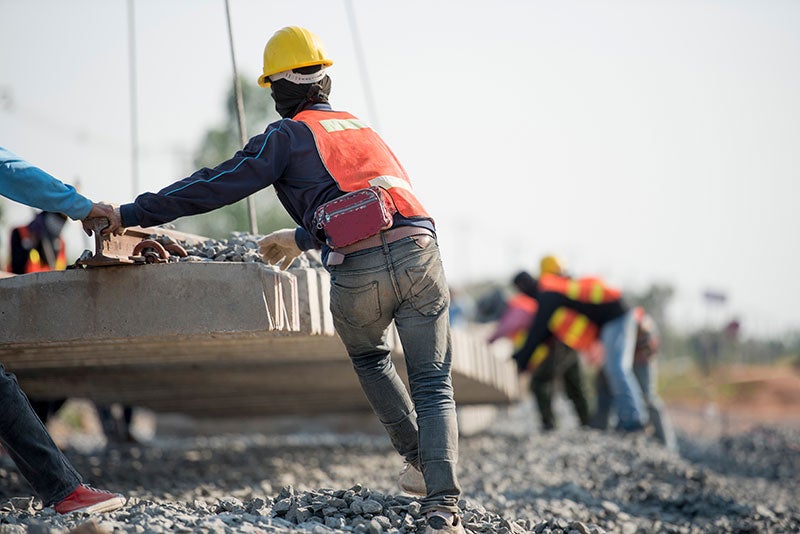
Working in various settings can expose workers to a range of hazards, including heights, accidents involving heavy machinery and electrical events. These hazards put workers at risk of being injured or killed on the job, so preventing them is vital. Wearing appropriate protective gear can be one of the easiest ways to protect yourself. Thus, workers should know whether their equipment is effective at keeping them safe. Is it suitable for the job? Not all equipment is necessary for all jobs. For instance, wearing fall protection can be essential if you are working off the ground on a construction site, but it may create more problems than it solves for workers who are less than six feet off the ground. The same can be said for gloves, helmets, thick clothing and eye protection. These are all essential types of gear, but they are not necessary for every job. Workers and employers must assess the specific situation and risks and decide on protective equipment accordingly. When do you wear your gear? Protective equipment is only effective when people use it – and use it properly. If an employer provides gear, workers should wear it; if a task requires certain precautions, employers should provide the necessary equipment or ensure workers have it throughout the job. Enforcing and following safe practices for wearing protective equipment should happen every day. Even though the gear may not prevent an accident from occurring, it can save a worker’s life and minimize potential injuries caused by the incident. Is it safe, or is it defective? Unfortunately, workers might make every effort to have and wear protective gear only to learn that it is defective and does not adequately affect individuals. For instance, multiple parties have accused 3M of providing defective earplugs to the military and attempting to cover up the design flaws. Injured parties argued that they suffered hearing loss and tinnitus even though they had used the earplugs, while 3M claims the products are safe and effective. These cases can be a reminder that even when individuals wear protective gear, they can be at risk of injuries if it is defective. Separately, if a worker is provided safety gear, and, for whatever reason, happens to not be wearing the safety gear at the time of the accident, the worker may still remain entitled to workers’ compensation benefits should they be injured on the job. If you work in an occupation where you are exposed to dangerous situations, protective gear could save your life. While the first priority is to ensure you have and wear safe, effective equipment, employers ultimately bear the responsibility of employee safety.

Contact Us

Fill out this form below and we'll contact you shortly
*Required Fields