Blog

All Workers' Compensation Car Accidents Workplace Accidents Workplace Injuries Construction Workers' Accidents Medical Malpractice Industrial Workers' Injuries Product Liability Personal Injury Truck Accidents Firm News Wrongful Death Uncategorized
Can you file a workers’ comp claim for a repetitive stress injury?

Can you file a workers’ comp claim for a repetitive stress injury?

In Maryland, you can file a workers’ compensation claim for a repetitive stress injury, but certain factors must be considered. Repetitive stress injuries (RSIs) develop over time due to repeated motions or overuse of body parts. Jobs that involve activities like typing, lifting, or using tools can increase the risk of developing such injuries. Filing a claim for an RSI isn’t as straightforward as for a sudden injury. What is a repetitive stress injury? A repetitive stress injury occurs when muscles, tendons, and joints are overstressed by repeated movements. Examples include carpal tunnel syndrome, tendinitis, and back pain from prolonged sitting or lifting. These injuries can cause pain, swelling, and mobility issues, making it difficult to perform daily tasks. How to prove your repetitive stress injury To file a successful workers’ compensation claim for an RSI in Maryland, you need to show a connection between your injury and your work duties. Unlike sudden injuries, RSIs develop gradually, making it harder to link directly to your job. Medical documentation is crucial, including doctor visits, diagnostic tests, and expert opinions to support your claim. Reporting your injury and filing the claim If you believe your RSI is work-related, report it to your employer as soon as possible. Maryland law requires you to notify your employer within 10 days of discovering the injury. Once reported, your employer’s insurance will review the claim. You may need an independent medical examination (IME) to verify the injury’s cause and severity. Workers’ compensation claims for RSIs are complex, but if well-documented, you may be entitled to medical treatment and compensation for lost wages. If approved, you may receive benefits for medical expenses, wage replacement during recovery, and possibly vocational rehabilitation if you can’t return to your previous job.

What Maryland families need to know about injurious DUI crashes

What Maryland families need to know about injurious DUI crashes

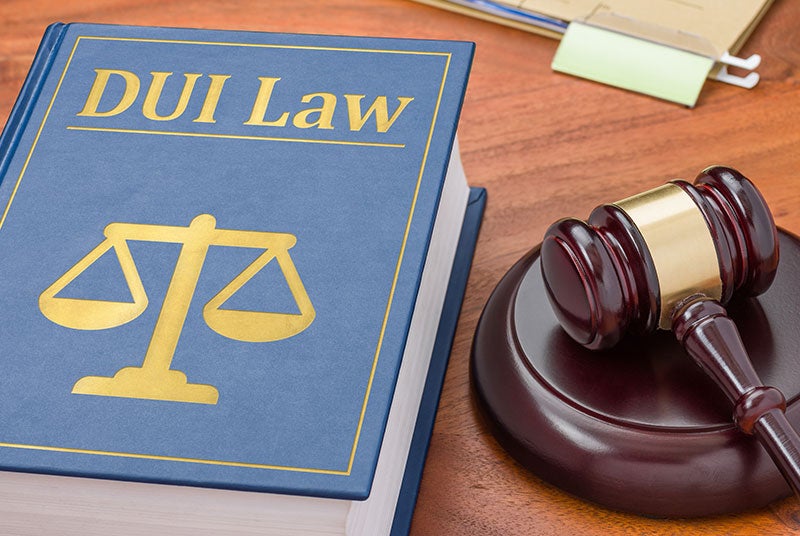
People who have too much to drink before driving break the law when they get behind the wheel. If they get caught, the state may prosecute them for a driving under the influence (DUI) offense. In some cases, intoxicated drivers get arrested because they cause collisions while under the influence. Frequently, drunk drivers walk away from the crashes they cause with minimal injuries compared to the people in the other vehicle. Intoxication may prevent people from tensing up prior to a crash, which influences the severity of the injuries that they sustain. The sober people in the other vehicle may not be as fortunate. They could break bones, sustain spinal cord injuries or hurt their brains. Families affected by drunk driving collisions may have tens of thousands of dollars or more in expenses to address. They need to understand their rights and may require support while responding to the situation. Drunk drivers are typically liable after crashes Given that people know they shouldn’t drive after drinking, those who choose to do so usually have to accept legal and financial responsibility for their choices. The people affected by drunk driving crashes usually have the option of filing an insurance claim. However, drivers with policies that barely meet legal requirements may have $30,000 of coverage available if they hurt one person or $60,000 in bodily injury coverage per collision where multiple people get hurt. That mediocre coverage is far from adequate when considering the combination of medical expenses and lost wages a drunk driving crash could cause. Frequently, families need to pursue civil litigation against drunk drivers. Doing so is typically an option regardless of whether the state successfully prosecutes the drunk driver or not. Injuries have lasting consequences Drunk driving incidents can cause a variety of challenges for families. The people involved in the incident may have physical injuries and mental trauma that they need to treat. They may have lost wages because they cannot work while recovering or reduced long-term earning potential if their injuries cause lasting functional limitations. The home where they live and the vehicles that they drive may require costly modifications to make them accessible. Their loved ones may need to take over the household tasks they previously performed. Families often need help accurately quantifying the economic impact of a drunk driving crash, negotiating with insurance and then developing a personal injury lawsuit to seek reimbursement for any losses beyond what insurance covers. The team at Cohen, Snyder & Eisenberg, P.A. helps support those who want to take legal action after a drunk driving crash. Our team offers free initial consultations with compassionate legal professionals who care about the outcome of their cases. Reaching out to our team could be the first step toward justice and compensation.

Why a split-second distraction can wreck your teen’s drive

Why a split-second distraction can wreck your teen’s drive

Your teen faces serious risks while driving on Maryland roads, including crashes, injuries and legal trouble. Even a momentary loss of focus—such as a message alert or a talkative passenger—can trigger a rear-end crash or a sudden swerve. As a parent, you likely worry not just about their phone use but also whether they will make it home safely. You want to feel confident when your child takes the wheel, but that hope often competes with fear. Speeding, ignoring signs or making impulsive moves are common for new drivers, especially when under pressure or distracted. What causes distraction behind the wheel Phones and peer pressure are not the only distractions. Everyday habits can quietly pull your teen’s attention away from the road. These include: Eating or sipping beverages while steering Watching navigation apps longer than needed Skimming through music or app menus Bending down to grab items underfoot Noticing people or roadside activity outside the car Showing off by changing lanes fast or accelerating quickly These actions may appear harmless, but they can delay your teen’s ability to react. On a busy road or near a school zone, even a moment’s hesitation can mean hitting the brakes too late—or not at all. How you can help your child stay focused Distractions will always exist. However, the way you guide your child can shape how they handle unexpected situations on the road. Do not wait for a narrow escape to prompt change—take the lead now. Set firm expectations before they drive. Make sure they understand how even minor lapses in focus can result in serious harm, including vehicle crashes, injury or legal consequences such as license suspension. To make these lessons stick, use real-life accidents. Discuss what your teen does well and where they struggle. If they feel overwhelmed by driving, encourage them to say so without fear of judgment. Open conversations help build their confidence and keep them more alert. Over time, your involvement may help them avoid injury, stay ticket-free and drive with confidence.

When is the risk of a drunk driving crash highest?

When is the risk of a drunk driving crash highest?

Motor vehicle collisions occur for all different reasons. Sometimes, drivers are too tired to drive safely. Other times, they become distracted by their mobile devices and cause preventable collisions. Drunk driving is also a top cause of preventable, serious collisions. People may underestimate how much they’ve had to drink or overestimate their driving capabilities. They decide to drive home after drinking and put others at risk as a result. Impaired motorists make inappropriate decisions in traffic, have longer reaction times and may struggle to maintain control of their vehicles for optimal safety. People can potentially encounter drunk drivers at any time and on any road. However, when looking at drunk driving statistics, there are certain patterns that become apparent. The risk of a drunk driving crash is noticeably higher at certain times as opposed to others. When are motorists the most likely to encounter drunk drivers who could cause collisions? Around holidays, especially in the summer Researchers have long noted a correlation between major federal holidays and an increase in drunk driving collisions. People with time off of work may overindulge. Many holiday celebration traditions involve alcohol, which also increases the risk of a wreck. The summer months see slightly more drunk driving crashes, especially around the holidays. The Fourth of July is consistently one of the most dangerous days for drunk driving. Memorial Day, Labor Day and even Juneteenth may also see many people drinking at parties and then trying to drive home. Late at night Data about the timing of drunk driving crashes also shows that late-night collisions are the biggest concern. Technically, drunk drivers could be out on the road at any time, including at 9:00 in the morning if they work a third-shift job. However, most drunk drivers are on their way home from a bar or party when they cause collisions. As such, the hours between midnight and 3:00 a.m. tend to be when crash risk is highest. People who have to be on the road during times when there might be more drunk drivers present may need to watch their surroundings more carefully. Those involved in drunk driving collisions may need support as they pursue compensation. Insurance claims and lawsuits are often necessary for people trying to recover the expenses generated by drunk driving crashes.

How to choose the right Workers’ Compensation lawyer in Maryland

How to choose the right Workers’ Compensation lawyer in Maryland

People who get hurt on the job often feel overwhelmed. The potential consequences of their situation make them anxious. They worry about their employers retaliating against them or the costs associated with medical care. They may fear financial pressure stemming from an inability to work. Maryland Workers’ Compensation can also provide support to those diagnosed with work-acquired medical conditions. Cumulative trauma and various illnesses can be the result of work obligations. Although employees can theoretically manage Workers’ Compensation claims on their own behalf, they may benefit from securing the support of an attorney as they apply for benefits. How can employees choose the right legal professional to assist them during a Workers’ Compensation claim? Look at experience Some lawyers are fresh out of college. While they may be passionate about helping their clients, they may not have much hands-on experience navigating the sometimes complex Workers’ Compensation process in Maryland. Those who are unfamiliar with the rules established by the Maryland Workers’ Compensation Commission and the various benefits available may not offer the same support as those who have previously assisted with significant claims. The more experience attorneys have, the easier it is for them to help clients optimize the benefits that they receive and navigate complicated claims. Consider how professionals treat clients To some attorneys, each client is just a file and an invoice. They practice Workers’ Compensation law because it provides a steady stream of prospective clients, as people get hurt on the job all the time. Others go into Workers’ Compensation law because they feel passionate about helping employees and assisting them during their recovery process. Decades of hands-on experience and a demonstrated track record of helping clients optimize their benefits can make one firm stand out from most others. Injured workers want to partner with attorneys who treat them as people with unique needs and hopes, not just a source of income. Those coping with work injuries often feel incredibly stressed and may not want to spend weeks interviewing prospective lawyers. Partnering with a firm that has substantial experience and that specializes in advocating for injured employees may be the best possible option. Reaching out to the team at Cohen, Snyder, Eisenberg & P. A. can be a smart move for those who need to file a Workers’ Compensation claim. Clients can rely on more than 50 years of experience and personal attention to facilitate a smoother claims process.

3 of the top reasons for intersection collisions

3 of the top reasons for intersection collisions

Crash risk increases as people approach and proceed through intersections. While collisions can occur anywhere on the open road, a large percentage of the most severe collisions take place at intersections. Vehicles moving in different directions can collide when motorists make mistakes. Many traffic rules apply to vehicles at intersections in particular. Despite the thorough rules in place to help limit crash risk, intersection collisions are still quite common. And many of them involve the same risk factors. 1. Turning left According to research into intersection collisions in particular, more than 60% of these crashes occur when a driver attempts to turn left. Left turns expose drivers to every approaching lane of traffic. They generally require a slower approach. Particularly when drivers fail to use their signals as they approach an intersection, the possibility of a left-hand turn crash occurring increases. 2. Inadequate surveillance Carefully monitoring surroundings is a key component of safe driving. Particularly at locations where drivers have to share space with other vehicles, proper observation is key to traffic safety. Unfortunately, drivers do not necessarily check as thoroughly as they should before deciding how to proceed through an intersection. In some cases, there may be physical items that impede their line of vision. Other times, they simply glance in each direction without looking carefully. The end result may be a preventable collision because they didn’t notice an approaching vehicle or pedestrian. 3. Failing to yield Many of the most important rules that apply at intersections relate to the right-of-way and the need to yield to others. Those approaching an intersection often need to stop and wait for their turn to move through the intersection. Some drivers never come to a complete stop. Others choose not to yield, possibly because they are late for work or because they failed to check their surroundings carefully. A failure to yield can lead to a preventable collision with significant consequences for everyone involved. Learning about the choices that contribute to car crash risk can help people stay as safe as possible on the road. But, those affected by intersection collisions despite their best efforts may need to hold a driver at fault accountable by requesting compensation through insurance or a personal injury lawsuit.

Top 5 steps to take after a workplace injury in Maryland

Top 5 steps to take after a workplace injury in Maryland

Suffering a workplace injury is a unique experience for everyone. If you get hurt, you might realize immediately that you have sustained a very serious injury that requires emergency care. Or, you may think it’s a relatively minor injury. Whatever the situation, it’s important to make sure that you take some key steps (or that someone else does so for you) after suffering a workplace injury. Get medical attention Even if your injury doesn’t warrant going to the hospital or an urgent care facility, get medical attention as soon as possible. This will help to ensure that your injuries are documented by a doctor so they can be tied to your job. You also may have internal injuries, like a traumatic brain injury (TBI) that will only show up on an MRI or other scan. Report the injury to your employer Make sure your employer knows about your injury. Whether your manager or someone in authority is at the scene of the injury or not, be sure they know about the incident, complete the appropriate report and document the facts correctly. You don’t want your employer reporting something inaccurate about the circumstances or your condition after the accident. Collect evidence While your mind might not be on taking photos of your injuries, any unsafe conditions or the aftermath of the accident, someone should. If you can, ask one of your co-workers to do that and send them to you. Pay attention to who was around so you can refer your manager, their workers’ comp insurer or anyone else who needs witness statements to them. As soon as possible, document what you were doing at the time, exactly when and where the accident occurred, who was around and who was notified. File a workers’ comp claim as soon as possible The Maryland Workers Compensation Commission typically requires injured workers to file a claim within 60 days. The sooner you file, the sooner you can begin pursuing the benefits you need and deserve. It’s crucial to submit all necessary information and documentation to avoid having your claim delayed or denied unnecessarily. Get to know your rights It is always advisable to learn as much as possible about your right to workers’ compensation – especially if you’re getting pushback from your employer about filing a claim. Your employer shouldn’t try to talk you out of filing one or threaten retaliation. Getting legal guidance can help you protect your rights, fight any initial denial and expedite your claim. Contact Cohen, Snyder & Eisenberg, P.A. to learn about how we can help.

Firm attorney Jim MacAlister nominated to Workers Compensation Commission

Firm attorney Jim MacAlister nominated to Workers Compensation Commission

Please join us here at Cohen, Snyder & Eisenberg, P.A., in congratulating firm colleague James (Jim) K. MacAlister on his appointment by the Governor to the Maryland State Workers Compensation Commission. Jim is incredibly deserving of this prestigious appointment. We know he will serve the citizens of Maryland with honor and grace. We are so proud of him and wish him the best in his new position as a commissioner! The Maryland State Workers Compensation Commission (WCC) plays a crucial role in the state’s labor and employment landscape. Established to ensure the fair and timely administration of workers’ compensation laws, the WCC provides a forum for resolving disputes between injured workers and their employers. The Commission’s mission is to secure the equitable administration of the Maryland Workers’ Compensation Law, ensuring that injured workers receive the benefits they are entitled to while maintaining a balance with the interests of employers. As a Commissioner, MacAlister will adjudicate claims and disputes related to workplace injuries and illnesses. This involves conducting hearings, reviewing evidence, and determining the validity of claims and the appropriate level of compensation. Commissioners must possess a deep understanding of workers’ compensation laws and regulations and have the ability to interpret medical documents. They play a pivotal role in upholding the rights of both employees and employers in the workers’ compensation process. Jim’s extensive legal experience and dedication to serving the community make him an excellent fit for this role. His appointment is a testament to his expertise and commitment to justice. As a Commissioner, Jim will have the opportunity to significantly impact the lives of injured workers and their families, helping them navigate the complexities of the workers’ compensation system and secure the benefits they need to recover and move forward. We are confident that Jim will excel in this new position and continue to uphold the high standards of integrity and professionalism that have defined his career here and elsewhere. Congratulations, Jim, on this well-deserved appointment!

What medical care does Maryland workers’ compensation cover?

What medical care does Maryland workers’ compensation cover?

Getting hurt at work can be a frustrating experience. Professionals may feel embarrassed when they report an incident to their supervisors. They may worry about losing income because of their injuries. Especially for those in physically-demanding careers, an injury could lead to weeks away from work. The injured employee may also need to address the cost of treating their injuries. Modern medical care can cost tens of thousands of dollars, especially when injuries are serious. When a professional gets hurt on the job, they may be eligible for workers’ compensation benefits. Most businesses in Maryland have to carry insurance that covers their workers and indemnifies the organization from injury-related liability. Workers’ compensation coverage can provide disability benefits. Injured workers may also qualify for medical benefits. What types of medical care can workers’ compensation cover? Employees can receive full medical coverage Workers’ compensation medical benefits are relatively robust. Unlike standard health insurance, workers’ compensation medical coverage does not impose any patient responsibility costs. Workers do not have to cover a large deductible before workers’ compensation starts paying for their care. They do not have the responsibility to pay any coinsurance or co-pays. Generally speaking, workers’ compensation can cover the cost of any medically-necessary treatment and expenses related to long-term symptom management. The doctor overseeing the worker’s treatment proposes a plan based on the diagnosis of the worker and other factors. They may recommend treatment that includes medication, physical therapy and even surgery. Workers’ compensation can pay for all medically-necessary treatment recommended by the physician overseeing the case. However, benefits may change when a worker stops responding to treatment. In cases where a medical condition is likely to produce lasting functional limitations, doctors may eventually determine that the patient achieved maximum medical improvement (MMI). At that point, the worker may only be eligible for benefits that cover symptom management as opposed to treatment for the condition itself. In scenarios where workers dispute a designation of MMI or question a doctor’s treatment plan, they may need help asserting themselves and getting the care they truly require. Learning more about workers’ compensation benefits can be helpful for injured professionals. Medical benefits can help reduce the long-term financial impact of a workplace injury.

What to do after a car accident in Maryland: A step-by-step guide

What to do after a car accident in Maryland: A step-by-step guide

The aftermath of a car crash can be a blur. Even if no one is seriously injured, you may find it difficult to focus on what needs to be done in the wake of an accident. As a result, it doesn’t hurt to have an app or even a checklist on your phone or in your glove compartment for quick reference. This can help ensure that you don’t forget anything. Get the other driver’s information If no one needs immediate medical attention, it’s important to exchange information with any other drivers involved. Get their name, address, insurer and policy number and vehicle information, including the license plate number. It’s also smart to take photos or video of the scene and the vehicles involved (both damaged and undamaged areas). Be careful what you say Keep your words to a minimum. Don’t apologize or admit any kind of fault, even if the other driver yells at you. Anything you say could potentially be used to hold you responsible for the crash, even if you aren’t at fault. Call the police It’s generally advisable to call 911 to get law enforcement to the scene to make a report, even if no one is seriously injured or there’s no sign of impaired driving and you’re able to get your vehicles out of traffic. This will help if you’re dealing with a driver who proves to be reluctant to provide necessary information. And, a police report will be important for your insurance claim(s). Get a medical evaluation as soon as possible If you aren’t transported to the hospital from the scene and even if you don’t think you’re seriously injured, it’s important to see a doctor as soon as possible. They may do some testing for internal injuries or a traumatic brain injury. It’s important for a doctor to document any injuries and symptoms you’re experiencing so that they’re linked to the crash, and any medical bills can be accounted for in your claim. Be careful when dealing with other parties While it’s important to report the accident to your insurer as soon as possible, be cautious about talking to another driver’s insurer or the other driver if they contact you. In the event that a crash occurs, don’t navigate the aftermath of an accident alone. Get legal guidance from experienced attorneys. Contact Cohen, Snyder & Eisenberg today to learn about how we can help.

What Maryland drivers need to know about road rage

What Maryland drivers need to know about road rage

There are many choices and behaviors that could result in motor vehicle collisions. Difficulty controlling emotional reactions can play a role in an individual’s crash risk. Those who succumb to their intense emotions while driving can make impulsive decisions that have long-term consequences. According to researchers looking at traffic behaviors, the number of reported road rage incidents in recent years has increased significantly. Maryland has seen quite a few incidents that have resulted in collisions and even in armed confrontations. Drivers need to be ready to protect themselves and their passengers if someone else displays irrational behavior in traffic. How road rage causes injuries There are two main mechanisms through which road rage can cause injury to people. The first is through preventable collisions. When a driver loses their temper in traffic, their conduct can increase crash risk. Road rage drivers may cut others off in traffic and slam on their brakes. They may swerve into other lanes of traffic to frighten people. They can cause dangerous distractions by honking, screaming at people and trying to maintain their attention. Road rage drivers can also injure people by following others to their destination and initiating a confrontation that culminates in an assault or worse. How should drivers respond to road rage? Generally speaking, there are two ways to reduce risk in a road rage scenario. The first involves ignoring the other driver. By failing to feed into their anger, a motorist targeted by a road rage driver could keep the situation from escalating. The second option is to reroute to avoid the road rage driver. Road rage incidents frequently occur on high-speed streets, such as interstates. By exiting and taking an alternate route to a destination, motorists may be able to avoid ongoing misconduct and could reduce their risk of an in-person confrontation. In scenarios where a road rage driver seems intent on following another motorist, it may be necessary to contact law enforcement or drive to a public location, like a grocery store. The presence of other people could limit the misconduct of the motorist experiencing road rage. If a road rage incident results in a car crash or other injuries, the person targeted by the road rage driver may need to take action. Call the police immediately to report the crash.  Filing an insurance claim or even a lawsuit can help hold a motorist with road rage accountable for their bad behavior. Depending on the situation, follow-up in a criminal action with the State’s Attorney may be necessary to obtain Court ordered restitution.

Minors and workers’ comp: What Maryland parents should know

Minors and workers’ comp: What Maryland parents should know

When most people think of a need for workers’ compensation benefits, they picture a middle-age or older worker in a potentially dangerous job like construction or some kind of manufacturing or industrial work. The fact is that most workers in Maryland are eligible to receive workers’ comp for an “accidental personal injury arising out of and in the course of employment.” That includes teen workers. While most teens who work after school, on weekends and/or during vacations don’t think about workers’ comp and maybe even have never heard of it, they should know that minors have the same right to these benefits, which cover medical care, wage reimbursement and even vocational rehabilitation, as adults do. Their parents need to know about their rights also. What if a minor is illegally employed? Both federal and state child labor laws and other labor regulations detail what kinds of jobs workers who are under 18 can do, at what ages kids can be employed in any job and when work permits are required. Unfortunately, not all employers abide by those laws. So, what if a minor who is illegally employed suffers an injury? Fortunately, under Maryland law, they aren’t penalized when it comes to getting workers’ comp benefits. In fact, they may be eligible for more benefits because their employer wasn’t abiding by the law. Maryland law states that the Maryland Workers’ Compensation Commission “may double the amount of compensation and death benefits” authorized by the law. Further, the law stipulates that “the employer of the minor is solely liable for the increased amount of compensation or death benefits….” That means the employer can’t ask their workers’ comp insurer to pay that extra amount owed. Protecting minors’ rights Teens who suffer an injury that entitles them to seek workers’ comp benefits may face pressure from their employer not to file a claim. They may even be given inaccurate information – intentionally or not – about their rights to workers’ comp and what retaliatory action could take if they do. If their employer hasn’t been following the law, that’s even more likely to happen. This is just one reason why it’s crucial for parents to understand their children’s rights under the law and to help them assert those rights if necessary. Having sound legal guidance can help minors get the workers’ comp benefits they deserve.

Contact Us

Fill out this form below and we'll contact you shortly
*Required Fields