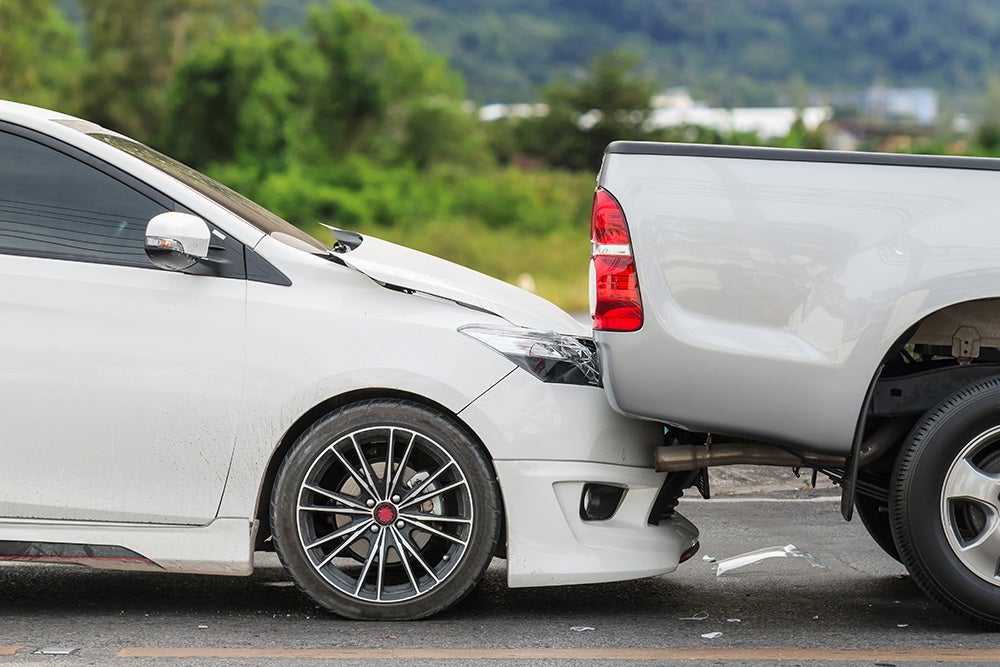
Crash risk increases as people approach and proceed through intersections. While collisions can occur anywhere on the open road, a large percentage of the most severe collisions take place at intersections.
Vehicles moving in different directions can collide when motorists make mistakes. Many traffic rules apply to vehicles at intersections in particular. Despite the thorough rules in place to help limit crash risk, intersection collisions are still quite common. And many of them involve the same risk factors.
1. Turning left
According to research into intersection collisions in particular, more than 60% of these crashes occur when a driver attempts to turn left. Left turns expose drivers to every approaching lane of traffic. They generally require a slower approach. Particularly when drivers fail to use their signals as they approach an intersection, the possibility of a left-hand turn crash occurring increases.
2. Inadequate surveillance
Carefully monitoring surroundings is a key component of safe driving. Particularly at locations where drivers have to share space with other vehicles, proper observation is key to traffic safety. Unfortunately, drivers do not necessarily check as thoroughly as they should before deciding how to proceed through an intersection.
In some cases, there may be physical items that impede their line of vision. Other times, they simply glance in each direction without looking carefully. The end result may be a preventable collision because they didn’t notice an approaching vehicle or pedestrian.
3. Failing to yield
Many of the most important rules that apply at intersections relate to the right-of-way and the need to yield to others. Those approaching an intersection often need to stop and wait for their turn to move through the intersection.
Some drivers never come to a complete stop. Others choose not to yield, possibly because they are late for work or because they failed to check their surroundings carefully. A failure to yield can lead to a preventable collision with significant consequences for everyone involved.
Learning about the choices that contribute to car crash risk can help people stay as safe as possible on the road. But, those affected by intersection collisions despite their best efforts may need to hold a driver at fault accountable by requesting compensation through insurance or a personal injury lawsuit.