Blog / Workplace Injuries

Blog

All Workplace Injuries Workers' Compensation Car Accidents Workplace Accidents Construction Workers' Accidents Medical Malpractice Industrial Workers' Injuries Product Liability Personal Injury Truck Accidents Firm News Wrongful Death Uncategorized
Spike in reckless driving places more workers at risk

Spike in reckless driving places more workers at risk

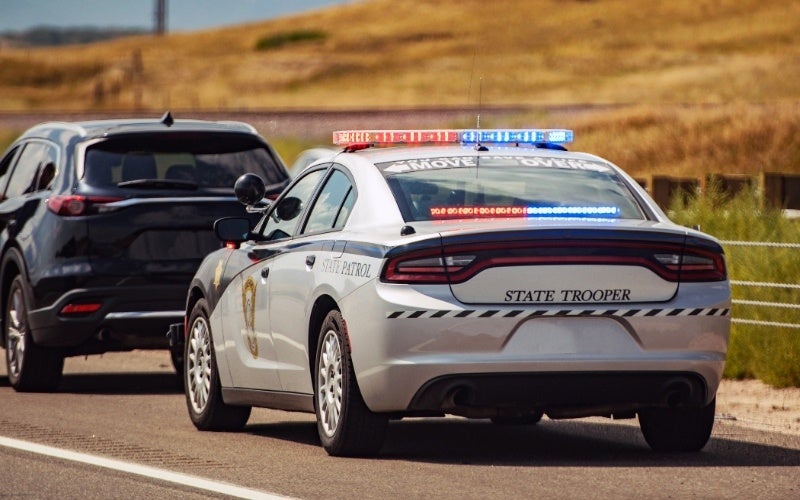
The state and workplace shutdowns due to the COVID-19 pandemic meant that there were far fewer vehicles on the road. Many people might think that fewer vehicles should mean fewer accidents, but that is not necessarily the case. Alarming reports from across the country should put workers on their guard to avoid the risk of suffering a work-related injury on the road. Report: Stark increase in reckless driving According to the U.S. News and World Report, the rates of reckless driving have increased across the country considerably since April. Reports from many states found: Several drivers going far over the speed limit, at more than 100 mph; and A decrease in overall crashes, but a sharp increase in fatal accidents. It is critical to note that Maryland has not seen the same increase in road fatalities during this time. Fatalities have actually decreased by 13%. However, that does not mean that Maryland should not be aware of the increasing risk that reckless drivers pose. In fact, it is especially important for workers to be aware of this risk. Why is it critical for workers to beware? We have mentioned in previous blog posts that when one’s work requires them to travel or take to the road regularly, the risk of an injury increases considerably. The road is a dangerous and unpredictable place, and the longer workers spend on the road the higher risk of injury they face. Nowadays, a large percentage of people on the roads are workers. Some of them might be commuters, but many also include those whose work requires them to be on the road, such as: Delivery drivers; Community health workers; Utility workers; and Highway maintenance or construction workers. These workers are regularly on the road, whether they are behind the wheel or on foot. An increase in reckless driving rates directly impacts these workers’ safety. Work injuries resulting from motor vehicle accidents are often compensable, as they arise out of the course of one’s work (Maryland Code, Labor & Employment §9-501). However, it is more critical for workers to be aware of this growing risk, so they can take action to avoid an accident.

FAQ: Reporting your injury to your employer

FAQ: Reporting your injury to your employer

Workers never expect to suffer an injury on the job. One day might start just like any other, but then a worker might slip and fall on the warehouse floor, sustaining a serious traumatic brain injury. In these cases, it is often necessary to seek medical attention straight away. Workers might even have to stay at the hospital to receive treatment. However, to get compensation for such an injury, they must first report it to their employer. This can leave a lot of workers facing significant stress, so here is a brief overview of the three most common questions workers have about reporting their work injury. When must injured workers report their injury? In Maryland, an injured worker, who experiences accidental injury, has two years from the date of the accident to file a Claim with the Worker’s Compensation Commission. If a worker experiences an occupational disease, it is the later of two years from the last hazardous exposure or when the worker had “actual knowledge” their disease was the result of a work exposure. If an Employer fails to file a First Report of Injury, the limitation on filing may be tolled, or extended. If the Employer files a First Report of Injury or a worker misses no time from work following the accident and two years passes, the injured worker may be barred from receiving compensation under the Worker’s Compensation statute. However, it is best practice to notify a manager or supervisor as soon as an accident or exposure occurs. The sooner an accident is reported, the better opportunity an Employer and its Insurance have to investigate and confirm an injury or workplace exposure occurred. How should workers give this notice? The law permits workers to provide employers with oral notice of the injury, however, it may be beneficial for a worker to report their injury in writing. There are a few reasons for this: It is often easier for injured workers to report the injury in writing, especially if the injury requires a hospital stay; and A written report also provides documentation of the injury. Workers may often request their supervisor provide an incident report, so the documentation is corroborated by an individual who represents the Employer. What information must be in the written notice? It may be helpful for workers to consider what employers must submit to the Maryland Workers’ Compensation Commission when making their report. For example, the written report of the injury should include: The worker’s name and information; The date they suffered the injury or disability; The type of injury they suffered, including the body parts injured; What they were doing at the time of the accident; How the accident happened; and The initial treatment they received for the injury. Often times an Employer or its Insurer may deny a Claim based a failure to provide “proper” notice; however, such responses are often inapplicable to the Worker’s Compensation Act. That considered, reporting an injury is the first step in a Worker’s Compensation Claim. It is important that an injured worker notify their Employer of an injury upon its occurrence, and follow up with counsel to ensure they are taking the necessary step to secure their rights.

Stay on your toes: Foot injuries have a large impact on workers

Stay on your toes: Foot injuries have a large impact on workers

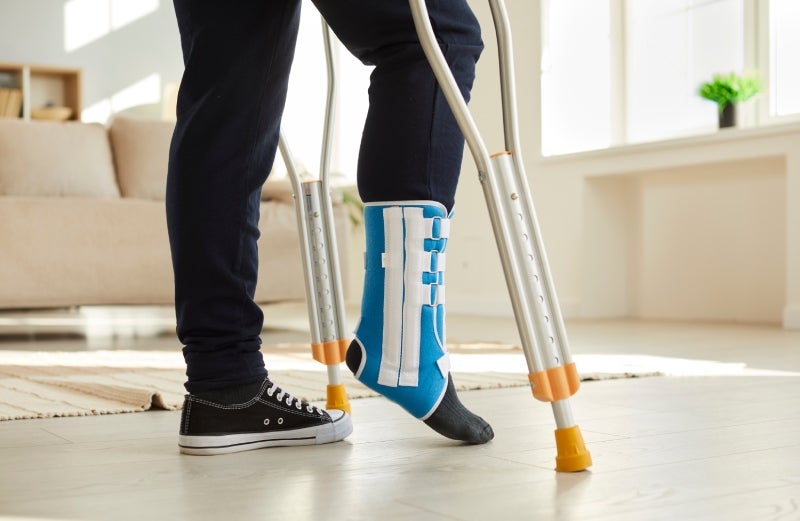
Workers who are on their feet all day often know the reality of foot pain. Standing on a cement warehouse floor all day can cause a significant amount of strain on one’s feet, back and legs. Even with the foot pain workers might experience, they face even more risks of foot injuries. It is easy for workers to overlook the risk of foot injuries since these work injuries are often nonfatal. However, they can be severe and even life-changing for workers in all industries. How common are injuries to the feet? According to the Bureau of Labor Statistics (BLS), foot injuries affect 4.7 out of 10,000 workers in all industries. This means that roughly more than 53,000 workers suffer serious injuries to their feet each year. These statistics include a wide range of nonfatal injuries, such as: Crushed or broken bones from dropping items; Burns from splashes when working with chemicals; Punctures from stepping on sharp objects; and Sprains or twists from trips and falls. Some injuries or incidents can even lead to amputations of the toes or feet. Workers in all industries must ensure that they take the proper precautions to prevent these injuries by wearing protective footwear and upholding all safety standards recommended by the Occupational Safety and Health Administration (OSHA) and their workplace. Why are these injuries so serious? A person’s foot and ankle combined have: 26 bones; 30 joints; and 100 muscles and ligaments. An injury impacting any number of these often requires a long and slow healing process. Additionally, all of these support an individual’s mobility and balance. Therefore, even the smallest foot injury can limit one’s ability to walk or even stand. This could keep workers out of work while they recover for a considerable amount of time. Injuries affecting the feet could leave Maryland workers facing significant physical and financial stress as they heal outside of work. However, workers’ compensation benefits can help ease that stress for workers and their families with wage loss benefits (Maryland Code, Labor & Employment §9-602). It is often helpful for injured workers to consult an experienced workers’ compensation attorney to protect their entitlement to this compensation in these cases.

Falls are still a significant risk for many workers

Falls are still a significant risk for many workers

Workers of all industries face a risk of falling on the job, from retail workers to roofers. Falls from the same level or a higher level are some of the most common causes of both injuries and fatalities in the workplace. Yet, despite this common knowledge, reports prove that the risk of falling is still one of the biggest dangers that workers face every day on the job – and that the risk is even increasing. Falls on the same level v. falls to a lower level: Both pose serious risks Some workers might consider falls to a lower level to be a greater risk of injury than slips and falls on the same level. This is not necessarily true – falls from any level are incredibly dangerous in their own way. For example, the National Safety Council (NSC) found in 2018 that: Falls on the same level led to 154 fatalities and 147,390 injuries; and Falls to a lower level led to 615 fatalities and 52,510 injuries. Falls to a lower level carry a higher risk of a fatal injury for workers. And a 2018 report from the Bureau of Labor Statistics did determine that fatalities from falls to a lower level increased by 26% between 2011 and 2016. During this period, 3,723 workers suffered fatal injuries from a fall to a lower level. Workers must be vigilant when working at great heights, but they should never overlook the risk of falls on the same level either. The primary issue? Falls can often be prevented Falls remain one of the leading causes of workplace injuries, and yet the NSC reports that workers and employers can take simple measures to prevent most falls. There are several steps that employers can take to prevent falls in the workplace, such as providing workers with training and proper personal protective equipment (PPE). However, there are also steps that workers can take to reduce the risk of falling, such as: Wearing the proper footwear; Following all safety procedures; and Remaining aware of all their surroundings. Even if falls can be prevented in many cases, workers are still entitled to collect workers’ compensation under Maryland law if they suffer injuries from a fall on the job. It is critical for workers to consult an experienced workers’ compensation attorney after a fall, so they can understand how to protect their rights and recover the compensation they deserve.

What is the most dangerous job in the U.S.?

What is the most dangerous job in the U.S.?

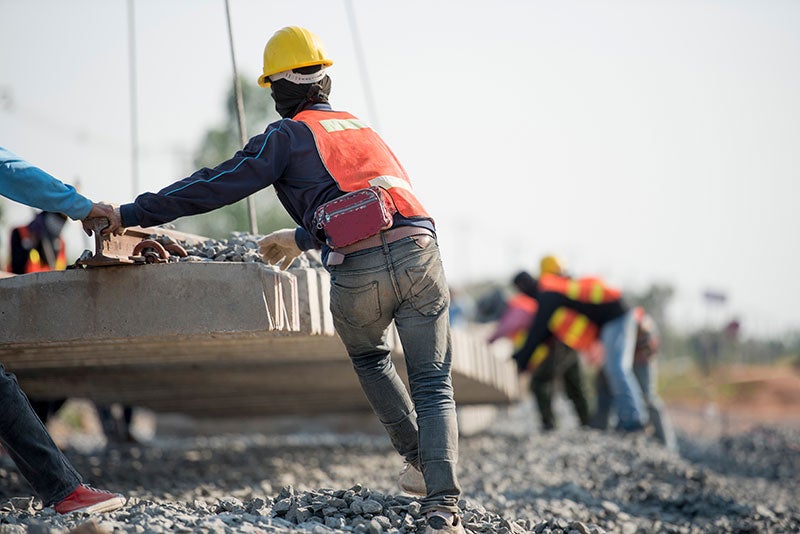
When faced with this question, many people say the construction industry is the most dangerous in the country. This guess is not far off – construction is on the list of the most dangerous jobs almost every year. However, over the last few years, the job involving the most fatal work injuries has been logging. Study finds logging is the most dangerous job In Maryland, there are roughly 1,300 workers in the logging and mining industry. Even so, it is an important industry. It provides many of the materials necessary for construction, manufacturing and even making paper products. Yet logging work is also the most dangerous job of 2020, with the highest rate of fatal injuries at 97.6. Unfortunately, this is not new information. Logging – like construction – is often on the list of the most dangerous jobs. It was also number one on the list in 2015, and the high rate of fatality in this industry has been a concern since the 1980s. Regardless of how many workers are in this field, all workers must be aware of the risk involved in their line of work. Why is this work so dangerous? The logging industry involves a significant amount of risks. The most common causes of a serious or fatal injury in the logging industry include: Cuts from contact with metal tools; Injuries from falling objects; Injuries after falling from great heights; and Injuries after getting caught between equipment or objects. Working at great heights, lifting heavy objects and operating heavy machinery all carry a high risk of injury – and they are all common tasks logging workers complete in lumberyards. With a compounded risk for a fatal injury, workers must ensure they comply with safety standards and prioritize safety each day on the job. Even though there is an inherent risk with this profession, the Worker’s Compensation statute still covers such workers. Additionally, a compensable claim need not require an employer acted negligently; rather, the accident only arose out of and was in the course of the injured worker’s employment.

Firefighters call for safety on the road

Firefighters call for safety on the road

Firefighters, police officers and emergency medical technicians (EMTs) must all be prepared to jump into action at any time to answer the call in an emergency. And when they get a call, they must immediately take to the road and respond to the emergency as soon as possible. This requires emergency responders to react with speed and efficiency. However, Maryland roads can be a dangerous place – especially for workers as they answer a call or attend to an accident on the road. Their chance of a work injury increases considerably in these situations, and firefighters are calling attention to this risk. Firefighters take action for road safety Firefighters across the country participate in an annual Safety Stand Down. These events occur each year during June, and call attention to important safety and health issues that firefighters face on the job. This year, the Safety Stand Down revolves around “ Building a Superhighway to Safety.” Firefighters run into the line of danger to extinguish fires and save lives, yet they face one of the highest risks while on the road. The National Fire Protection Association (NFPA) reports that on average, 16% of firefighter deaths occur either when firefighters respond to or return from an emergency call. Navigating the road during an emergency is not only high stress but also high-risk for firefighters. This risk only increases when firefighters respond to accidents on the road. That is why for this year’s Stand Down, firefighters are working to increase safety standards. What can firefighters do? Getting behind the wheel is always unpredictable. There is no doubting why firefighters face such a risk on the road. However, what can firefighters do to stay safer when responding to emergencies on the road? Firefighters should: Receive proper training on how to approach traffic accidents; Wear bright clothing and the proper personal protective equipment; and Follow all scene safety standards established by the station. While it is also a driver’s responsibility to be safe behind the wheel, firefighters can still take action to protect their own safety on the job.

Understand the long-term risks of working with solvents

Understand the long-term risks of working with solvents

Countless workers use solvents every day on the job, such as acetone for industrial coating and MEK in printing ink. Using these chemicals is just a part of the job for many workers in various fields of employment, but many of them can be hazardous to workers’ health. Workers exposed to dangerous amounts of these common chemicals could suffer serious injuries in the long run, and they must be aware of the hazards they can pose. Workers know the short-term effects, but new alert highlights long-term effects Most who work with chemicals daily know the possible short-term effects that come with exposure, including: Skin irritation; Headaches; Drowsiness; and Nausea. However, not many are aware of the long-term effects. Recently, the CPWR Center for Construction Research and Training published an alert to workers about the life-threatening effects of solvent exposure. The report warns that long-term exposure to solvents can cause significant damage to: The respiratory system; The nervous system; The reproductive system; and The kidneys. Some of these chemicals, such as benzene, have also been found to cause cancer. Workers who suffer accidental injuries from dangerous exposure to solvents may collect workers’ compensation when a physician indicates with a reasonable degree of medical certainty that the symptoms are at least in part related to the work exposure. All workers must take the proper precautions Solvents are necessary for many types of work, including: Industrial work; Construction or manufacturing work; Printing; and Janitorial work. No matter the inherent danger in certain occupations, an injury or occupational disease related to workplace exposure to solvents may be compensable and covered under Maryland law. Workers must take these risks seriously when working with solvents and it can be helpful to review the safety guidelines for the chemicals they work with frequently. They must also ensure they wear the proper protective gear, including gloves, eye protection and masks to avoid both the short-term and long-term effects that could result from working with solvents. However, in the event of a significant injury, workers must first receive proper medical care and contact an attorney to ensure their rights are protected.

Eye injuries are more common than workers think

Eye injuries are more common than workers think

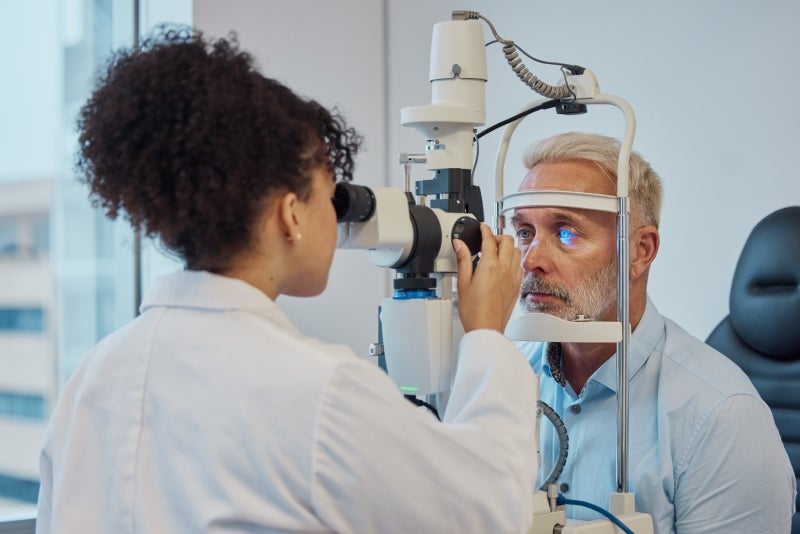
Slips and falls, muscle strains and fractures are just a few of the most common work injuries. Injuries to a worker’s eyes do not fall on this list. So, not many workers worry about their eyes on the job. For example, a construction worker likely worries much more about falling and potentially breaking a bone than they do about their eyes. Yet, work injuries that affect the eyes are more common than many workers might wish to believe. How common are eye injuries on the job? Injuries to the eyes are much more common than many workers might think: Roughly 2,000 workers suffer eye injuries every day on the job; and 10% to 20% of these injuries result in temporary or permanent loss of vision. Recovering from an eye injury can take days, causing individuals to miss work. And if the injury leads to blindness, it could impact their entire life and ability to work in the future. Under Maryland law, workers who suffer an eye injury would be entitled to collect workers’ compensation benefits. Additionally, loss of vision is often a permanent total disability (Maryland Code, Labor & Employment §9-636). Workers and their families could qualify to collect disability benefits to cover the worker’s lost earning ability and medical treatment. However, all workers can take action now to protect their eyes from such injuries. How do eye injuries happen in the workplace? According to the Centers for Disease Control and Prevention (CDC), some of the most common hazards that can result in eye injuries include: Striking materials, which can lead particles to fly into the eye; and Exposure to dangerous chemicals, which can burn the eyes. This is precisely why safety glasses are essential for many jobs, including: Construction work; Electrical work; Factory work; Mechanics and manufacturing; and Healthcare work. Wearing safety glasses may sound like a simple solution, but Safety + Health Magazine reports that safety glasses can p revent roughly 90% of all eye injuries. When workers take the proper safety precautions – such as wearing safety goggles – they can significantly reduce their risk of sustaining a life-changing work injury.

Horsing around at work could have much larger consequences

Horsing around at work could have much larger consequences

As the common saying goes, if individuals enjoy their job, they never work a day in their life. While it is good for Marylanders to find careers they enjoy, employees should ensure that they do not get carried away and engage in risky horseplay. Many workplace policies directly state that they do not allow horseplay in the workplace. But violating company policy is not the only risk involved in horseplay. Pranks or roughhousing on the job can significantly increase the chance of suffering an injury at work. And injuries resulting from these actions are not covered under workers’ compensation. An injury at work does not make it work-related Many people might think that any work-related injury could entitle them to collect workers’ compensation. However, injuries are only work-related if they arise out of the course of employment. This essentially means that injuries are only covered if it happened while: The individual was at work The individual was performing their work duties Horseplay might happen at work. But it rarely happens while employees are actually working. What is considered horseplay? Horseplay usually involves unsafe and reckless playing or pranks. This rough play often means physical contact and exertion that increases the risk of injuries. And employers, insurers and the Workers’ Compensation Commission consider a few factors to separate other work injuries from horseplay injuries. These variables include: Determining what the company policy states Proving the employee knew the policy, but still engaged in horseplay Providing proof that the employee understood the risk of injury Verifying that this individual’s injury resulted from their disregard of the rule What if you did not participate in horseplay? If workers suffer injuries while engaging in reckless horseplay at work, they often are not entitled to compensation. But what about other employees who were not involved? Unfortunately, the recklessness of others often puts bystanders at risk of an injury as well. But injured individuals who did not engage in horseplay might be able to apply for workers’ compensation. Maryland workers’ compensation law includes “willful or negligent acts” by others in the definition of covered work injuries (Maryland Code, Labor & Employment §9-101). The law may cover these injured employees. However, work injuries resulting from another’s horseplay can be difficult to prove. It is beneficial for employees in these situations to retain an experienced workers’ compensation attorney to recover their benefits.

Why do first responders face a higher risk of work injuries?

Why do first responders face a higher risk of work injuries?

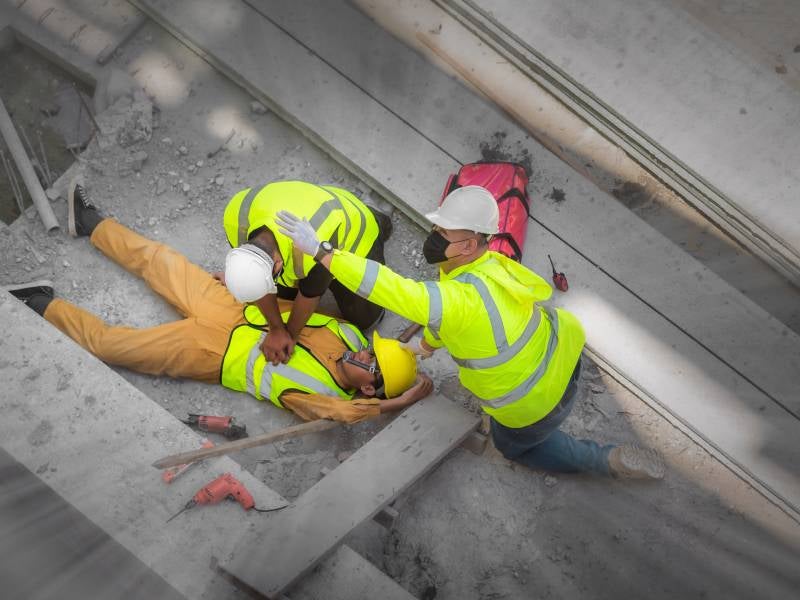
Anyone who suffers a severe injury depends on first responders, such as emergency medical technicians (EMTs), to help them when they need it the most. However, it is often these very workers who face the highest risk of sustaining an injury on the job. Emergency responders at high risk of injuries This report from the National Institute for Occupational Safety and Health (NIOSH) might be recent, but the news is not. EMTs and other first responders consistently face high risks of suffering more injuries on the job. The study found that around 8 or 9 out of 100 ambulance workers seek treatment for work injuries each year. That creates a significant gap between EMTs and most other jobs, where only about 2 out of 100 workers suffer serious work injuries annually. Why do they face this increased risk? It makes sense that first responders and law enforcement suffer the highest number of work injuries. After all, their work is rigorous, perilous and constantly changing. But there are specific risk factors that increase an ambulance worker’s chances of injury, including: Dangerous situations: More than any other job, first responders and EMTs are often in incredibly dangerous situations and environments. They receive extensive training to protect both themselves and others in these situations. However, it can still be challenging to mitigate risks when they are focusing on saving the lives of others. These jobs have extreme physical demands: All first responders’ duties require a considerable amount of physical exertion. Lifting injured individuals onto gurneys can cause muscle strains and navigating areas of an accident can pose a risk of lacerations or slips and falls. Urgency can increase risk: EMTs and first responders must act fast. That is essential to complete their job and their service to others. However, moving quickly can increase the chance of an injury. For example, ambulances speeding down a Maryland highway often face a higher risk of a crash, especially when other drivers are not paying attention. Exposure to hazardous substances: Like all medical professionals, EMTs also deal with a daily risk of being exposed to hazardous chemicals from their patients or the scenes of an accident. Of course, there are measures that these employees and their employers can take to prevent the chance of a life-changing injury or accident. And these employees can collect workers’ compensation for a work injury, regardless of how dangerous their work is (Maryland Code, Labor and Employment §9-507). First responders understand the risks they face when they start their job. However, it is still critical that they are aware that these risks are on the rise so that they can protect themselves.

Tips for employees returning to work after an injury

Tips for employees returning to work after an injury

Workers’ compensation benefits can afford Maryland employees the time they need to heal after a severe work injury. Since the benefits often cover medical bills and lost wages, they can reduce an employee’s worries as they recover. However, what happens when it is time for the employee to return to work after recovering from a work injury? If an injured worker feels ready to return to work, they must consult their treating physician as to what, if any, restrictions are needed to ensure a successful return to work. Keep in touch with your employer Throughout the treatment period an injured worker is responsible to provide out of work or restriction slips from their treating physician to the employer. Regular updates, without excessive details, can help both the employer and the employee prepare for their return to work. Often, employers might help create a reintegration plan for the employee. These plans often consider the employee’s old work responsibilities and their current abilities. When an injured worker is released back to to work on light duty, it is essential for the worker to discuss the limitations with the employer, so all parties involved have clear expectations of the return to work. Should an injured employee be provided limitations, and the employer is unable to accommodate the restrictions, an injured worker is entitled to remain out of work and continue to receive benefits until either the employer can accommodate them or the injured worker can return to full duty. Recognize and respect any limitations from the injury Physicians usually explain any limitations that an employee might have when providing a disability certificate. These limitations may include: Limiting the hours an injured worker works during a shift Limiting the amount a person is required to lift Permitting regular breaks to avoid overexertion Excluding the use of certain heavy machinery Excluding the use of certain work activities, such as the use of ladders, stooping or crawling As explained above, it is critical to report these limitations to the employer before returning to work and keep a copy of this report. However, employees should also pay attention to their own body when returning to work. It is common for workers to throw all of their energy into work when they return to their job. But injured workers have a responsibility to explain the nature of their employment to their doctor, so a restriction slip best fits the injured worker’s present medical condition. Employees who suffered a work-related injury do not want to do so again. So, it is essential that employees respect their own boundaries and do not expose themselves to new injuries. Do you need vocational rehabilitation? In circumstances where an injured worker has completed treatment or is nearing the end of available medical care, the injured worker must identify if permanent work restrictions will be warranted. If an injured worker requires permanent restrictions, which prevent the worker from returning to their prior position, a physician must indicate such circumstances. If an injured worker has permanent restrictions and the employer cannot accommodate those restrictions, the injured worker may be entitled to vocational rehabilitation (Maryland Code, Labor and Employment § 9-673). Vocational rehabilitation includes a professional counselor being assigned to an injured worker’s claim to assist in securing new employment. While the injured worker participates in vocational rehabilitation, they are entitled to the same weekly benefits they were entitled to while they were receiving medical benefits and out of work. Although deserving of a separate post, vocational rehabilitation includes multiple types of services in an effort to help the injured worker obtain “suitable gainful employment.” Upon receipt of such employment, whether with the old employer or a new employer, vocational rehabilitation is then completed. Understanding and navigating the different stages of recovery and returning to work is often complicated and confusing. If an injured worker receives vague or inaccurate documentation, it can often lead to an unnecessary termination of benefits. Other times, employers and their insurers contest an injured worker’s request for accommodations or vocational rehabilitation. As a result, it is very important for injured workers to have skilled and experienced legal representation to ensure and fight for coverage.


OSHA releases preliminary list of top workplace violations

OSHA releases preliminary list of top workplace violations

Recently, the National Safety Council held their Congress & Expo, billed as the country’s largest gathering of safety professionals. As part of that, the federal Occupational Safety and Health Administration (OSHA) released their top 10 most frequently cited workplace violations for fiscal year 2018. The list is preliminary at this time, but provides a good snapshot of on-the-job hazards across the nation. 10. Eye and face protection – this is a newcomer to the list, but OSHA reports more than 1,500 violations so far this year for job sites around the country where people were not wearing proper face and eye protection. This can include construction sites, welding, working around hazardous chemicals and more. 9. Machine guarding – OSHA has found 1,972 instances of inadequate, missing or unconnected machine guards in machine shops and manufacturing facilities across America so far this year. 8. Fall protection (training) – over 1,980 companies got citations in 2018 for not having adequate fall protection training protocols or documentation that training had occurred. 7. Powered industrial truck violations – nearly 2,300 businesses had unlicensed or uncertified forklift drivers on job sites. 6. Improper ladder use – more than 2,800 citations came for improper ladder use in the first 10 months of this year. This includes using the top step of the ladder, not having ladders secured on construction sites, broken steps and ladders “not being used as intended.” 5. Lockout/tagout – though this is a known practice throughout many industries, almost 3,000 employers did not have adequate protocols for energy control of dangerous equipment when not in use. 4. Respiratory protection – over 3,100 citations came as a result of employers not offering protective equipment, not having respiratory protection programs in place, and not requiring medical evaluations for workers. 3. Scaffolds – scaffold safety is exceedingly important as a means of fall protection for workers, but still more than 3,300 workplaces were cited for inadequate scaffold construction, decking and more. 2. Hazard communication – auto shops and hotels were among the 4,552 businesses cited for insufficient training programs regarding hazards and non-existent data sheets signifying compliance with hazard communication. 1. Fall protection (general) – this is yet again the top OSHA citation, with more than 7,200 violations so far in 2018.

Contact Us

Fill out this form below and we'll contact you shortly
*Required Fields