Blog / Workplace Injuries

Blog

All Workplace Injuries Workers' Compensation Car Accidents Workplace Accidents Construction Workers' Accidents Medical Malpractice Industrial Workers' Injuries Product Liability Personal Injury Truck Accidents Firm News Wrongful Death Uncategorized
A famous case of chronic back pain: JFK, part 1

A famous case of chronic back pain: JFK, part 1

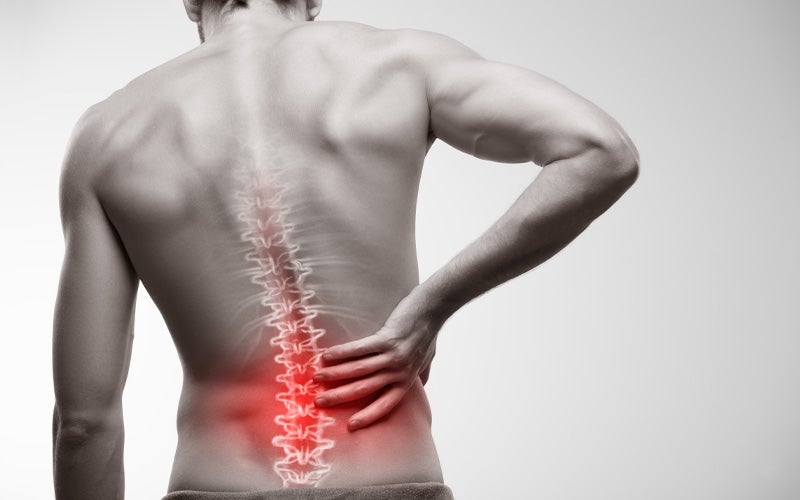
One of the important threads we’re following in this blog is chronic back pain. Millions of people across the country and around the world face this type of pain. And sometimes the pain arises in contexts where workers’ compensation or Social Security disability issues may be involved. In our May 31 post, we wrote about continuing research regarding ways of responding to chronic back pain without excessive reliance on potentially-addictive prescription drugs. In this two-part post, we will discuss the case of one of the most famous sufferers from back pain in American history: President John F. Kennedy. Last month of course marked the 50th anniversary of the assassination of President Kennedy. National interest in this inspiring yet complicated man, often referred to as JFK, has never waned. The anniversary of his death is an occasion to take note of the role that back pain played in his rather tortuous medical history. Two researchers recently published an article in the journal Regional Anesthesia and Pain Medicine about JFK’s chronic back pain. They concluded that though JFK appeared to exude vibrant health, his back pain was very nearly incapacitating. The pain in his lower was practically constant. It was also longstanding, dating perhaps as far back as 1940. He tried several surgical procedures over the years, trying to address the pain, but surgery did not provide a workable solution. Eventually JFK took to wearing a back brace. And he often used crutches to walk when he was out of the public eye. In part two of this post, we will discuss how doctors might try to address chronic back pain conditions such as JFK’s today. Source: University of Michigan Health System, “ Reconceptualizing JFK’s chronic back pain,” Nov. 26, 2013

Digital tools and workplace accident prevention, part 1

Digital tools and workplace accident prevention, part 1

The technological revolution we are living through now has already transformed the way millions of people communicate and conduct many aspects of their daily lives. After all, the fabulous capacities of smartphones would have been the stuff of science fiction not that long ago. But when a worker enters a typical industrial setting, the same old dangers of fires, falls and explosions await. In this post, we will discuss some of what technology may have to offer in preventing workplace accidents and injuries in the Baltimore area and across the nation. To be sure, technology cannot cure all illnesses or prevent all accidents. But it is possible that one of the next waves of the digital revolution will be improved use of technology to promote workplace safety. Consider, for example, personal protective equipment (PPE) such as goggles, helmets and clothing that can shield a worker from some forms of harm on the job. There is no question that PPE is useful in guarding workers against many types of workplace injuries. But what if instead of traditional goggles, a worker were wearing goggles equipped with Google Glass, the emerging wearable computer? In an environment known to be hazardous, the enhanced awareness of dangers provided by the computer could help a worker detect chemical spills, fires or other dangers sooner. Such a worker would conceivably be better able to take protective action. We’re not suggesting that every industrial worker should be fitted with a cyborg suit, like the character played by Matt Damon in the film “Elysium.” What we’re saying is that there are surely ways that the smart-data revolution can be applied to the creation of smarter, safer workplaces. Source: Wired, “ Forget the Smart City. . . Start With the Smart Workplace,” Chris Chasty, Nov. 1, 2013

Healthcare workers at risk of repetitive stress injuries

Healthcare workers at risk of repetitive stress injuries

The healthcare industry employs many workers, from doctors and nurses to lab technicians and receptionists. All of the roles are important. Yet some jobs are more dangerous than others in terms of suffering workplace injuries. A new concern involves repetitive stress injuries and electronic medical records. In some ways, that sounds like an odd paring. But in two recent research publications, an ergonomics professor from Cornell University contends that medical offices are poorly designed to accommodate computers. This could lead to many repetitive stress injuries among doctors and nurses as electronic health records become the norm. The professor, Alan Hedge, says many hospitals are investing in new computer technology without properly assessing the ergonomic impact on the people who will be using those computers. Some of those workers may need to rely on workers’ compensation to help them after suffering injuries due to repetitive strain. In a sense, society has seen this movie before. After computers became common in commercial workplaces in the 1980s, there was an upsurge in musculoskeletal injuries for at least a decade. The same pattern could be about to happen in the medical field, now that electronic medical records are becoming more common. What type of musculoskeletal injuries are employees at risk of experiencing? They include wrist injuries, back pain and neck injuries. In Prof. Hedge’s research, more than 40 percent of the healthcare employees he studied suffered such symptoms. The upshot of the research is clear. Workplace safety for medical professionals should not only include efforts to prevent falls and handle patient safety. It should also include an awareness of the effect of increased computer use on the human body. Source: “ Health Care Workers Face Ergonomic Challenges,” EHS Today, 12-26-12 Our firm handles situations similar to those discussed in this post. To learn more about our practice, please visit our Maryland workplace injuries page.

Contact Us

Fill out this form below and we'll contact you shortly
*Required Fields