Blog / Workplace Accidents

Blog

All Workplace Accidents Workers' Compensation Car Accidents Workplace Injuries Construction Workers' Accidents Medical Malpractice Industrial Workers' Injuries Product Liability Personal Injury Truck Accidents Firm News Wrongful Death Uncategorized
How well is your hard hat protecting you?

How well is your hard hat protecting you?

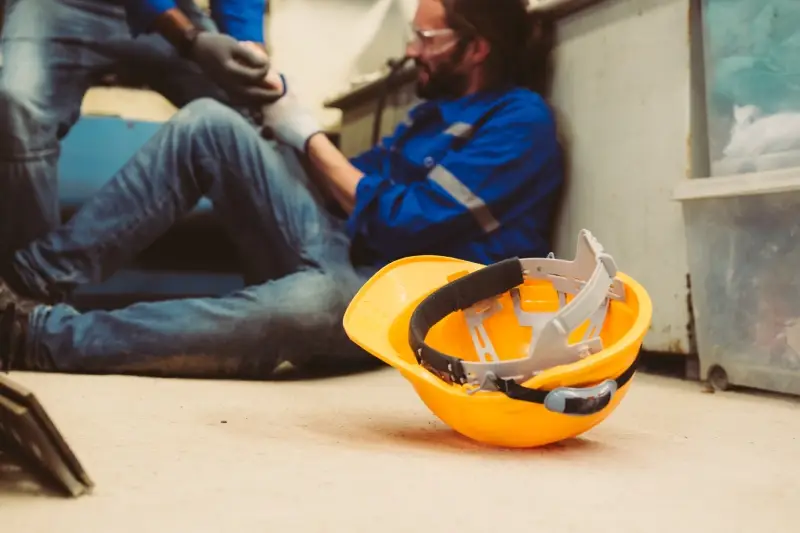
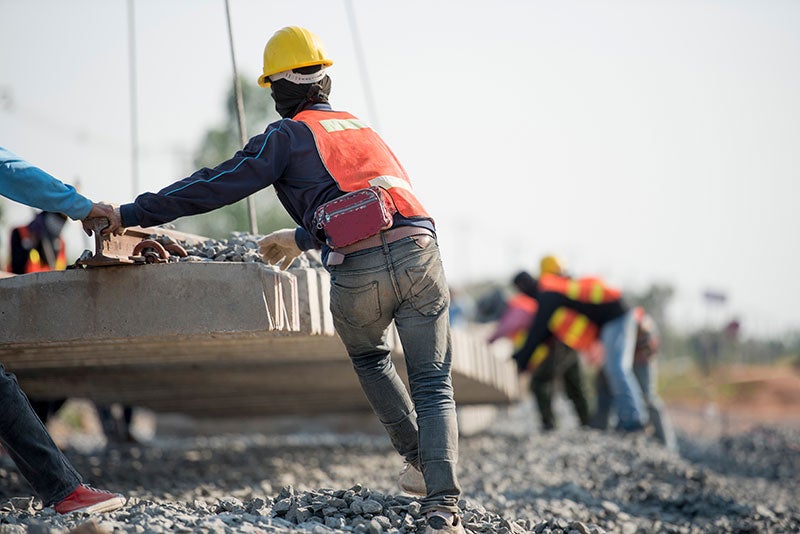
When Maryland construction workers clock-in, it is an automatic step to put on their personal protective equipment (PPE) before getting to work. And construction workers know that their hard hat is one of the most important pieces of PPE that they have. However, construction workers still suffer more traumatic brain injuries (TBIs) than workers in any other industry. So, how effective are hard hats in preventing head injuries in construction accidents? Hard hats have many protective purposes While there are different types of hard hats designed to offer different protections in many jobs, they all serve to protect workers from hazards by: Stopping falling objects or debris from hitting or piercing the head Absorbing shocks from falling or falling objects Resisting water, fire, and even mitigating risks of electrical shock With these three functions, hard hats play a significant role in protecting workers and preventing head injuries. A 2019 report demonstrates this, finding that: In 1970, when the Occupational Safety and Health Administration (OSHA) was founded and established requirements for hard hats and protective equipment, there were roughly 15,000 work fatalities. In 2016, that number had decreased to 5,200 fatalities. Even though hard hats help to decrease the risk of fatality and injury, head injuries are still a considerable risk. Most head injuries occur on the job when workers are not wearing their hard hats – or wearing an ineffective one. What makes a hard hat ineffective? Hard hats are very efficient and reliable in protecting workers on all kinds of worksites. However, it does not take much to compromise hard hats, and therefore the safety of the worker wearing them. For example, one’s hard hat can become unsafe if there are: Cracks of any size in the shell or suspensions Dents from impacts to the hard hat Damages from exposure to heat or cold environments Decorations that jeopardize the hard hat safety features, such as paint or stickers Workers should take time to inspect their hard hats carefully every day before use to make sure they are safe on the job each day and avoiding the risk of a life-changing head injury.
Does pregnancy increase the risk of a work injury?

Does pregnancy increase the risk of a work injury?

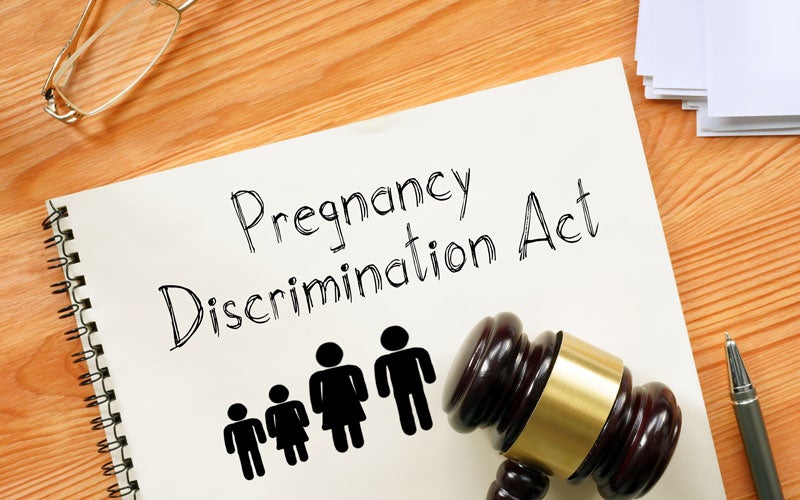
Even though the old-fashioned term for pregnancy described it as a “delicate condition,” most women would disagree with that statement. While they might worry more about their unborn child’s health, most women remain capable and fit to work throughout their pregnancy. However, a new study indicates that pregnant workers might face a higher risk of suffering an injury at work in many cases. Study: Not pregnancy, but stress increases risk of work injury Many studies over the years have found that stress distracts workers, and therefore can increase their risk of an injury. For pregnant workers, that stress seems to revolve around the pregnancy itself. Pregnancy does not inherently increase the risk of a work injury. Even so, two out of three pregnant workers fear they will face bias, stereotyping and discrimination because of their pregnancy, such as being seen as weak or incapable. Therefore, these workers tend to overcompensate. They will work harder and even overexert themselves. This puts them at risk of an injury. In fact, the study found that workplaces with a higher stereotyping risk led to three times as many work-related accidents. Pregnant workers must stay safe on the job The fear of unfair treatment in the workplace is very real – and so is the stress it can cause. However, staying safe at work is of the utmost importance for both the worker’s health as well as the health of their unborn child. Pregnant workers might remain fully capable of completing their work duties, but they must ensure they take their safety seriously. Pregnant workers in Maryland should take extra care to: Utilize ergonomic equipment Be careful lifting heavy loads Wear the proper shoes to maintain posture Avoid exposure to dangerous materials Operate heavy machinery safely Take regular breaks to rest If workers overexert themselves to avoid stereotyping, it only serves to put them at more risk in the workplace. Pregnant workers are protected under Federal Law not to be discriminated against based on their sex and the fact that they are pregnant. Pregnant women should work as normal, and be open and candid with their supervisors regarding their pregnancy and how, if at all, the pregnancy affects their ability to perform their job. Should a woman who is pregnant feel that they are being treated differently due to their pregnancy, they should contact an attorney to discuss their rights. Furthermore, should a woman experience an injury on the job, even if they think the change in their body contributed to the accident, they remain likely covered by the Workers’ Compensation Act of Maryland and should seek counsel to ensure they treated fairly and protected.

Struck-by-accidents: What is the risk?

Struck-by-accidents: What is the risk?

According to the National Safety Council (NSC), 26.2% of all work injuries are the result of objects or equipment striking workers. These accidents have been and remain a serious risk across all industries, and workers must be aware of the high risk of injury they could face. But what does that risk entail? Struck-by-accidents are a significant risk for all workers Work injuries resulting from getting struck by objects are some of the most common risks workers face. These types of accidents are: Listed as the third most common workplace accident across all industries; and One of the fatal four accidents in the construction industry, according to the Occupational Safety and Health Administration (OSHA). The most common struck-by-accidents that come to mind often involve vehicles or machinery. For example, forklift accidents or even auto accidents on the road are common – and dangerous – struck-by accidents. However, these types of accidents include a wide range of hazards, such as being struck by: Falling objects from improperly secured storage Flying debris from using power tools or defective machinery Collapsing equipment or structures, such as imbalanced filing cabinets These are widespread incidents that put many workers at risk. Do distractions increase these accidents? As we discussed in a recent blog post, distractions are increasing the risk of accidents and injuries in the workplace. And distractions are one of the primary risk factors in struck-by-accidents nowadays. If workers are not fully aware of their surroundings, they face an increased chance of running into objects or failing to see objects coming at them. Distractions that create this risk might not always include cellphones or technology. They might also include: Maintaining a conversation with a coworker that draws one’s attention away from their task; or Even external stressors preventing individuals from focusing on work. Distractions are certainly not the only cause of these types of accidents. However, this is the risk factor that workers can control to reduce the chance of suffering an injury at work or in a struck-by accident. That considered, workers should understand that even if they are distracted, they likely do have Workers’ Compensation Claims to protect in the event they are injured. No matter how the injury occurred, should a worker experience injury on the job, it is always helpful to consult an experienced attorney.

Storm season: Roofers must take extra care

Storm season: Roofers must take extra care

The end of summer can bring extremely severe weather to the Baltimore area. And severe weather also brings an increase in residents looking to clean up after storms and fix damaged exteriors of their homes. Whether residents only look to fix storm damage or re-shingle their entire roof, this season can mean a lot of jobs for roofers across the state. However, roofers must ensure they take great care to optimize their safety and avoid serious injuries. Roofers face a high fatality rate The construction industry is full of high-risk jobs, but roofing is one of the most dangerous. Most roofing workers know about the risks they face. After all, working at a great height is one of the most common safety hazards for all workers. However, a 2019 report from the U.S. Bureau of Labor Statistics found that roofers have a fatality rate 10 times higher than the average rate of fatalities across all industries. By the numbers, the average fatal injury rate for all industries is 3.5 out of 100,000 workers. For roofers, that rate is 51.5 per 100,000 workers. Remember: Safety equipment is essential For years now, roofing has been included on the list of the most dangerous jobs in the United States. And yet, according to a 2017 report, one in four construction workers who suffered a fatal injury from a fall were not using a personal fall arrest system (PFAS) at the time of the accident. Unfortunately, it is easy for experienced workers to form bad habits over the years, but roofers should make sure they: Inspect sites and assess hazards before beginning work Set up guardrails, PFAS and other safety equipment properly Review safety training as needed, and stay updated on new guidelines Keep an eye on the weather when working at a height Roofers must not overlook the use of safety equipment – especially during and after storm season. The Maryland Workers’ Compensation Act covers workers, regardless of fault. While there are exceptions to the compensability of an accidental injury, should a worker experience an injury on the job, even if they failed to take the best safety precautions, they still should contact an experienced Workers’ Compensation attorney to discuss whether or not there is coverage available.

Report finds gig workers suffer a higher rate of fatalities

Report finds gig workers suffer a higher rate of fatalities

The gig economy has been on the rise for the last few years. Independent workers and contractors enjoy the flexibility to work on their own terms and provide services for companies on certain projects. However, independent workers should also be aware that their risk of suffering a fatal injury on the job is significantly higher than non-independent workers. Report finds independent workers more at risk for occupational fatalities A 2019 report from the Bureau of Labor Statistics (BLS) found that independent workers made up 12% of all fatal work injuries. This might not seem too alarming until the BLS calculates the risk and probability of a fatal injury for independent workers compared to non-independent workers. The BLS calculates a significant disparity in several situations. For example, the risk of independent workers suffering a deadly slip and fall is 71% higher than that for a non-independent worker. There could be many reasons for this high risk. It could be the constantly changing environment that comes with working gigs. Or it could be the lack of training that gig workers often receive. Regardless, all independent workers must be aware of this considerable risk to their safety. Which workers are most at risk? The report outlines that the fields in which independent workers face the highest risk of fatal injuries include: Trucking; Rideshare services; Construction labor; Landscaping; and Roofing. Seeking compensation can be complex for some independent contractors. This is due to the fact that they might not be considered a covered worker under Maryland law (Maryland Code, Labor & Employment §9-202). If families wish to recover compensation for their losses, it is helpful to consult an experienced attorney to ensure workers were classified correctly and explore all the avenues of recovering compensation. Regardless of a worker’s classification, safety on the job should be a priority for all workers.

Why is PPE so important?

Why is PPE so important?

When one learns how to ride a bicycle as a child, the first thing they learn is the importance of wearing a helmet. Wearing a helmet is an important safety measure, just in case of an accident, to prevent serious injuries. Presently, in light of COVID-19, personal protective equipment, also known as PPE, has become a common term across the globe. However, PPE doesn’t only apply to workers in healthcare, but can relate to workers in a variety of settings. It is essential to keep workers safe on the job and minimize the risks of a work injury. And yet, a majority of workers in a variety of fields do not wear the proper PPE at work. More workers not wearing PPE In 2012, Kimberly-Clark Professional published a survey that found that 89% of safety professionals stated workers failed to wear PPE on many occasions. This is the most recent study of its kind, but the surveys leading up to 2012 continued to show the alarming trend of workers forgoing PPE. Workers listed several reasons for not wearing PPE, including: It was uncomfortable; It did not fit properly; or It was not readily available. Some workers even felt that PPE was unnecessary and even unhelpful. PPE is important for workers’ safety All types of PPE are explicitly designed to protect workers against a wide range of hazards they might face, such as: Cuts and lacerations; Chemical burns or exposure; or Traumatic brain injuries (TBI). The National Safety Council reports that the majority of workplace accidents are preventable. Wearing PPE is one of many factors that helps to prevent a variety of injuries – which is why wearing PPE on the job is so critical. Workers are still entitled to compensation if they suffer an accidental injury at work (Maryland Code, Labor & Employment §9-501). Maryland law does not require an injured worker to prove that the employer acted negligently by either failing to provide PPE or not providing effective PPE. Workers should wear PPE to protect themselves. Additionally, a worker’s failure to properly wear provided PPE does not bar them from receiving coverage under Maryland law. There are times that a situation may appear complicated or an employer/insurer may attempt to deny a claim for illegitimate reasons. That considered, it is often critical for workers to consult an experienced workers’ compensation attorney to better understand their rights in these cases.

Workers must understand the dangers of stress

Workers must understand the dangers of stress

Back in May, the World Health Organization (WHO) made waves when it reported that worker burnout was a dangerous phenomenon impacting nearly every field of employment. WHO states that burnout is the consequence of extreme stress in the workplace caused by the work environment, hours or duties. Although employees cannot collect workers’ compensation for solely experiencing stress or burnout, regardless of the WHO designation, it is still critical to take a look at how harmful-and dangerous-stress can be for employees. Too much stress can lead to workplace accidents In 2016, researchers reported to Safety and Health Magazine that there is often a direct correlation between workers’ stress and workplace accidents. The primary reason for this seems to be the distractions that stress can cause. Common signs of stress include: Extreme anxiety; Fatigue; and Trouble concentrating. All of these signs, in addition to the stress itself, can easily distract workers and make the workplace more dangerous for themselves and their colleagues. Stress can cause workers to become less careful and forget safety standards and precautions in their workplace. Stress often falls into the same category as overexertion. In fact, stress can often lead to workers overexerting themselves. Both stress and overexertion are termed to be “invisible threats” that workers face. These threats might not always be apparent, but there is no doubt that they pose a significant risk to many employees. What are some of the most stressful jobs? The U.S. News & World Report identified some of the most stressful jobs of 2019. These jobs include: Police officers and first responders Surgeons and medical professionals Restaurant workers, including servers and chefs Construction managers and workers All workers must be aware of the increased risks that stress can create, but employees in inherently stressful jobs must take extra precautions. While workers can collect workers’ compensation for accidental injuries in the workplace (Maryland Code, Labor & Employment § 9-501), understanding the signs of stress and the risks stress creates in the workplace can help prevent accidents in the first place.

When do forklift accidents happen?

When do forklift accidents happen?

Forklifts can make employees’ jobs much easier in a variety of industries. They transport materials on construction sites and take the load off employees to prevent them from overexerting themselves. There is no doubt that these machines are helpful, but they can also be incredibly dangerous. Forklift accidents might not be too common, but there are still more than 30,000 serious work injuries each year resulting from forklift related accidents. So, here is a look at when employees are most at risk of suffering an injury in a forklift accident. When do these accidents happen the most? Accidents involving workplace equipment, such as a forklift, are the second most common causes of serious work injuries. These accidents can occur in any circumstance. However, there are a few factors that can significantly increase the chance of a forklift accident, including, but not limited to: Lack of proper training: Usually, the primary cause of a forklift accident is the driver’s lack of training. The Occupational Safety and Health Administration (OSHA) has strict standards for forklift operation. Employers must train drivers to be safe at all times while operating a forklift. According to OSHA, proper employee training could reduce the rate of forklift accidents by 70%. Reckless operation: This often ties in with the lack of proper training. If drivers are negligent by engaging in horseplay or speeding in the forklift, their reckless actions could increase the risk of an accident. Improper maintenance: Old or improperly maintained forklifts could also pose a risk to industrial workers. This increases the chances of brakes or the lift malfunctioning, which can cause the forklift to tip over. Work environment: Narrow aisles or clutter on the floor can make it difficult to maneuver the forklift, which, in turn, could cause a crash that could injure both the driver or a pedestrian worker. Heavy loads: The purpose of a forklift is to lift heavier loads. However, if loads are too heavy or unevenly loaded, the forklift could tip or crash, and pin workers beneath the machine. Maryland employees who suffer an accidental injury from a forklift accident can collect workers’ compensation (Maryland Code, Labor & Employment § 9-501). However, if employees are aware of these risks, they can take the necessary precautions to prevent an accident in the first place.

Trench fatalities on the rise

Trench fatalities on the rise

There is no doubt that working on a construction site brings with it many risks. The site can change nearly every day, and workers are often exposed to electrical lines, main gas lines, falling objects and dangerous heights regularly. Another standard aspect of construction sites require construction workers to work in narrow, deep trenches. According to a new study, trenches are quickly becoming one of the most dangerous hazards that construction workers face. Trenches are already incredibly dangerous The Occupational Safety and Health Administration (OSHA) reports that trenching and excavation are some of the most hazardous construction projects. They often involve the following risks: Collapses or cave-ins, when the weather or soil is wet, or heavy machinery nears the edges of the trench, the trench becomes unstable Falls into the trench when there are no proper barriers installed Exposure to toxic chemicals or low oxygen levels when working in the trench Electrocution or gas leaks if workers hit a utility line in the trench Construction workers are often eligible to collect workers’ compensation for these injuries, regardless of how dangerous their work is (Maryland Code, Labor & Employment §9-507). However, trenches often place construction workers at a higher risk of suffering a workplace fatality than an injury. But, workplace accidents involving trenches are increasing According to the Occupational Health and Safety Magazine, the number of fatalities caused by trench accidents is on the rise. Based on the most recent data, the year 2016 had the same number of deaths from trench accidents as 2014 and 2015 combined. This could be the result of many factors: There are often more construction projects when the economy is up Some contractors or employers might not practice OSHA’s safety standards Awareness of these accidents and the risks trenches pose is often low Is it possible to reduce the risk of a trench accident? It is critical for employers to plan and prepare before trenching. However, construction workers can prepare themselves as well, so they can stay safe in the trenches. Construction workers can ask their employers about the details of the site, including soil and groundwater levels, and consider how future weather could affect the stability of the trench. Essentially, the more workers understand the risks they face, the better they can avoid them and remain safe on the job.

The danger of the night shift

The danger of the night shift

Around 15 million workers across the country clock-in to work when many other people are falling asleep. Working the night shift is a reality for many employees, from police officers to nurses, and factory workers to retail stock workers. But new research indicates that working the night shift can lead employees to face heightened risks of workplace accidents. The main concern is worker fatigue Most Maryland employees who work the night shift might understand how much of a challenge it can be to get good sleep. This is often due to the interruption of their circadian rhythm. On top of that, many employees must still raise their families during the day. However, the lack of sleep is not only a challenge for these employees but also a significant risk. Safety and Health Magazine reports that fatigue from lack of sleep contributes to nearly one in ten work injuries. However, researchers believe that fatigue is likely a bigger problem since it is hard to measure for two reasons: Not many employees realize when fatigue influences an accident, so they do not report it. Work injury reports rarely ask about how much sleep an employee gets or if they are fatigued. Therefore, it might be difficult to keep track of these risks, but they are real dangers that night-shift workers must understand. What are the risks of the night shift? Working long hours at night and not getting enough sleep often impairs workers by: Reducing their ability to react quickly Minimizing a worker’s physical and mental coordination Increasing the chance of employees making serious errors Distracting workers from the task at hand Causing employees to fall asleep on the job The night shift and consistent fatigue can also increase an employee’s chances of developing a chronic illness, such as diabetes or cancer. Employees: Do not underestimate the power of sleep Most night-shift workers would be entitled to collect workers’ compensation benefits if they suffered an injury at work, even if fatigue contributed to the accident (Maryland Code, Labor and Employment § 9-501). However, employees can also take action to avoid a severe workplace accident. Employees who ensure they obtain the recommended seven to nine hours of sleep can reduce their risk of an injury considerably. So, the most beneficial plan of action for Maryland employees is to find ways to get more sleep so that they can stay safe on the job.

New federal laws proposed to protect workers in the outdoors

New federal laws proposed to protect workers in the outdoors

Extreme temperatures–both hot and cold–can be incredibly dangerous for employees who work in the outdoors. There are often devastating consequences, particularly if workers are exposed to extreme heat without proper attire, hydration or rest. Most of the time, those consequences involve tragic fatalities. There are new federal bills seeking to put an end to these preventable workplace deaths and illnesses. Employees who work outdoors already have some protections The Occupational Safety and Health Administration (OSHA) already has some regulations to protect those who work in the summer heat. The Maryland Department of Labor also maintains similar regulations that advise workers to: Take regular breaks in cool places Stay hydrated throughout the workday Stay alert for signs of heat illness These simple efforts can help prevent workers from suffering dangerous heat illnesses on the job. However, worker fatalities and illnesses related to heat have only increased over the years. Laws proposed to help workers in extreme weather National lawmakers recently introduced new bills to create heat stress standards for all workplaces that require workers to be outdoors for long periods. While the article and both of the incidents originated in California, the resulting bills could have a national impact on all workers, including here in Maryland. An incident where a California worker died after working for 10 hours in 105-degree heat inspired the Asuncion Valdivia Heat Illness and Fatality Act. This bill would require OSHA to create standards and plans that would include: Paid breaks for employees to rest on hot days Training for maintaining health in heat Plans for medical emergencies Maryland Rep. Jamie Raskin also co-sponsored a bill called the Peggy Frank Memorial Act. Frank was a mail delivery worker who died of hyperthermia in extreme heat. This bill would require all Postal Service delivery trucks–and potentially other delivery trucks–to install air conditioning systems. If they pass, these two bills could help keep workers safer in extreme temperatures. And as our summers seem to grow hotter each year, these safety measures and protections are more important than ever.

Understanding employees’ rights to a safe workplace

Understanding employees’ rights to a safe workplace

Employers must ensure their workplace conditions are up to par. They have to protect their employees from preventable work accidents. This duty falls under every employee’s right to a safe workplace. The Occupational Safety and Health Administration (OSHA) outlines various specific rights, but here is a summary of the most important protections employees have to safe working conditions. Employees have a right to information One of the most important rights to highlight is an employee’s right-to-know. Employees have the right to know the dangers they face in their place of work. Employers should inform their employees up front about these dangers. However, if they do not, employees have the right to that information. For example, many manufacturing plants in Maryland require employees to work with hazardous chemicals. In situations like these, the employer is responsible for: Warning employees about the risks Installing reminders and warnings in the workplace Training employees properly Providing extensive safety measures Employees can also request that OSHA inspect the workplace if they suspect such negligence. Employees have a right to protective gear Employers should provide employees with protective wear if the job requires it. Many industrial jobs have loud machinery that could result in hearing loss. However, if the employer is aware of this risk, they should provide ear plugs as a safeguard. Additionally, employers should provide safety equipment without charging the employees. Right to receive injury records Maryland employers also must keep a detailed record of any work injuries that occur. And all employees have the right to review these injury reports. Injured workers can also obtain their record of injury from their employer for a workers’ compensation claim. How do these rights apply to workers’ compensation rights? OSHA regulations generally apply before an employee suffers an injury from a workplace accident. The primary purpose of their health and safety standards is to prevent accidents in the first place. The federal law that created OSHA prevents the agency from imposing on state workers’ compensation laws. Employers usually must report workplace injuries to OSHA, but OSHA does not directly influence workers’ compensation rights. However, these rights can still have a significant impact on an employee’s workers’ compensation claim. Many employers deny that injuries occurred at work to get out of covering compensation. These denials are often in question if the employer does not meet OSHA standards. Sources: The Occupational Safety and Health Administration, “Access to Medical and Exposure Records,” 2001. The Occupational Safety and Health Administration, “ Hazard Communication,” 2019. The Occupational Safety and Health Administration, “ Personal Protective Equipment,” 2004. The Occupational Safety and Health Administration, “ Workers’ Rights,” 2017.

Contact Us

Fill out this form below and we'll contact you shortly
*Required Fields