Blog / Workplace Accidents

Blog

All Workplace Accidents Workers' Compensation Car Accidents Workplace Injuries Construction Workers' Accidents Medical Malpractice Industrial Workers' Injuries Product Liability Personal Injury Truck Accidents Firm News Wrongful Death Uncategorized
Super Pond, serious safety violations: OSHA’s investigation

Super Pond, serious safety violations: OSHA’s investigation

Military facilities in Maryland and other states are by no means immune from laws that regulate workplace safety. And so when a civilian technician died at the Aberdeen Test Center while conducting routine maintenance, the federal Occupational Safety and Health Investigation (OSHA) began an investigation. The civilian technician died in the so-called “Super Pond” at the Aberdeen Test Center. Super Pond is the popular name for the area formally called the Underwater Explosion Test Facility. It is used to test various underwater systems, and this involves sending divers down into the pond. The death of the civilian technician that OSHA was investigating occurred in the pond on January 30. Within a month, two other people – this time sailors – had drowned there. In this post, we will look at the findings from OSHA’s investigation. OSHA found several serious safety violations at the Super Pond – a total of seven in all. The violations included: Failure to provide proper training for divers Permitting dives without a standby diver Insufficient supervision of dives Though the Super Pond is a very specialized facility, the similarity of these violations to those that occur in more common work settings is unmistakable. Failure to train employees, after all, is one of the most frequent sources of workplace safety violations.  Similarly, insufficient supervision can happen in all sorts of workplaces. But under OSHA regulations, serious safety violations are defined to be those that go beyond employer negligence. Serious violations involve conscious choices by employers causing conditions in which serious injury or death is a “substantial probability.” “Substantial probability” does not necessarily mean workplace injury or death is more likely than not. It means, rather, an undue risk of those occurrences. Source: Army Times, “Army not contesting violations in civilian diver’s death,” August 28, 2013
Personal protective equipment and electrical safety at the USPS

Personal protective equipment and electrical safety at the USPS

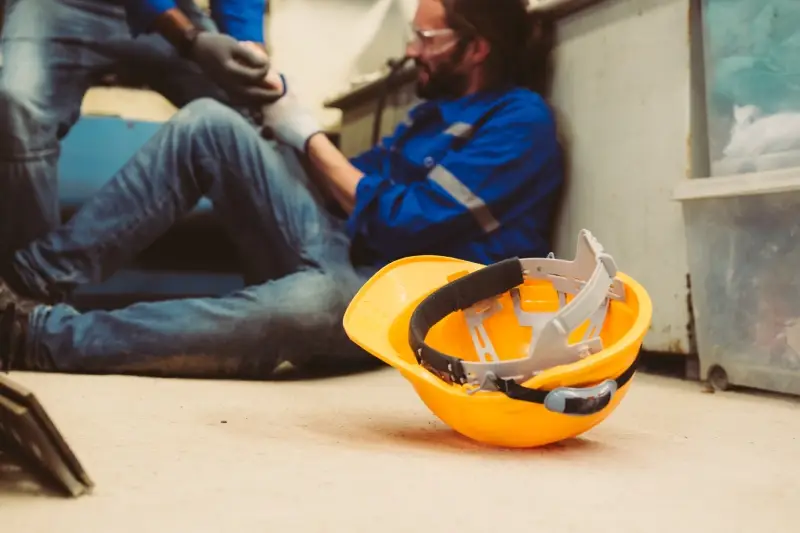
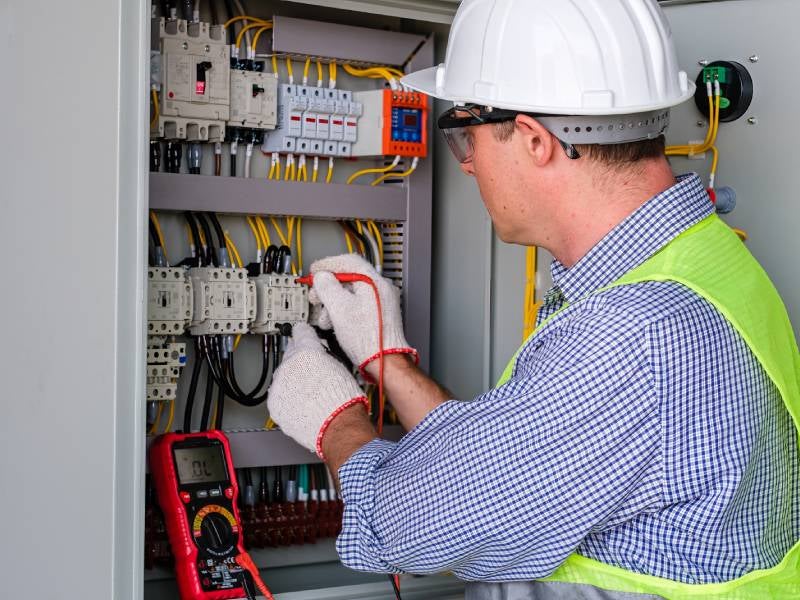
Personal protective equipment (PPE) is an essential part of many workplace environments. Federal law imposes duties on employers to take certain steps to make sure employees have what they need. In the Baltimore area and across the nation, this begins with conducting hazard assessments. Once hazards are identified, employers must also provide any necessary PPE and train employees in how to use it. Sometimes, however, employers fail to live up to their duties to adequately protect employees. One of those employers is the United States Postal Service (USPS). Federal safety regulators have cited the USPS for serious electrical safety violations. The Occupational Safety and Health Administration (OSHA) has proposed $6 million in fines for these violations. Obviously that is a lot of money, especially for an entity like the USPS that has had such financial struggles. But financial struggles do not excuse workplace safety violations. Employees who are harmed by these violations may be eligible for workers’ compensation and other remedies. But the goals of workplace safety laws are not merely to compensate workers for injuries, but also to prevent such injuries wherever reasonably possible. So what types of PPE must the USPS make sure to provide its employees in order to bring electrical safety standards into compliance? The equipment to be provided includes such items as gloves with electrical protection. Under an agreement with the postal workers union and OSHA, the USPS is also required to retrain employees who do electrical work. The USPS must also relabel electrical equipment with appropriate safety warnings and take other steps to ensure improved electrical safety. Source: Workplace Safety News, “ Postal Service improving electrical safety; should you do the same?” July 11, 2013

From West, Texas, to Baltimore: dangerous chemicals in the workplace

From West, Texas, to Baltimore: dangerous chemicals in the workplace

More than 50 years ago, the best-selling book Silent Spring” warned of the dangers of pesticides not only to fish and wildlife, but to human health. The book struck a chord with the public, and some of the worst pesticides were banned. But dangerous and toxic chemicals continue to threaten public health and put many workers at risk. Only two months ago, a terrible explosion at a fertilizer plant in Texas killed 15 people. This explosion was a devastating reminder of just how dangerous and highly combustible chemicals can be — and how important it is to have proper workplace safety protections for workers against toxic chemicals. In Maryland, the Baltimore Sun has been keeping track of chemical incidents in our state. Going back to June of 2001, the Sun has identified 102 instances in Maryland in which an emergency response was necessary. There have been six deaths caused by these chemical incidents. And the number of hospitalizations stands at 156. Of the 102 incidents, nine have affected schools. One of the most serious of these incidents was in 2009 at a middle school in Glen Burnie. The school had to be evacuated after chemical fumes from roof adhesives and coating came into the school due to a ventilation system that had been turned on by accident. Eighteen students had to be hospitalized in that incident. There were even more hospitalizations required after a chemical spill at medical production plant in 2007. In that incident in Elkton, Maryland, 35 people had to be hospitalized after the top broke off of a container holding heptane and butanol. Obviously dangerous chemicals put workers at risk of workplace accidents. An incident like the West, Texas, explosion should therefore be a catalyst for more attention to the dangers of hazardous chemicals in the workplace. Source: Baltimore Sun, “Maryland Chemical Incidents,” June 19, 2013

Contact Us

Fill out this form below and we'll contact you shortly
*Required Fields