Blog / Workplace Accidents

New federal laws proposed to protect workers in the outdoors

New federal laws proposed to protect workers in the outdoors

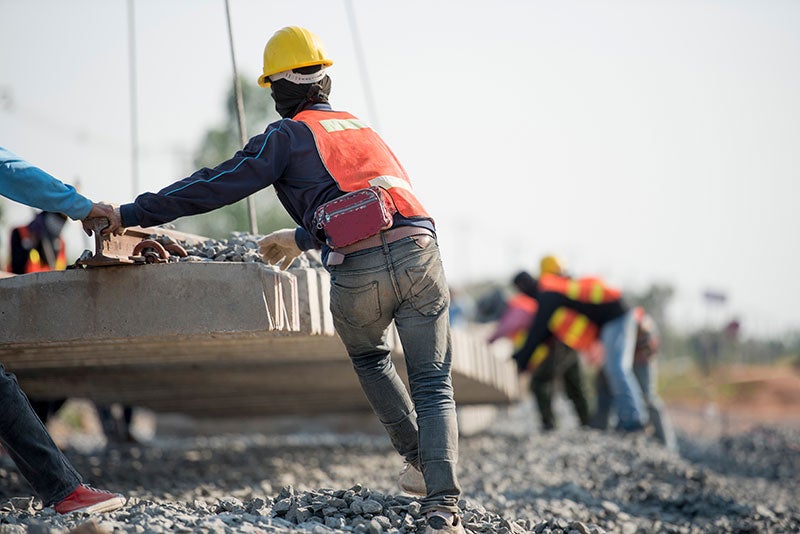
Extreme temperatures–both hot and cold–can be incredibly dangerous for employees who work in the outdoors. There are often devastating consequences, particularly if workers are exposed to extreme heat without proper attire, hydration or rest. Most of the time, those consequences involve tragic fatalities.

There are new federal bills seeking to put an end to these preventable workplace deaths and illnesses.

Employees who work outdoors already have some protections

The Occupational Safety and Health Administration (OSHA) already has some regulations to protect those who work in the summer heat. The Maryland Department of Labor also maintains similar regulations that advise workers to:

  • Take regular breaks in cool places
  • Stay hydrated throughout the workday
  • Stay alert for signs of heat illness

These simple efforts can help prevent workers from suffering dangerous heat illnesses on the job. However, worker fatalities and illnesses related to heat have only increased over the years.

Laws proposed to help workers in extreme weather

National lawmakers recently introduced new bills to create heat stress standards for all workplaces that require workers to be outdoors for long periods. While the article and both of the incidents originated in California, the resulting bills could have a national impact on all workers, including here in Maryland.

An incident where a California worker died after working for 10 hours in 105-degree heat inspired the Asuncion Valdivia Heat Illness and Fatality Act. This bill would require OSHA to create standards and plans that would include:

  • Paid breaks for employees to rest on hot days
  • Training for maintaining health in heat
  • Plans for medical emergencies

Maryland Rep. Jamie Raskin also co-sponsored a bill called the Peggy Frank Memorial Act. Frank was a mail delivery worker who died of hyperthermia in extreme heat. This bill would require all Postal Service delivery trucks–and potentially other delivery trucks–to install air conditioning systems.

If they pass, these two bills could help keep workers safer in extreme temperatures. And as our summers seem to grow hotter each year, these safety measures and protections are more important than ever.

Posted in:

Related Posts

Warehouses Becoming Increasingly Dangerous Places For Workers

Warehouses Becoming Increasingly Dangerous Places For Workers

In the bustling world of online shopping, warehouse workers are the unsung heroes ensuring that consumers receive their products swiftly. The rise of e-commerce has significantly increased the demand for these workers, and the Bureau of Labor Statistics found that 1.8 million people worked in warehouses in 2023. With the rapid pace and high volume of goods moving through shipping warehouses, the risk of workplace injuries has surged. These environments, with their heavy machinery and constant activity at all hours, can be a hotbed for accidents if safety measures are not strictly followed. In fact, a 2023 study by the Center for Urban Economic Development at the University of Illinois Chicago found that half of all Amazon warehouse workers are injured if they work there for more than three years, and 69% have taken unpaid time off due to pain or exhaustion, half them doing so three or more times. Common Warehouse Injuries Injuries and their severity will vary, but these involve the more serious ones that can include long-term disability or death: Forklift Accidents: Forklifts are vital in warehouses but can be deadly. Workers may be struck by or trapped under these vehicles. Slips, Trips, and Falls:Wet floors or misplaced items often lead to these accidents, which can cause severe injuries like fractures or head trauma. Lifting Injuries:Improper lifting techniques can result in musculoskeletal disorders, including herniated discs and chronic back pain. Falling Objects:Improperly stored items can fall, potentially causing concussions or even fatal injuries to workers below. Loading Dock Incidents:Workers can fall from docks or be crushed between docks and vehicles, leading to serious injuries or death. Conveyor Belt Mishaps:Entanglement in a conveyor can cause crush injuries or amputations, particularly when safety guards are not in place. Repetitive Strain Injuries:Constant repetition of tasks can lead to conditions such as carpal tunnel syndrome, affecting nerves and muscles. NBC also recently broadcasted a profile of Amazon workers in California who are dealing with extreme heat during the summer months. Many warehouse workers also work second and third shifts, where fatigue can also play a greater role. These and other circumstantial factors likely contribute to the above causes of the injuries and the need to take unpaid time off. Post-Injury Steps to Take When a worker is injured on the job, reporting the injury and immediate medical attention are the first and foremost steps to be taken. Following initial treatment, understanding one’s rights and the subsequent legal steps is crucial, especially for workers facing long recovery periods (or families dealing with the aftermath of a fatal accident). Filing a Worker’s Compensation or personal injury claim is not just about seeking justice; it’s about securing the financial support needed for medical bills, lost wages, and related expenses during a challenging time. In Maryland, Worker’s Compensation is a vital safety net for those hurt on the job, and it’s important to file a claim promptly to better ensure coverage of these costs. How Worker’s Compensation Is Different Than Personal Injury Worker’s Compensation is an insurance program mandated by the state to provide benefits to employees who suffer job-related injuries or illnesses. This system is designed to help cover medical care, provide wage replacement benefits, and offer vocational rehabilitation if necessary. If there is a permanent injury from the accident or illness then an additional monetary award is made to the injured employee. For families of workers who have died due to a workplace accident, Worker’s Compensation can provide death benefits to help with financial burdens. The purpose of this program is to support injured workers and their families without the need for a lengthy legal battle over liability. Worker’s Compensation is typically a no-fault system, meaning employees need not prove the employer’s negligence to receive benefits and negligence on the part of the injured employee in causing the accident is not a bar to recovery. Benefits to the injured employee are often started quickly after a serious accident. Conversely, a personal injury claim is a legal process where an injured party seeks compensation from those responsible for their injuries due to negligence or intentional harm. Unlike Worker’s Comp, fault must be established, and the claim can result in compensation for pain, suffering, and other damages not covered by Worker’s Compensation. These benefits are paid, in most cases, months or years after the accident in a lump sum either by settlement or court judgement. Precautions that employers can take We’ve established that warehouses are dangerous places for employees. Still, there are several precautions that employers can take to reduce the risk of injuries: Provide proper training on equipment and tools. Implement strict safety protocols and procedures. Encourage regular breaks to prevent fatigue. Maintain a clean and organized work environment. Invest in ergonomic equipment. Conduct routine safety inspections. Promote open communication about safety concerns. Offer incentives for following safety guidelines. Provide access to personal protective equipment. Create a culture of safety awareness and accountability. By implementing these safety precautions, warehouse employers can create a safer work environment for their employees. Employers can also benefit by saving money on insurance costs and reducing disruptions to staff and production. Lawyers Can Be An Ally in Recovery A worker’s compensation attorney plays a critical role in helping injured workers navigate the complexities of filing a claim. From gathering the necessary documentation to representing clients in hearings, an attorney ensures that the injured party receives the maximum benefits they are entitled to. Services provided by these legal professionals include evaluating the claim’s validity, advising on the legal process, and fighting for the worker’s rights against insurance companies or employers who may attempt to deny a legitimate claim. Here in Maryland, warehouse workers and their families do not need to face the aftermath of a workplace injury alone. By partnering with a knowledgeable worker’s compensation attorney, they can focus on recovery and rehabilitation, knowing that someone is vigorously pursuing their legal and financial interests.

Is working in retail a safe option?

Is working in retail a safe option?

Working in retail might initially seem like a safe option, compared to industries where the risks are more apparent like construction or manufacturing. However, the CDC states that retail work poses one of the highest risks for workplace violence. Depending on the environment, you might also be at risk for injuries from everyday hazards, like wet floors, falling equipment, repetitive motions and more. What should you know about staying safe as a retail worker? Beware of slips, trips and falls Slips, trips and falls are common causes of accidents in many retail stores. These can be due to a variety of circumstances, including: Slick or slippery surfaces not properly marked with a wet floor sign Lingering snow or ice in walkways or parking lots in the winter months Ladders that have not been properly extended or set up Broken handrails on staircases If you see a hazard in the workplace, inform your supervisor of this immediately to protect yourself and others. Understand other hazards specific to your workplace Your role might require you to continually lift heavy boxes of product or scan items at a checkout all day. Whatever your role might be, you should understand the hazards associated with this. Lifting heavy objects all day with few breaks can lead to overuse injuries, like those to your back, shoulders, wrists and more. Additionally, you should beware of objects that pose a falling risk if you continually must walk back to a warehouse, for example. Lastly, repeating the same motions day after day can lead to repetitive use or stress injuries like tendonitis or carpal tunnel. These injuries can take time to develop. Regular stretching and breaks from the motion are key to do what you can to prevent the onset of these injuries. Violence in the workplace Violence in the workplace is a threat across all retail stores, whether you work at a grocery store, clothing store, gas station or another business. It is important to know the protocol for what to do in an emergency, as well as to ensure that the area you work in is well lit, doors that should be locked remain locked and security cameras are fully functioning. If you suffer an injury while working in a store, understanding how to claim workers’ compensation insurance will be crucial to ensuring your costs are covered.

High-risk activities that can lead to workplace amputation accidents

High-risk activities that can lead to workplace amputation accidents

A workplace accident can lead to amputation in one of two ways: 1) you could lose a limb in the actual accident or; 2) the event could leave you with injuries so severe that surgeons have little choice but to amputate afterward. According to the U.S. Bureau of Labor Statistics, machinery was involved in 58% of workplace amputations in 2018. Serious accidents that lead to amputations can happen due to a wide range of incidents. Hazardous activities and equipment Accidents that can lead to an amputation can happen in many different industries, from construction to restaurants. OSHA states the following activities and equipment pose the greatest risks for amputation when left “ unguarded or inadequately safeguarded”: Mechanical power presses and power press brakes Conveyors, both powered and non-powered Food slicers and meat grinders Drill presses Milling machines Table and portable saws Printing presses Workers can lose a finger, hand, toe, foot or more through compression, crushing or getting stuck between objects. Workplace-related amputations accounted for 6,200 missed days from work in 2018, with the median recovery time for an injury lasting 31 days, according to the Bureau of Labor Statistics. How can workers stay safe? Employers have a responsibility to protect employees from workplace hazards. Safeguarding high-risk machinery and providing regular employee safety training are critical to lessening the risk of serious accidents. OSHA states two clear ways to safeguard stationary or portable machinery: Guards: These provide secure physical barriers to the hazardous part of the machinery. Devices: These can be used in place of or in addition to guards and can prevent dangerous contact. The loss of a limb can be catastrophic. Depending on the severity of the accident, you may be unable to return to work or at least to your exact position. Workers’ compensation can provide injured workers with the compensation they need to recover from a serious accident.