Blog / Workers' Compensation

Blog

All Workers' Compensation Car Accidents Workplace Accidents Workplace Injuries Construction Workers' Accidents Medical Malpractice Industrial Workers' Injuries Product Liability Personal Injury Truck Accidents Firm News Wrongful Death Uncategorized
Can you pick your own workers’ comp doctor in Maryland?

Can you pick your own workers’ comp doctor in Maryland?

When you’re injured on the job in Maryland, you have a right to expect medical care through the workers’ compensation system. Fortunately, unlike many states, Maryland workers enjoy broad rights when it comes to seeking and receiving such medical care. Here are answers to a few important questions: Can your employer force you to pick a preferred physician? Your employer may have you go to a medical clinic or doctor immediately after an accident. Those doctors may assess you but may not actively treat you without your consent. Once the initial medical treatment is rendered you still have a right to choose your own physician for any active or extended treatment. The Employer or an Insurance Adjuster may try to pressure you to stay with their selected medical provider. You may decline and seek medical treatment from a physician of your choosing who accepts Workers’ Compensation cases. Can any doctor treat you for a work-related injury? Workers’ comp claims are governed by the Medical Fee Guide and there are a lot of rules that must be followed when making a claim and submitting a bill for treatment. Some medical practices simply don’t want the hassle, and some don’t have the time. When you make an appointment to see a doctor, make sure that you ask whether they accept patients with work-related injuries. What if there are questions or conflicts about your care? You may be asked by the Employer’s Insurer to submit to an independent medical examination by a third-party physician. This is usually done when there are questions about a doctor’s evaluation or the severity of your condition and your ability to return to work. A refusal to submit to the independent exam will automatically put your benefits in danger. Workers’ compensation is supposed to be an easy process, but it doesn’t always work out that way. If you’re having trouble getting the benefits you need, learn more about your legal options. Contact an attorney whose practice concentrates in the area of Workers’ Compensation.

What should you do after a workplace accident?

What should you do after a workplace accident?

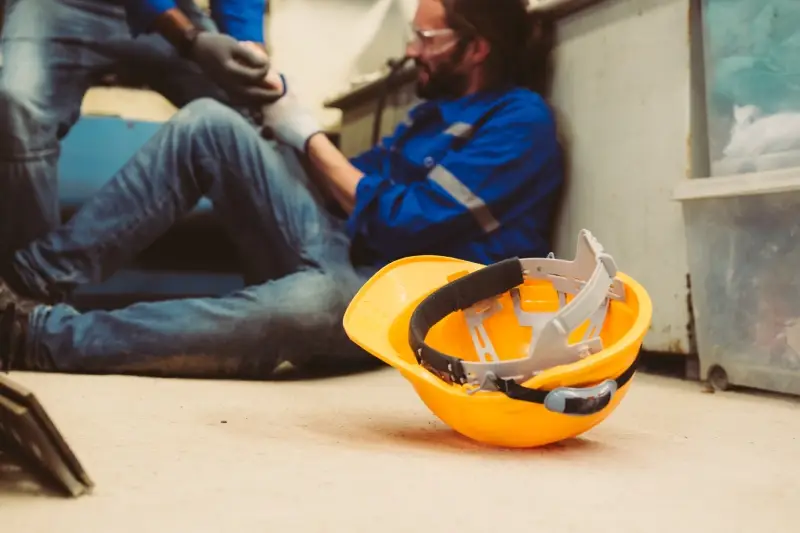
When a workplace accident happens that leaves you seriously injured, one of the first concerns you might have is how to make ends meet financially while you recover. Medical costs can add up quickly and the possibility of being unable to work even temporarily can exacerbate financial concerns. Workers’ compensation can provide the necessary financial resources you need during this time. But, the process to recover workers’ compensation can become complicated depending on the steps you take following an accident. If you are hurt on the job, here are four things you need to do right away: 1. Inform your employer This is one of the most important things you should do after your workplace accident. While Maryland laws provide a 10-day window to notify your employer of the accident, generally the sooner the better is advisable.  Notify your Supervisor immediately after an injury. Waiting too long may raise doubts about the circumstances that led to your accident since your employer may claim that you were injured off duty. In addition, you may forget crucial details about your accident, which can be critical to your claim. Seeking medical attention will likely take precedence in the event that you need emergency care, but informing your employer as soon as possible is important as quickly as you are able. 2. Document your accident If possible, collect as much evidence as you can about what happened. The information listed below is crucial in supporting your workers’ compensation claim: What you were doing when the accident happened Photos of your injuries The date and time of the incident Statements from colleagues who witnessed the accident Who from the Employer, did you notify and when? Providing vague or insufficient information, combined with little documentation, can delay your claim or even result in a denial. While appealing a denial is possible, it is much more efficient to provide the necessary information upfront and be as thorough as you can be. 3. Seek medical attention Seeking medical attention is also an important part of workplace accident claims. A doctor will formally document the nature of your injuries and their extent. They will also determine whether you can continue working in your condition, all of which is vital to your claim. Seeking immediate medical care might be obvious in a situation where the injuries are apparent or catastrophic, like falling on a construction site or a forklift injury at a manufacturing facility. However, sometimes the extent of your injuries might not be immediately apparent. If you were involved in a workplace accident, it is advisable to seek medical care to document your injury and your ability to return to work. Some conditions take hours or even a few  days to surface and a doctor’s opinion is necessary to causally relate your injury and ability to work to the work injury alleged, as well as the need for further treatment. 4. File a claim You also need to file a claim with the Maryland Workers Compensation Commission. The claim must be filed within 60 days or risk a dismissal unless there are compelling reasons which prevent you from doing so. The sooner a Claim is filed the sooner benefits can be claimed from the Workers’ Compensation Insurer. Getting the compensation you deserve It is always advisable to seek help rather than go it alone, especially if you are unsure of what you need to do. Any mistakes in your paperwork or missing any of these steps could harm your claim or cause unnecessary delays. It may be beneficial for the injured worker to seek legal advice from an attorney with experience in Workers’ Compensation.

Unraveling two confusing workers’ compensation phrases

Unraveling two confusing workers’ compensation phrases

Although workers’ compensation is available nationwide for those injured at work, each state has unique laws that govern the proper filing of claims. Many of these laws look similar from state to state, but there are important differences that employees and employers should understand. If this is your first time navigating the Maryland workers’ compensation system after suffering an injury at work, it serves your best interests to learn as much as possible. An ideal way to start is by deciphering the complex language contained in workers’ comp laws. “Out of” and “in the course of” employment The phrases above appear to say the same thing, but they are two separate terms critical to a successful claim. For an injury to arise “out of” employment, the injury must have occurred from exposure to the risks inherent to the position. For example, a warehouse job that requires continual heavy lifting naturally poses the risk of occupational back injuries. If a worker hurts their back while performing their job requirements, it is compensable because it arose out of their employment. The phrase “arising in the course of employment” has a somewhat different meaning. Rather than the job position requirements, this term focuses on when, where and how the injury occurred. So long as the injury occurred during a work shift, on a designated work site and is related to the job, it arose in the course of employment and is likely compensable. The importance of understanding these terms As you can see, workers’ compensation laws contain legalese that most injured workers might not immediately understand. Such language is necessary to define how the system functions per the law, but remember that legalese typically differs from region to region. We urge you to learn more about Maryland workers’ compensation laws to ensure your claim provides you with the benefits you deserve after a work injury. An experienced attorney can help you understand the terms important to your situation and what to expect.

What parents should know about teens, safety and workers’ comp

What parents should know about teens, safety and workers’ comp

Teen workers play a crucial role in all kinds of Maryland workplaces – particularly throughout the summer and holiday season. If your teen is one of these temporary workers, it is important for you and them to know that they have the same rights to a safe and healthy work environment as every other employee does. The fact that teens may only be working part-time or temporarily does not minimize any of those rights. However, many teens hesitate to speak up if they see a health or safety hazard. Maryland Occupational Safety and Health (MOSH) reminds teens that they cannot legally be terminated or penalized in any way for r eporting a health or safety problem. Teens are at a high risk to suffer workplace injuries Too often, employers don’t spend enough time training teen employees on safety protocols. This can be a recipe for disaster not just for young employees but for others in the workplace as well. Teen workers are among those most likely to suffer an injury, in part due to their lack of experience. Too often, however, teens don’t report injuries because they don’t consider them serious, fear losing their job or don’t realize that they have the right to seek workers’ compensation benefits. Steps employers should take to protect teen employees MOSH describes several steps employers of teen employees must take to ensure a safe workplace for all: Comply with state and federal labor laws regarding minors in the workplace. Ensure teen workers are both properly trained and supervised. This includes instructing their immediate supervisors of proper safety protocols to ensure they are sufficiently looked out for at all times. Develop a work injury and illness prevention plan that can help identify any issues in the workplace. Often, safety hazards can be proactively addressed through planning and considering things like workplace layout. Help younger workers understand the safety risks they may be exposed to in the workplace. Teenage workers may have little work experience and require proper training to understand safe work practices. Taking these four steps can help prevent injuries in the workplace for teenage workers. Parents should also help their teens understand the steps their employer should be taking and encourage them to speak up if more training is needed. Know the workplace laws for minors There are also certain things that employees under 18 cannot legally do in the workplace – like operating particular types of equipment or heavy machinery. There are also federal and state laws regarding work hours and prohibited occupations for those under 16. In most cases, teens under 18 in Maryland are required to have a work permit to get a job. The state’s workers’ comp laws carry serious penalties for employers who do not require this permit if a teen is injured or worse. If your teen has suffered a work-related injury or illness, don’t let them be told that they cannot obtain the compensation to which they’re entitled because of their age or because it’s “just” a temporary or part-time position. You may need to seek legal guidance to get the benefits they’re due under the law.

Has your knee been injured in a work-related fall?

Has your knee been injured in a work-related fall?

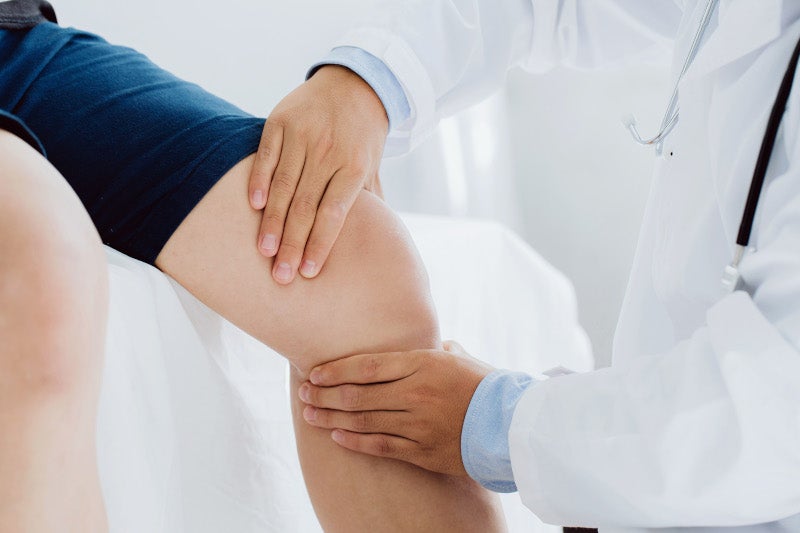
Unpredictability is one of the most dangerous things about falls. They can happen to anyone at any time, including in the workplace. Many times, you may be able to simply dust yourself off after a fall and get on with your day. Sadly, however, this is often not the case. Falls can be hard on your knees, and the resulting injuries can be serious. Outlined below are some of the more severe knee injuries associated with work-related falls. Damaged ligaments Torn ligaments are among the more serious and painful knee injuries that can result from a fall. The knee is comprised of four ligaments: the anterior cruciate ligament (ACL), the posterior cruciate ligament (PCL), the medial collateral ligament (MCL) and the lateral collateral ligament (LCL). Ligaments help the knee move forward and backward, as well as to rotate from side to side. Because each of these ligaments has a distinct function, damage to any of them can be painful and limit your mobility. Surgery and an extended period of recovery are often the only way to get better after ligament damage to avoid chronic pain issues. Dislocations During a fall, your knee may be manipulated and twisted into positions it is not designed to be in. This can result in a dislocation, which is very painful and can be difficult to treat. As a general rule, the sooner you seek medical treatment after this type of injury the better. Depending on whether or not there is nerve damage, you may require multiple surgeries before you can get back on your feet. If your knee has been injured in a fall at work, then you may be entitled to compensation for your pain and suffering. This won’t undo the damage, but it will help you to stay on top of your finances while you recover and are unable to work. Seeking legal guidance will offer you the best possible chance at obtaining a just outcome in your case.

Has your knee been injured in a work-related fall?

Has your knee been injured in a work-related fall?

Unpredictability is one of the most dangerous things about falls. They can happen to anyone at any time, including in the workplace. Many times, you may be able to simply dust yourself off after a fall and get on with your day. Sadly, however, this is often not the case. Falls can be hard on your knees, and the resulting injuries can be serious. Outlined below are some of the more severe knee injuries associated with work-related falls. Damaged ligaments Torn ligaments are among the more serious and painful knee injuries that can result from a fall. The knee is comprised of four ligaments: the anterior cruciate ligament (ACL), the posterior cruciate ligament (PCL), the medial collateral ligament (MCL) and the lateral collateral ligament (LCL). Ligaments help the knee move forward and backward, as well as to rotate from side to side. Because each of these ligaments has a distinct function, damage to any of them can be painful and limit your mobility. Surgery and an extended period of recovery are often the only way to get better after ligament damage to avoid chronic pain issues. Dislocations During a fall, your knee may be manipulated and twisted into positions it is not designed to be in. This can result in a dislocation, which is very painful and can be difficult to treat. As a general rule, the sooner you seek medical treatment after this type of injury the better. Depending on whether or not there is nerve damage, you may require multiple surgeries before you can get back on your feet. If your knee has been injured in a fall at work, then you may be entitled to compensation for your pain and suffering. This won’t undo the damage, but it will help you to stay on top of your finances while you recover and are unable to work. Seeking legal guidance will offer you the best possible chance at obtaining a just outcome in your case.

Who should treat me for my injury?

Who should treat me for my injury?

Suffering an injury at work is a stressful experience. Not only are you dealing with the pain and physical toll of the injury, but you’ll learn to navigate a new normal where you might need potentially significant time off from work. One of the biggest concerns that injured workers face is wondering whether they will lose their jobs if they are out for a long period of time. They may be concerned that they will be pressured into returning to work before they are fully healed simply because their boss says they are needed. What should workers know about when to return to work? The decision is up to a doctor From the moment that you file a workers’ comp claim, a doctor will be the person who determines when you are ready to return to work. Even if your employer is pressuring you to return, you must be cleared from a treating physician, first. If you have been treated by an Employer-Directed medical provider you may be advised to return to work before you feel your injuries have sufficiently healed and believe you can perform your job duties safely without further aggravating the work injury. It may be advisable to contact your personal physician when injured and to have him/her treat you for your injuries rather than the Employer-Directed medical provider. Your doctor will be paid by the Workers’ Compensation Insurer. Your doctor will need to document your injuries and the causal relationship between your injuries & need for treatment from the work-related accident. The doctor will also need to document your ability to work. If the doctor, at some point, believes you could return to “light duty” work, then they need to be specific as to your physical restrictions upon a return to work, ”light duty”. If you do not have a personal physician an attorney may be able to assist you in finding a physician to treat your injuries. Returning to work before you are physically able can pose risks of re-injuring yourself or undoing the progress you’ve made toward your recovery. Keeping in occasional contact with your employer or direct supervisor can be a good idea throughout your recovery period. This can help them to stay up to date with your progress and understand a general timeframe of when to expect you back, once you have a clearer picture of what this looks like. Other things to consider While it is illegal for your boss to fire you because you filed a workers’ compensation claim, they are not required to hold your exact job open while you are out. If they determine that keeping your job open while you are recovering will create a hardship for the company, they can find another person to fill the position. If FMLA is applicable to you then your company must keep your position available for 12 weeks of your absence before terminating you. If your job is held open for you and you have been given clearance to go back to work by your doctor, have a chat with your employer before you return. Make sure that they understand any temporary or permanent medical restrictions you have been given and whether you can perform your job with these restrictions. If you are unable to return to your previous job due to permanent work restrictions then you may be entitled to Vocational Rehabilitation Services. Should you find that you are being pressured to return to work before you are healed, or permanent work restrictions prevent you from performing your job then consider discussing the matter with an attorney who understands workers’ compensation law in your State.

A closer look at nail gun safety

A closer look at nail gun safety

Nail guns are a common sight in workshops and construction sites across Maryland. When used appropriately, they can increase productivity and efficiency at work. However, it is important to remember that nail guns are a powerful piece of equipment. According to the CDC, nail guns result in 37,000 emergency room visits annually and 68% of these visits involve workers. It only takes one small error or malfunction for something to go horribly wrong. Outlined below are a few examples of how nail gun accidents can occur. Faulty equipment Any tool that has the potential to be dangerous must be routinely maintained. Older equipment is more likely to malfunction. Usually, nail guns have safety mechanisms in place, such as guards. If these are bypassed or missing, then it makes an accident and injury much more likely. Underestimating the power Nail guns can penetrate all sorts of tough materials, especially wood. If a piece of wood is not very thick, it’s possible that the nail could penetrate all the way through to the other side, catching the nail gun operator off guard and posing injury risks. Nails can also ricochet when using the tool on certain surfaces like metal. When this happens, the nail essentially becomes a missile that can penetrate flesh and cause serious damage to the eyes. Preventing nail gun injuries Employers have a legal duty to ensure that workers are as safe as possible. This includes taking preventative measures like maintaining tools, providing appropriate safety gear and facilitating adequate training. Proper training is especially important, both for new and experienced workers. This can help workers understand the tool’s different triggers, how to hold and load the nail gun, what to do when it malfunctions and more. If you have suffered an injury on the job, then you may want to consider your options regarding workers’ compensation. An experienced attorney can help you understand your next steps.

Workplace ergonomics: 4 posture-related workplace injuries

Workplace ergonomics: 4 posture-related workplace injuries

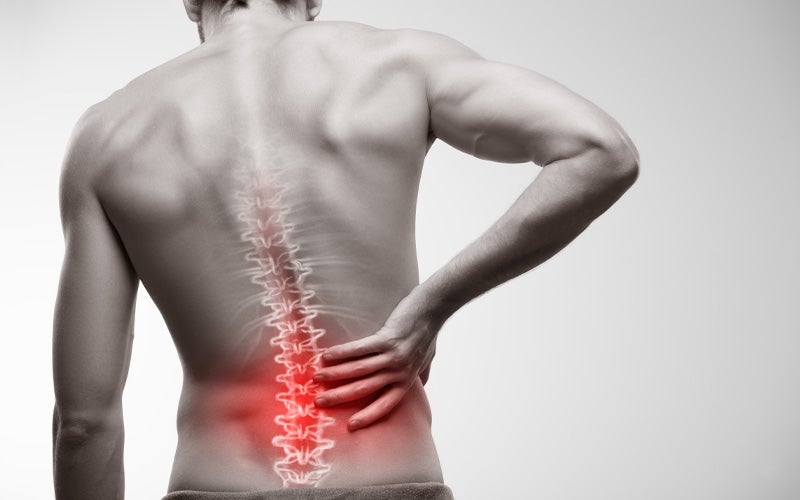
Poor posture at work is one of the major causes of work-related injuries. Ultimately, this can result in poor employee health and low productivity. Injuries associated with poor posture are generally referred to as ergonomic injuries. Ergonomic injuries can be acute (stemming from a single incident of trauma) or chronic (those that build up over time.) Essentially, these injuries affect the victim’s musculoskeletal function. Here are four types of ergonomic injuries that you can sustain at work. Tendinitis This is a general term that describes inflamed tendons – the thick fibrous tissues that attach muscles to bones throughout the body. Left untreated, tendinitis can hinder your ability to move or work. This type of injury is common among workers whose occupations involve lots of physical exertions. Carpal tunnel syndrome (CTS) Common among workers who sit for extended hours, carpal tunnel syndrome happens when the muscles and tendons around the wrist are inflamed due to strains and poor mechanics. At its onset, most people will feel numbness or tingling on the wrist, which can escalate to pain and muscle stiffness if left untreated. Lower back pain Most American adults report experiencing lower back pains at some point. Lower back pain can be debilitating for workers in the shipping or manufacturing industries whose jobs are physically demanding. Lower back pain can occur due to excessive fatigue, exertion or use of equipment and furniture that cannot sustain the worker’s weight. Neck and shoulder injuries Injuries to the neck and shoulders can greatly impact your movement. Workers are likely to sustain neck injuries if they spend several hours in a straining position while working. Likewise, shoulder injuries tend to happen when workers lift heavy objects above their heads. Workers who spend several hours with shoulders lifted high are also likely to strain their neck and shoulder muscles. Workplace injuries can greatly impair your ability to be productive. Knowing your rights if you are hurt at work can help you pursue the right compensation you deserve for your condition.

Four risks nurses face at work

Four risks nurses face at work

Nurses dedicate their careers to helping and caring for others when they are ill or injured. However, hospitals expose nurses and all types of healthcare workers to considerable risks in terms of occupational illnesses and injuries. In fact, according to the Bureau of Labor Statistics, in 2016, RNs within the private sector experienced about 19,790 days away from work due to injury and illness. This occurred at a rate of 104.2 cases per 10,000 full-time workers, which is substantially more than the 91.7 cases per 10,000 workers for all occupations. Contracting illness is far from the only risk you face Here are several common reasons nurses need medical treatment and time off work: Overexertion and repetition: Back injuries are common among nurses due to the constant need to bend down, lift and move patients. Filling out reports and charts at a computer is also part of the job, and you can suffer the same repetitive strain injuries that many office workers experience. Stress: Aside from the toll being a nurse can take on your body, it can also tax your mental wellbeing. Some of this is due to seeing people die or suffer. Some might be because of the long hours and irregular shift patterns your employer asks of you. The staffing shortages that so many hospitals face only add to this strain as you take on more work to cover absent colleagues. Physical violence: Assault or violence stemming from a wide variety of circumstances is also a threat to nurses. Unhappy patients, as well as stressed or grieving family members and other loved ones, can become aggressive and act with anger toward staff. Sharps: Scalpels, scissors and syringes are all necessary but dangerous tools in hospitals. The risk of cuts and stab wounds is a real worry, but the consequences could be even worse if the instrument is infected because it has been in contact with a sick patient. If you are injured at work, you need to prioritize your health. Reacting swiftly and understanding your options for pursuing a workers’ compensation claim will be crucial to providing you with the financial security you need while you recover.

Federal judge dismisses wrongful death suit against employer

Federal judge dismisses wrongful death suit against employer

The pandemic has brought to the surface numerous complicated issues that people do not know how to resolve. For instance, the issue of whether an employer is responsible for the death of an employee’s family member after contracting COVID-19 remains thorny and controversial, especially in light of a recent negligence lawsuit. Bringing work – and COVID – home The case involves a Maryland flight attendant reportedly required by her employer Southwest Airlines to attend a mandatory, in-person safety training in July of 2020. It was at this training that the flight attendant was allegedly exposed to the coronavirus. She says that her employer failed to take the necessary precautions to keep people safe, even though this was at the height of the pandemic when the dangers of the virus and preventative measures were well known. She returned home after the training and tested positive for COVID-19. Days later, her husband also tested positive. Less than a month later, her husband died from COVID-19. The flight attendant brought a wrongful death claim against Southwest Airlines, arguing that they failed in their duty to protect workers from the virus. “Opening the floodgates” Unfortunately, a federal judge recently dismissed the case, citing concerns that ruling otherwise would be “opening the floodgates” for similar lawsuits. The case was not simply a matter of whether the airline had a duty and failed to take reasonable precautions to protect training participants from being exposed to COVID-19. Rather, based on Maryland court precedent, Southwest Airlines did not have duty to the husband of the employee who contracted COVID and ultimately passed away. The judge noted that such liability exposure for spousal relationships would pose a risk of generating an unreasonable amount of claims. There have been similar cases brought against employers after employees and their loved ones have gotten sick or died as a result of occupational exposure to COVID-19; however, such claims fall under Worker’s Compensation laws, rather than traditional tort law. Cases involving wrongful death claims, workers’ compensation and negligence are intertwined, and the serious illness and death in the wake of COVID-19 create a complicated landscape for injured individuals and their families. As a result, it is important that should someone believe they were exposed to COVID-19 at work or due to another’s negligence, they should consult an experienced attorney to discuss their rights.

Get hit on the head at work? Know the signs of concussion

Attacked at work: Can you collect workers’ compensation?

Not liking your co-workers and the people you work around can make your job less enjoyable; being afraid of them because they are dangerous is another story. In these situations, your safety – and your life – could be at risk. Violence in the workplace is far too common in the U.S. In fact, it is the third leading cause of fatal work accidents, according to the Occupational Safety and Health Administration (OSHA). Attacks and assaults No workplace is completely safe from the risk of violence. Even working in a school can prove to be dangerous. For instance, a Maryland cafeteria worker suffered an attack by a female student while she was at work. The assault left her with long-last injuries to her head and wrist. For three years, she has been dealing with the repercussions of the assault. While some of these acts are unpredictable, there are several ways to prevent attacks on the job. Such options include: Having a secure system in place for reporting harassment, threats and other potentially troubling acts Taking a zero-tolerance approach to violent acts (e.g., firing workers who have made threats or been violent or banning violent individuals or customers from a business) Installing physical barriers to protect workers from attacks Providing training to identify early warning signs of violent behaviors These precautions can help prevent workplace assaults and get help to anyone who does get hurt in an attack on the job. Seeking support and financial remedies If you suffer injuries in a physical attack at work, the attacker may face civil and criminal penalties for their conduct. In addition, even though the other person is responsible for your injuries, workers’ compensation benefits can also be available. Workplace violence is frightening and upsetting; it can also be stressful. If you are experiencing the physical or emotional impact of being in a threatening environment, getting support is crucial. You can discuss your options with your doctor, employer, and attorney to protect yourself and your health.

Contact Us

Fill out this form below and we'll contact you shortly
*Required Fields