Blog / Workers' Compensation

Blog

All Workers' Compensation Car Accidents Workplace Accidents Workplace Injuries Construction Workers' Accidents Medical Malpractice Industrial Workers' Injuries Product Liability Personal Injury Truck Accidents Firm News Wrongful Death Uncategorized
How much financial support can I receive after a work accident?

How much financial support can I receive after a work accident?

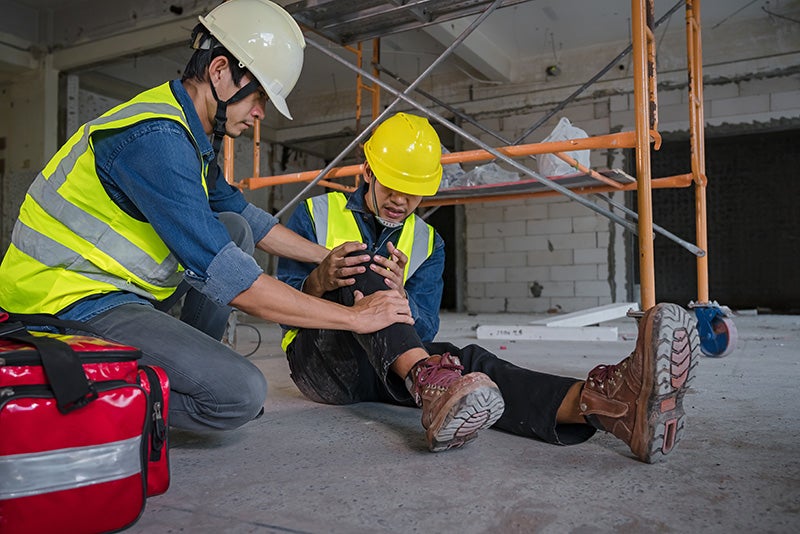
One of the main concerns injured workers have after a workplace accident is whether they will be able to support themselves and get the care they need if they cannot work because of their injuries. However, most employees are eligible to collect workers’ compensation benefits. But just how much money might a person receive? Medical care coverage Workers’ compensation benefits cover the medical care you need as a result of your injury. This can include: Surgery Rehabilitative services Nursing services Hospitalization Prescription medications Medical devices and equipment, such as crutches Prosthetics Workers’ compensation covers these expenses for injuries and illnesses related to a person’s work without any co-pays or deductibles. Wage replacement If a worker cannot work because of an injury, the workers’ compensation insurance carrier must cover a portion of a worker’s wages while the person is out of work. Employers or insurers may also reimburse covered workers for any time they had to take off to go to a doctor’s visit at the employer’s request. Note that these benefits do not entirely replace a person’s income. Depending on whether the injury is permanent or temporary and whether it is a total or partial disability, a person receives a portion of their average weekly wages. Generally, this amount is either two-thirds their average weekly wage while they are completely unable to return to work or when an employer is unable to accommodate light duty while an injured worker is under medical care. It is important to note that there is a maximum amount a person can collect. In Maryland, each year the State maximum is adjusted based on the State Average Weekly Wage. Additionally, workers’ compensation can also cover expenses like mileage, vocational rehabilitative services, and death and funeral benefits if the injuries were fatal. Other compensation sources These benefits can be crucial in helping injured workers and their families get the care they need after a work accident. However, there are times when additional compensation can be appropriate. Knowing how much a person can receive through workers’ comp and legal claims after a work-related accident is crucial. Contacting an experienced attorney will enable workers and their families to understand all the financial remedies available to them.


Proper ventilation in the workplace is critical

What must I prove to collect workers’ compensation?

Getting sick or hurt at your job could mean you are eligible to receive workers’ compensation benefits. These benefits, which can replace lost wages and cover medical expenses, can be crucial to the welfare of workers and their families. Thus, filing a successful workers’ comp claim is crucial. To do so, you will need to provide the following pieces of information. Evidence linking injury to your work For a person to be eligible for workers’ compensation, they must show that their injuries or illness happened at work or in the course of employment. In some cases, showing this is simple. For instance, if you fell off of a ladder while reaching for something in the supply closet at work, that would be easy to show as an injury suffered on the job. In other cases, the connection is not that straightforward. For example, you might have back pain that has gotten worse over time and isn’t solely the result of work, which can complicate things. Injured workers also will need a medical provider to indicate with a reasonable medical certainty or probability that the work need for medical care and injuries are causally related to the work-related accident. Meeting other eligibility requirements Per Maryland workers’ compensation benefits, you must be an employee to be eligible for workers’ compensation benefits. You may think you are an employee, but there are situations where employers will misclassify someone or hire them as a contractor instead of an employee. Whether you realize it or not, you may not be covered by your employer’s insurance. Further, benefits can be denied to people if they intentionally caused their injuries or if they were drunk or impaired at the time of an accident. And finally, even if an employee notifies an employer immediately following an accident, if an employee fails to file a proper Claim within two of the date of the accident or two years from actual knowledge of an occupational disease, the injured worker could be timed barred from receiving coverage. Preparing your claim – and yourself Collecting all this information can be daunting, and you may not know where to look for what you need. Because of this, it can be helpful to consult an attorney when you are preparing to file for benefits. Additionally, there is often an emphasis on documentation and specific documentation to ensure a Claim is supported. Experienced counsel are crucial to ensuring all necessary documentation is obtained to either resolve issues with an employer and its Insurer, or present an argument at a hearing. When you know what to expect when applying for workers’ compensation benefits, it can be easier to obtain the benefits you need for your recovery.

Returning to work? How employers can protect against COVID-19

Returning to work? How employers can protect against COVID-19

Returning to work? How employers can protect against COVID-19 Whether workers are ready or not, businesses across Maryland are opening back up and returning to a new normal in terms of their operations. In many cases, this means welcoming workers back in person. If you are returning to work in the coming weeks and months, you should know the precautions your employer is taking (or should be taking) to keep workers safe from COVID-19. Mandated vaccines Employers can choose to require employees to be vaccinated before coming to work. If they do so, they should prepare to offer accommodations to workers who cannot be vaccinated and have a reason for why vaccination is essential to worker safety. Personal protective equipment Wearing protective clothing and gear can prevent the spread of all types of illnesses, including COVID-19. Therefore, workers may still wear face coverings on the job. Businesses can even require workers to wear masks to reduce the spread of COVID-10 in the workplace, despite Maryland lifting mask mandates. Changes to workplace operations The workplace could look different when you return. You may see protective dividers, social distancing measures or reduced capacity. These measures can make transmission of COVID-19 less likely and prevent workers from getting sick at work. Employers may also enforce new protocols for handwashing, staying home when sick and sanitization practices. And even if employers do not require these measures, individual employees may decide to do these things until they feel safe. What can employees do if they are worried about contracting COVID-19 at work? If none of these precautions are in place, or if some are, but you are still worried about getting sick at work, you can express your concerns to your employer. In some cases, they may approve remote opportunities and other arrangements to protect you from possible exposure risks. The fact is that, while the claims can be more complicated than other illnesses, COVID-19 can be an occupational disease eligible for workers’ compensation benefits in Maryland. Thus, employers should have measures in place to protect employees. Note that regulations and guidance regarding COVID-19 continue to change as we learn more and increase vaccination rates. Therefore, if you have questions about employer responsibilities and safe work environments, it can be wise to consult an attorney.

Staying safe on Maryland waterways this season

Staying safe on Maryland waterways this season

Staying safe on Maryland waterways this season Boating season is upon us, which means people are getting out on the waterways more and more across Maryland. Whether you work on the water in your profession or you are a recreational boater, now is an excellent time to revisit some crucial safety tips. Safety first to prevent boat accidents Being in or near the water can come with several risks, including drowning and getting injured by boating mechanisms. Thus, some of the ways you can stay safe this season include: Having and wearing appropriate floating devices and life jackets Refraining from using drugs or alcohol while on or around the water Performing regular boat maintenance Using lights and reflective clothing to ensure you are visible to others Obeying speed limits and wake restrictions Having the proper training to operate commercial or recreational vessels Avoiding distractions when navigating or directing a boat These tips can be crucial for everyone to remember, from seasoned marina workers to recreational boaters who occasionally head out to fish or ski. Working on the water If boating or working near the water is part of your job, you will also want to review your employer’s safety policies. If you are worried that your employer is not complying with water-related regulations or enforcing safe practices, you might file a complaint or take legal action if you suffer damages resulting from unsafe workplace conditions. Further, if you do suffer an accident on the job, know that there may be financial compensation available to help you recover. These benefits can be crucial for people who suffer brain injuries, slipping accidents and mechanical burns and for families of drowning victims. Practicing safety on Maryland waterways is vital for everyone, and now can be an excellent time to make sure you – and your boats – are ready. However, it should be noted that accidents on the water may be covered by different types of law, relating to the maritime issues.

5 of the most dangerous types of landscaping equipment

5 of the most dangerous types of landscaping equipment

During the warm months, people across Maryland are eager to get their lawns looking good. Whether business owners and homeowners do this work themselves or hire professionals, it is essential to know that there are serious hazards that can come with landscaping. For instance, often, powerful equipment and machines are necessary to complete the work. And, when they break or malfunction or when someone does not operate them properly, severe accidents can happen. Some of the most dangerous examples of landscaping equipment include: Lawnmowers Hedge trimmers Chain saws Nail guns String trimmers These machines can be powerful and sharp. They are designed to do things like chop, cut and drive, and often they use electricity or gas-powered engines. These elements make them capable of causing catastrophic injuries in the event of an accident. If you use this equipment, or if someone working on your lawn uses them, it can be crucial to use safety precautions. Such measures can include: Having equipment inspected and repaired by professionals Wearing protective gear like gloves, goggles and hardhats Reading the manual to operate the machine Participating in available training before operating the equipment Giving operators plenty of space when they are using a machine Stop using equipment with faulty electrical cords immediately Too often, people fail to realize just how dangerous these machines can be. They might overestimate their abilities or minimize the risk of injury, particularly if they use the equipment all the time or they have been using it for years. However, every time you operate landscaping equipment, there is the potential for an accident to occur. Whether that accident occurs in your front yard or while you are on a job site, it can result in burns, severe lacerations or even amputation. Rather than put yourself and others at risk, it can be crucial to prioritize safe equipment practices when working on a landscaping project.

Challenges with proving an injury is related to your work

Challenges with proving an injury is related to your work

One obstacle people might encounter when they are pursuing workers’ compensation benefits is establishing that their condition occurred out of and in the course of their employment. In situations where there is a single accident, witnesses and an injury that is a direct result of the incident, proving it is related to work can be straightforward. However, there are several scenarios where it is more complicated. Chronic conditions Conditions like carpal tunnel syndrome, rotator cuff injuries, and spine conditions can develop over time.  It is possible that the conditions may not be strictly related to a person’s job. Thus, making the connection between an illness or injury and work can be difficult when other factors unrelated to an occupation could be involved. Critical to compensability is whether or not a physician can provide an opinion indicating that the condition is at least in part related to the injured worker’s occupation. Injuries off the clock or off-site An injury does not necessarily need to happen on a job site or during work hours to be compensable. However, those that do not can be more complicated to prove for the sake of workers’ compensation benefits. Per state laws, an accidental injury must arise out of and in the course of employment. These are different metrics, but essentially they mean that a person must show that work conditions exposed them to a risk of an accident. And, the injury must occur while a person was at work and at a place where work was being performed. These can be challenging requirements for people who work odd hours, off the clock or in multiple locations. That considered, accidents on employer designated parking lots before or after work hours, or accidents while on a business trip, even when business is not being conducted, are often considered compensable under Maryland law. Employee’s actions While an employee need not prove negligence or fault to receive workers’ compensation benefits, an Employer/Insurer may raise the defense of willful misconduct. Willful misconduct occurs when workers who were intoxicated, roughhouse, impaired or acting recklessly in situation they were trained not to engage in . Overcoming these obstacles These situations can make it more difficult to secure workers’ compensation benefits in Maryland. Employers/Insurers will conduct their own investigation, especially in unique situations as listed above. Therefore, recording details of your work environment and any correspondence between you and your employer are often important. However, most beneficial to an injured worker, is consulting an experienced attorneys who is aware of the exceptions to these defenses and issues and can assist an injured worker in obtaining benefits rightfully deserved.

Is PTSD a work-related condition?

Is PTSD a work-related condition?

Traumatic injuries and experiences on the job can leave workers struggling with lasting, painful conditions that are not necessarily visible to others. For instance, a person can develop symptoms of post-traumatic stress disorder (PTSD) in relation to their job, and in some cases, they can be eligible for worker’s compensation benefits. That said, the connection between PTSD and work is not always as direct as other work-related conditions. It can be easy to see that a person broke their leg after a fall in the workplace, but PTSD can be more complicated. Causes of PTSD on the job Some of the experiences that can trigger PTSD symptoms related to work include: Witnessing a traumatic event, like a fatality Developing a anxiety and depression after a physical injury on the job Getting robbed or assaulted These events can leave people struggling with symptoms of PTSD like debilitating anxiety, flashbacks, inability to sleep and negative changes in their mood and thinking. Under these circumstances, this mental health condition can be a work-related illness. Coverage of PTSD includes the payment of mental health services, and, if the injured worker must remain out of work due to the psychological condition, compensation for their lost wages. Who is at risk? Every worker is at some risk of experiencing a traumatic event on the job, but some are far more likely to than others. We often see people with work-related PTSD if they are: First responders Law enforcement officers Servicemembers Teachers Medical workers Retail workers Workers in hazardous industries People in these occupations are more likely to witness a traumatic event or suffer a catastrophic injury resulting in PTSD. Getting compensation for PTSD Unfortunately, people often face challenges when it comes to receiving a PTSD diagnosis and securing effective treatment. And because there is not always a direct connection between PTSD and work, applying for workers’ compensation benefits can be complicated. Thankfully, legal and medical professionals have experience in these areas and can help workers pursue the care and support they deserve. Should you either be in an accident and psychological concerns arise, it would be best to contact counsel to understand how best to ensure coverage for any and all injuries. Separately, should you be diagnosed with PTSD and a licensed professional consider it work related, you should contact an experienced attorney to assist you in potentially obtaining you compensation and coverage for your psychological injury.

If you drive for work, you could be at risk of an accident

If you drive for work, you could be at risk of an accident

People often worry about work-related injuries while they are on a job site, whether that is a manufacturing plant, construction project or office. However, not all work accidents happen in a building. For instance, you could get seriously injured in a work-related accident while you are driving. In fact, motor vehicle crashes are the cause of most work-related fatalities in the United States. Work-related car accidents The Centers for Disease Control and Prevention states that 24 percent of fatal work accidents in 2018 involved motor vehicle crashes. And between 2003 and 2018, more than 29,000 people were killed. While every motorist is at some risk of getting in an accident, workers who drive as part of their job can be on the road more and for longer periods. Under these circumstances, a person can be more likely to encounter dangerous situations, including: Distracted drivers Drowsy or fatigued drivers Drivers impaired by drugs or alcohol Dangerous roads Work zones Reckless drivers Unfamiliar routes These components present a threat to every road user, but the more a person drives, the more likely it can be that they will encounter these hazardous scenarios. Workers at the highest risk Some occupations that put people at a higher risk of getting into a crash while working include: Truck drivers Firefighters Police officers Oil and gas extraction workers Taxi or rideshare workers Delivery services Sanitary workers Salespeople People working in these roles can be on the road more than the average driver. They can also be more likely to be driving at high speeds, early in the morning or late at night. And it is not just the drivers who can be in danger of getting hurt in a crash. Passengers can also suffer a fatality in a work-related motor vehicle accident, and pedestrian workers can be injured, too. These parties might include road construction workers and highway maintenance crews. When a person is operating a vehicle at the request of their employer and an accident occurs, any injuries to the employee are likely covered.  As the Maryland Worker’s Compensation Act is a “no-fault” statute, even if a worker is partially or completely at-fault for an accident they still can be eligible for coverage and compensation for their injuries sustained in a vehicle crash. However, it should be noted receipt of benefits from an insurer of an at-fault vehicle can adversely affect long-term benefits an injured worker may be entitled to under Worker’s Compensation.  As a result, these types of accidents can be es can be highly complex in relation to injuries, fault, and the intersection of different compensation. . As such, consulting an attorney who specifically handles these issues is critical in ensuring no mistakes occur for the injured worker.

Tips for preventing, recovering from lifting-related injuries

Tips for preventing, recovering from lifting-related injuries

Work-related accidents do not need to be catastrophic or life-threatening to be painful. Everyday actions like twisting, turning and lifting can also result in acute or chronic injuries. These actions can cause back pain, muscle strains and other conditions that can affect a person’s mobility and require intensive therapy to treat. Thus, every worker should know what they can do to prevent lifting-related injuries and what to do if one happens. Preventing lifting injuries Whether you lift a box of copy paper infrequently or you spend all day every day moving heavy objects, keep the following rules in mind for safely lifting and material handling. Know what you need to lift. Know what you are lifting. How heavy is it? How large is it? You should also consider where you are moving it. Will you need to travel far with it or open doors? Assess the route and the item and determine if it is something you are physically capable of doing. Use proper form. If you are going to lift an object, use proper techniques every time. Get close to the item and bend your knees while keeping your back straight. Keep your head up and your arms close to your body. Have assistance. If the material is too heavy or awkward to carry by yourself, get help. You could either carry it with another person or get a dolly to assist you. Use protective equipment and gear. Gear including back belts, shoulder straps, gloves and wrist guards can all make it easier to lift safely. No matter how long you have worked in jobs involving lifting, it can always be helpful to review these protocols and safety procedures. Over time, people forget or become less vigilant, so taking the time to review these can be wise. Treating a lifting-related injury Unfortunately, despite our efforts, lifting-related injuries can and do happen. People hurt their backs, shoulders, arms or hands. Should this happen, injured workers should stop working and get help. If the injury seems minor, parties should rest and ice their injury. Taking medication can alleviate the pain. In situations where an injury could be more severe, immediate medical attention can be crucial. There are ways to prevent lifting accidents on the job. However, they can still happen; knowing what to do can help you protect yourself.

Long-term consequences of toxic exposure

Long-term consequences of toxic exposure

Occupational exposure to toxic chemicals can cause a range of severe conditions, from burns to cancer. Unfortunately, the risk of injury or illness does not necessarily end when a worker leaves their job. For instance, a recent study revealed that exposure to the insecticide DDT could increase the risk of cancer for generations. Study findings The study goes back to 1959 when researchers started looking at pregnant women exposed to DDT, a synthetic insecticide that has been discontinued in the United States. They found that pregnant women with higher levels of DDT were more likely to have overweight granddaughters with early-onset menstruation. These are two significant factors in the development of breast cancer and diabetes. The exposure affects not only a woman’s fetus but also the fetus’s ovarian follicles, making the health risks span generational lines. Who is at risk? While DDT is no longer approved for use in the U.S., at one time, it was regularly used in the military and the agricultural industry. And DDT is hardly the only insecticide linked to severe health complications. Currently, there are numerous claims against the makers of the Roundup insecticide, which researchers tie to increased cancer risks. In other words, anyone who has been or could still be exposed to these powerful insecticides could be at an increased risk of getting sick. Protecting against occupational illnesses If you work in construction, agriculture, automotive or industrial industries, you could work with or around toxic chemicals. Employers should comply with the strict guidelines in place to protect people from harmful exposure, but parties do not always do this. And accidents can happen. If you believe you or someone in your family has been exposed to toxic chemicals on the job, it is crucial to file a report right away. If you get sick, you could seek workers’ compensation benefits to cover the costs of treating your illness. Beyond seeking financial compensation for yourself after a toxic exposure incident, filing a report help protect other workers by calling attention to an unsafe work environment, which can prompt corrective actions and penalties for negligent parties.

Are remote employees eligible for workers’ compensation?

Are remote employees eligible for workers’ compensation?

For over a year, businesses across Maryland have had to adjust the way they operate to keep workers and clients safe in a pandemic. In that time, many companies have determined that what might have been a temporary need for employees to work remotely could be a savvy long-term arrangement. If you are one of the workers who telecommute regularly, you still remain covered by workers’ compensation laws. Work-from-home accidents While you may be more comfortable and relaxed working in your home, accidents can still happen. As one New York Times article notes, injuries involving back, wrist, neck and shoulder pain can be common among telecommuters. Workers’ compensation benefits are available to covered employees who suffer injuries like these in the course of and arising out of their employment. Factors to consider for compensable worker’s compensation clams include the following: The nature of working from home Does the worker sit in front of desk all day, or does she fabricate or have an at-home workshop? What actual activity was the worker engaged in at the time of the accident? Was the worker in their normal at-home workspace, or in another area of the home? Were they in a hallway by their office, or were they in their basement far from the home office? Was the remote work required or voluntary? What, if any, rules or instructions were provided as to the nature of the remote work? The nature of the accident: slip and fall, strain, or laceration? While these may be slightly different than claims involving a traditional workplace, the fact is that an employee hurt in the course of their employment can be eligible for compensation if they were at home. Challenges that complicate claims Telecommuters seeking benefits for a work injury can face some challenges in pursuing benefits, including proving that an accident occurred arising out of or in the course of a person’s employment. Thus, it can be crucial to take the following steps: Report the injury to your employer as soon as possible Retain documentation from medical visits Note the conditions of your workspace Record the details of an accident, including time, date and place These measures can make it easier to submit a successful claim for workers’ compensation benefits. Maryland employees have enough to worry about thanks to COVID-19, including lockdowns, financial challenges, and the concern of the health of their family. A workplace injury, even if at home, are just make matters that much worse. However, knowing that you can still be protected and covered for medical care and lost wages after an injury is critical for the times we are in.

Does my employer get to choose my doctor?

Does my employer get to choose my doctor?

After suffering serious injuries in a fall on the worksite, emergency responders rush the injured worker to receive immediate medical attention. Once the injured worker is stable, and perhaps even able to return home, then they have to begin preparing for long-term recovery. During this recovery, most people would prefer to seek continuing medical care from a doctor they know and trust. The medical benefits they receive will cover this treatment, but many workers worry that their employer will be choosing the doctor they see. Myth or fact: Employers choose your doctor It is true that an employer, their insurer and even the Workers’ Compensation Commission can require an injured worker to see a physician of their choice if they order an independent medical evaluation (Maryland Code, Labor & Employment §9-720). However, workers do not have to continue seeing the physician of their employer’s choice when they seek medical care and a treatment plan to help them heal from their work injury. Workers and their families often wish to seek medical care from a physician they already know they can rely on to protect their own best interests, whether it is one they know or one they vet for specialized treatment. In Maryland, injured workers have the right to choose any treating medical physician, so long as the doctor accepts the Maryland Worker’s Compensation Fee Guide for their billing. Workers could still face challenges Employees who suffer injuries on the job generally reserve the ability to choose who provides their long-term medical care. Even so, the process of that decision might not always be easy for workers. They could face some obstacles in selecting their doctor, including: Their employer might provide a list of “preapproved” physicians The employer’s insurance company might not authorize the worker’s choice Even the doctor might disagree and worry about the workers’ compensation fee schedule These issues can complicate the process of obtaining workers’ compensation benefits, but they do not have to hold it up. Injured workers should consult a workers’ compensation attorney if they face any of these hurdles to secure the benefits and medical care they need. While an attorney can not provide medical advice, an experienced attorney will be familiar with physicians that are often partial to Employer/Insurer interests, or providers that understand the pitfalls of the system and will provide medical without pre-approval by an insurance company.

Contact Us

Fill out this form below and we'll contact you shortly
*Required Fields