Blog / Construction Workers' Accidents

Blog

All Construction Workers' Accidents Workers' Compensation Car Accidents Workplace Accidents Workplace Injuries Medical Malpractice Industrial Workers' Injuries Product Liability Personal Injury Truck Accidents Firm News Wrongful Death Uncategorized
Drug use can complicate workers’ comp claims

Drug use can complicate workers’ comp claims

Drug use in the workplace can inspire serious consequences for both workers who are trying to avoid occupational harm and for some who have already suffered due to work-related circumstances. For example, in Maryland, workers who are injured on the job are generally entitled to benefits regardless of fault. However, if drug use played a role in causing their work-related harm, those benefits can be denied or significantly reduced. Proving—or disproving—that connection often becomes a central issue in workplace injury cases involving positive drug tests. Workers’ comp is a no-fault system… most of the time Under Maryland law, employers or their insurers can argue that intoxication or drug impairment was the primary cause of an accident. If successful, this defense can prevent an injured worker from receiving compensation for medical care, lost wages or disability. The key question is causation: Did the drug use directly contribute to the injury, or did the accident occur independently of any impairment? For example, a worker who tests positive for an illegal substance after being struck by falling equipment may still be eligible for benefits if their impairment had no role in the incident at issue. Recent research underscores how pervasive workplace drug use has become in recent years. For example, a recent survey published by the National Safety Council indicates that one-third of American workers have witnessed the use of cannabis by others during work hours. Additionally, “More than half of employers that eliminated THC testing reported an increase in incidents or workplace performance concerns.” This trend suggests that many workers use marijuana while on the clock, potentially due to stress, chronic pain or “simply” accessibility. Marijuana use can cause drowsiness, confusion, apathy and slowed reaction times—all of which heighten the risk of workplace accidents. Even so, a positive drug test does not automatically disqualify a worker from receiving benefits. The Maryland Workers’ Compensation Commission requires evidence that the intoxication directly caused the injury at issue in a workers’ claim. A skilled legal team can help affected workers – who are obviously not alone, given the widespread nature of drug use in the workplace – to make their case as successfully as possible. Employers and insurers often use drug test results to limit liability, but workers still have rights. Anyone facing a disputed claim due to alleged drug use is generally wise to seek immediate legal guidance accordingly.

Workers’ comp claim: 3 steps to take after a construction injury

Workers’ comp claim: 3 steps to take after a construction injury

Construction work is physically demanding and dangerous. One wrong move can lead to serious injury. When you get hurt on the job, you need to act fast. Maryland workers’ compensation laws provide protection, but it’s very important that you follow the right steps. Here is what you need to do immediately after a construction-related injury. Report your injury to your supervisor immediately Many workers make the mistake of staying quiet. Do not wait because the pain seems minor or you think you can tough it out. Never ignore a minor sprain or a dull back ache. Remember, you are protected under the law. Maryland gives workers the right to report injuries and recover compensation after an injury on the job. Tell your supervisor about your injury as soon as it happens. Maryland law requires employees to report workplace injuries within 10 days. Missing this deadline can cost you your workers’ compensation benefits. Put your report in writing, if possible. This creates an official record that documents your injuries and protects your legal rights. Get medical treatment right away See a doctor even if you believe the injury is not serious. Under Maryland law, you have the right to choose your own treating physician. However, if your employer directs you to a specific medical provider, you may opt to go there first, but you are never forced to stay with their doctor for your ongoing care. Tell your doctor about every symptom you experience, no matter how small it seems. Additionally, keep copies of all medical bills, prescriptions and treatment notes. This documentation can become critical evidence when pursuing your claim. Many injured workers worry that a pre-existing medical condition will disqualify them from receiving benefits. In Maryland, that is not necessarily the case. If a workplace accident aggravates an existing condition, you may still be entitled to compensation. Contact a workers’ compensation attorney Speak with a workers’ compensation lawyer before you provide any recorded statements to insurance companies. Some employers say they will take care of you without formal paperwork. Avoid accepting these verbal promises without documentation. Without filing an official claim, you may have limited legal protection under Maryland workers’ compensation law. Securing the compensation you deserve Construction work comes with significant risks, and injuries can happen despite your best efforts. When they do, knowing the proper steps to filing a workers’ compensation claim can affect your recovery. Construction workers who suffer job site injuries in Baltimore, Bel Air, Essex, Frederick, Glen Burnie or Towson can call the team at Cohen, Snyder & Eisenberg, P.A. for support. Our team provides free consultations and has over 50 years of experience serving the Baltimore area. Click here or call 1-800-INJURED to discuss your construction injury claim and get the compensation you need to recover.

The 5 most common construction injuries in Baltimore worksites

The 5 most common construction injuries in Baltimore worksites

Baltimore job sites move fast. Whether you work on a rowhouse in Fells Point or a highway project on I-95, risks remain high. Many workers mistakenly believe only broken bones qualify for benefits. Maryland law provides coverage for moderate injuries like sprains or strains as well. These accidents occur even when you follow every safety rule. Workers’ compensation exists to protect your future when the physical nature of the job causes harm. Ladder and scaffolding falls A slip while painting a tall rowhouse changes your life in seconds. These falls cause broken bones, severe sprains or lasting back injuries. Even a moderate sprain keeps you from your shift. Maryland worker’s compensation law covers medical bills and lost wages for these incidents. Struck-by incidents Busy Baltimore port sites feature heavy machinery and moving cargo. Falling tools, loose materials or moving vehicles cause concussions, crush injuries or fractures. Your employer’s insurance must support your recovery no matter who caused the accident. Overexertion injuries Repetitive motions during long shifts take a heavy toll. Lifting heavy materials leads to painful hernias, back strain or shoulder damage. You do not need a single sudden event to qualify. Caught-in/between accidents Heavy equipment on highway projects creates constant danger. Workers suffer hand injuries, amputations or soft tissue damage when machinery pinches limbs. These events require immediate care and full financial support. Electrical injuries Renovating old city buildings brings high electrical risks. Faulty circuits cause deep burns or hidden nerve damage. You might feel fine at first, but electrical shocks often create long-term health issues. Protecting your future and your health Insurance adjusters often downplay your pain to protect their profits. Dealing with the Maryland claims system alone frequently might result in lower payments or denied care. Strong representation ensures you receive every benefit you deserve while you focus on your recovery.

Has your knee been injured in a work-related fall?

Has your knee been injured in a work-related fall?

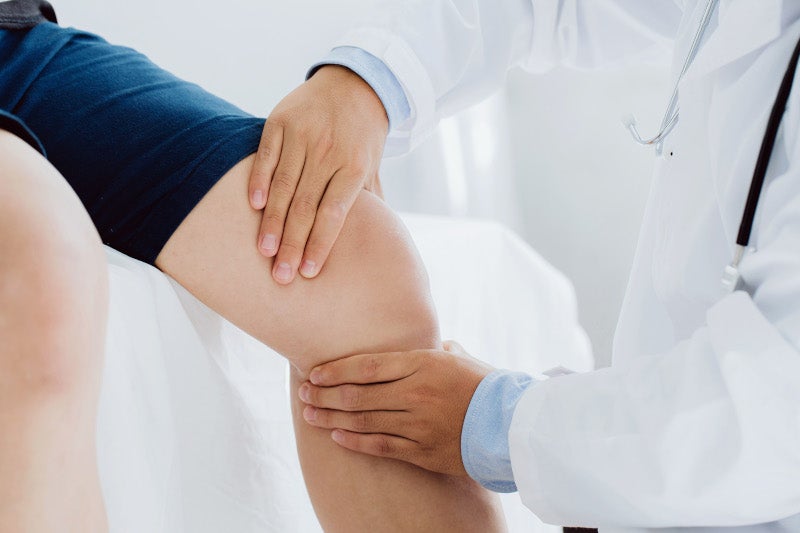
Unpredictability is one of the most dangerous things about falls. They can happen to anyone at any time, including in the workplace. Many times, you may be able to simply dust yourself off after a fall and get on with your day. Sadly, however, this is often not the case. Falls can be hard on your knees, and the resulting injuries can be serious. Outlined below are some of the more severe knee injuries associated with work-related falls. Damaged ligaments Torn ligaments are among the more serious and painful knee injuries that can result from a fall. The knee is comprised of four ligaments: the anterior cruciate ligament (ACL), the posterior cruciate ligament (PCL), the medial collateral ligament (MCL) and the lateral collateral ligament (LCL). Ligaments help the knee move forward and backward, as well as to rotate from side to side. Because each of these ligaments has a distinct function, damage to any of them can be painful and limit your mobility. Surgery and an extended period of recovery are often the only way to get better after ligament damage to avoid chronic pain issues. Dislocations During a fall, your knee may be manipulated and twisted into positions it is not designed to be in. This can result in a dislocation, which is very painful and can be difficult to treat. As a general rule, the sooner you seek medical treatment after this type of injury the better. Depending on whether or not there is nerve damage, you may require multiple surgeries before you can get back on your feet. If your knee has been injured in a fall at work, then you may be entitled to compensation for your pain and suffering. This won’t undo the damage, but it will help you to stay on top of your finances while you recover and are unable to work. Seeking legal guidance will offer you the best possible chance at obtaining a just outcome in your case.

Three types of burn injuries workers should understand

Three types of burn injuries workers should understand

Burn injuries can be very serious. While most workers may associate burn injuries with those due to open flames, there are several other causes that can lead to serious injuries. Depending on the type of burn, the treatment and recovery period can look very different. Here is what workers should know about different types of burn injuries. Common causes of burn injuries Aside from burn injuries due to open flames, some of the most common causes of burn injuries include: Friction burns: Friction burns are often associated with motorcycle and bicycle accidents, where an abrasion and heat burn combine into a serious burn injury. You could also experience friction burns by having a rope slip through your hands, getting too close to a sanding tool or slipping on carpet. Frostbite: Frostbite, or cold burns, occur when skin freezes and breaks. Many people experience frostbite from freezing weather. You could experience frostbite if you have stayed in a walk-in freezer for too long or have to work outside for an extended period of time in the winter months. Electrical burns: Your skin could come in contact with electricity because of a loose wire or faulty plug. It can instantly kill off skin cells and leave your hands or limbs seriously injured. Other common causes of burn injuries include thermal burns due to high temperatures, radiation burns from x-rays and chemical burns due to strong acids or solvents. Different jobs produce different burns Every job is unique regarding the risks you face. A cook may be more vulnerable to open flame burns, but they may also suffer injuries from splattering hot oils. A railroad worker could be frostbitten while working in freezing weather, but they could also experience thermal burns from malfunctioning tools. You may be required to wear protective gear when a job has a high risk of burn accidents, but even the best equipment can fail on the job. If you have been injured on the job then you may be eligible for workers’ compensation – and experienced legal guidance can help you get what you deserve.

A closer look at nail gun safety

A closer look at nail gun safety

Nail guns are a common sight in workshops and construction sites across Maryland. When used appropriately, they can increase productivity and efficiency at work. However, it is important to remember that nail guns are a powerful piece of equipment. According to the CDC, nail guns result in 37,000 emergency room visits annually and 68% of these visits involve workers. It only takes one small error or malfunction for something to go horribly wrong. Outlined below are a few examples of how nail gun accidents can occur. Faulty equipment Any tool that has the potential to be dangerous must be routinely maintained. Older equipment is more likely to malfunction. Usually, nail guns have safety mechanisms in place, such as guards. If these are bypassed or missing, then it makes an accident and injury much more likely. Underestimating the power Nail guns can penetrate all sorts of tough materials, especially wood. If a piece of wood is not very thick, it’s possible that the nail could penetrate all the way through to the other side, catching the nail gun operator off guard and posing injury risks. Nails can also ricochet when using the tool on certain surfaces like metal. When this happens, the nail essentially becomes a missile that can penetrate flesh and cause serious damage to the eyes. Preventing nail gun injuries Employers have a legal duty to ensure that workers are as safe as possible. This includes taking preventative measures like maintaining tools, providing appropriate safety gear and facilitating adequate training. Proper training is especially important, both for new and experienced workers. This can help workers understand the tool’s different triggers, how to hold and load the nail gun, what to do when it malfunctions and more. If you have suffered an injury on the job, then you may want to consider your options regarding workers’ compensation. An experienced attorney can help you understand your next steps.

A closer look at nail gun safety

A closer look at nail gun safety

Nail guns are a common sight in workshops and construction sites across Maryland. When used appropriately, they can increase productivity and efficiency at work. However, it is important to remember that nail guns are a powerful piece of equipment. According to the CDC, nail guns result in 37,000 emergency room visits annually and 68% of these visits involve workers. It only takes one small error or malfunction for something to go horribly wrong. Outlined below are a few examples of how nail gun accidents can occur. Faulty equipment Any tool that has the potential to be dangerous must be routinely maintained. Older equipment is more likely to malfunction. Usually, nail guns have safety mechanisms in place, such as guards. If these are bypassed or missing, then it makes an accident and injury much more likely. Underestimating the power Nail guns can penetrate all sorts of tough materials, especially wood. If a piece of wood is not very thick, it’s possible that the nail could penetrate all the way through to the other side, catching the nail gun operator off guard and posing injury risks. Nails can also ricochet when using the tool on certain surfaces like metal. When this happens, the nail essentially becomes a missile that can penetrate flesh and cause serious damage to the eyes. Preventing nail gun injuries Employers have a legal duty to ensure that workers are as safe as possible. This includes taking preventative measures like maintaining tools, providing appropriate safety gear and facilitating adequate training. Proper training is especially important, both for new and experienced workers. This can help workers understand the tool’s different triggers, how to hold and load the nail gun, what to do when it malfunctions and more. If you have suffered an injury on the job, then you may want to consider your options regarding workers’ compensation. An experienced attorney can help you understand your next steps.

What dangers do construction trenches pose?

What dangers do construction trenches pose?

Trenches are one of many hazards to be aware of if working on a construction site in Maryland. Gravity dictates that when you cut a trench into the ground, the surrounding earth wants to fall in and fill it. If you are inside when that happens, the consequences could be catastrophic. All construction employers must conduct continuing risk assessments to keep their workers safe. External factors such as weather, flooding and vibrations from heavy machinery can all destabilize a trench that was risk assessed as safe just days or hours earlier. Trench collapse is not the only risk to be wary of A trench collapse or cave-in might be the most daunting and obvious hazard. However, there are other risks that could cause serious injury, including: Rupturing cables or pipes while excavating it: Before an employer asks you to start digging, they need to know and inform you where all power cables, water lines and gas pipes lie. They may also need to cut some of these supplies. Slip-and-fall accidents: Any opening in the ground presents a danger. Employers must ensure adequate barriers and signage to prevent the risk of anyone accidentally stepping or driving into it. Being struck by falling objects: The barriers around the top will also reduce the likelihood of someone kicking or dropping rocks, tools or other items on top of you. Extra measures may be needed if the trench lies on a hill, as objects could roll down from far above. Even if you escape a trench accident with minor injuries, you may still need time off work and medical treatment. Other accidents could have much more severe consequences. Understanding how to claim workers’ compensation will be crucial to ensure the accident does not leave you out of pocket.

Gravity on construction sites: An unavoidable threat to workers

Gravity on construction sites: An unavoidable threat to workers

We often expect construction accidents to involve the powerful machines or temporary structures regularly found on job sites across Maryland. Indeed, this equipment can be dangerous and cause catastrophic accidents, particularly when they are defective or unsafe. However, one of the biggest threats to construction worker safety is gravity. Accidents involving gravity Falling incidents are far too common on construction sites. In fact, the Occupational Safety and Health Administration reports that they are the leading cause of fatal accidents on construction sites. Some of the most frequent – and potentially fatal – occurrences can include: Dropped tools Debris falling on workers Tripping on obstacles or uneven surfaces Collapsed scaffolding Falling off ladders These scenarios can result in painful and even life-threatening injuries. Who is liable when gravity is to blame? Gravity-related accidents can cause a range of injuries, from broken bones to traumatic brain injuries. And rather than cover the expenses of medical bills and lost wages themselves, workers may be able to collect financial remedies with workers’ compensation benefits, a personal injury claim, or both. When falling, dropping or slipping incidents cause injuries, it may just be an unforeseeable accident without anyone at fault. There may be no one to blame. In these situations, injured workers may not have a claim against anyone, but they can still be eligible for workers’ compensation benefits. However, when a party, other than the injured worker’s employer, is negligent or reckless, they can be liable for damages. Parties might include manufacturers of a defective product or parties who failed to comply with safety protocols. Prioritizing fall prevention Many regulations are in place to prevent gravity-related accidents, and complying with these rules can be the most effective way to stay safe. Employers and employees alike will want to: Have and wear protective equipment, including hard hats and harnesses Perform regular maintenance on construction equipment Secure tools while working at heights Ensure workers have proper training in recognizing hazards These measures can keep workers safe, even if someone or something does fall on a construction site.

Extreme weather poses threat to construction workers

Extreme weather poses threat to construction workers

Extreme weather poses threat to construction workers Working outside in the elements can be a significant draw for people who prefer to work in the fresh air than in an office behind a desk. However, Mother Nature can prove to be quite dangerous to people working outside when the weather gets bad. For instance, if you work in construction, you can face several threats to your safety in extreme weather. High winds High winds can cause catastrophic damage during a storm. For instance, winds in a Maryland storm uprooted a tree that fell on top of a house. Elsewhere, the high winds led to a collapsed building on a construction site, injuring four workers. In the event of high winds, it can be extremely dangerous to work near unstable structures or in equipment like cranes. Wet conditions Rain can make surfaces slippery; it can reduce visibility; it may render electrical equipment inoperable. There can also be risks of flooding as well as hypothermia and other cold- or moisture-related illnesses. If rain is in the forecast, construction crews can take precautions like covering equipment and open-air projects, wearing footwear to minimize slipping or sinking into mud and working on projects inside instead of outside. Power outages and electrical events Storms can cause severe electrical events like downed power lines and lightning strikes. Workers and others who are outside in these conditions can run the risk of being electrocuted or burned. They can also be crushed by falling structures and equipment. To avoid these devastating accidents, workers can seek shelter and stay away from bodies of water. Individuals would also be wise to refrain from using any electrical equipment. We cannot control the weather, but we can keep ourselves safe should it become dangerous. On a construction site, this can involve suspending work, staying inside, and wearing protective gear. However, if an accident still occurs while a person is on the job, injured construction workers may want to explore their options for relief through workers’ compensation benefits, and should seek counsel from an experienced attorney

Most common types of work zone accidents

Most common types of work zone accidents

Road construction, repairs and relocation projects are critical to Maryland’s infrastructure. Despite how critical these projects are, they can still be frustrating for road users and dangerous for workers. This combination tragically results in hundreds of deaths and numerous injuries in work zones every year. Even when a work zone accident results in non-fatal injuries, it has the potential to change victim’s lives dramatically. Thus, knowing the common causes of these incidents can help people avoid them. Who is to blame for work zone accidents? Recent reports suggest that speeding and distracted motorist s are most commonly to blame for work zone accidents. Drivers who follow other vehicles too closely or enter restricted areas also are at risk of causing an accident. Additionally, drivers who miss detours or fail to observe construction barriers also contribute to accidents. However, drivers are not the only people who cause accidents. Work zone accidents also occur when construction vehicles hit or back over a worker or when a worker slips and falls. Further, workers can experience injuries if they are struck by debris from passing cars or if they are victims of exposure to toxic chemicals. Staying safe in work zones Motorist behavior have a dramatic impact on worker safety. Drivers can prevent countless accidents by paying attention, slowing down and giving other vehicles more space. Unfortunately, not everyone does this, and many drivers endanger the safety of road workers. That considered, workers can also take precautions to stay safe. This includes wearing protective and reflective gear, as well as simply staying alert around construction equipment. These efforts go a long way in keeping everyone safer in a work zone, though accidents may still happen. What to do when accidents do occur After a work zone accident, the injured worker should assess the nature of their injuries. If emergency medical care is not required, the injured worker should be sure to report the accident to a supervisor and obtain the information of the parties involved in the accident.  This may include co-workers, bystander witnesses, or a person who was at-fault for the accident. If the accident occurs on an active roadway, it may be best to contact the police. If a person attempts to leave the scene, it usually dangerous to attempt to pursue the individual.  Recording a license plate and contacting the police is best choice under such circumstances. Road side accidents are often complicated as there may be claims under workers’ compensation as well as a general personal injury claim.  Receipt of benefits from claim prior to another could also have an adverse effect on the injured worker’s recovery.  If such an accident occurs, it is important that the injured worker contact an attorney that is familiar with both types of claims to ensure the claims are handled in the best interest of the injured worker.

4 reasons why scaffolding accidents happen

4 reasons why scaffolding accidents happen

Scaffolding can be a critical component of any major construction project in Maryland. However, while its purpose is to make worksites safer and more accessible for workers, it can also cause unsafe conditions and accidents that ultimately endanger people. Some of the common causes for scaffolding failures and accidents include: Improper construction: Erecting scaffolding requires careful attention and proper construction. If parties fail to follow directions or if parts are broken or defective, the integrity of the system – and the safety of those on the structures – can be in jeopardy. Nature: High winds, flying debris, rain, ice and hail can all cause problems for scaffolding and those who are on it. It can make surfaces slippery or cause the structure to sway, tip or collapse. As such, when the weather is bad, workers should stay off scaffolding. Upon returning to the site, inspecting the scaffolding’s integrity can be wise. Reckless parties: Bystanders and others who have no role in a construction project can compromise the safety of scaffolding when they are careless. For instance, recently, an unlicensed driver was speeding and lost control of his vehicle. He crashed into scaffolding, causing it to collapse. Luckily, no one was on the structure at the time. Substandard materials: Even when scaffolding is built correctly, it can put workers at risk if platforms, beams, tubes, locks, ladders or other parts are defective or of poor quality. Thus, contractors and workers should inspect materials before and during a project to ensure they are not weak, broken or missing. It may not be possible to stop every scaffolding accident from occurring, especially those caused by others’ recklessness or unexpected weather events. However, when contractors and workers understand the risks that come with working on scaffolding, they can appreciate the importance of maximizing efforts to prevent accidents and stay safer in the event that one occurs.

Contact Us

Fill out this form below and we'll contact you shortly
*Required Fields