Blog / Construction Workers' Accidents

Most common types of work zone accidents

Most common types of work zone accidents

Road construction, repairs and relocation projects are critical to Maryland’s infrastructure. Despite how critical these projects are, they can still be frustrating for road users and dangerous for workers. This combination tragically results in hundreds of deaths and numerous injuries in work zones every year.

Even when a work zone accident results in non-fatal injuries, it has the potential to change victim’s lives dramatically. Thus, knowing the common causes of these incidents can help people avoid them.

Who is to blame for work zone accidents?

Recent reports suggest that speeding and distracted motorists are most commonly to blame for work zone accidents. Drivers who follow other vehicles too closely or enter restricted areas also are at risk of causing an accident. Additionally, drivers who miss detours or fail to observe construction barriers also contribute to accidents.

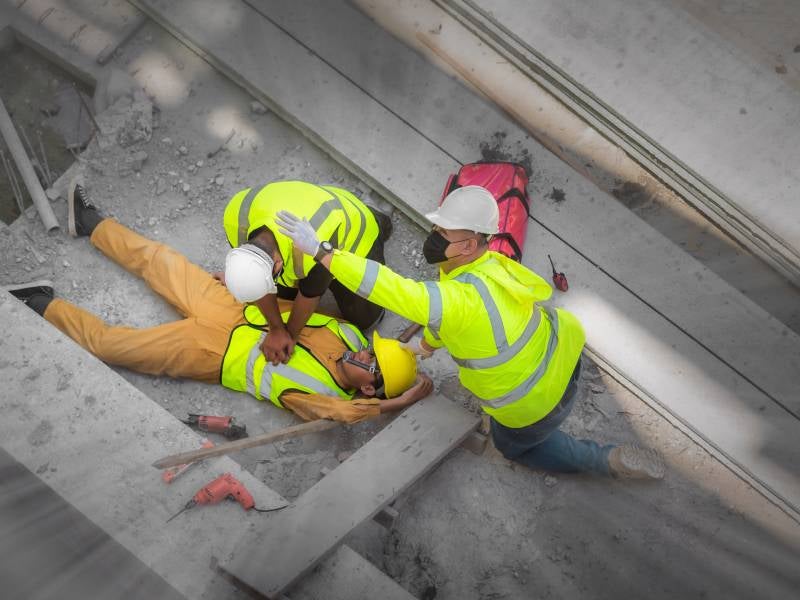
However, drivers are not the only people who cause accidents. Work zone accidents also occur when construction vehicles hit or back over a worker or when a worker slips and falls. Further, workers can experience injuries if they are struck by debris from passing cars or if they are victims of exposure to toxic chemicals.

Staying safe in work zones

Motorist behavior have a dramatic impact on worker safety. Drivers can prevent countless accidents by paying attention, slowing down and giving other vehicles more space. Unfortunately, not everyone does this, and many drivers endanger the safety of road workers.

That considered, workers can also take precautions to stay safe. This includes wearing protective and reflective gear, as well as simply staying alert around construction equipment.

These efforts go a long way in keeping everyone safer in a work zone, though accidents may still happen.

What to do when accidents do occur

After a work zone accident, the injured worker should assess the nature of their injuries. If emergency medical care is not required, the injured worker should be sure to report the accident to a supervisor and obtain the information of the parties involved in the accident.  This may include co-workers, bystander witnesses, or a person who was at-fault for the accident. If the accident occurs on an active roadway, it may be best to contact the police. If a person attempts to leave the scene, it usually dangerous to attempt to pursue the individual.  Recording a license plate and contacting the police is best choice under such circumstances.

Road side accidents are often complicated as there may be claims under workers’ compensation as well as a general personal injury claim.  Receipt of benefits from claim prior to another could also have an adverse effect on the injured worker’s recovery.  If such an accident occurs, it is important that the injured worker contact an attorney that is familiar with both types of claims to ensure the claims are handled in the best interest of the injured worker.

Posted in:

Related Posts

A closer look at nail gun safety

A closer look at nail gun safety

Nail guns are a common sight in workshops and construction sites across Maryland. When used appropriately, they can increase productivity and efficiency at work. However, it is important to remember that nail guns are a powerful piece of equipment. According to the CDC, nail guns result in 37,000 emergency room visits annually and 68% of these visits involve workers. It only takes one small error or malfunction for something to go horribly wrong. Outlined below are a few examples of how nail gun accidents can occur. Faulty equipment Any tool that has the potential to be dangerous must be routinely maintained. Older equipment is more likely to malfunction. Usually, nail guns have safety mechanisms in place, such as guards. If these are bypassed or missing, then it makes an accident and injury much more likely. Underestimating the power Nail guns can penetrate all sorts of tough materials, especially wood. If a piece of wood is not very thick, it’s possible that the nail could penetrate all the way through to the other side, catching the nail gun operator off guard and posing injury risks. Nails can also ricochet when using the tool on certain surfaces like metal. When this happens, the nail essentially becomes a missile that can penetrate flesh and cause serious damage to the eyes. Preventing nail gun injuries Employers have a legal duty to ensure that workers are as safe as possible. This includes taking preventative measures like maintaining tools, providing appropriate safety gear and facilitating adequate training. Proper training is especially important, both for new and experienced workers. This can help workers understand the tool’s different triggers, how to hold and load the nail gun, what to do when it malfunctions and more. If you have suffered an injury on the job, then you may want to consider your options regarding workers’ compensation. An experienced attorney can help you understand your next steps.

Workers’ comp claim: 3 steps to take after a construction injury

Workers’ comp claim: 3 steps to take after a construction injury

Construction work is physically demanding and dangerous. One wrong move can lead to serious injury. When you get hurt on the job, you need to act fast. Maryland workers’ compensation laws provide protection, but it’s very important that you follow the right steps. Here is what you need to do immediately after a construction-related injury. Report your injury to your supervisor immediately Many workers make the mistake of staying quiet. Do not wait because the pain seems minor or you think you can tough it out. Never ignore a minor sprain or a dull back ache. Remember, you are protected under the law. Maryland gives workers the right to report injuries and recover compensation after an injury on the job. Tell your supervisor about your injury as soon as it happens. Maryland law requires employees to report workplace injuries within 10 days. Missing this deadline can cost you your workers’ compensation benefits. Put your report in writing, if possible. This creates an official record that documents your injuries and protects your legal rights. Get medical treatment right away See a doctor even if you believe the injury is not serious. Under Maryland law, you have the right to choose your own treating physician. However, if your employer directs you to a specific medical provider, you may opt to go there first, but you are never forced to stay with their doctor for your ongoing care. Tell your doctor about every symptom you experience, no matter how small it seems. Additionally, keep copies of all medical bills, prescriptions and treatment notes. This documentation can become critical evidence when pursuing your claim. Many injured workers worry that a pre-existing medical condition will disqualify them from receiving benefits. In Maryland, that is not necessarily the case. If a workplace accident aggravates an existing condition, you may still be entitled to compensation. Contact a workers’ compensation attorney Speak with a workers’ compensation lawyer before you provide any recorded statements to insurance companies. Some employers say they will take care of you without formal paperwork. Avoid accepting these verbal promises without documentation. Without filing an official claim, you may have limited legal protection under Maryland workers’ compensation law. Securing the compensation you deserve Construction work comes with significant risks, and injuries can happen despite your best efforts. When they do, knowing the proper steps to filing a workers’ compensation claim can affect your recovery. Construction workers who suffer job site injuries in Baltimore, Bel Air, Essex, Frederick, Glen Burnie or Towson can call the team at Cohen, Snyder & Eisenberg, P.A. for support. Our team provides free consultations and has over 50 years of experience serving the Baltimore area. Click here or call 1-800-INJURED to discuss your construction injury claim and get the compensation you need to recover.

Three types of burn injuries workers should understand

Three types of burn injuries workers should understand

Burn injuries can be very serious. While most workers may associate burn injuries with those due to open flames, there are several other causes that can lead to serious injuries. Depending on the type of burn, the treatment and recovery period can look very different. Here is what workers should know about different types of burn injuries. Common causes of burn injuries Aside from burn injuries due to open flames, some of the most common causes of burn injuries include: Friction burns: Friction burns are often associated with motorcycle and bicycle accidents, where an abrasion and heat burn combine into a serious burn injury. You could also experience friction burns by having a rope slip through your hands, getting too close to a sanding tool or slipping on carpet. Frostbite: Frostbite, or cold burns, occur when skin freezes and breaks. Many people experience frostbite from freezing weather. You could experience frostbite if you have stayed in a walk-in freezer for too long or have to work outside for an extended period of time in the winter months. Electrical burns: Your skin could come in contact with electricity because of a loose wire or faulty plug. It can instantly kill off skin cells and leave your hands or limbs seriously injured. Other common causes of burn injuries include thermal burns due to high temperatures, radiation burns from x-rays and chemical burns due to strong acids or solvents. Different jobs produce different burns Every job is unique regarding the risks you face. A cook may be more vulnerable to open flame burns, but they may also suffer injuries from splattering hot oils. A railroad worker could be frostbitten while working in freezing weather, but they could also experience thermal burns from malfunctioning tools. You may be required to wear protective gear when a job has a high risk of burn accidents, but even the best equipment can fail on the job. If you have been injured on the job then you may be eligible for workers’ compensation – and experienced legal guidance can help you get what you deserve.