Blog / Personal Injury

Blog

All Personal Injury Workers' Compensation Car Accidents Workplace Accidents Workplace Injuries Construction Workers' Accidents Medical Malpractice Industrial Workers' Injuries Product Liability Truck Accidents Firm News Wrongful Death Uncategorized
Drug use can complicate workers’ comp claims

Drug use can complicate workers’ comp claims

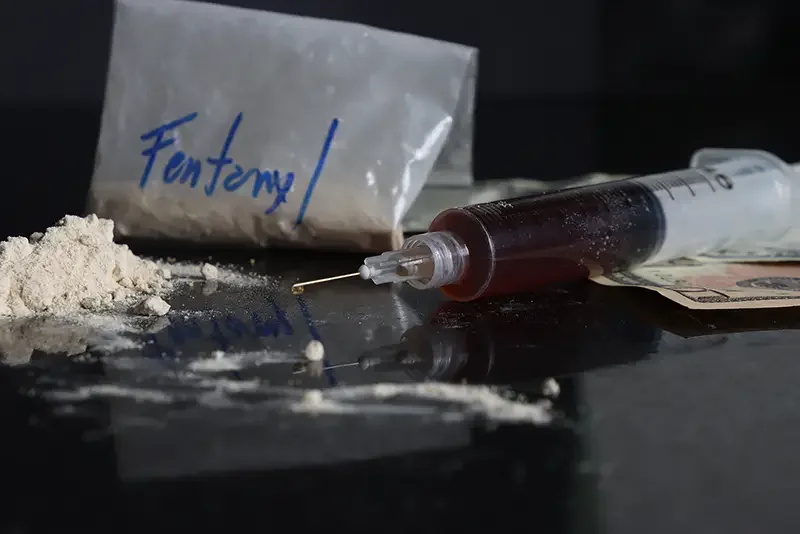
Drug use in the workplace can inspire serious consequences for both workers who are trying to avoid occupational harm and for some who have already suffered due to work-related circumstances. For example, in Maryland, workers who are injured on the job are generally entitled to benefits regardless of fault. However, if drug use played a role in causing their work-related harm, those benefits can be denied or significantly reduced. Proving—or disproving—that connection often becomes a central issue in workplace injury cases involving positive drug tests. Workers’ comp is a no-fault system… most of the time Under Maryland law, employers or their insurers can argue that intoxication or drug impairment was the primary cause of an accident. If successful, this defense can prevent an injured worker from receiving compensation for medical care, lost wages or disability. The key question is causation: Did the drug use directly contribute to the injury, or did the accident occur independently of any impairment? For example, a worker who tests positive for an illegal substance after being struck by falling equipment may still be eligible for benefits if their impairment had no role in the incident at issue. Recent research underscores how pervasive workplace drug use has become in recent years. For example, a recent survey published by the National Safety Council indicates that one-third of American workers have witnessed the use of cannabis by others during work hours. Additionally, “More than half of employers that eliminated THC testing reported an increase in incidents or workplace performance concerns.” This trend suggests that many workers use marijuana while on the clock, potentially due to stress, chronic pain or “simply” accessibility. Marijuana use can cause drowsiness, confusion, apathy and slowed reaction times—all of which heighten the risk of workplace accidents. Even so, a positive drug test does not automatically disqualify a worker from receiving benefits. The Maryland Workers’ Compensation Commission requires evidence that the intoxication directly caused the injury at issue in a workers’ claim. A skilled legal team can help affected workers – who are obviously not alone, given the widespread nature of drug use in the workplace – to make their case as successfully as possible. Employers and insurers often use drug test results to limit liability, but workers still have rights. Anyone facing a disputed claim due to alleged drug use is generally wise to seek immediate legal guidance accordingly.
What Maryland drivers need to know about road rage

What Maryland drivers need to know about road rage

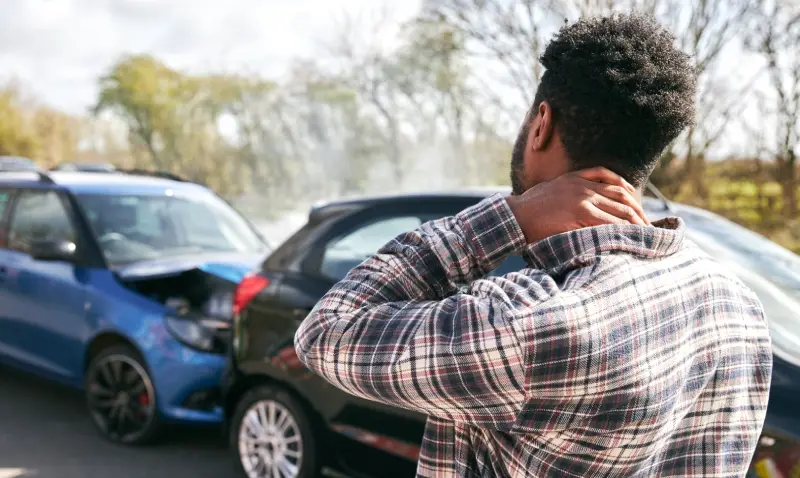
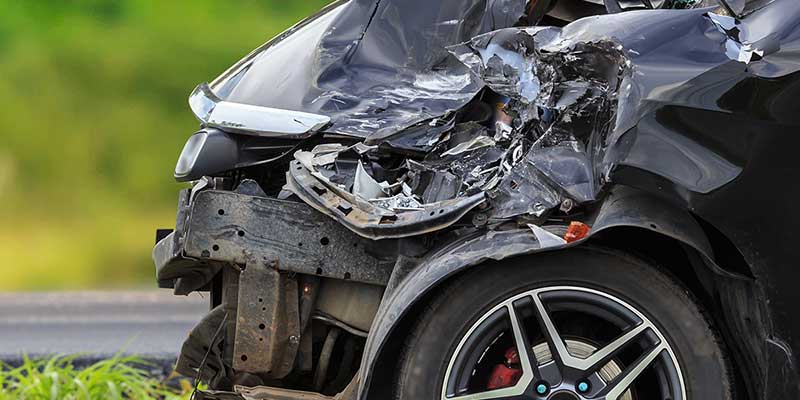
There are many choices and behaviors that could result in motor vehicle collisions. Difficulty controlling emotional reactions can play a role in an individual’s crash risk. Those who succumb to their intense emotions while driving can make impulsive decisions that have long-term consequences. According to researchers looking at traffic behaviors, the number of reported road rage incidents in recent years has increased significantly. Maryland has seen quite a few incidents that have resulted in collisions and even in armed confrontations. Drivers need to be ready to protect themselves and their passengers if someone else displays irrational behavior in traffic. How road rage causes injuries There are two main mechanisms through which road rage can cause injury to people. The first is through preventable collisions. When a driver loses their temper in traffic, their conduct can increase crash risk. Road rage drivers may cut others off in traffic and slam on their brakes. They may swerve into other lanes of traffic to frighten people. They can cause dangerous distractions by honking, screaming at people and trying to maintain their attention. Road rage drivers can also injure people by following others to their destination and initiating a confrontation that culminates in an assault or worse. How should drivers respond to road rage? Generally speaking, there are two ways to reduce risk in a road rage scenario. The first involves ignoring the other driver. By failing to feed into their anger, a motorist targeted by a road rage driver could keep the situation from escalating. The second option is to reroute to avoid the road rage driver. Road rage incidents frequently occur on high-speed streets, such as interstates. By exiting and taking an alternate route to a destination, motorists may be able to avoid ongoing misconduct and could reduce their risk of an in-person confrontation. In scenarios where a road rage driver seems intent on following another motorist, it may be necessary to contact law enforcement or drive to a public location, like a grocery store. The presence of other people could limit the misconduct of the motorist experiencing road rage. If a road rage incident results in a car crash or other injuries, the person targeted by the road rage driver may need to take action. Call the police immediately to report the crash.  Filing an insurance claim or even a lawsuit can help hold a motorist with road rage accountable for their bad behavior. Depending on the situation, follow-up in a criminal action with the State’s Attorney may be necessary to obtain Court ordered restitution.

Spinal cord injuries can lead to lifetime challenges

Spinal cord injuries can lead to lifetime challenges

The spinal cord transmits messages between the brain and the body. When it becomes damaged, those nerve signals are impacted. This changes the way the body functions, which can lead to challenges. For victims of catastrophic spinal cord injuries (SCIs), such as those that occur in car crashes, learning to live with these challenges can be difficult. In some cases, therapy, assistive devices and personal care assistance can help them to live the best life possible. Physical and medical challenges Some SCIs lead to a loss of motor and sensory function below the level of the injury. This can result in paralysis, weakness in the affected area or an inability to use the body normally. These impacts can affect the limbs, as well as the internal organs. In addition to potential complete or partial paralysis, SCIs can cause secondary health issues. These include: Chronic pain Muscle spams Pressure sores Sexual dysfunction Excretory dysfunction or incontinence Respiratory challenges Some of the effects that occur immediately after the car crash might be due to spinal shock, which makes the effects of the injury temporarily worse. This should begin to abate in the days following the wreck. Emotional and psychological challenges The emotional and psychological impact of a spinal cord injury is significant. Many individuals experience depression, anxiety and grief as they come to terms with their new lifestyle. The sudden change in physical capabilities can lead to a loss of independence, affecting self-esteem and overall mental health. Economic and vocational challenges Spinal cord injuries often result in significant economic challenges. The cost of medical care, rehabilitation and assistive devices can be substantial, placing a financial burden on individuals and their families. These increased expenses come a time when the victim might be unable to work as they did before the crash, which can reduce or stop their income. Seeking compensation from a negligent driver is one option for victims of crashes caused by negligence. This must be done within a short time frame that’s set by state law. Legal assistance can make it easier for them to get their case together and get it handled in a timely manner.

Has your knee been injured in a work-related fall?

Has your knee been injured in a work-related fall?

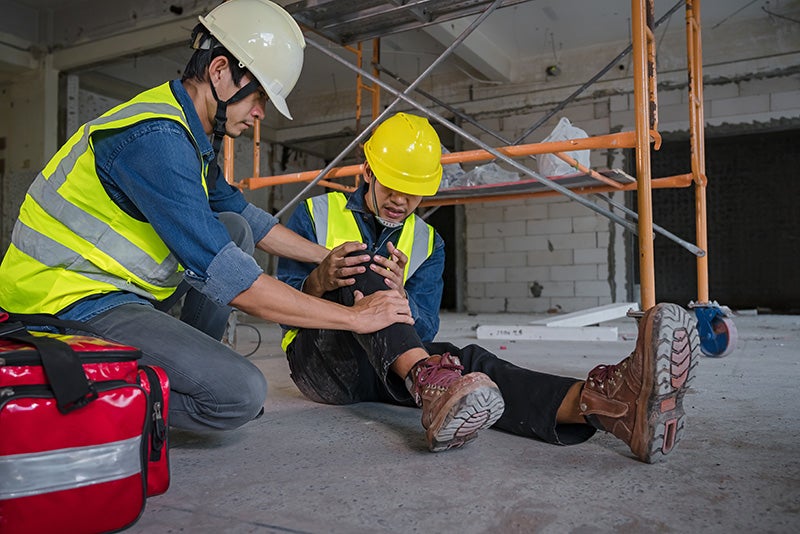
Unpredictability is one of the most dangerous things about falls. They can happen to anyone at any time, including in the workplace. Many times, you may be able to simply dust yourself off after a fall and get on with your day. Sadly, however, this is often not the case. Falls can be hard on your knees, and the resulting injuries can be serious. Outlined below are some of the more severe knee injuries associated with work-related falls. Damaged ligaments Torn ligaments are among the more serious and painful knee injuries that can result from a fall. The knee is comprised of four ligaments: the anterior cruciate ligament (ACL), the posterior cruciate ligament (PCL), the medial collateral ligament (MCL) and the lateral collateral ligament (LCL). Ligaments help the knee move forward and backward, as well as to rotate from side to side. Because each of these ligaments has a distinct function, damage to any of them can be painful and limit your mobility. Surgery and an extended period of recovery are often the only way to get better after ligament damage to avoid chronic pain issues. Dislocations During a fall, your knee may be manipulated and twisted into positions it is not designed to be in. This can result in a dislocation, which is very painful and can be difficult to treat. As a general rule, the sooner you seek medical treatment after this type of injury the better. Depending on whether or not there is nerve damage, you may require multiple surgeries before you can get back on your feet. If your knee has been injured in a fall at work, then you may be entitled to compensation for your pain and suffering. This won’t undo the damage, but it will help you to stay on top of your finances while you recover and are unable to work. Seeking legal guidance will offer you the best possible chance at obtaining a just outcome in your case.

Third-party liability in workers’ compensation claims

Third-party liability in workers’ compensation claims

Workers’ compensation has long replaced the old system of filing lawsuits against employers after an accident at work. This provides a statutory solution and offers greater protection to injured employees. However, this does not mean that a lawsuit might be completely off the table following a workplace accident. If someone else was involved in your accident, it is possible to file a “third-party liability” claim against them to pursue damages. Third-party liability can extend to any individual or entity that is not your employer, such as a private individual, co-worker, the manufacturer of a defective product or even an independent contractor. Why should you pursue a third-party claim? While workers’ compensation benefits provide workers with the compensation they need while they recover, it does not cover all damages arising from an accident. For instance, if you experienced significant pain and suffering or emotional anguish from the injuries you sustained, workers’ compensation does not address this. Additionally, the amount of medical or lost wages benefits may be insufficient to meet you and your family’s needs. This is where a third-party claim might come in. It is possible to pursue the full amount of damages you are entitled to through a personal injury claim if the other party’s negligence caused the accident. Proving fault is an important part of third-party liability claims Negligence is a significant aspect of third-party claims. Unlike in workers’ compensation claims, the other party’s fault must first be established. They must have owed you a duty of care which they breached and caused your injuries for you to claim any damages. In Maryland, the Claimant must be free of any actions that may have contributed to the accident and resulting injuries. How much can you claim in a third liability claim? Your claim on non-economic damages will be subject to damage caps, as defined by Maryland law. Currently, the maximum amount allowed for pain and suffering is limited to slightly over $900,000. However, the law does not place a limit on the amount of recoverable economic and punitive damages. It is crucial to make yourself aware of the law and what to expect in your claim to ensure you receive the maximum compensation for your injuries. An attorney who understands both workers’ compensation and personal injury law can help you understand your next steps.

A closer look at nail gun safety

A closer look at nail gun safety

Nail guns are a common sight in workshops and construction sites across Maryland. When used appropriately, they can increase productivity and efficiency at work. However, it is important to remember that nail guns are a powerful piece of equipment. According to the CDC, nail guns result in 37,000 emergency room visits annually and 68% of these visits involve workers. It only takes one small error or malfunction for something to go horribly wrong. Outlined below are a few examples of how nail gun accidents can occur. Faulty equipment Any tool that has the potential to be dangerous must be routinely maintained. Older equipment is more likely to malfunction. Usually, nail guns have safety mechanisms in place, such as guards. If these are bypassed or missing, then it makes an accident and injury much more likely. Underestimating the power Nail guns can penetrate all sorts of tough materials, especially wood. If a piece of wood is not very thick, it’s possible that the nail could penetrate all the way through to the other side, catching the nail gun operator off guard and posing injury risks. Nails can also ricochet when using the tool on certain surfaces like metal. When this happens, the nail essentially becomes a missile that can penetrate flesh and cause serious damage to the eyes. Preventing nail gun injuries Employers have a legal duty to ensure that workers are as safe as possible. This includes taking preventative measures like maintaining tools, providing appropriate safety gear and facilitating adequate training. Proper training is especially important, both for new and experienced workers. This can help workers understand the tool’s different triggers, how to hold and load the nail gun, what to do when it malfunctions and more. If you have suffered an injury on the job, then you may want to consider your options regarding workers’ compensation. An experienced attorney can help you understand your next steps.

Damages that may be available after accidents

Damages that may be available after accidents

When someone gets hurt in an accident, they may wish to pursue legal action against a negligent party. Doing so can result in financial compensation and the acknowledgment of all the ways improper, unsafe acts have hurt you. Too often, people underestimate all the ways that an accident and injury has affected their lives. And they may not realize that, while a lawsuit can’t turn back the clock, it can make recovery much easier. This is due to the various types of damages that may be available after an accident. Special and general damages Per Maryland laws, victims can pursue special and general damages after an accident caused by a negligent or reckless party. Special damages, or economic damages, can include: Current medical expenses Future medical costs Lost wages Loss of future earnings Home modifications Ongoing care services Property damage These types of damages are calculable. In other words, parties can assign a price to them, which may or may not require the assistance of medical or financial professionals. There are also general damages, or non-economic damages. These refer to more abstract losses, including: Pain and suffering Loss of support Loss of consortium Chronic or disfiguring conditions These damages are more subjective than economic damages, but they are often just as significant, if not more so. It should be noted that claims for both non-economic and economic losses are based on what is fair, reasonable, and necessary.  Damages that are speculative in nature – what may be required or occur in the future – are regularly challenged. Even in accidents where a party accepts liability or fault, the parties may disagree regarding the calculation of the damages. Punitive damages If an accident was the result of egregious misconduct or malice, courts might also order punitive damages. Note that courts do not award punitive damages in every case; in fact, cases involving punitive damages in Maryland are rare. However, they are an option that serves specifically to punish wrongdoing and deter others from similar actions. Collecting what you deserve People hurt in an accident may not always realize the full extent of damages. If you get hurt, it is imperative that you seek medical attention and report the accident. You can then consult an attorney to discuss your options. These steps can help you make informed decisions about your legal rights and pursue maximum compensation for your injuries.

Preventing slip-and-fall accidents: Focus on footwear

Preventing slip-and-fall accidents: Focus on footwear

Preventing slip-and-fall accidents: Focus on footwear One of the most common accidents people suffer on the job is a slip-and-fall accident. These incidents can happen to just about anyone and in virtually any environment, and they often result in painful injuries that can prevent a person from working at full capacity. Fortunately, preventing these accidents can be as simple as making sure workers have appropriate footwear. What to look for in work shoes If you work in jobs like food service, manufacturing or construction, having the proper footwear can keep you safe from slipping, tripping and falling on slick or unsafe surfaces. Thus, workers would be wise to have shoes that: Do not have high heels Are not completely flat Do not slip off your heels Fit well Have proper support Lace-up Have rubber soles Are closed at the toe Shoes that fit these criteria can help a person stay safe on the job by keeping them on their feet. An easy test to measure wear One thing to keep in mind is that shoes can become worn out quickly when you wear them every day. When this happens, replacing or repairing them can be crucial. For instance, tread thresholds can show just how much protection a shoe has in terms of slipping. If your shoes or boots have tread marks, which they should, you can test whether they are too worn to be effective. As this article notes, one easy way to test is to use a AA battery on the worn patches of your shoe. If the patch is wider than the base of the battery, the shoe will not provide as much traction and protection. Thus, replacing them can keep wearers safe. Having the right footwear can prevent serious slipping and tripping accidents on the job. Not only does this help reduce the cost of workplace accidents, which soared over $170 billion in 2018, but it also keeps workers safer on the job.

5 of the most dangerous types of landscaping equipment

5 of the most dangerous types of landscaping equipment

During the warm months, people across Maryland are eager to get their lawns looking good. Whether business owners and homeowners do this work themselves or hire professionals, it is essential to know that there are serious hazards that can come with landscaping. For instance, often, powerful equipment and machines are necessary to complete the work. And, when they break or malfunction or when someone does not operate them properly, severe accidents can happen. Some of the most dangerous examples of landscaping equipment include: Lawnmowers Hedge trimmers Chain saws Nail guns String trimmers These machines can be powerful and sharp. They are designed to do things like chop, cut and drive, and often they use electricity or gas-powered engines. These elements make them capable of causing catastrophic injuries in the event of an accident. If you use this equipment, or if someone working on your lawn uses them, it can be crucial to use safety precautions. Such measures can include: Having equipment inspected and repaired by professionals Wearing protective gear like gloves, goggles and hardhats Reading the manual to operate the machine Participating in available training before operating the equipment Giving operators plenty of space when they are using a machine Stop using equipment with faulty electrical cords immediately Too often, people fail to realize just how dangerous these machines can be. They might overestimate their abilities or minimize the risk of injury, particularly if they use the equipment all the time or they have been using it for years. However, every time you operate landscaping equipment, there is the potential for an accident to occur. Whether that accident occurs in your front yard or while you are on a job site, it can result in burns, severe lacerations or even amputation. Rather than put yourself and others at risk, it can be crucial to prioritize safe equipment practices when working on a landscaping project.

Maryland lawmaker admits to drinking before boating accident

Maryland lawmaker admits to drinking before boating accident

We often discuss the tragic car accidents that drunk driving can lead to, but plenty of crashes are also caused by operating a boat while intoxicated. In many ways, boating under the influence is even more dangerous because controlling a motorized vessel after drinking can be more difficult than driving a car, and many boaters overestimate their ability to see other watercraft and steer away from them in time. Most states have laws prohibiting boating under the influence that are similar to DUI laws. Ironically, a Maryland lawmaker has been accused of breaking one of the laws his government established. The state representative was driving a boat earlier this week when it crashed into another vessel carrying several children. The youngest, a 5-year-old girl, had to be taken to a hospital by helicopter and was still recovering as of Thursday. Not long after investigators said they suspected alcohol contributed to the accident, the 54-year-old legislator from Anne Arundel released a public statement saying that he’d been drinking before the crash. Appearing in front of reporters while sitting in a wheelchair and wearing a neck brace, he apologized for his actions, asked for forgiveness and said that his blood alcohol level at the time was .2, more than twice the legal driving limit for operating a car or a boat. A sergeant with the Maryland Natural Resources Police, which patrols the Magothy River where the accident happened, said he wasn’t sure where the representative got his blood alcohol level information, considering the official blood test results wouldn’t be available for at least two weeks. But the lawmaker’s public announcement of his drunkenness may contribute to any civil personal injury lawsuits the children’s families choose to file. When a person openly acknowledges such negligence, much of the burden of proof is lifted off personal injury plaintiffs hoping to recover damages they suffered in an accident. Source: The Washington Post, “Md. lawmaker was drinking before boat crash that injured 4 children,” Aaron C. Davis, Aug. 23, 2012 Our firm handles a wide variety of accident cases and other personal injury issues. To learn more about our practice, please visit ourBaltimore personal injurypage.

Man killed by train sued after his flying body parts injured woman

Man killed by train sued after his flying body parts injured woman

You might assume that if you’re killed in an accident, no one will hold you liable for any damage you or your vehicle might have caused. But a recent court case is blowing that assumption out of the water. An 18-year-old man who was killed in a horrific train accident is being sued posthumously. In 2008, he was running to catch a train in the pouring rain. The train struck him, severing some of his body parts, which then went flying toward a woman. As a result she broke her wrist and leg. In her court case against the young man’s estate, the court found it was “reasonably foreseeable” that the train would kill the man. The woman’s lawyer said the lawsuit should be treated like any other negligence case. If a train passenger is injured in an accident after the engineer hit the brakes, the lawyer said, that person would have a solid personal injury case, and that this was no different. Although the case is highly unusual, it’s not the first time a dead person has been sued for causing injury. In 2010 a police officer sued the victim of a fatal shooting, saying that the victim had injured him with his car. Do lawsuits like these go too far? Although the case of airborne body parts might be a gruesome one, it does make the point that people can be injured by almost anything in an accident, and the cost of treatment and recovery from those injuries can be expensive. Those who balk at the notion of suing an estate for injuries suffered in a fatal accident might find themselves in a similar position. Sometimes you don’t know how you’ll react to a situation until it comes flying at you. Source: Huffington Post, “ Hiroyuki Joho, Man Killed By Train, Sued After His Flying Body Parts Injured Woman,” Dec. 29, 2011

Maryland man hurt at casino files personal injury lawsuit

Maryland man hurt at casino files personal injury lawsuit

Gambling is a popular pastime for many in the Old Line State, whether it’s at a casino or the racetrack. People who come to play the slot machines or put their money down on a favorite horse know there are no guarantees, and that they could risk losing everything with a roll of the dice or a pull of the slot machine arm. But they do it anyway, because they love the rush they get when they win. Although gamblers realize that their actions could hurt their wallet, what they don’t anticipate is getting physically injured in some way. But that’s what happened to one man who filed a lawsuit recently. The Maryland man went to the Hollywood Casino in Perryville in November 2009, where he played the slot machines, according to a court complaint. He claims he was seated in a chair that was adjacent to the row of slot machines. The chair was attached to a rack assembly that was attached to the floor of the casino, which is designed to be fixed and immovable to ensure the safety of casino patrons. But he fell out of the chair and was injured, the court complaint said. The lawsuit claims the chair was negligently installed, inspected and maintained by the casino, which caused the chair to be unattached to both the assembly rack and the floor. He’s seeking compensation for his injuries, which were undisclosed. Patrons of a casino, racetrack or any other facility that is centered around entertainment have the right to enjoy themselves without having to worry about the furniture they’re sitting on or other amenities. While it’s unclear if or how the casino’s parent company, PNGI Charles Town Gaming, has responded to the lawsuit, not taking a personal injury lawsuit seriously would be a gamble in itself. Source: The West Virginia Record, “Md. man files suit after fall at Charles Town Races,” Kyla Asbury, Dec. 27, 2011

Contact Us

Fill out this form below and we'll contact you shortly
*Required Fields