Blog / Industrial Workers' Injuries

Blog

All Industrial Workers' Injuries Workers' Compensation Car Accidents Workplace Accidents Workplace Injuries Construction Workers' Accidents Medical Malpractice Product Liability Personal Injury Truck Accidents Firm News Wrongful Death Uncategorized
New common risks to watch out for in the workplace

New common risks to watch out for in the workplace

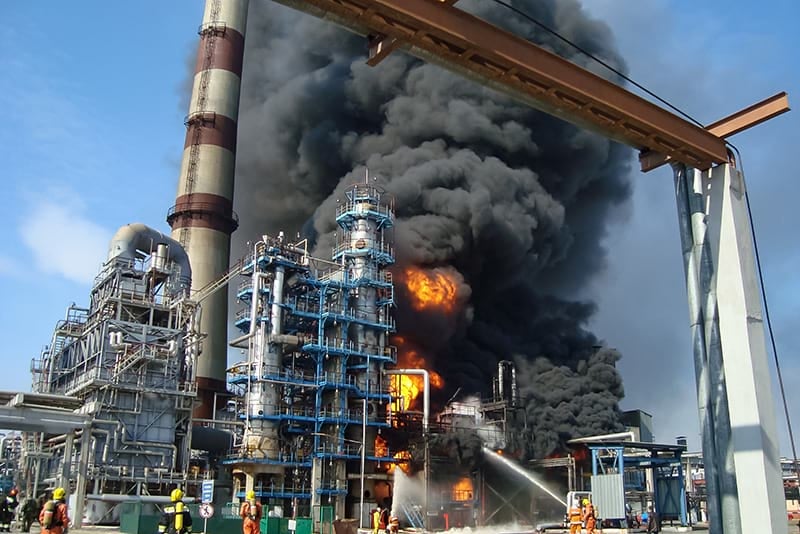
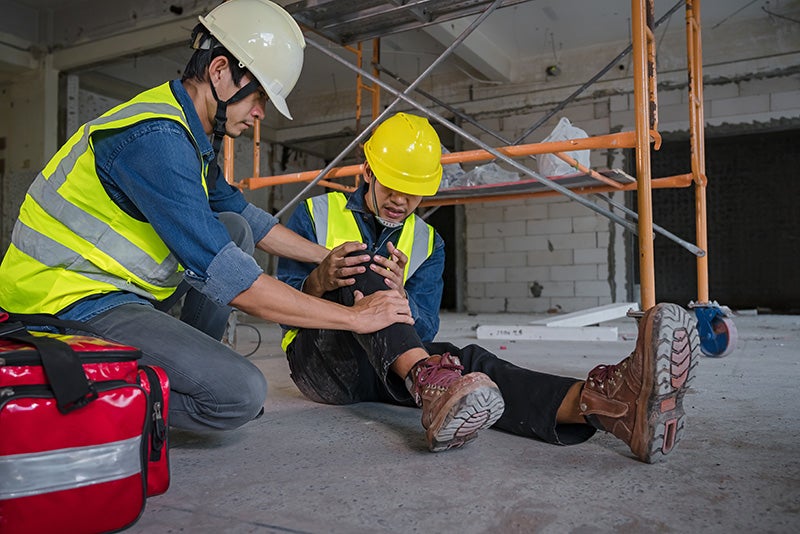
Regardless of where individuals work, many are aware that the workplace could hold serious risks of occupational injuries. As we discuss in previous blog posts, there are a few particular hazards that commonly lead to serious work injuries across industries. However, the beginning of 2021 brought a new report that details common risks that many workers might not expect. New study names four common risk factors of work injuries While safety is almost always a priority for workers, some jobs involve risks that cannot be avoided. And, a new report from ISN highlights certain factors that pose the largest risk of serious and fatal injuries on the job. ISN analyzed injury reports from the last three years to determine the most commonly cited causes and contributing factors. According to the research, the primary risk factors include: Working at a height: Most workers are familiar with this risk. After all, falls are one of the most common work injuries reported in many industries, especially construction. Bringing chemicals on site: This is another concern common in construction and manufacturing jobs. When third parties bring hazardous chemicals to the worksite, workers face a risk of exposure. Working with rigging materials: Individuals who work with rigging or in material handling often move and transport heavy objects. With the amount of equipment necessary and the objects these workers must move, it is no secret that they face a serious risk of injury. Hot work: The Occupational Safety and Health Administration (OSHA) defines hot work as any work that involves welding, cutting, burning or work with tools that use heat. Workers whose responsibilities involve hot work could face the risk of burns or exposure to hazardous fumes if they do not have the proper protective equipment (PPE). Most of these risks apply to similar industries. For example, both a construction worker as well as an industrial manufacturer could face almost all of these risks at some point on the job. Managing risks is every worker’s responsibility Maryland workers must be aware of the hazards in their workplace – whether or not those risks include any of the four listed above. Awareness of the potential risks allows workers to be better prepared and mitigate the chance of injury. Employers have responsibilities to increase safety in the workplace, but workers must still make sure they manage risks daily on the job, especially if they face these four factors.
Logistics industry: Growing demand, growing danger

Logistics industry: Growing demand, growing danger

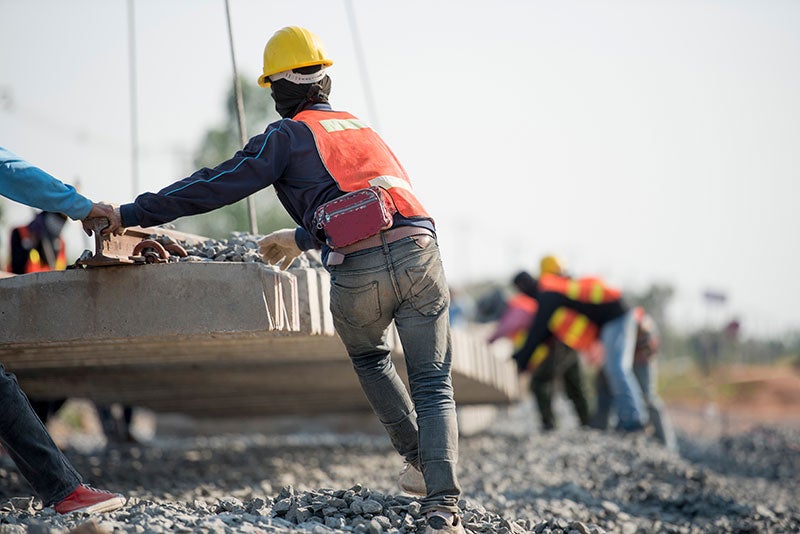
Over the years, the prominence of the logistics industry has skyrocketed. It has done especially well this past year, with many people ordering products right from their homes to avoid going out. Yet, the rapid growth of this industry as a whole has also led to many questions and concerns over the safety of the workers in this area, especially as more and more reports surface detailing the threats of serious and fatal workplace injuries. FedEx now facing pushback for danger to workers It is no secret that Amazon workers frequently face a high risk on the job. Recent reports and blog posts of our own in the past have discussed these risks as well as the accusations that the company places workers’ health and safety in jeopardy. However, now FedEx is facing similar complaints. The Southern Maryland Chronicle reports that many workers state that – like Amazon – the company places speed and production over their employees’ safety. While this story centers on the company’s hub in Tennessee, the article begs the question as to whether or not this example is one of a larger trend for not just FedEx in Tennessee, but their locations in Maryland as well as other large distribution companies in the area. The risk of injury spreads far and wide in the whole industry Why does the logistics industry leave so many workers facing significant risks on the job? The accelerated growth of the industry over the years likely plays a large role, with many companies concentrating on hiring and growth to meet consumer demands instead of the safety of their workers. However, many other factors contribute to the risk in this industry as well, including: Dangerous jobs: This industry employs many people in some of the most dangerous jobs in the United States. It has a large number of warehouse workers, package handlers and delivery drivers – all of which are jobs that carry some of the highest rates of fatal work injuries. Common accident risks: Some of the most common injuries workers across all industries suffer include overexertion injuries, falls, struck-by accidents and motor vehicle accidents. Whether working in a warehouse or driving a delivery truck, many workers in this industry have a high chance of facing these injury risks. Overnight shifts: To meet consumer demands, many workers work overnight or late shifts in the shipping centers or warehouses. As we have discussed in past blog posts, overnight shifts or long hours can significantly increase the risk of fatigue. In turn, this can also increase the risk of a workplace accident. Of course, efficiency is essential in the workplace. Everyone from employers to workers understands that. However, the demand for efficiency should not come before safety for all workers in the logistics industry. Warehouse workers should recognize the risks their employment entails, and if they are injured on the job, they should seek counsel to ensure they receive the coverage they are entitled to.

How can you protect your hearing at work?

Warehouse workers: Tips to stay safe on the job

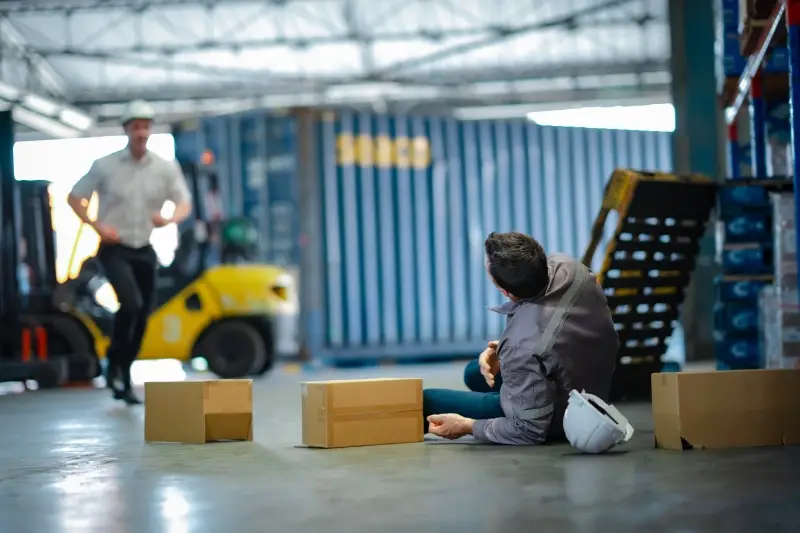
In our last blog post, we discussed the new injury risks and safety hazards that warehouse workers could face in 2020. The addition of advanced technology and artificial intelligence will change the environment of warehouses and many other workplaces across the nation as we move forward into the future. As we mentioned in the last post, workers must speak with their employers about obtaining the proper training to avoid workplace accidents and injuries, but warehouse workers should also take measures to protect themselves on the job and reduce their personal risk of injury. Know the top warehouse safety hazards Recognizing the most common hazards found in warehouses is the first step to avoiding an injury. When workers know the hazards that pose the greatest risk to them, then they can be sure to take extra caution in situations where these hazards could arise. Some of the most common risks in warehouses include: Trips and falls over materials or obstacles left on the ground; Falls from significant heights; Falling objects or equipment; Forklift accidents; and Ergonomic risks while lifting or packing. Workers injured in any of these situations in the course of their work would be entitled to collect workers’ compensation while they recover (Maryland Code, Labor & Employment §9-501). However, there are also steps workers can take to reduce the chance of suffering an injury in the first place. Tips to stay safe while working There are several ways that warehouse workers can help minimize their risk of injury, including: Wearing the proper clothing and protection, including proper shoes, gloves and hardhats if necessary; Trying wearable technology to create a personalized safety plan; Being aware of their surroundings at all times. Look out for hazards on the floor, broken equipment or poor lighting; and Making their safety a priority every day on the job. The focus on safety often falls to the wayside as workers get used to their job. The longer they work, the more their duties seem like second-nature. This often only increases the chance of an injury. That is why making safety a routine and a priority can make a huge difference for workers, especially as their workplaces are set to change so drastically in the future.

Truckers blame training for increase in death rate

Truckers blame training for increase in death rate

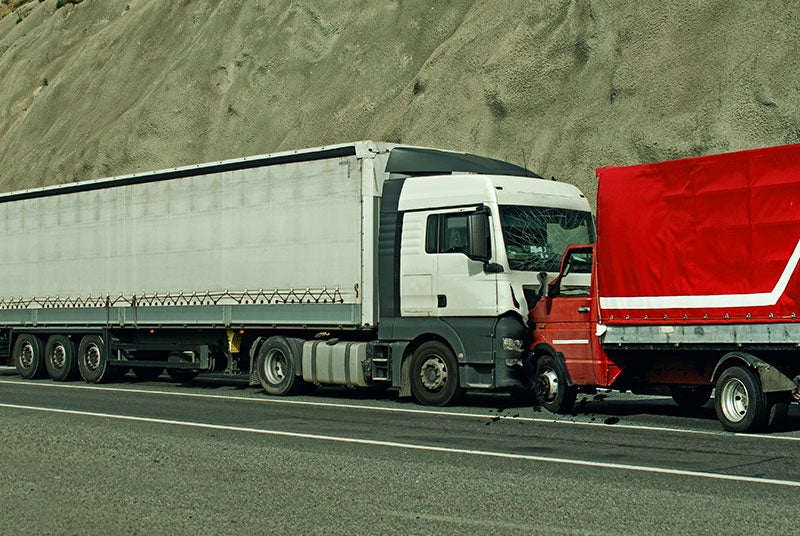
Trucking deaths are up and experts are blaming driver training for the increase. The U.S. Bureau of Labor Statistics reports that 840 truckers died on the roads in 2017, a 25 percent increase since 2011. The trucking industry sees an average of 26.8 deaths per 10,000 workers, compared to the average of 3.5 deaths per 10,000 workers in all other professions. The problem is training, truckers say Experts say the increased death rate among truckers is due to the same thing that is responsible for an increase in deaths among automobile drivers: distracted driving, speeding and lack of seat belt use. One expert said nearly 40 percent of truckers who died in 2017 accidents were not wearing seat belts. Truckers tell a different story. They say that new technologies and a lack of training on how to use them is creating an environment of distracted driving. Trucking companies buy trucks with technologies like lane-departure warnings, automatic braking and adaptive cruise control without putting the drivers through proper training. While the drivers try to figure out the technology, they get into accidents, the truckers say. Accidents lead to action on road into Maryland After many crashes due not only to a steep grade but also to distracted driving, the Pennsylvania Department of Transportation announced in late December a 13-ton weight limit for trucks on a 3.7-mile stretch of State Road 160 in Wellerburg to the Maryland State Line. Trucks making local deliveries will be exempt, the department said. At least 10 trucks have crashed on the steep grade down the mountain, most notably the truck that crashed into a church at the bottom of the grade in November. It was the fifth time in six years the church had been struck by a runaway truck. Police say truckers take the road to avoid tolls and a weigh station on nearby roads.

Industrial accidents are unfortunately common

Industrial accidents are unfortunately common

No matter how hard a company tries, there will be times when an industrial accident happens. While this isn’t always serious, there are situations in which the end result is injury or death. There are many potential causes of an industrial accident. This includes but is not limited to contractor negligence, lack of safety requirements, and faulty equipment. If you’ve been injured in an industrial accident, the first thing you should do is receive medical treatment. You want to have your injuries examined to ensure that you implement the right treatment schedule moving forward. From there, you can review the accident to determine who was at fault. For example, you may find that a third party contractor is responsible because they left debris at the work site that caused your injury. Or maybe you find that the equipment you were using is defective. In this case, it’s the product manufacturer that may be responsible for your injury. When you work in an industrial capacity, you know that you could be involved in an accident at some point. Furthermore, even when you do your best to avoid trouble, you could still find yourself in a bad spot. If you or a loved one has been injured in an industrial accident, you need to know what to expect in the weeks and months to come. You don’t have to face insurance companies and your employer alone. Instead, you have the right to hire an attorney to protect your rights in Maryland. Our law firm knows what it takes to assist those who have been involved in an industrial accident. We make it our goal to help our clients make a full recovery.

Man killed by electrocution in industrial accident in Maryland

Man killed by electrocution in industrial accident in Maryland

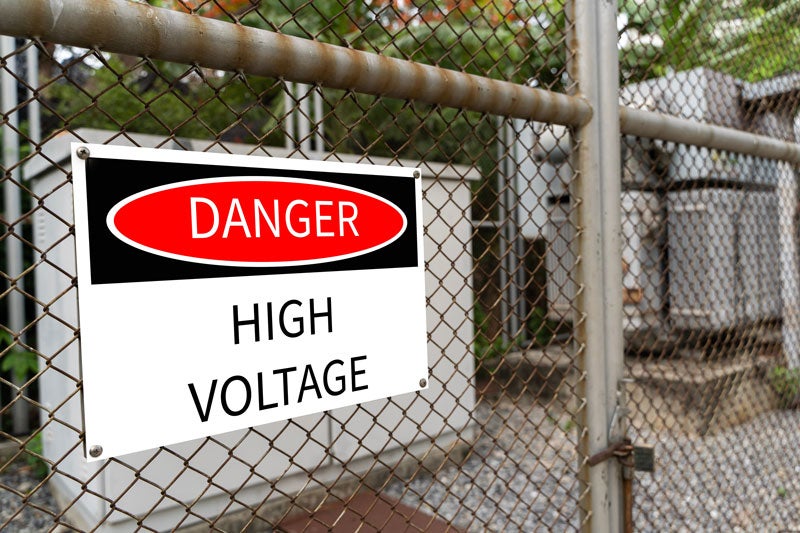
When you’re on the job, you take safety precautions to make sure you don’t get hurt. For instance, if you’re working with electricity, the breaker should be turned off, and you should be wearing the appropriate safety gear. Otherwise, if something goes wrong and safety precautions aren’t taken, you could be seriously injured or killed by electrocution. Take for instance this situation involving a construction worker who was electrocuted in an industrial accident. He was working in a manhole at around 9:50 a.m. on July 27 when he suffered the shock. The site was reportedly close to a site where a hotel was under construction; it’s not clear exactly why the man was electrocuted. When the firefighters responded to the scene, the 44-year-old man was in cardiac arrest. Although firefighters did try to resuscitate him at the scene, their efforts were not successful. Now, the Maryland Occupational Safety and Health Administration will be investigating this case to determine why the man was electrocuted and if the company he was working for should be fined for any breaches in protocol. Following accidents like this one, entire families can be thrown into disarray, especially if the person killed is the main breadwinner. Financial impacts of a wrongful death as well as the emotional toll of the death can be devastating. Fortunately, families of construction workers may be able to seek workers’ compensation death benefits to help cover the costs of the person’s death. They should receive compensation that is ongoing to help compensate them financially for the loss in wages as well. Source: Eye On Annopolis, “Construction worker electrocuted in Rosehaven industrial accident yesterday,” July 28, 2016

Worker killed in industrial accident at Maryland Metals

Worker killed in industrial accident at Maryland Metals

Working in a factory setting or around heavy machinery is dangerous. There’s no way around that. It’s so well known that this is a dangerous industry that there are special safety requirements and a safety administration that oversees workplace accidents. Employers have a responsibility to make sure their employees are working safely. They have to be sure that machines are guarded properly and that everyone using equipment knows how to use it safely. When these things don’t happen, it’s easier for people to get hurt. When you get hurt at work because safety precautions aren’t taken, that can affect you in the long-term. If you’re killed, your family may have to live through the consequences of a preventable accident. In any case, you or your family should be entitled to workers’ compensation, and your attorney may be able to inform you about other kinds of compensation you can apply for also. The family of this teen may be in a position to file a claim after he was killed at work. According to the news, the Maryland Metals employee was killed following an industrial accident at the facility. The news report stated that the man was trapped and crushed to death in a coil polish machine. The 19-year-old man had gotten himself entangled in one of the stainless steel coils, which then pulled him into it. He had been working at the facility for around a month. The Maryland Occupational Safety and Health Administration is investigating the death; so far, police have been able to rule out foul play. They reported that the accident took place at around 2:40 p.m., but the teen was pronounced dead when emergency services arrived. Source: The Baltimore Sun, “ Maryland Metals employee dies in machine,” Jonathan Capriel, June 16, 2016

Knowledge and protection can prevent chemical burns

Knowledge and protection can prevent chemical burns

When it comes to workplace injuries, many people are concerned about chemical burns. Obviously, this is something to think about if you work in close proximity to dangerous chemicals on a regular basis. Many years ago, companies and workers did not know how to protect against chemical burns. Fortunately, things have changed for the better. While more knowledge has gone a long way in preventing these types of accidents, they still impact many people every year. A chemical burn is not the same as a heat burn, and here is why: with a chemical burn, there is no heat involved. While the person may experience a burning sensation, it is the chemical itself, not extreme heat, that is causing the damage. The severity of a chemical burn depends on many factors, including the type of chemical and the length of exposure. Some of the most serious symptoms of chemical burns include tissue necrosis, difficulty breathing, and coughing up blood. It is important for a chemical burn to be treated as quickly as possible, as the longer the substance remains in contact with the skin the more damage it will cause. With the right knowledge, with the right prevention strategy, people who work with dangerous chemicals can avoid injury. In the event that a person suffers a chemical burn, he or she should not wait to receive treatment. Not only should the skin be washed immediately, at the site of the accident, but the person should then seek immediate treatment from a qualified medical team. This can help prevent long term symptoms. Source: Occupational Health and Safety, “ Putting the Lid on Chemical Burns,” accessed May 17, 2016

Serious safety violations cause fatal forklift accident

Serious safety violations cause fatal forklift accident

It’s been awhile since we last wrote about forklift injuries. In our March 1 post, we discussed the issue of safety training and how the lack of it can cause workers to be injured in forklift accidents. This week, let’s look at a fatal accident that recently occured in another state in which a worker was struck and killed by a forklift. The accident occurred in New York, not Maryland. But given how commonly used forklifts are in warehouse and industrial settings, forklift accidents care common occurrences in Maryland and across the country as well. The workplace where the acciddent occurred was a pipe-producing plant. A truck driver who worked for another company was picking up a load. A forklift driver ran into the truck driver and the truck driver was killed. The Occupational Safety and Health Administration (OSHA) investigated the accident. OSHA found that the pipe-producing plant, National Pipe, had committed 16 serious safety violations. As defined by OSHA, a serious violation is a violation in which the employer knows or should know that there is a “substantial probability” of a hazard causing death or physical harm. In this case, two of the serious violations related directly to the fatal accident. OSHA inspectors found that the backup alarm on the forklift hadn’t been working. In addition, the forklift driver at National Pipe lacked a clear view of where he was backing. Inspectors found other safety violations as well at the manufacturing plant. OSHA has proposed penalties in the amount of $67,000 — an amount that is obviously a pittance compared to the loss of a human life. Source: WBNG, ” OSHA cites National Pipe and Plastics following fatal accident,” Candace Chapman, September 30, 2013

Contact Us

Fill out this form below and we'll contact you shortly
*Required Fields