Blog / Industrial Workers' Injuries

Industrial accidents are unfortunately common

Industrial accidents are unfortunately common

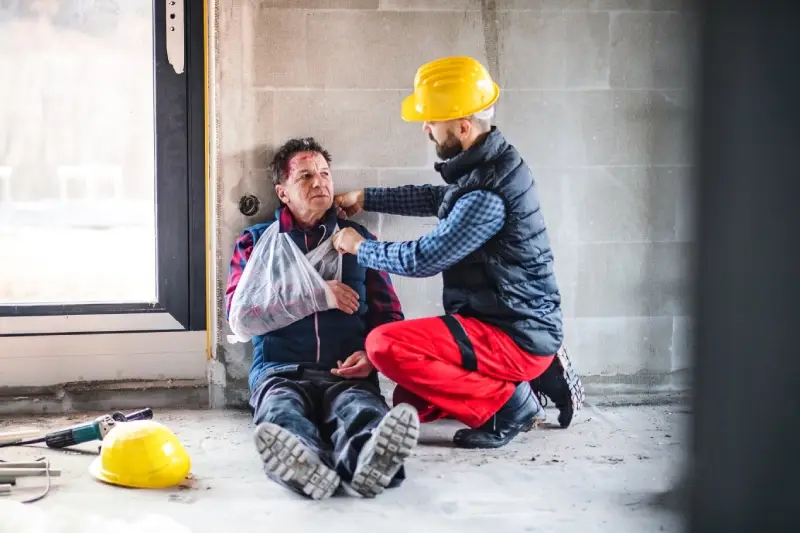
No matter how hard a company tries, there will be times when an industrial accident happens. While this isn’t always serious, there are situations in which the end result is injury or death.

There are many potential causes of an industrial accident. This includes but is not limited to contractor negligence, lack of safety requirements, and faulty equipment.

If you’ve been injured in an industrial accident, the first thing you should do is receive medical treatment. You want to have your injuries examined to ensure that you implement the right treatment schedule moving forward.

From there, you can review the accident to determine who was at fault. For example, you may find that a third party contractor is responsible because they left debris at the work site that caused your injury.

Or maybe you find that the equipment you were using is defective. In this case, it’s the product manufacturer that may be responsible for your injury.

When you work in an industrial capacity, you know that you could be involved in an accident at some point. Furthermore, even when you do your best to avoid trouble, you could still find yourself in a bad spot.

If you or a loved one has been injured in an industrial accident, you need to know what to expect in the weeks and months to come. You don’t have to face insurance companies and your employer alone. Instead, you have the right to hire an attorney to protect your rights in Maryland.

Our law firm knows what it takes to assist those who have been involved in an industrial accident. We make it our goal to help our clients make a full recovery.
Posted in:

Related Posts

3 dangers of working in a warehouse

3 dangers of working in a warehouse

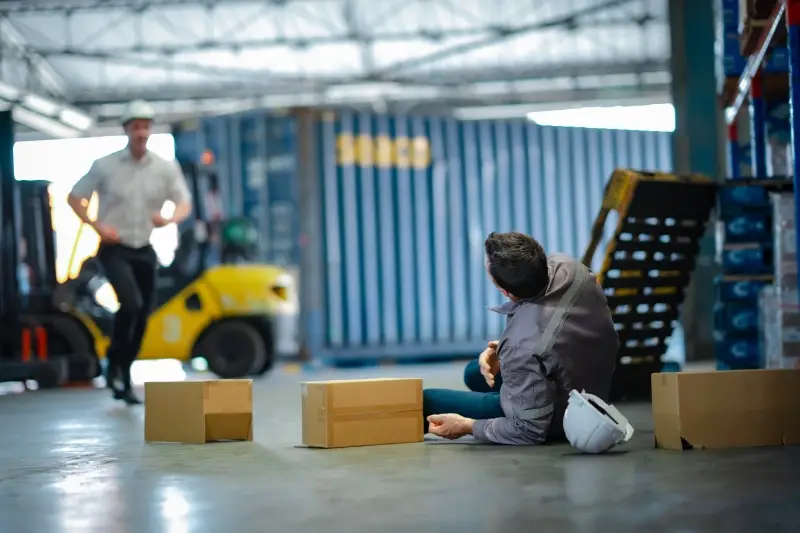
Warehouse work can be inherently dangerous. Receiving proper training and carefully following safety protocols can greatly reduce the risks warehouse workers face. However, accidents can still occur and being mindful of some of the greatest dangers can be helpful. If you are a warehouse worker, beware of three of the most common dangers workers face: 1. Slip, trips and falls There are a lot of moving parts on the floors of a warehouse. Forklifts can spill fuel or oil, shipping containers that contain liquids may leak and weather (such as rain or snow) could cause a warehouse floor to quickly become slick or icy. Slip-and-fall accidents because of a slick floor can cause serious injuries to a hapless worker’s spine and head. 2. Falling shipping containers If crates were incorrectly loaded or quickly moved during their delivery, then they could fall over onto unsuspecting workers. The weight of a shipping container could be enough to break bones, cause internal bleeding or even lead to amputations of crushed limbs. 3. Forklift accidents Many employees who work at warehouses go through little to no training before setting foot on a forklift. Inexperienced forklift users can be extremely dangerous behind the wheel. Not only can forklifts get into wrecks, but their pronged equipment can be lethal on the warehouse floor. If a forklift driver does not correctly angle their prongs before use, they could send the vehicle flipping. Reckless drivers could even impale these prongs into shipping containers, trucks or other employees. If you’ve suffered serious injuries that prevent you from continuing to work, you have every reason to expect workers’ compensation benefits to provide for your medical care and other costs while you are unable to work. If your workers’ compensation claim seems stalled or delayed in any way, don’t hesitate to seek legal assistance from an attorney whose practice has a concentration in Workers’ Compensation law.

Why two hand controls are safer when operating industrial machinery

Why two hand controls are safer when operating industrial machinery

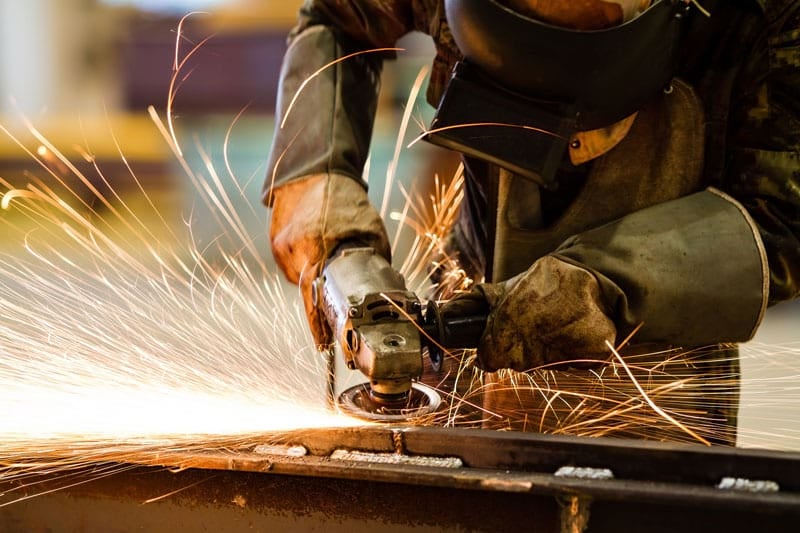
If you work with heavy pieces of machinery, such as a hydraulic press, you theoretically just need to push one button to start the machine. However, many manufacturers actually include two controls, which must be pressed simultaneously in order to activate the machine. This is not just done with hydraulic presses, but with many other types of heavy machinery. Why are these devices seemingly over-engineered by putting two controls that the operator must use at the same time? Preventing amputation injuries is the objective The main reason for the two-handed controls is that these prevent very serious injuries, including amputation or crush injuries. These were common when workers just had to push a single button because someone could absentmindedly leave their hand in the area where the machine would be working. For instance, a press could come down and crush the worker’s hand if it was sitting on the material’s surface. By forcing the workers to use both hands just to activate the machine, it guarantees that they can never do this accidentally. Workers may find this to be somewhat tedious. They may believe that it is overly complicated and makes it harder to do their job quickly – but it does work very well in preventing these significant injuries. Machines are designed specifically in a way that removes a lot of the risk. Risks are still present when working with heavy machinery Of course, nothing can ever remove all of the risks surrounding any industrial job. Any time that you work around heavy machinery, there is a chance that you could suffer serious injuries. If this does happen to you, make sure that you understand all of the legal options available to you to obtain the workers’ compensation benefits you and your family need while you recover.

Beware these forklift hazards

Beware these forklift hazards

Forklifts revolutionized warehouse and construction work. They improved efficiency and eased at least some of the physical duties of workers. Despite their many advantages, forklifts bring a lot of risks to both those operating them and those surrounding them. Driving forklifts comes with some dangers, as does merely being in the same space as them. Here are some key risks to be aware of: Poor or improper training According to OSHA, only trained and certified workers are able to operate a forklift. Untrained or poorly trained workers can pose a significant risk in the workplace. Speeding Any kind of reckless operation of the forklift can lead to danger and one of the biggest risks is speeding. Forklift operators must adhere to the proper speed limit of the machine and maintain constant vigilance of their surroundings. Blind spots Blind spots can pose a risk to forklift operators and those around them. Operators should always have clear visibility of the area around them. A clear understanding of the layout of the workplace is important, so operators must understand areas where visibility may be lower and extra caution is required. Tipping risk It is sometimes necessary to travel with a load high off the ground to move past an obstacle. If the ground is uneven or the operator turns or brakes too sharply, it could put the load off balance and tip the machine. Forklifts can also pose a tipping risk if the load is too heavy or unevenly balanced on the machine. Improper maintenance Lastly, ensuring the forklift is clean, properly maintained and in safe operating condition is critical. Any forklift found to be in poor condition should be removed from service and either repaired or replaced. If you are injured by a forklift, you could face considerable time off work and significant medical bills. Understanding how to claim workers’ compensation benefits will be crucial.