Legal Advice Blog: Legal Advice, Case Insights, & Local Law Information

All Workers' Compensation Car Accidents Workplace Accidents Workplace Injuries Construction Workers' Accidents Medical Malpractice Industrial Workers' Injuries Product Liability Personal Injury Truck Accidents Firm News Wrongful Death Uncategorized
What Maryland drivers need to know about road rage

What Maryland drivers need to know about road rage

There are many choices and behaviors that could result in motor vehicle collisions. Difficulty controlling emotional reactions can play a role in an individual’s crash risk. Those who succumb to their intense emotions while driving can make impulsive decisions that have long-term consequences. According to researchers looking at traffic behaviors, the number of reported road rage incidents in recent years has increased significantly. Maryland has seen quite a few incidents that have resulted in collisions and even in armed confrontations. Drivers need to be ready to protect themselves and their passengers if someone else displays irrational behavior in traffic. How road rage causes injuries There are two main mechanisms through which road rage can cause injury to people. The first is through preventable collisions. When a driver loses their temper in traffic, their conduct can increase crash risk. Road rage drivers may cut others off in traffic and slam on their brakes. They may swerve into other lanes of traffic to frighten people. They can cause dangerous distractions by honking, screaming at people and trying to maintain their attention. Road rage drivers can also injure people by following others to their destination and initiating a confrontation that culminates in an assault or worse. How should drivers respond to road rage? Generally speaking, there are two ways to reduce risk in a road rage scenario. The first involves ignoring the other driver. By failing to feed into their anger, a motorist targeted by a road rage driver could keep the situation from escalating. The second option is to reroute to avoid the road rage driver. Road rage incidents frequently occur on high-speed streets, such as interstates. By exiting and taking an alternate route to a destination, motorists may be able to avoid ongoing misconduct and could reduce their risk of an in-person confrontation. In scenarios where a road rage driver seems intent on following another motorist, it may be necessary to contact law enforcement or drive to a public location, like a grocery store. The presence of other people could limit the misconduct of the motorist experiencing road rage. If a road rage incident results in a car crash or other injuries, the person targeted by the road rage driver may need to take action. Call the police immediately to report the crash.  Filing an insurance claim or even a lawsuit can help hold a motorist with road rage accountable for their bad behavior. Depending on the situation, follow-up in a criminal action with the State’s Attorney may be necessary to obtain Court ordered restitution.

Minors and workers’ comp: What Maryland parents should know

Minors and workers’ comp: What Maryland parents should know

When most people think of a need for workers’ compensation benefits, they picture a middle-age or older worker in a potentially dangerous job like construction or some kind of manufacturing or industrial work. The fact is that most workers in Maryland are eligible to receive workers’ comp for an “accidental personal injury arising out of and in the course of employment.” That includes teen workers. While most teens who work after school, on weekends and/or during vacations don’t think about workers’ comp and maybe even have never heard of it, they should know that minors have the same right to these benefits, which cover medical care, wage reimbursement and even vocational rehabilitation, as adults do. Their parents need to know about their rights also. What if a minor is illegally employed? Both federal and state child labor laws and other labor regulations detail what kinds of jobs workers who are under 18 can do, at what ages kids can be employed in any job and when work permits are required. Unfortunately, not all employers abide by those laws. So, what if a minor who is illegally employed suffers an injury? Fortunately, under Maryland law, they aren’t penalized when it comes to getting workers’ comp benefits. In fact, they may be eligible for more benefits because their employer wasn’t abiding by the law. Maryland law states that the Maryland Workers’ Compensation Commission “may double the amount of compensation and death benefits” authorized by the law. Further, the law stipulates that “the employer of the minor is solely liable for the increased amount of compensation or death benefits….” That means the employer can’t ask their workers’ comp insurer to pay that extra amount owed. Protecting minors’ rights Teens who suffer an injury that entitles them to seek workers’ comp benefits may face pressure from their employer not to file a claim. They may even be given inaccurate information – intentionally or not – about their rights to workers’ comp and what retaliatory action could take if they do. If their employer hasn’t been following the law, that’s even more likely to happen. This is just one reason why it’s crucial for parents to understand their children’s rights under the law and to help them assert those rights if necessary. Having sound legal guidance can help minors get the workers’ comp benefits they deserve.

How does uninsured/underinsured motorist coverage work?

How does uninsured/underinsured motorist coverage work?

Most car crash insurance claims involve standard liability coverage. State law requires that every driver carry minimum amounts of liability insurance coverage. Proof of coverage is necessary to register a vehicle, but not everyone remains compliant with the law. Drivers forget to pay their premiums or choose to cancel their policies. As a result, some people end up in collisions caused by drivers who cannot provide them with the appropriate insurance coverage. In such scenarios, drivers may need to rely on uninsured motorist protection. Those facing catastrophic injuries or dealing with the aftermath of a fatal collision may require the support of underinsured motorist coverage. How does uninsured and underinsured motorist coverage function after a car crash? Drivers rely on their own policies State law only requires liability coverage for injuries and property damage. It also requires uninsured/underinsured motorist coverage for at least the same amount as liability coverage, which currently is $30,000.00, in Maryland. If a driver is at fault for a crash, their liability coverage helps pay for the expenses and injuries of the other people involved in the incident. If an accident you are in is caused by an uninsured driver then your claim for damages is against your own insurance company under your uninsured motorist coverage. Many drivers carry more liability coverage than the state requires. In scenarios where the driver at fault for a crash lacks an appropriate policy or has insufficient coverage, the people affected by the crash can file a claim against their own coverage to recoup their losses. Uninsured and underinsured motorist protection helps reduce the inherent risk of traveling in a motor vehicle and reliance on other people to make appropriate insurance coverage decisions. As is the case with liability insurance claims, uninsured and underinsured motorist claims are subject to the policy limits set by the policyholder. However, the policyholder may need to negotiate assertively with their own insurance company to obtain adequate compensation after a crash with a driver who lacks insurance or who has a bare-bones policy that is insufficient to cover your damages. Seeking legal guidance when a car crash produces major expenses and injuries  is often necessary due to the  complex claims process. Drivers who have assistance when dealing with uninsured/underinsured  motorist coverage claims can often focus more on addressing vehicle repairs and their medical recovery instead of the fight with their own insurance company as to what is fair compensation for their injuries and damages.

Maryland guide to winter driving safety

Maryland guide to winter driving safety

The changing seasons bring a variety of safety concerns, including unique road conditions. Maryland winters can be relatively harsh. Inches of snow can accumulate overnight, and people can encounter black ice on streets that might initially seem safe and dry. Drivers need to be ready to handle the unique road conditions present during the winter months in Maryland. What safety tips can help Maryland motorists reach their destination this winter? Adjust driving habits Winter weather conditions can cause ice on the road or blowing snow that causes whiteouts. Best practices include avoiding driving during times of inclement weather, including heavy sleet and rough winds. When drivers do have to be out on the roads in bad conditions, they typically need to make some adjustments to how they behave. The two most important adjustments are to lower overall speed and to increase following distances. People may need to leave earlier to allow more time to travel. Leaving more space between vehicles and driving at a slower rate makes it easier to stop and respond to unexpected traffic situations. Drivers may also need to be more defensive and aware of others to avoid those who lose control or who don’t slow down as they should. The state recognizes these traffic hazards and recommends adjusting driving behavior accordingly. If motorists cause crashes by driving as though the weather were normal, the state could theoretically hold them accountable for that decision by citing them. Failing to slow down and make other driving adjustments in inclement winter weather could constitute negligence. Keep the vehicle well-maintained Proper vehicle maintenance is crucial for safety during winter weather. Drivers need good tread on their tires and windshield wipers that can clear falling snow and ice so that they can see.  Drivers may also want to carry winter safety kits that include warm clothes, flares and equipment to help them if they end up stranded on the side of the road. Being ready for winter driving hazards can help people avoid car crashes related to the weather. Drivers who can’t avoid collisions due to the mistakes of others may need help holding those outside parties accountable for the losses caused by a crash. Involved in a winter driving accident? Contact Cohen, Snyder & Eisenberg for a free consultation.

Can seasonal employees qualify for workers’ compensation

Can seasonal employees qualify for workers’ compensation

For many people, a steady full-time job is their main professional goal. They want the benefits and stability that come from working consistently at the same company. Others may only need seasonal or part-time employment. They may have already retired, may have a full-time job or may devote most of their energy towards caring for their families because they have a spouse who works full-time. Those working seasonal or part-time jobs may enjoy flexible scheduling and more time at home. Unfortunately, only working part-time does not eliminate the possibility of a job-acquired injury or an illness related to work responsibilities. Part-time workers can end up with major medical challenges caused by their work. Are they eligible for workers’ compensation benefits if they get hurt as a seasonal or part-time employee? Scheduling does not influence benefit eligibility There are certain scenarios in which workers may not be eligible for workers’ compensation benefits. If they are independent contractors rather than employees, they may not qualify for workers’ compensation benefits. Likewise, casual employment may not be covered employment. Workers also need to show that their conditions are a direct result of their employment. Getting hurt on the way to or from work usually does not make an employee eligible for workers’ compensation. However, getting hurt in the Employee’s designated parking lot  or walking from the parking lot into work is usually covered as are injuries after clocking in for work. Both injuries sustained at work and medical conditions acquired because of job responsibilities may be eligible for workers’ compensation coverage. Part-time or seasonal employees can qualify for the same medical benefits as those who are full-time, permanent employees at an organization. They may even be able to receive disability benefits to replace a portion of their lost wages. If their medical issues affect their ability to work or force them into lower-paid jobs, they may be able to request disability benefits. Regardless of how long someone has been with a company or how many hours they work, they could be eligible for benefits after getting hurt at work. Those in unusual work arrangements may have more challenging workers’ compensation claims ahead of them. Learning more about the rules that govern benefits can help workers get the assistance they need when an injury at work requires medical care or affects their employment.

What rights do drivers have after multi-vehicle crashes?

What rights do drivers have after multi-vehicle crashes?

Some car crashes lead to very simple determinations of fault and compensation for those affected. When a collision involves two vehicles, it is often easy to analyze the situation and determine who may be responsible. Collisions can quickly become complicated and more difficult to handle when they involve multiple vehicles. Sometimes, collisions at intersections or on multi-lane highways involve three or more vehicles. Those crashes often require in-depth investigations and may result in complex compensation claims. What are the rights of those involved in a multi-vehicle crash? The right to a proper investigation State law requires that those involved in collisions that lead to injury or significant property damage file a crash report with local authorities. The police officers responding to a multi-vehicle collision should investigate the situation thoroughly. Not only do they need to collect evidence about the scene of the crash, but they may also need to question the drivers involved and any witnesses who can provide insight into the collision. That investigation can help establish who is at fault, paving the way for compensation claims from the parties who are not responsible for the multi-vehicle collision. The potential right to seek compensation Those who are not at fault for a crash typically have the option of filing an insurance claim against the party responsible for the wreck. In a multi-vehicle collision, more than one party may be at fault. There may also be significant damage that may make a lawsuit necessary because an insurance claim may not offer adequate compensation. Litigation in a multi-vehicle scenario can be a challenge, as the state of Maryland has a pure contributory negligence standard. If the courts determine that the plaintiff is even 1% at fault for the crash, they may not be able to seek compensation via a lawsuit. Regulatory violations like speeding, distraction while driving and failure to maintain an appropriate following distance are all examples of negligence that might prevent motorists from seeking compensation from others. In scenarios where the plaintiff did not use their seat belt, their failure to properly utilize safety restraints does not constitute negligence that prohibits them from seeking compensation. Drivers and passengers involved in a multi-vehicle crash who are not responsible for the collision may be able to obtain compensation for their property damage losses and any expenses related to injuries, including medical care costs and lost wages. Those pursuing large insurance claims or wanting to initiate litigation after a multi-vehicle crash also have the right to partner with a lawyer throughout that process so that they can focus on recovering medically instead of worrying about recovering financially. To that end, learning about the rules that apply after multi-vehicle collisions can help drivers assert themselves in scenarios that may otherwise lead to significant financial setbacks. Drivers who were not at fault and their passengers immediately after an accident should contact an attorney experienced in personal injury claims to discuss their rights to compensation for their injuries and losses.

3 factors that increase the risk of a teen driver crashing

3 factors that increase the risk of a teen driver crashing

Teenage drivers have a bad reputation. People tend to talk about teen drivers as though they are particularly unsafe, even though many drivers make poor choices in traffic occasionally. There is a degree of truth underlying the cultural bias against young drivers. The biggest concern is often their lack of experience. People need hundreds of hours of driving time before they become truly competent and confident drivers. Teens lack experience, which is perhaps the one universal factor shared by all young drivers. Some teen drivers are incredibly cautious, while others may be somewhat reckless. Just being young does not automatically mean a driver is unsafe. There are often secondary factors in play when teenagers end up involved in collisions. The three factors below are among the biggest safety concerns for new drivers. 1. Driving after dark Many of the worst crashes involving people of all ages occur after the sun sets. Lack of visibility, driver fatigue and more impaired motorists are all safety concerns after dark. Statistically, many of the worst collisions involving teenage drivers occur at night time. Parents worried about a teen driver’s safety may want to limit a youthful driver’s time on the road in the evening. 2. Distraction at the wheel Obviously, texting while driving or using social media can be a bad decision for people of all ages. However, teen drivers are particularly susceptible to distraction because they have grown up with technology and place high levels of importance on their social relationships. Even when they avoid using devices at the wheel, they may be at risk of distraction when they have other teen passengers in their vehicles. Frequently, the worst crashes involving teenage drivers occur when they have multiple other young adults in the vehicle with them. 3. Regulatory infractions Traffic safety laws exist to diminish the risk of a wreck. Teen drivers lack the experience to handle increased risk proficiently, making rule violations particularly dangerous for them. Many tragic teenage car crashes involve the young adult under the influence of alcohol, exceeding speed limits or failing to use safety restraints as required by the law. Parents who set good examples and consistently enforce certain traffic safety rules can help limit the chances of a teenage driver causing a car crash. Young adults often require regular reminders and clear enforcement of rules to internalize those standards for their own safety.

Mistakes on the job don’t eliminate workers’ compensation options

Mistakes on the job don’t eliminate workers’ compensation options

Many professionals in Maryland know that their jobs come with a degree of risk. It only takes a small oversight for someone operating a machine press or a similar piece of heavy equipment to end up seriously injured. Most businesses in Maryland have to carry workers’ compensation coverage to protect their employees. Part-time and full-time workers and even seasonal employees can qualify for benefits when they have job-acquired medical issues. Unfortunately, some scenarios may lead to complicated or even contested claims. Workers  may fear that their employers could try to fight their claims in certain circumstances. A worker who feels responsible for their injuries might assume that they cannot pursue a workers’ compensation claim. Thankfully, fault does not generally influence eligibility for benefits. Workers have the protection of no-fault coverage The workers’ compensation program in Maryland helps protect businesses from financial liability and employees from potential financial devastation. Companies that comply with the law don’t have to worry about workers suing them over an injury they develop because of their work. Their workers’ compensation helps indemnify them against any direct liability for worker injuries or illnesses. Workers can rely on benefits when they require medical care for a job-related health challenge or cannot work due to their condition. Employees don’t have to worry about proving who was at fault when they need benefits. Workers’ compensation coverage is available on a no-fault basis. Even if there were witnesses present who saw someone trip over their own untied shoelace or video footage of the worker making a mistake, errors on the job usually do not eliminate benefit eligibility. So long as the worker did not injure themselves on purpose or through intoxication on the job, they can potentially still seek benefits even when it is clear that they are technically to blame for their injuries. They can obtain medical benefits that can cover their treatment costs and disability benefits to replace their wages while they cannot work. Occasionally, workers may need to be ready to appeal if employers or insurance providers try to deny them the benefits they need. Learning more about how Maryland workers’ compensation functions can help employees obtain the support they require. Workers can file a claim regardless of the underlying cause of their injuries in most cases.

Why employees may need workers’ comp if they break a leg at work

Why employees may need workers’ comp if they break a leg at work

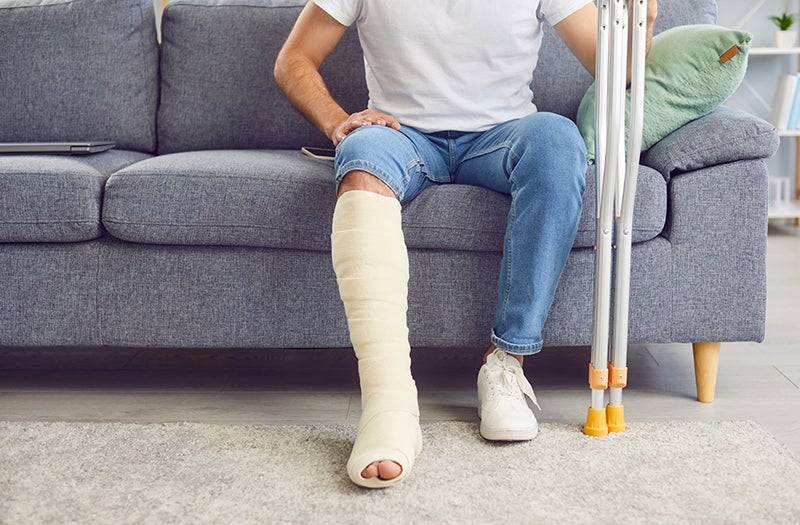
Workers’ compensation coverage in Maryland is typically available to individuals in many different professions. Part-time and seasonal workers, employees on their first day and even teenage cashiers may be eligible for workers’ compensation benefits if they get hurt on the job. Some professionals, including blue-collar employees, may try to avoid using workers’ compensation. They worry about alienating their employer or believe they have the necessary resources to handle the issue on their own. For example, if a worker breaks their leg on the job, they may believe they can use their own health insurance coverage to pay for their treatment. They could cash in their paid leave benefits until they recover enough to return to work. What those workers may not realize is that they may ultimately absorb thousands of dollars in losses if they don’t file a workers’ compensation claim. Broken legs take months to heal The first important consideration for a blue-collar worker with a broken leg is how long their body requires to heal the injury. The recovery time depends on what bone someone breaks. Femur fractures are relatively rare, while tibia and fibula fractures are somewhat more common. The femur does take longer to knit than the tibia or fibula. However, regardless of what bone a worker breaks, they can anticipate missing two months or more of work unless their employer can accommodate them. Someone with a broken bone in their leg probably can’t be on their feet all day. They cannot perform the arduous tasks associated with blue-collar work. They could easily burn through all of their accumulated paid time off benefits and still have several weeks of recovery time ahead of them. Workers’ compensation coverage provides disability benefits. Temporary disability coverage can replace 2/3rds of the worker’s lost wages, tax free, until they can get back to work. This saves the workers accumulated sick leave for off-the-job injuries or illnesses they may encounter. They may also be eligible for partial disability benefits if their employer moves them to a different position and reduces their wages. Those benefits allow the worker to preserve their paid leave without losing all of their income during their convalescence. Additionally, the health benefits available through workers’ compensation are quite valuable. Most health insurance plans have high deductibles and also coinsurance requirements. Someone with a broken leg may have to pay thousands of dollars for their treatment. Health coverage through workers’ compensation can pay for 100% of an individual’s treatment expenses until they recover fully or stop responding to treatment. Finally, even after a worker returns to work, they may still have some pain or restriction in the use of the injured body part, so as to make more difficult the work they perform. In that case they may be entitled to an additional monetary award for permanent partial disability from the Maryland Workers’ Compensation Commission. Filing a workers’ compensation claim is often the best solution for someone with a broken leg or other injury caused by their job activities. Those who understand the benefits available may see the value of pursuing a benefits claim.

Who’s at fault in a multi-car pileup?

Who’s at fault in a multi-car pileup?

Being involved in any kind of car wreck is a traumatic experience, but this situation becomes undeniably more complex if you’re dealing with a multi-car pileup. One of the most difficult aspects of these cases is that it can be difficult to determine fault so that you know who to name as defendants in a personal injury claim. There are many factors that are involved in determining fault for a multi-car crash. In many cases, crash reconstruction experts are called in to help with this undertaking. Understanding how fault is determined and how fault determinations can impact a personal injury claim can be beneficial if you’re a victim of a multi-care pileup. How is fault determined? In a multi-car pileup, determining fault usually requires investigating the sequence of events that led up to a plaintiff’s vehicle being struck. Determining who has incurred liability for the crash can sometimes come down to what’s noted in police reports, witness statements and other evidence. In many cases, the driver who initiated the primary crash is the one who’s considered at fault. There are also instances in which multiple drivers and/or third parties might also share responsibility for a wreck. A number of factors, such as tailgating, speeding or failing to react appropriately while driving may play a role in who’s fault. If multiple drivers share fault for your recent crash, they may all be held liable in court for the financial damages you’re claiming as a result of your harm. How can fault affect a vehicle accident claim in Maryland? Maryland follows contributory negligence law. This means that if you’re found to be at fault at all for the collision, you will not be able to collect damages in a lawsuit. If you think the other driver was 100% at fault for the accident, you should speak with a lawyer who can investigate the claim and determine liability. Multi-car pileup personal injury claims can be complex, so it’s beneficial to have the assistance of a legal representative to help protect your rights. If you are entitled to damages under Maryland law, you need an experienced attorney to take swift action because of the state’s statute of limitations.

3 safety rules that can reduce a teen’s risk of a car wreck

3 safety rules that can reduce a teen’s risk of a car wreck

Most teenagers look forward to getting their driver’s licenses with eager anticipation. They look forward to going out on the road independently. Parents often worry about their young drivers for the same reason. When they aren’t present to give advice, they may worry about their new driver making the right choices in traffic. Parents do largely have to give up a degree of control when they agree to let their young adults drive. However, they can implement and enforce certain rules that could reduce the risk of their teen driver causing a crash. Establishing informed rules early is important, as is enforcing them if there is any provable violation that occurs. What rules can reduce a teenager’s chances of causing a collision? Limits on passengers The other occupants of a vehicle can be a serious source of distraction. A parent has likely already explained that the teen driver cannot text while driving because of distraction risks. They may not have addressed how dangerous in-person conversations can be. Limiting a young adult to no more than one other teenage passenger is often the safest option. In Maryland, Provisional Licensed drivers under 18 yrs. of age can only transport their family members, not their friends, teammates or coworkers, if they too are under 18 yrs. old. Rules about nighttime driving The nighttime is one of the most dangerous times to be on the road for anyone. Visibility issues, animal activity and drunk drivers are all hazards that can cause crashes after dark. Teen drivers who lack experience on the road are particularly vulnerable after the sun sets. A significant portion of the worst collisions involving young drivers occur during the night time. Having a rule that a young adult must be home by the time the sun sets or limiting them to nighttime driving if they need to get home from athletic activities or a part-time job could improve their overall safety. A rule about calling home after drinking Parents generally want their teenagers to make responsible choices. Those choices typically do not involve consuming alcohol or other mind-altering drugs. Despite a parent’s hopes, many young adults experiment with drugs or alcohol at some point in their high school careers or when they first start college. If they fear getting caught, they may try to drive home while under the influence. Parents who implement a rule where a child can avoid extra penalties if they call home and admit that they are not safe to drive could prevent a tragedy from occurring. With all of this said and done, however, it is important to understand that accidents may still occur. In cases where teens end up involved in car crashes that they did not cause, they may need help handling the aftermath. Proving fault and holding another party accountable can be difficult tasks for young drivers to handle without proper support.

Spinal cord injuries can lead to lifetime challenges

Spinal cord injuries can lead to lifetime challenges

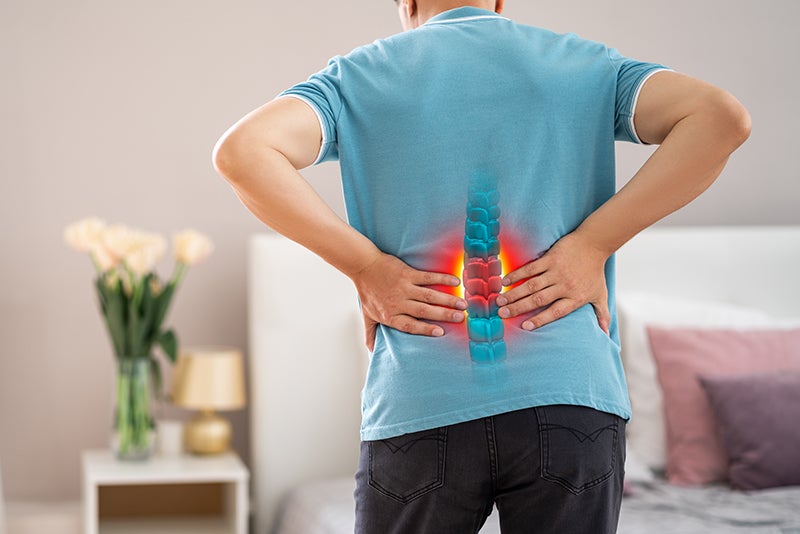
The spinal cord transmits messages between the brain and the body. When it becomes damaged, those nerve signals are impacted. This changes the way the body functions, which can lead to challenges. For victims of catastrophic spinal cord injuries (SCIs), such as those that occur in car crashes, learning to live with these challenges can be difficult. In some cases, therapy, assistive devices and personal care assistance can help them to live the best life possible. Physical and medical challenges Some SCIs lead to a loss of motor and sensory function below the level of the injury. This can result in paralysis, weakness in the affected area or an inability to use the body normally. These impacts can affect the limbs, as well as the internal organs. In addition to potential complete or partial paralysis, SCIs can cause secondary health issues. These include: Chronic pain Muscle spams Pressure sores Sexual dysfunction Excretory dysfunction or incontinence Respiratory challenges Some of the effects that occur immediately after the car crash might be due to spinal shock, which makes the effects of the injury temporarily worse. This should begin to abate in the days following the wreck. Emotional and psychological challenges The emotional and psychological impact of a spinal cord injury is significant. Many individuals experience depression, anxiety and grief as they come to terms with their new lifestyle. The sudden change in physical capabilities can lead to a loss of independence, affecting self-esteem and overall mental health. Economic and vocational challenges Spinal cord injuries often result in significant economic challenges. The cost of medical care, rehabilitation and assistive devices can be substantial, placing a financial burden on individuals and their families. These increased expenses come a time when the victim might be unable to work as they did before the crash, which can reduce or stop their income. Seeking compensation from a negligent driver is one option for victims of crashes caused by negligence. This must be done within a short time frame that’s set by state law. Legal assistance can make it easier for them to get their case together and get it handled in a timely manner.

Contact Us

Fill out this form below and we'll contact you shortly
*Required Fields