Blog / Wrongful Death

Companies accept responsibility in train crash

Companies accept responsibility in train crash

Several companies took rightful responsibility for their roles in a deadly 2009 train crash that claimed the lives of nine people. The admission of guilt brought to rest seven of nine wrongful death lawsuits stemming from the accident, which left many others injured.

The details of the settlement were not disclosed to the public. But based upon settlements in similar accidents, the total likely reached into millions of dollars.

The settlement came on the heels of Metro, the transit agency in charge of operating the train system, accepting responsibility for a crash that has been called the deadliest in the agency’s history. Businesses that produced some of the equipment that malfunctioned just before the crash also accepted blame for their roles.

One of these companies is based in Maryland. The company was responsible for developing a warning system to help Metro officials track the trains. This system apparently did not work correctly, contributing to the events of the crash.

Two other companies from outside of the United States admitted to fault in the incident. Both companies produced equipment that is used in the train system.

No officials from either the companies or Metro were willing to speak about the recent development in the case. A spokesperson for Metro said the company was forbidden from discussing it because the case is ongoing.

After a thorough investigation, officials determined the crash was caused by malfunctioning equipment. One of the trains had stopped on the tracks, but the program did not alert supervisors to it. This allowed another train to collide with it. The National Transportation Safety Board also called into question Metro’s attitude over safety, citing an unwillingness to correct reoccurring safety issues.

The last two remaining wrongful death cases will go to trial in March. With Metro accepting responsibility, the trial should not last long and will likely be decided in favor of the plaintiffs.

Source: The Washington Post, “DC transit agency Metro settles 7 wrongful death suits from 2009 train crash that killed 9,” The Associated Press, Feb. 15, 2012

Posted in:

Related Posts

Mother talks about underage drinking after Maryland teen’s death

Mother talks about underage drinking after Maryland teen’s death

A woman whose son died after drinking an alcoholic energy drink says that parents need to be more aware of how their kids are spending their time. The car accident that caused his death happened just after he’d spent the day with friends, drinking a beverage that another adult had purchased for them. The 13-year-old’s parents said he typically spent Saturday afternoons hanging out with friends, eating fast food and shooting hoops at a park in Parkville, Maryland, so nothing seemed unusual when he texted his mother for a ride home. But when her fiancé went to pick up the boy and his friends, the teen said he felt sick. On the way home, he opened the front passenger door, fell out of the car and was hit by an SUV passing by. He died that evening at a hospital. His parents discovered the boy had been drinking Four Loko, a caffeine-infused energy drink that an adult had purchased for him and his friends, who said the boy had already thrown up twice before getting into the car. The drinks have grown increasingly popular with underage drinkers for their high amounts of caffeine, sugar and alcohol. One drink can contain the equivalent of four beers. The makers of Four Loko say on their website that the company exceeds federal labeling requirements and works to ensure its products stay out of the hands of minors. “Four Loko contains seven different warnings about the product’s alcohol content and the necessity of an ID for purchase,” the website says. The person who supplied the drink to the boy and his friends hasn’t been identified, but the boy’s mother urged parents to communicate with their children about the dangers of underage drinking. She worries that many parents are in denial, as she was, about their habits and experimentation with alcohol. Many parents also offer kids and their friends alcohol to score popularity points. But adults who encourage teens to drink could be held liable for injuries or fatalities that happen as a result, which won’t make them seem very cool in the end. Source: The Baltimore Sun, “Mother speaks out about underage drinking after son’s death,” Mary Gail Hare, Feb. 21, 2012

Drug use can complicate workers’ comp claims

Drug use can complicate workers’ comp claims

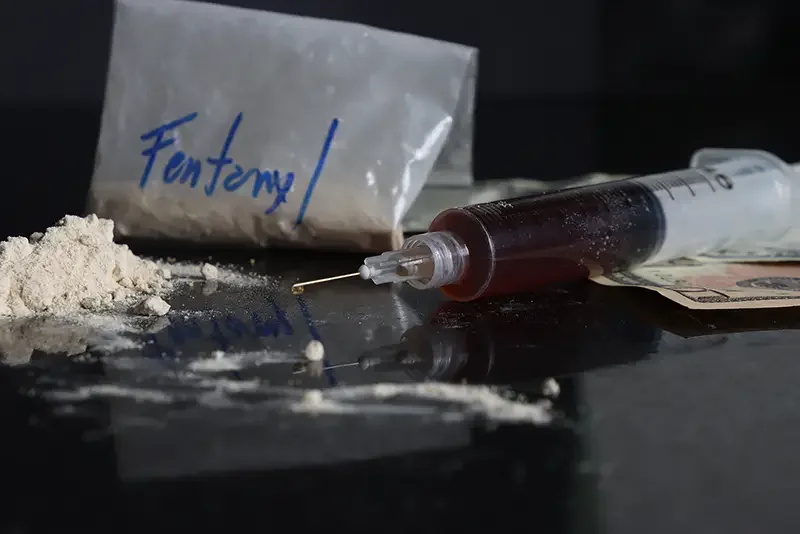
Drug use in the workplace can inspire serious consequences for both workers who are trying to avoid occupational harm and for some who have already suffered due to work-related circumstances. For example, in Maryland, workers who are injured on the job are generally entitled to benefits regardless of fault. However, if drug use played a role in causing their work-related harm, those benefits can be denied or significantly reduced. Proving—or disproving—that connection often becomes a central issue in workplace injury cases involving positive drug tests. Workers’ comp is a no-fault system… most of the time Under Maryland law, employers or their insurers can argue that intoxication or drug impairment was the primary cause of an accident. If successful, this defense can prevent an injured worker from receiving compensation for medical care, lost wages or disability. The key question is causation: Did the drug use directly contribute to the injury, or did the accident occur independently of any impairment? For example, a worker who tests positive for an illegal substance after being struck by falling equipment may still be eligible for benefits if their impairment had no role in the incident at issue. Recent research underscores how pervasive workplace drug use has become in recent years. For example, a recent survey published by the National Safety Council indicates that one-third of American workers have witnessed the use of cannabis by others during work hours. Additionally, “More than half of employers that eliminated THC testing reported an increase in incidents or workplace performance concerns.” This trend suggests that many workers use marijuana while on the clock, potentially due to stress, chronic pain or “simply” accessibility. Marijuana use can cause drowsiness, confusion, apathy and slowed reaction times—all of which heighten the risk of workplace accidents. Even so, a positive drug test does not automatically disqualify a worker from receiving benefits. The Maryland Workers’ Compensation Commission requires evidence that the intoxication directly caused the injury at issue in a workers’ claim. A skilled legal team can help affected workers – who are obviously not alone, given the widespread nature of drug use in the workplace – to make their case as successfully as possible. Employers and insurers often use drug test results to limit liability, but workers still have rights. Anyone facing a disputed claim due to alleged drug use is generally wise to seek immediate legal guidance accordingly.

Has your knee been injured in a work-related fall?

Has your knee been injured in a work-related fall?

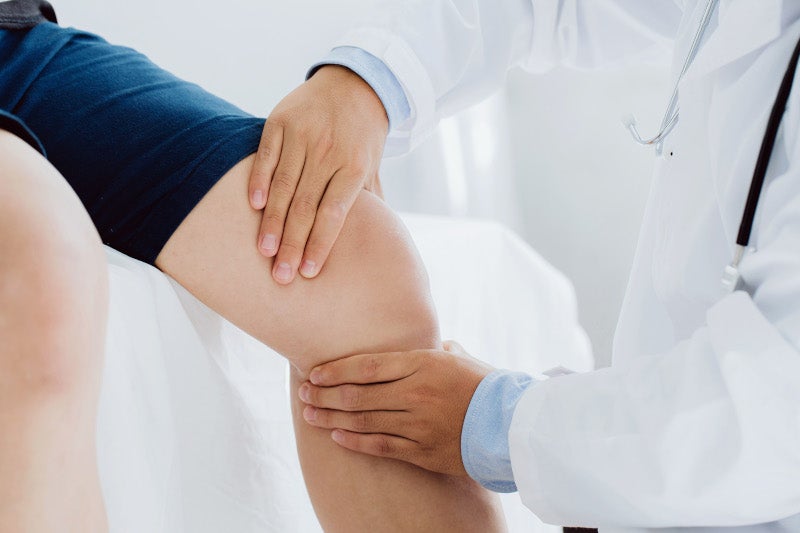
Unpredictability is one of the most dangerous things about falls. They can happen to anyone at any time, including in the workplace. Many times, you may be able to simply dust yourself off after a fall and get on with your day. Sadly, however, this is often not the case. Falls can be hard on your knees, and the resulting injuries can be serious. Outlined below are some of the more severe knee injuries associated with work-related falls. Damaged ligaments Torn ligaments are among the more serious and painful knee injuries that can result from a fall. The knee is comprised of four ligaments: the anterior cruciate ligament (ACL), the posterior cruciate ligament (PCL), the medial collateral ligament (MCL) and the lateral collateral ligament (LCL). Ligaments help the knee move forward and backward, as well as to rotate from side to side. Because each of these ligaments has a distinct function, damage to any of them can be painful and limit your mobility. Surgery and an extended period of recovery are often the only way to get better after ligament damage to avoid chronic pain issues. Dislocations During a fall, your knee may be manipulated and twisted into positions it is not designed to be in. This can result in a dislocation, which is very painful and can be difficult to treat. As a general rule, the sooner you seek medical treatment after this type of injury the better. Depending on whether or not there is nerve damage, you may require multiple surgeries before you can get back on your feet. If your knee has been injured in a fall at work, then you may be entitled to compensation for your pain and suffering. This won’t undo the damage, but it will help you to stay on top of your finances while you recover and are unable to work. Seeking legal guidance will offer you the best possible chance at obtaining a just outcome in your case.