Slip and Fall
Maryland Slip and Fall Accidents: What Injured Victims Need to Know
A slip and fall accident can happen in seconds, but the consequences often last much longer. A wet grocery store aisle, a cracked sidewalk, or a poorly lit stairwell can lead to broken bones, head injuries, or worse. If you were hurt on someone else's property in Baltimore, Frederick, Essex, or Glen Burnie, understanding your legal options is an important first step. Cohen, Snyder & Eisenberg, P.A. has put together this guide to help you understand what a slip and fall claim involves under Maryland law, what steps to take after an accident, and when it may be time to speak with an attorney.
This page is intended to provide general information about slip and fall accidents and premises liability in Maryland. It is not a substitute for individualized legal advice, since the facts of every case are different and can significantly affect the outcome.
What Is a Slip and Fall Accident?
A slip and fall accident occurs when a person slips, trips, or falls due to a hazardous condition on someone else's property. These incidents fall under a broader area of law known as premises liability, which addresses when a property owner or occupier may be held responsible for injuries that occur on their property.
Not every fall leads to a valid legal claim. Whether a property owner can be held liable typically depends on the specific circumstances surrounding the hazard, how long it existed, and whether reasonable steps were taken to fix it or warn visitors about it.
Common Causes of Slip and Fall Accidents
Slip and fall accidents can happen almost anywhere, but certain hazards appear more frequently than others.
Wet or Slippery Floors
Spilled liquids, recently mopped floors without warning signs, or leaking equipment can create slippery surfaces that catch people off guard.
Uneven or Damaged Flooring
Cracked pavement, torn carpeting, loose floorboards, or potholes in parking lots can cause a person to trip unexpectedly.
Poor Lighting
Dimly lit stairwells, hallways, or parking areas can make it difficult to see hazards like steps, curbs, or debris.
Broken Stairs, Handrails, or Walkways
Structural defects, such as a missing handrail or a broken step, often contribute to serious falls, particularly for older adults.
Ice, Snow, and Weather-Related Hazards
Maryland winters bring icy sidewalks and snow-covered walkways. Property owners generally have a responsibility to address these hazards within a reasonable time.
Unsafe Property Conditions
Cluttered walkways, exposed wiring, or inadequate maintenance can all create dangerous conditions that increase the risk of a fall.
Where Slip and Fall Accidents Commonly Occur
These accidents can happen in a variety of settings, including grocery stores, restaurants, apartment complexes, office buildings, parking lots, and government-owned properties. Each type of location may involve different legal considerations, particularly when a government entity is involved, since claims against public property owners often come with shorter deadlines and additional notice requirements.
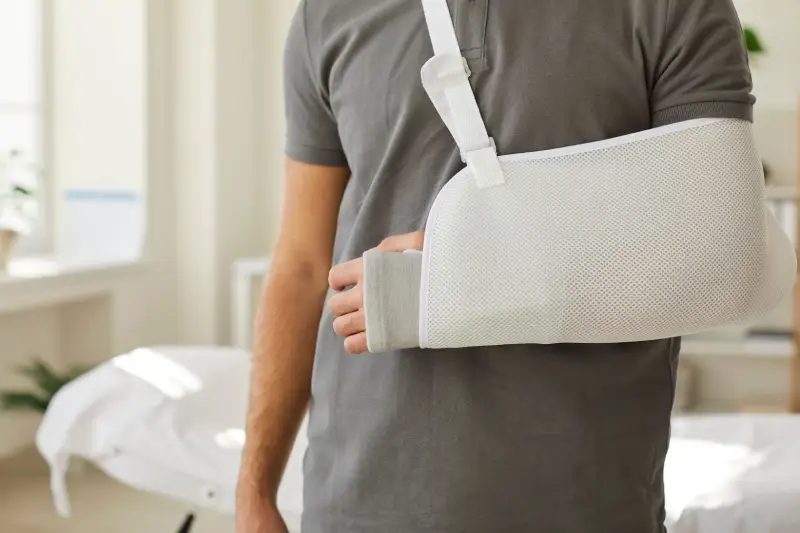
Common Injuries From Slip and Fall Accidents
The severity of injuries from a slip and fall can vary widely depending on factors like the person's age, the height of the fall, and the surface involved. Some of the more commonly reported injuries include:
- Fractures and broken bones, particularly in the wrists, hips, and ankles
- Traumatic brain injuries or concussions
- Spinal cord injuries
- Sprains, strains, and torn ligaments
- Cuts, bruises, and lacerations
- Injuries requiring surgery or long-term rehabilitation
Some injuries are immediately apparent, while others, such as soft tissue damage or concussions, may not present symptoms until hours or days later.
What to Do After a Slip and Fall Accident
The steps taken in the immediate aftermath of a fall can affect both your health and any potential legal claim.
Seek Medical Attention
Getting evaluated by a medical professional serves two purposes. It helps identify injuries that may not be obvious right away, and it creates a medical record that documents the connection between the accident and your injuries.
Report the Accident
Notify the property owner, manager, or another responsible party about the fall as soon as possible. Ask that the incident be documented in writing, and request a copy of any report that is created.
Identify Witnesses
If anyone saw the accident happen, ask for their name and contact information. Witness statements can later help corroborate what occurred.
Document the Scene
If you are able to do so safely, take photographs of the hazard that caused your fall, the surrounding area, and any visible injuries. Conditions like wet floors or icy sidewalks can be cleaned up or changed quickly, so timely documentation matters.
Preserve Evidence
Keep the clothing and shoes you were wearing at the time of the fall, along with any medical records, bills, and correspondence related to the incident. Many commercial properties also have surveillance cameras, and footage may need to be requested before it is deleted or recorded over.
Understanding Premises Liability in Maryland
Premises liability law addresses the legal responsibility property owners and occupiers have to keep their property reasonably safe for visitors. In Maryland, the duty owed by a property owner can depend on the legal status of the visitor, such as whether they were an invitee, licensee, or trespasser.
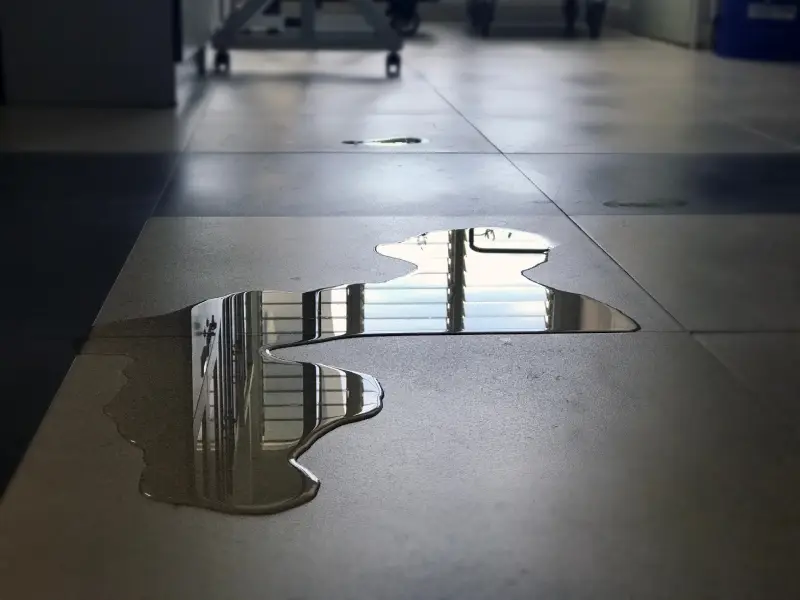
When Is a Property Owner Responsible for a Slip and Fall?
A property owner may be held responsible when a hazardous condition existed, the owner knew or reasonably should have known about it, and the owner failed to fix the problem or provide adequate warning within a reasonable amount of time. This is often referred to as actual or constructive notice.
Simply falling on someone's property does not automatically mean the owner is at fault. The injured person generally needs to show that the property owner acted unreasonably given the circumstances, such as ignoring a known hazard or failing to conduct routine inspections.
How Do I Prove a Slip and Fall Claim?
Proving a premises liability claim typically involves showing:
- A dangerous condition existed on the property
- The property owner or occupier knew, or should have known, about the condition
- The owner failed to correct the hazard or provide a reasonable warning
- The dangerous condition directly caused the fall and resulting injuries
Evidence such as photographs, incident reports, maintenance records, surveillance footage, and witness statements often plays a central role in establishing these elements.

What If the Property Owner Says They Didn't Know About the Hazard?
Property owners and their insurers frequently argue they had no knowledge of a dangerous condition. This is one of the reasons documentation matters so much. Evidence showing how long a hazard existed, such as dust accumulation on a spill or prior complaints about a broken step, can help demonstrate that the owner should have discovered the problem through reasonable inspection.
Comparative Fault in Maryland Slip and Fall Cases
Maryland follows a legal doctrine known as contributory negligence, which differs significantly from the comparative fault rules used in many other states. Under Maryland law, if an injured person is found to be even minimally at fault for causing their own accident, they may be barred from recovering compensation entirely. This makes it especially important to understand how the circumstances of your fall might be viewed and to gather evidence that accurately reflects what happened. Because this rule can significantly affect a claim, discussing the specific facts of your situation with an attorney can help clarify how it may apply.
Damages That May Be Available After a Slip and Fall
Depending on the circumstances, someone injured in a slip and fall may be able to pursue compensation for certain losses connected to the accident. Potential damages can include:
Medical expenses
including emergency treatment, surgery, physical therapy, and future care
Lost wages
for time missed from work during recovery
Loss of earning capacity
if the injury affects the ability to work in the future
Pain and suffering
related to physical pain and emotional distress
Out-of-pocket costs
associated with the injury, such as travel to medical appointments
Not every case involves the same types or amounts of damages, and available compensation depends on the specifics of the injury and the strength of the claim.
Dealing With Insurance Companies After a Slip and Fall
Property owners typically carry liability insurance to cover accidents that occur on their premises. After reporting a fall, you may be contacted by an insurance adjuster asking for a statement or requesting that you sign documents.
It's important to be cautious during these conversations. Insurance companies are businesses, and adjusters are often focused on minimizing the amount paid out on a claim. Statements made early on, before the full extent of injuries is known, can sometimes be used to dispute or reduce a claim later. Before providing a recorded statement or accepting a settlement offer, it can be helpful to understand the value of your claim and how the process works.
The Role of a Slip and Fall Attorney
An attorney handling a premises liability case can assist with investigating the accident, gathering and preserving evidence, identifying all potentially responsible parties, and communicating with insurance companies on your behalf. This can include obtaining surveillance footage before it is deleted, consulting with experts when necessary, and calculating the full scope of damages related to the injury.
Legal representation can also help ensure that important deadlines are not missed and that any settlement offer is evaluated in light of both current and future needs.
When Should I Talk to an Attorney?
Many people wait to contact an attorney until an insurance company disputes their claim or offers a settlement that seems too low. However, speaking with an attorney soon after the accident can help ensure that evidence is preserved and that important procedural requirements, particularly those involving claims against government-owned property, are met.

Important Deadlines for Maryland Slip and Fall Claims
Maryland law generally requires that a personal injury lawsuit, including one based on a slip and fall, be filed within a certain period of time from the date of the accident. This is known as the statute of limitations. If a claim is not filed before this deadline, the injured person may lose the right to pursue compensation through the courts.
Different and often shorter deadlines can apply when the claim involves a government entity, such as a fall on public property. These cases may require formal notice to be provided within a matter of months, well before the general filing deadline. Because these timelines can vary based on the parties involved, confirming the applicable deadlines as early as possible is important.
Slip and Fall Legal Support in Baltimore, Frederick, Essex, and Glen Burnie
Cohen, Snyder & Eisenberg, P.A. works with clients throughout Baltimore, Frederick, Essex, and Glen Burnie who have been injured due to potentially unsafe property conditions. Each of these communities has its own mix of residential, commercial, and public properties, and the responsible party in a slip and fall case can vary depending on where the accident occurred and who owned or managed the property. Understanding the applicable facts is a key part of evaluating any premises liability matter.
About Slip and Fall Accidents in Maryland
Check for injuries, seek medical attention if needed, report the incident to the property owner or manager, and document the scene with photographs if possible. Gathering witness information can also be helpful.
Yes. Some injuries, such as concussions or soft tissue damage, may not produce symptoms right away. A medical evaluation also creates documentation linking your injuries to the accident.
Report the fall to the property owner, manager, or another responsible party, document the conditions that caused the fall, and seek appropriate medical care. Keeping records of everything related to the incident can be useful later.
Proving a claim generally involves showing that a dangerous condition existed, the property owner knew or should have known about it, and the owner failed to address it, which caused your injury. Evidence such as photos, reports, and witness statements often supports these claims.
A property owner may be responsible when they knew or reasonably should have known about a hazardous condition and failed to fix it or provide adequate warning within a reasonable time.
Photographs of the hazard, incident reports, medical records, witness contact information, and surveillance footage can all play a role in supporting a claim.
Evidence showing how long the hazard existed or whether there were prior complaints can help address this defense. This is one reason prompt documentation after a fall is so important.
Maryland follows a contributory negligence rule, which can bar recovery if the injured person is found to be even slightly at fault. This makes it important to understand how the facts of your case may be viewed.
Depending on the case, damages may include medical expenses, lost wages, loss of earning capacity, and pain and suffering, among other losses connected to the injury.
Maryland generally imposes a statute of limitations for personal injury claims, though shorter notice periods may apply for claims against government entities. Confirming the applicable deadline as early as possible is important.
While not every situation requires legal representation, an attorney can help investigate the accident, preserve evidence, communicate with insurance companies, and evaluate potential claims, particularly in cases involving disputed liability or significant injuries.
Be cautious about providing recorded statements or accepting early settlement offers before understanding the full extent of your injuries. Consulting with an attorney before speaking with an adjuster can help protect your interests.
Speak With Cohen, Snyder & Eisenberg, P.A. About Your Slip and Fall Accident
If you were injured in a slip and fall accident in Baltimore, Frederick, Essex, or Glen Burnie, understanding your legal options can feel overwhelming, especially while recovering from an injury. Cohen, Snyder & Eisenberg, P.A. is available to review the circumstances of your accident and help you understand the potential paths forward under Maryland law.
Contact Cohen, Snyder & Eisenberg, P.A. today to schedule a consultation and discuss the details of your slip and fall accident.
Free Consultation