Auto Accidents
Trusted Auto Accident Attorney Serving Baltimore & Surrounding Maryland Areas
A serious car accident can upend daily life within seconds. Between medical appointments, insurance calls, and missed work, it's easy to feel overwhelmed by decisions that carry long-term consequences. Cohen, Snyder & Eisenberg, P.A. helps people throughout Baltimore, Frederick, Essex, and Glen Burnie understand what happened, what their options may be, and how Maryland law applies to their situation. This page answers many of the questions people commonly have after an auto accident and explains how an attorney can assist during the process.
What Is an Auto Accident Claim?
An auto accident claim is a legal or insurance process through which a person seeks compensation for losses caused by a collision. These losses may include medical bills, vehicle repair costs, lost income, and other damages connected to the accident. A claim can be filed with an insurance company, or in some cases, pursued through a lawsuit if a fair resolution cannot be reached outside of court.
Not every accident results in a valid claim. Whether compensation is available depends on factors such as how the accident occurred, who was involved, what insurance coverage applies, and the extent of the injuries and damages. Understanding these variables is often the first step toward figuring out what options may exist.
Common Types of Auto Accidents
Accidents vary widely in how they occur and the type of harm they cause. Some of the most common types include rear-end collisions, T-bone or intersection crashes, head-on collisions, sideswipe accidents, single-vehicle accidents involving a fixed object, and multi-vehicle pileups. Motorcycle accidents and accidents involving pedestrians or cyclists also raise unique legal and safety considerations, often involving more severe injuries and different insurance issues than standard vehicle-to-vehicle crashes.

Common Causes of Auto Accidents
Car accidents happen for many reasons, and identifying the cause is often central to determining responsibility. Frequent causes include:
- Distracted driving, such as texting or using a phone while driving
- Speeding or driving too fast for road conditions
- Driving under the influence of alcohol or drugs
- Running red lights or stop signs
- Following too closely or aggressive driving
- Poor weather conditions or reduced visibility
- Mechanical failures, such as brake or tire malfunctions
- Road hazards or poor road maintenance
Roadways in and around Baltimore, Frederick, Essex, and Glen Burnie see heavy commuter traffic, which can increase the likelihood of rear-end collisions, intersection accidents, and highway crashes during peak travel times.
Injuries That Can Result From Auto Accidents
Injuries from a car accident can range from minor to catastrophic, and severity is not always immediately apparent. Common injuries include whiplash and soft tissue damage, fractures, herniated discs, concussions and other traumatic brain injuries, spinal cord injuries, and internal injuries. Emotional and psychological effects, such as anxiety or post-traumatic stress, can also follow a serious crash. Because some injuries take time to fully present, prompt and ongoing medical evaluation plays an important role in both recovery and any later claim.
What to Do After an Auto Accident
The steps taken in the immediate aftermath of a crash can affect both a person's health and their ability to pursue a claim later. While every situation is different, the following general guidance often applies.
Prioritize Safety and Call for Help
If possible, move to a safe location and check for injuries. Call 911 to report the accident, especially if there are injuries, significant property damage, or a dispute about how the crash occurred. Maryland law requires drivers involved in accidents causing injury, death, or a certain amount of property damage to report the accident.
Seek Medical Attention
Even if injuries seem minor, it's advisable to be evaluated by a medical professional. Some injuries, such as concussions or soft tissue damage, may not produce immediate symptoms. Prompt medical care helps protect a person's health and creates documentation that may later support a claim.
Document the Accident and Injuries
Gathering information at the scene, when safe to do so, can be valuable later. Useful documentation includes:
- Photos of vehicle damage, the accident scene, and visible injuries
- Contact and insurance information for all drivers involved
- Names and contact information for witnesses
- A copy of the police report once available
- Records of medical treatment and related expenses
Notify Insurance Companies Carefully
Most auto insurance policies require prompt notice of an accident. However, it's important to be cautious when speaking with any insurance adjuster, including one representing the other driver. Statements made early on, before the full extent of injuries is known, can sometimes be used to minimize a claim later.
Dealing With Insurance Companies
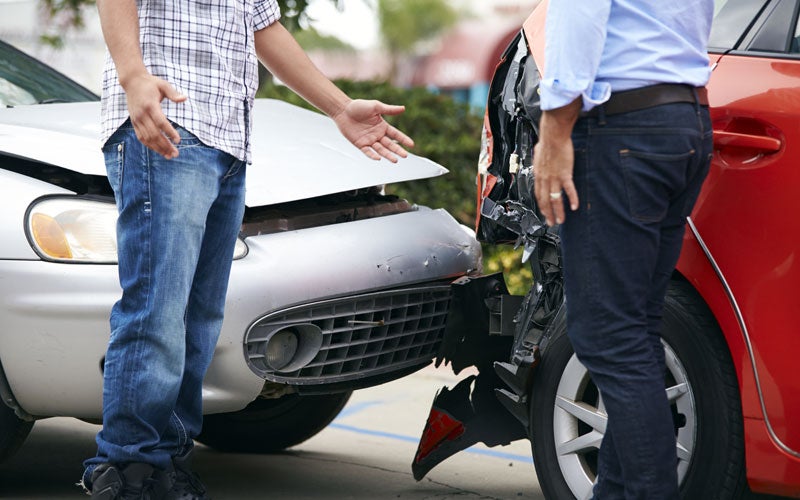
Insurance companies play a central role in most auto accident claims, but their interests are not always aligned with those of the injured person. Adjusters are trained to evaluate claims in ways that limit payouts. This doesn't mean insurance companies act in bad faith, but it does mean claimants benefit from understanding how the process works before agreeing to a settlement or providing a recorded statement.
An attorney can communicate with insurance companies on a client's behalf, helping ensure that statements are accurate, deadlines are met, and settlement offers are evaluated against the actual value of the claim.
Who May Be Liable After an Auto Accident?
Liability in a car accident depends on the specific facts involved. Potentially responsible parties can include another driver, a vehicle owner if different from the driver, an employer if the at-fault driver was working at the time, a government entity responsible for road maintenance, or a vehicle manufacturer if a defect contributed to the crash. In some cases, more than one party may share responsibility.
Maryland follows a contributory negligence standard, which is stricter than the rules used in many other states. Under this standard, a person found to have contributed to the accident in any way, even slightly, may be barred from recovering compensation. This makes a careful, well-supported investigation into how the accident occurred especially important.

Evidence That May Support an Auto Accident Claim
Building a claim often depends on the strength and completeness of the available evidence. This can include the police report, photographs and video footage, witness statements, medical records, vehicle damage assessments, and, in some cases, expert analysis such as accident reconstruction. Electronic data from a vehicle's event data recorder or nearby traffic cameras can also play a role in more complex or disputed cases.
How Damages May Be Calculated
Damages refer to the losses a person may seek to recover after an accident. The specific damages available, and how they are calculated, depend on the facts of the case and applicable Maryland law.
Medical Expenses and Other Accident-Related Losses
This category typically includes costs for emergency care, hospitalization, surgery, medication, physical therapy, and any anticipated future treatment. Property damage, such as vehicle repair or replacement costs, and other out-of-pocket expenses related to the accident may also be included.
Lost Wages and Loss of Earning Capacity
If injuries prevent someone from working, they may be able to seek compensation for lost income during recovery. In cases involving long-term or permanent injuries, a claim may also address diminished future earning capacity, which typically requires additional documentation and analysis.
Pain and Suffering
Beyond financial losses, Maryland law allows for the possibility of recovering non-economic damages, often referred to as pain and suffering. These damages address the physical pain, emotional distress, and reduced quality of life that can result from a serious injury. Calculating these damages is less straightforward than tallying medical bills, which is one reason experienced legal guidance can be valuable.
The Role of an Auto Accident Attorney
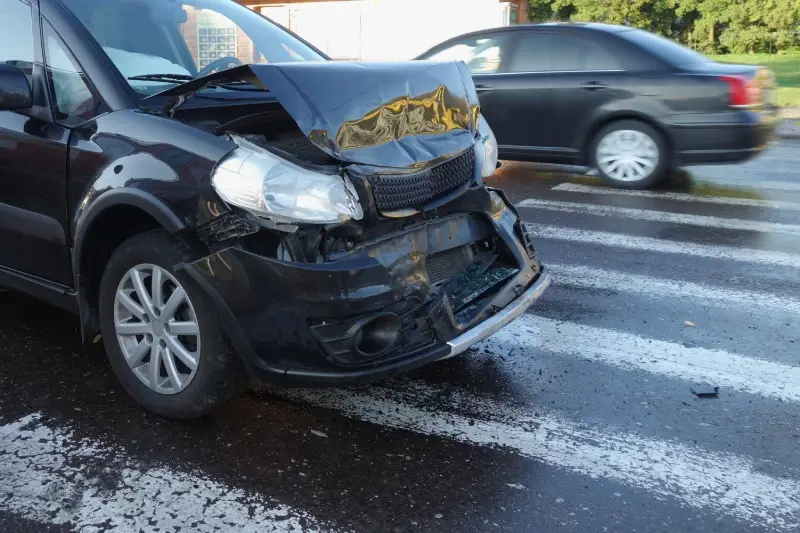
An auto accident attorney helps clients understand their legal position, investigate the circumstances of the crash, and pursue appropriate compensation. This can involve gathering evidence, identifying all liable parties, calculating the full value of a claim, negotiating with insurance companies, and, when necessary, filing a lawsuit.
The attorneys at Cohen, Snyder & Eisenberg, P.A. work with clients throughout Baltimore, Frederick, Essex, and Glen Burnie to evaluate the facts of each case and explain the options available under Maryland law. While no attorney can guarantee a specific outcome, having knowledgeable representation can help ensure that a claim is handled thoroughly and that important deadlines are not missed.
When Should Someone Consider Speaking With an Attorney?
Not every minor accident requires legal representation. However, consulting an attorney is generally worth considering when injuries are significant, when liability is disputed, when an insurance company denies or undervalues a claim, or when multiple parties may share fault. Because Maryland's contributory negligence rule can bar recovery entirely if a person is found even partially at fault, early legal guidance can be particularly important in cases where fault is unclear or contested.
How the Legal Process May Work
While each case is different, auto accident claims often follow a general path. After the accident, the injured party typically seeks medical treatment and gathers documentation. An attorney, if retained, will investigate the accident, communicate with insurance companies, and attempt to negotiate a fair settlement. If a reasonable resolution cannot be reached, the case may proceed to a lawsuit, which involves additional steps such as filing a complaint, discovery, and potentially trial. Many claims are resolved through negotiation before reaching that stage, though this is not guaranteed in every case.
Deadlines and Statutes of Limitations
Maryland law imposes deadlines for filing a personal injury lawsuit related to an auto accident. These deadlines, known as statutes of limitations, can vary depending on the circumstances of the case, including who is involved and the type of claim being pursued. Missing an applicable deadline can prevent a person from pursuing compensation through the courts, regardless of how strong the underlying claim may be. Because these timelines depend on specific facts and can involve exceptions, it's advisable to consult an attorney promptly rather than assume how much time remains.
Baltimore Auto Accidents FAQs
Check for injuries, move to safety if possible, and call 911 if there are injuries or significant damage. Exchange information with the other driver, document the scene if you're able to, and seek medical attention even if you feel fine initially.
Yes, it's generally advisable to be evaluated by a medical professional after any accident, even if you don't notice symptoms right away. Some injuries, like concussions or soft tissue damage, can take hours or days to become apparent.
Useful information includes the other driver's contact and insurance details, photos of the scene and damage, witness contact information, and a copy of the police report once it's available.
It's generally wise to be cautious before giving a recorded statement to another driver's insurer. Anything said early on, before the full extent of injuries is understood, can potentially be used to reduce a claim's value later.
Responsibility depends on the specific facts, including traffic laws, witness accounts, physical evidence, and sometimes expert analysis. Because Maryland uses a contributory negligence standard, even partial fault can affect the outcome of a claim, so a careful review of the circumstances is important.
Depending on the case, damages may include medical expenses, lost wages, property damage, and pain and suffering. Availability and amounts depend on the facts of the accident and applicable law.
Maryland has specific statutes of limitations for personal injury claims, but the exact deadline can depend on the details of the case. It's best to speak with an attorney as soon as possible to understand the timeline that applies to your situation.
Not every accident requires legal representation, but an attorney can be valuable when injuries are serious, liability is disputed, or an insurance company is undervaluing a claim. Consulting an attorney can help clarify your options even if you decide not to move forward with a claim.
If the at-fault driver lacks adequate insurance, recovery may still be possible through your own uninsured or underinsured motorist coverage, depending on your policy. Reviewing your coverage with an attorney can help clarify what options exist.
Maryland follows a contributory negligence rule, which can bar recovery if you are found to have contributed to the accident in any way. This makes it especially important to have the facts of the accident thoroughly reviewed before assuming a claim isn't viable.
Discuss Your Auto Accident Questions With Cohen, Snyder & Eisenberg, P.A.
Recovering from a car accident is rarely simple, and understanding your legal options shouldn't add to the stress. Cohen, Snyder & Eisenberg, P.A. provides clear, straightforward guidance to individuals throughout Baltimore, Frederick, Essex, and Glen Burnie who have questions about a potential auto accident claim. Every case involves its own set of facts, and speaking with an attorney can help clarify what steps may make sense for your situation.
If you've been involved in an auto accident and want to better understand your legal options, contact Cohen, Snyder & Eisenberg, P.A. today to schedule a consultation.
Free Consultation