Baltimore County Slip and Fall
Slip and Fall Injury Guidance for Baltimore County Residents
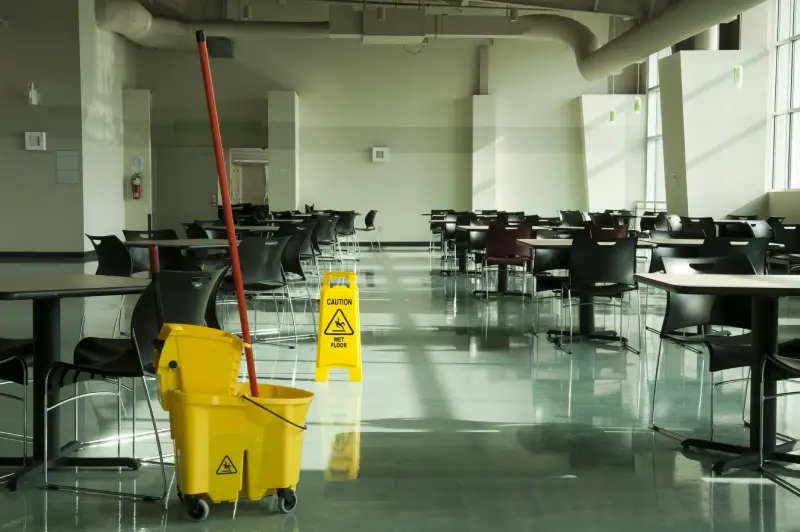
A fall can happen in seconds, but the consequences often last much longer. What begins as a slip on a wet floor or a trip over a cracked sidewalk can quickly turn into broken bones, missed paychecks, and a growing stack of medical bills. For many people in Baltimore County, the hardest part isn't just recovering physically it's figuring out whether anyone else bears responsibility for what happened and what to do next.
Cohen, Snyder & Eisenberg, P.A. works with Baltimore County residents who are trying to make sense of these situations. Property conditions, insurance policies, and Maryland liability rules all intersect in ways that aren't always obvious to someone dealing with an injury for the first time. Understanding how premises liability works can help you make informed decisions about your situation, even before you decide whether to pursue a claim.
Understanding Slip and Fall Claims in Baltimore County
Premises liability is the area of law that addresses injuries caused by conditions on someone else's property. It applies to business owners, landlords, homeowners, and government entities alike, though the rules that apply can vary depending on who owns the property and why the injured person was there.
Generally speaking, property owners and occupiers have a duty to keep their premises reasonably safe for people who are lawfully present. This might mean fixing a broken step, cleaning up a spill within a reasonable time, or warning visitors about a hazard that can't be immediately corrected. When an owner fails to meet that duty and someone gets hurt as a result, the law may allow the injured person to seek compensation.
That said, being hurt on someone else's property doesn't automatically mean the owner did something wrong. Maryland law generally requires showing that the property owner knew, or reasonably should have known, about the dangerous condition and failed to address it within a reasonable amount of time. This is often referred to as "notice." Some cases involve actual notice the owner was told about the hazard directly. Others involve constructive notice, meaning the condition existed long enough that a reasonably careful owner should have discovered it during routine inspection or maintenance.
Because so much depends on notice, timing, and the specific circumstances of the fall, the facts surrounding an accident carry significant weight. Two people can fall on the exact same spilled liquid, and the outcome of a potential claim can differ based on how long the spill was there, whether staff were aware of it, and what evidence exists to prove it.
Common Causes of Slip and Fall Accidents
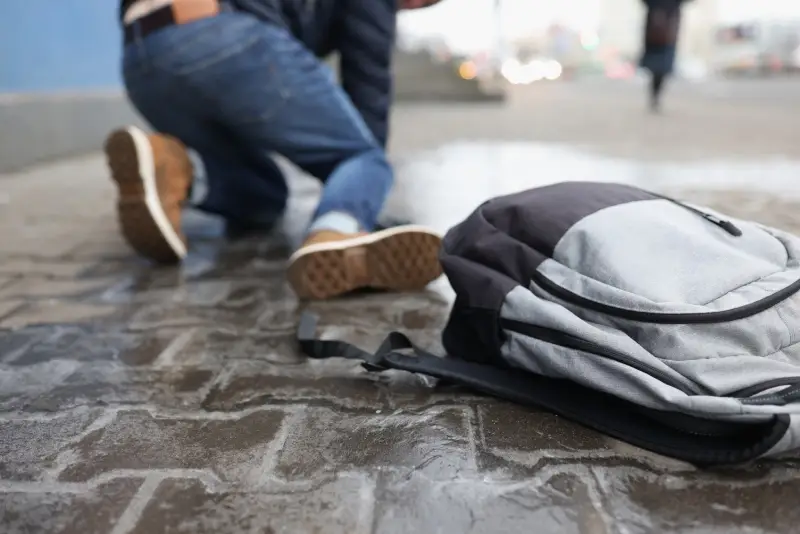
Falls rarely happen without a reason. In our experience helping Baltimore County residents work through these situations, some of the more frequent contributing factors include:
- Wet or recently mopped floors without warning signs
- Spilled food, drinks, or other liquids left unaddressed
- Uneven or damaged flooring, tile, or carpeting
- Cracked sidewalks or crumbling pavement
- Potholes in parking lots or walkways
- Poorly maintained or broken stairs
- Missing, loose, or damaged handrails
- Dim or broken lighting in stairwells, hallways, or parking areas
- Snow, ice, or other winter weather hazards left untreated
- Cluttered aisles, walkways, or storage areas
- General neglect of routine property upkeep
Identifying the specific hazard that caused a fall is often the first step in understanding whether a property owner may bear some responsibility. Every situation is different, and the presence of one of these conditions doesn't automatically mean negligence occurred but it's often where the analysis begins.
Where These Accidents Tend to Happen
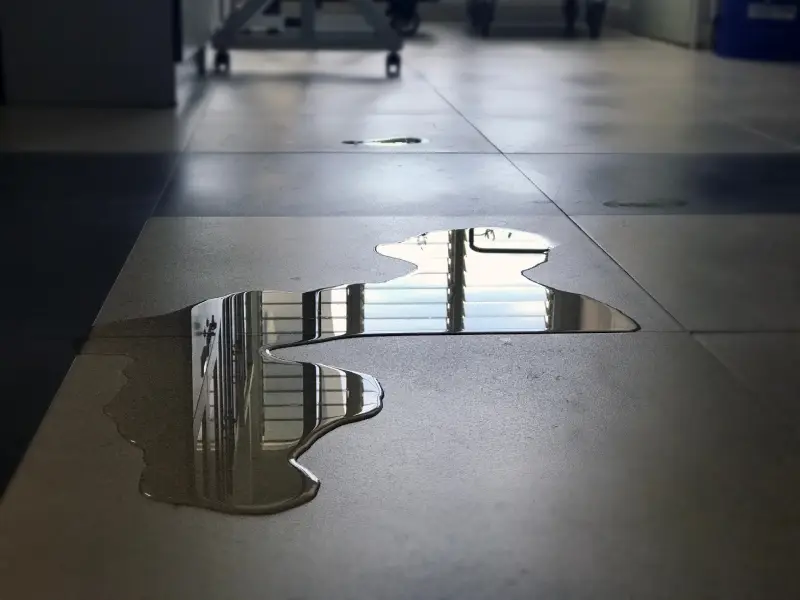
Slip, trip, and fall accidents aren't limited to any one type of property. Around Baltimore County, we commonly hear from people who were injured at:
- Grocery stores and retail shops
- Restaurants and other dining establishments
- Shopping centers and strip malls
- Apartment complexes and rental properties
- Office buildings and workplaces
- Parking lots and parking garages
- Public sidewalks and walkways
- Community and recreational spaces
The type of property involved can affect who is legally responsible and what standards apply. A commercial property open to the public, for instance, may carry different obligations than a private residence. This is one reason it's worth having the specific circumstances of your fall reviewed rather than assuming the outcome based on where it happened.
What to Do After a Fall in Baltimore County
The choices made in the hours and days following a fall can matter later, even if a legal claim isn't yet on your mind. A few practical steps worth considering:
Write down what you remember
while the details are still fresh, including what you were doing, what you saw, and what happened immediately before and after the fall.
Get medical attention
Some injuries, particularly to the back, neck, or head, aren't obvious right away. A prompt medical evaluation protects your health and creates a record connecting your injury to the incident.
Document the scene, if it's safe to do so
Photos of the hazard the wet floor, the broken step, the icy walkway can be valuable later, especially since conditions like spills or ice often get cleaned up quickly.
Report what happened
Let the property owner, manager, or another responsible party know about the fall. Ask for a copy of any incident report that's created.
Photograph visible injuries
as they appear, and again as they change over the following days.
Note any witnesses
Names and contact information for people who saw the fall can be difficult to track down later.
Hold onto records
Medical bills, receipts, pay stubs showing missed work, and any correspondence with the property owner or their insurer can all become relevant.
None of this requires putting yourself at risk. If a hazard is dangerous enough that photographing it would create further danger, prioritize safety first.
Injuries That Often Result From Slip and Fall Accidents
Falls can cause a wide range of injuries, and the seriousness isn't always apparent right away. Adrenaline and shock can mask pain in the immediate aftermath, only for symptoms to surface hours or days later. Injuries we frequently see connected to these accidents include:
Fractures and broken bones
Sprains, strains, and soft tissue damage
Back and spinal injuries
Neck injuries, including whiplash-type trauma
Shoulder injuries, including dislocations
Knee injuries, including torn ligaments
Wrist and hand injuries
Hip fractures, which can be especially serious for older adults
Head injuries, including concussions
Traumatic brain injuries
Injuries that lead to long-term or permanent limitations
Because some of these injuries develop gradually, it's generally advisable not to dismiss lingering pain or stiffness after a fall, even if it seems minor at first.
Proving Liability in a Baltimore County Slip and Fall Case
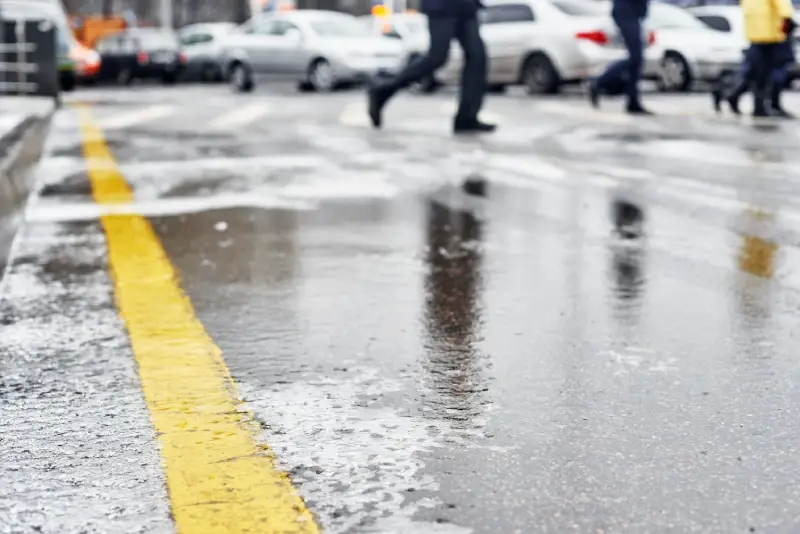
Establishing responsibility in a premises liability case usually comes down to evidence. Some of the key questions that tend to shape these cases include:
- What specific condition caused the fall, and was it a hazard the owner should have addressed?
- Did the property owner or manager know about the condition, or should they have known through reasonable inspection?
- How long had the hazardous condition existed before the accident occurred?
- Were reasonable steps taken to fix the problem or warn visitors about it?
- Was there any signage or verbal warning in place at the time?
The strength of a claim often hinges on the evidence available to answer these questions: surveillance footage, photographs, witness statements, incident reports, maintenance and inspection logs, and medical documentation connecting the injury to the fall. Because evidence like video footage can be deleted or overwritten within days or weeks, the sooner these details are gathered and preserved, the better.
How a Baltimore County Slip and Fall Lawyer May Help
Sorting through a premises liability claim while recovering from an injury is a lot to manage on your own. An attorney familiar with these cases can help by reviewing what happened, identifying who might bear responsibility, and working to gather and preserve evidence before it disappears. This often includes requesting maintenance records, tracking down surveillance footage, and speaking with witnesses while their memories are still clear.
Legal counsel can also help evaluate the full scope of your losses — not just medical bills, but lost income, ongoing treatment needs, and other impacts the fall has had on your daily life. Insurance companies handling these claims are focused on minimizing payouts, and having someone communicate with them on your behalf can relieve a significant source of stress. When negotiations don't lead to a fair resolution, an attorney can prepare to represent your interests in litigation.
Cohen, Snyder & Eisenberg, P.A. approaches each premises liability matter by looking closely at the specific facts involved, since no two falls happen under identical circumstances. Our office locations in Baltimore, Frederick, Essex, and Glen Burnie allow us to meet with clients throughout the region, including those throughout Baltimore County.
About Baltimore County Slip and Fall Claims
Premises liability refers to the legal responsibility property owners and occupiers have to maintain reasonably safe conditions for people who visit their property. When a hazardous condition causes an injury, premises liability law determines whether the owner may be held responsible.
It depends on the property. Responsible parties can include business owners, landlords, property management companies, homeowners, tenants, or even government entities in the case of public sidewalks or facilities. Sometimes more than one party shares responsibility.
In most cases, yes. Maryland generally requires showing that the owner had actual or constructive notice of the dangerous condition. This means proving they either knew about it or should have discovered it through reasonable care and inspection
The absence of a warning sign doesn't automatically establish fault, but it can be a relevant factor. If a hazard was known and no warning was posted, that may support a claim. Every situation depends on the specific facts involved.
Possibly, though winter weather cases can be more complex. Property owners generally aren't expected to keep every surface completely free of snow and ice at all times, but unreasonable delays in addressing known hazards may still create liability.
Photographs of the hazard and your injuries, contact information for witnesses, any incident report filed, medical records, and receipts for related expenses are all valuable. Surveillance footage, when available, can also be important.
Footage can be one of the most useful pieces of evidence in a slip and fall case, since it may show exactly how long a hazard existed and how the fall occurred. Because footage is sometimes overwritten quickly, it's worth trying to preserve it as soon as possible.
Maryland follows a legal doctrine that can significantly limit or bar recovery if the injured person is found to have contributed to the accident. Because this rule can have a major impact on a case, it's worth discussing the specific facts with an attorney before assuming a claim isn't possible.
Depending on the circumstances, compensation may address medical expenses, lost income, pain and suffering, and other losses connected to the injury. What's available in a given case depends heavily on the facts and the extent of the harm.
Maryland law sets a limited window of time for filing a personal injury lawsuit, generally three years from the date of the accident, though exceptions can apply. Waiting too long can result in losing the right to pursue a claim altogether, so it's wise not to delay in seeking guidance.
If You've Been Hurt in a Fall, We're Here to Talk It Through
Recovering from a slip and fall injury is stressful enough without also trying to figure out Maryland's premises liability rules on your own. If you're dealing with medical appointments, missed work, or unanswered questions about a property condition that led to your injury, Cohen, Snyder & Eisenberg, P.A. is available to review what happened and help you understand where things stand.
There's no need to guess whether your situation warrants a conversation with an attorney. Reach out to Cohen, Snyder & Eisenberg, P.A. to discuss your fall, your injuries, and the questions you have about what comes next.
Free Consultation