Baltimore County Criminal Defense
Understanding Your Rights: Baltimore County Criminal Defense Representation
A criminal accusation can turn ordinary life upside down almost overnight. One day you're going about your routine; the next, you're trying to figure out what a charging document means, when you have to appear in court, and what might happen to your job, your driving privileges, or your reputation. That uncertainty is often the hardest part. Before making any decisions about how to handle a criminal matter, it helps to understand exactly what you're facing and what options might be available to you.
Cohen, Snyder & Eisenberg, P.A. works with individuals throughout Baltimore County who have been arrested, charged, or contacted by law enforcement in connection with a criminal investigation. A charge is not the same thing as a conviction, and the path between the two involves many stages where facts, evidence, and legal procedure all play a role. Having someone who can walk you through that process — and advocate for you at each step — often makes a meaningful difference in how a case unfolds.
This page is intended to help residents of Baltimore County better understand the criminal defense process in Maryland, what to expect after being charged, and how legal counsel may assist. It is not a substitute for individual legal advice, but it should give you a clearer sense of what's ahead.

Criminal Defense in Baltimore County: How the Process Generally Works
Every criminal case begins somewhere — sometimes with an arrest, sometimes with a citation, and sometimes with an investigation that leads to charges being filed later. Once charges exist, a formal charging document lays out the specific allegations against the accused person. From there, the case typically moves through an initial appearance, where a judicial officer addresses matters such as bail or conditions of release.
What happens next depends heavily on the nature of the charge. Less serious matters may proceed relatively quickly, while more serious felony charges tend to involve a longer timeline with additional hearings. Maryland's District Court, which has locations serving Baltimore County including Towson, Essex, and Catonsville, handles many criminal matters, particularly less serious offenses and preliminary proceedings for felonies. The Circuit Court for Baltimore County, based in Towson, handles jury trials and more serious criminal cases. Which court ultimately hears a given case depends on the specific charges involved.
Along the way, both sides gather and review evidence, and there may be discussions about resolving the case short of trial. Some cases settle through negotiated agreements; others proceed to trial, where a judge or jury determines the outcome. If a conviction occurs, sentencing follows, and in some circumstances, there may be grounds for an appeal. Because so much depends on the specific facts and charges, general descriptions like this one can only outline the typical framework — not predict how a particular case will unfold.
Criminal Charges We Defend
Criminal allegations in Baltimore County span a wide range of severity and circumstance. Some of the categories our attorneys regularly encounter include:
Misdemeanor offenses
which cover a broad range of conduct and carry varying consequences depending on the specific charge
Felony offenses
which are treated more seriously under Maryland law and generally involve more complex proceedings
Assault charges
ranging from minor altercations to more serious allegations of physical harm
Theft and property crimes
including allegations involving stolen property, burglary, or destruction of property
Drug-related charges
such as possession or distribution allegations
DUI and other alcohol
or substance-related driving offenses
Domestic violence-related allegations
which often carry additional civil consequences like protective orders
Weapons charges
involving allegations related to firearms or other weapons
Fraud or financial offenses
including allegations of deception for financial gain
Each of these categories includes numerous variations, and the specific charge filed in your case will determine the applicable procedure, potential consequences, and possible defenses. An attorney who reviews your charging document can explain exactly what you're facing and why it matters.
What to Do After Being Charged With a Crime in Baltimore County
The period right after an arrest or charge is often disorienting, but a few practical steps can help protect your interests going forward.
- Take the charge seriously, regardless of its classification. Even charges that seem minor can carry consequences that extend beyond the courtroom, including effects on employment or professional licensing.
- Read your charging documents carefully and hold onto any paperwork you receive from police or the court. These documents contain important information about the allegations and your upcoming court dates.
- Follow all court instructions and appear at required hearings. Missing a scheduled appearance can create additional legal problems on top of the original charge.
- Be cautious about discussing your case with anyone other than your attorney, including on social media. Statements made casually can sometimes resurface in unexpected ways.
- Preserve any information that might be relevant, such as messages, receipts, or contact information for potential witnesses, without taking any action that could be viewed as tampering with evidence or contacting witnesses improperly.
- Speak with a criminal defense attorney as soon as reasonably possible. Early guidance can help you understand your options before key decisions need to be made.
- Comply with any release conditions, such as check-ins, travel restrictions, or no-contact orders, exactly as instructed.
Being charged with a crime does not mean a conviction is inevitable. Many cases resolve in ways that differ significantly from the original charge, and the specific outcome always depends on the facts, evidence, and legal arguments presented.

Why Early Criminal Defense Representation Can Matter
The earlier a defense attorney becomes involved, the more opportunities there generally are to shape how a case develops. Early representation allows an attorney to review the allegations while details are still fresh, explain what potential consequences might look like, and identify any procedural issues that may have occurred during the arrest or investigation.
An attorney involved early can also advise you on how to handle any further contact with law enforcement, which is often a point where people unintentionally complicate their own case. Additionally, early involvement gives counsel more time to evaluate the evidence, explore whether any defenses apply, and begin preparing for the court proceedings ahead. While early representation does not guarantee any particular result, it generally provides more room to make informed decisions rather than reactive ones.
Building a Criminal Defense Strategy
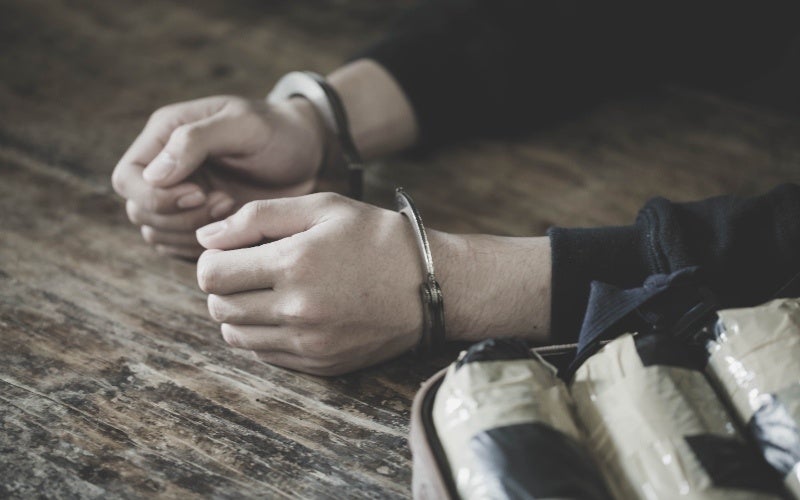
There's no single defense strategy that applies to every case — the right approach depends entirely on the specific facts involved. When reviewing a case, our attorneys look closely at the circumstances surrounding the arrest itself, including whether law enforcement followed proper procedures. We examine the charging document for accuracy and consistency, review witness accounts, and assess any physical, video, or photographic evidence that may exist.
Police reports and statements attributed to the accused person are also closely scrutinized, since inconsistencies or procedural missteps can sometimes affect how evidence may be used. Search and seizure issues, questions about identification evidence, and whether investigators followed appropriate protocols are all areas that may reveal potential defenses or grounds for challenging the prosecution's case.
Building a strategy is a fact-driven process. It requires a careful, honest assessment of what the evidence actually shows and how Maryland law applies to those specific facts — not assumptions or shortcuts.
Misdemeanor and Felony Defense in Maryland
Maryland law generally divides criminal offenses into misdemeanors and felonies, but this distinction doesn't tell the whole story. Some misdemeanor convictions can still carry significant consequences, including effects on employment, housing, or professional licensing, while the consequences of a felony charge can vary widely depending on the specific offense, the circumstances involved, and the person's prior record.
It's a mistake to assume that a misdemeanor charge is inconsequential or that every felony case will play out the same way. Because Maryland's criminal statutes and associated penalties are subject to change, anyone facing a charge should rely on current, case-specific legal guidance rather than general assumptions about how "similar" cases have gone in the past.
How a Baltimore County Criminal Defense Lawyer May Help
A criminal defense attorney's role touches nearly every stage of a case. That typically starts with a thorough review of the charges and a plain-language explanation of what the legal process will involve. From there, your attorney can evaluate the evidence against you, research and identify potential defenses, and — where appropriate — communicate with prosecutors on your behalf.
As the case progresses, your attorney prepares for hearings, handles negotiations when doing so serves your interests, and readies the case for trial if it doesn't resolve beforehand. Throughout every stage, your legal rights need to be protected — from how evidence was obtained to how the proceedings themselves are conducted. While no attorney can promise a specific result, having experienced representation ensures that your side of the story is heard and that the process is followed correctly.
Cohen, Snyder & Eisenberg, P.A. approaches each criminal defense matter individually, recognizing that no two cases — or clients — are exactly alike.
About Criminal Defense in Baltimore County
Review any paperwork you received, note your court dates, and avoid discussing the details of your case with anyone besides your attorney. Contacting a defense lawyer promptly gives you time to understand your options before critical decisions arise.
Yes. Misdemeanor convictions can still affect employment, licensing, and your criminal record. The seriousness of a charge on paper doesn't always reflect the real-world consequences it can carry.
Generally, felonies are treated as more serious offenses under Maryland law and can involve more significant proceedings and consequences, while misdemeanors typically involve less severe conduct. However, specific consequences vary by offense and circumstance, so this distinction shouldn't be used to judge how serious your particular situation is.
An initial appearance typically addresses procedural matters, such as informing you of the charges and, in some cases, addressing bail or release conditions. It is usually not the point where guilt or innocence is decided.
Yes. Defense attorneys can request and review the evidence prosecutors intend to use, including police reports, witness statements, and any physical or digital evidence, to assess its strength and identify potential issues.
You have the right to have an attorney present during questioning. It's generally advisable to speak with a defense lawyer before answering questions from law enforcement, even if you believe you have nothing to hide.
No. A charge is an allegation, not a determination of guilt. Many criminal cases resolve through negotiated agreements, dismissals, or trial verdicts that differ from the original charge.
In some cases, yes. Depending on the facts and the charges involved, there may be opportunities to negotiate a resolution. Whether that's appropriate depends entirely on the specifics of the case.
At trial, the prosecution must prove the charges beyond a reasonable doubt before a judge or jury. Your attorney will present evidence, cross-examine witnesses, and argue on your behalf throughout the proceeding.
As soon as possible after learning you're under investigation, have been arrested, or have been charged. Earlier involvement generally gives your attorney more time to review the case and help you make informed decisions.
Talk to Cohen, Snyder & Eisenberg, P.A. About Your Case
If you're dealing with a criminal charge in Baltimore County, the most important step is understanding exactly what you're up against before you decide how to respond. The attorneys at Cohen, Snyder & Eisenberg, P.A. — with offices serving the Baltimore area, Frederick, Essex, and Glen Burnie — are available to review the details of your situation, answer your questions, and explain the options that may apply to your circumstances.
Reach out to discuss your case and take the next step toward understanding your rights and your path forward.
Free Consultation